
The Benefits of Working From Home: Life Beyond Offices

For decades, the morning commute was a mandatory ritual of professional life. That reality changed fast.
What used to be a rare luxury for a few lucky freelancers has become the standard for millions. Working from home is no longer just a temporary response to a crisis or a niche perk.
It is a fundamental shift in how we define a productive day. This transition offers far more than the ability to work in comfortable clothes.
It affects everything from your bank account balance to your mental clarity. By removing the physical walls of the traditional office, people are finding better ways to manage their time and energy.
The results show a clear win for both the individual and the organization.
Key Takeaways
- Customizing a home workspace allows for better focus and higher output quality.
- Removing the daily commute saves time and thousands of dollars in annual expenses.
- Flexible schedules lead to better physical health and lower daily stress levels.
- Remote roles offer access to global job opportunities regardless of physical location.
- Businesses reduce overhead costs while contributing to environmental sustainability efforts.
Productivity and Concentration
Transitioning from a noisy office to a private workspace allows for a level of concentration that is difficult to find in a traditional setting. This change shifts the priority toward actual results rather than the mere appearance of being busy.
By removing the social pressures of a communal floor plan, individuals can focus on their tasks with more clarity and intent.
Personalizing the Workspace
Most corporate offices provide standard furniture that may not fit everyone. In a home office, you can choose a desk height that works for your frame or use lighting that prevents headaches.
You can control the temperature to stay comfortable throughout the seasons. These small adjustments create a workspace that supports your body rather than straining it, which helps you stay focused for longer periods.
Eliminating Distractions
Open office plans are notorious for constant noise and interruptions. People walking by your desk or conversations happening nearby can pull you out of a task in an instant.
Working from home removes these random interactions. You can create a quiet zone where you are the only one controlling the volume and the traffic.
This level of privacy makes it much easier to stay concentrated on your most important goals.
Achieving Focused Work
Complex projects require hours of quiet thought. In an office, it is rare to get more than thirty minutes without an interruption.
At home, you can set aside large blocks of time for your most difficult tasks. This allows you to complete your work faster and with fewer errors.
The ability to work without being stopped by colleagues leads to a much higher level of output and better overall results.
Financial Savings and Reclaiming Time

The financial impact of a daily commute is often overlooked until it is removed from the equation. When a professional moves their base of operations to their home, the savings in both money and time are immediate and significant.
This shift creates a more efficient personal economy and gives hours back to the individual that were previously wasted.
Reclaiming Commute Time
The time spent traveling to and from an office is often the most stressful part of the day. By working from home, you reclaim those hours.
Whether you were spending ninety minutes in a car, or an hour on a train, that time is now yours to use. You can use it to sleep longer, spend time with family, or start your work earlier to finish the day sooner.
Lowering Daily Expenses
The expenses associated with an office job add up quickly. Fuel, car insurance, and vehicle maintenance are major burdens for those who drive every day.
If you use public transit, those fares also represent a significant monthly cost. Additionally, the need for a professional wardrobe and regular dry cleaning disappears.
Over a year, these savings can amount to thousands of dollars that stay in your pocket.
Smarter Spending Habits
Working in a business district often leads to expensive habits, such as buying lunch or picking up coffee. When you are at home, you have full access to your kitchen.
Preparing your own meals is significantly cheaper than eating out every day. You also avoid the small, daily purchases that occur when you are constantly surrounded by retail shops and cafes during your breaks.
Well-being and Daily Life Balance
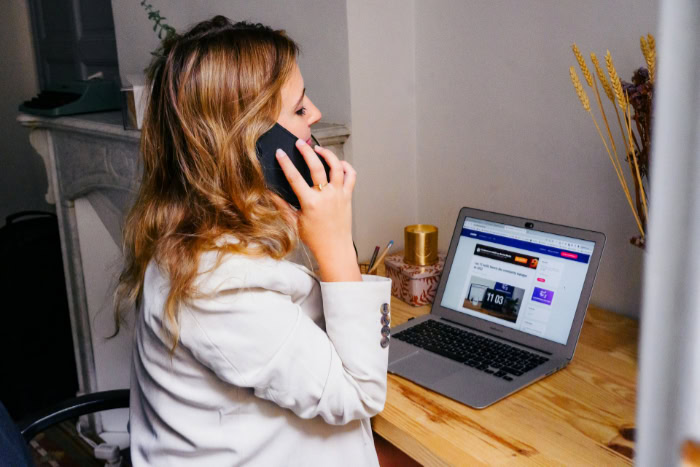
Integrating professional duties with personal life is a major challenge in a traditional setting. Remote work provides a solution by allowing people to manage their schedules in a way that respects their personal needs.
This balance leads to a more sustainable lifestyle where health and family are no longer ignored for the sake of a rigid office schedule.
Flexible Daily Schedules
Life does not always happen after five o’clock. Working from home makes it possible to handle small personal tasks, such as accepting a delivery or visiting a doctor, without taking a half day off.
You can shift your start or end times to accommodate family needs or personal errands. This flexibility reduces the friction between your professional responsibilities and your life outside of work.
Better Physical Health
It is much easier to eat well when you are steps away from your own refrigerator. You can avoid processed snacks and fast food that are common in office settings.
Furthermore, the time saved from not commuting can be used for physical activity. Whether it is a morning walk or a quick workout during a break, staying active becomes a natural part of the day rather than an extra chore to fit in later.
Reducing Daily Stress
Removing the pressure of a timed commute and a public workspace has a direct effect on your mood. You are working in a space where you feel safe and comfortable.
There is no stress from traffic jams or crowded trains. This calmer environment helps you approach your tasks with a better mindset.
A private work area allows you to handle your workload with a sense of peace that is rarely found in a busy corporate environment.
Autonomy and Professional Growth

Working outside a traditional office forces people to grow in ways they might not in a supervised setting. It demands a higher level of ownership over daily tasks and the tools used to complete them.
This environment turns employees into more capable and independent contributors who can produce results without constant oversight.
Mastering Digital Tools
Remote work relies on software for communication and project tracking. Since you cannot walk to a desk to ask a question, you learn to use written communication effectively and clearly.
You become proficient with project management boards and virtual collaboration platforms. These technical skills are highly valuable and make you a more efficient communicator in any professional setting.
Self-Discipline and Management
Without a manager watching over your shoulder, you must find your own motivation. You learn how to prioritize tasks and meet deadlines without the physical cues of an office environment.
This builds a strong sense of responsibility and internal drive. Developing these habits ensures that work gets done because of personal commitment rather than external pressure.
Expanded Career Reach
When a job is not tied to a physical building, professional options grow. You are no longer limited to companies within a short drive of your home.
You can apply for roles at top organizations located in different cities or even different countries. This geographic freedom allows you to pursue the best possible career path without the need to move your family or leave your community.
Organizational and Environmental Advantages

Companies also find that remote models offer benefits that a physical office cannot match. Moving away from a centralized headquarters allows for a more flexible and lean operation.
These advantages extend to the planet by reducing the footprint left by daily corporate activity.
Access to Global Talent
Employers are often limited by the people who live nearby or are willing to relocate. Remote work breaks these boundaries entirely.
A company can hire the most skilled person for a job regardless of where that person lives. This leads to a more capable workforce that brings specialized skills and different perspectives to the team.
Reduced Operating Costs
Maintaining a physical office is a major expense. Companies pay for rent, electricity, heating, and cooling for massive buildings.
They also spend money on cleaning services, furniture, and office supplies. When employees work from home, these overhead costs drop significantly.
Businesses can then use those savings to invest back into their products or support their employees in other ways.
Environmental Impact
Fewer people commuting means fewer cars on the road. This leads to a direct reduction in carbon emissions and fuel consumption.
Beyond just traffic, large office buildings consume enormous amounts of energy for lighting and climate control. By decentralizing work, the collective energy usage of a workforce is often lower, resulting in a smaller overall impact on the environment.
Conclusion
The transition to remote work represents a meaningful upgrade to the modern professional experience. It aligns the needs of the individual with the goals of the company, showing that high output does not require a shared physical space.
This model improves quality of life while reducing costs and carbon footprints. It is a smarter way to work that benefits everyone.
Frequently Asked Questions
How does working from home improve productivity?
Remote work improves productivity by removing the frequent interruptions found in traditional offices. When you control your environment, you can eliminate noise and distractions. This allows for long periods of focus on complex tasks, which leads to better results and a higher volume of work completed each day.
What are the main financial benefits for employees?
Employees save money by eliminating expenses related to commuting, such as fuel, parking, and public transit fees. They also spend less on professional clothing and daily lunches. Over time, these savings represent a substantial increase in disposable income that would otherwise be spent simply getting to an office.
How does remote work affect mental health?
Working from home reduces stress by removing the pressure of a timed commute and the friction of a busy office. It allows for a more relaxed atmosphere where you can manage your own schedule. This autonomy leads to lower anxiety and a better overall sense of well-being.
Can remote work help with career advancement?
Remote work expands career options by allowing you to apply for roles at companies regardless of their location. You are no longer restricted to local employers. This freedom gives you access to a wider range of industries and higher paying positions that may not exist in your area.
Why is working from home better for the environment?
When fewer people commute, there is a significant reduction in vehicle emissions and fuel consumption. Additionally, decentralized work reduces the energy required to power and heat large corporate office buildings. This collective change leads to a smaller carbon footprint for both the employees and the entire organization.
About the Author: Elizabeth Baker


