
Are Audio-Technica Headphones Good? Pros and Cons
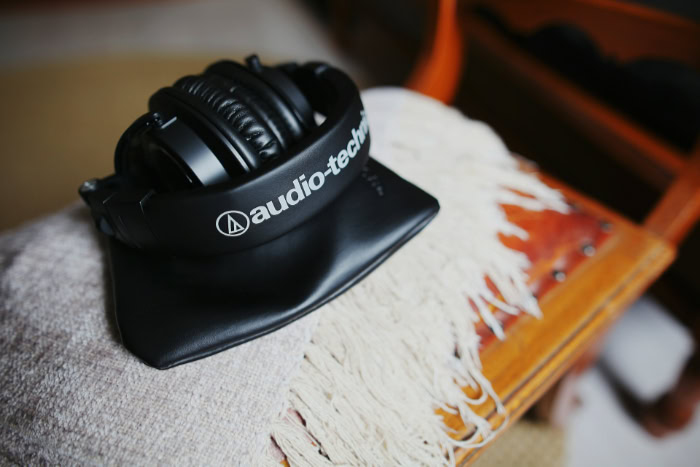
The iconic Audio-Technica logo is a familiar fixture in professional recording studios, popular streaming setups, and crowded commuter trains. However, mass appeal does not automatically guarantee a perfect fit for your personal audio needs.
The definition of a truly good headphone changes entirely based on what you intend to do with it. A bass-heavy set might thrill a casual listener on a loud bus, yet that same boominess will completely sabotage a producer trying to mix a clean studio track.
To help you make an educated choice, we will break down the specific traits that earned Audio-Technica its fierce reputation.
Brand Heritage and Reputation
Audio-Technica established itself as a formidable force in the global audio market long before podcasts and streaming became mainstream. Evaluating their products requires looking back at their origins.
A brand’s history often dictates its engineering priorities. For Audio-Technica, those priorities heavily lean toward professional utility.
Roots in Professional Audio
The company began in Tokyo in 1962 as a manufacturer of phonograph cartridges. They soon expanded their operations to produce high-quality microphones and studio equipment.
Audio engineers quickly recognized the brand for its precision and reliability. Recording studios adopted their gear to ensure accurate sound capture and playback.
Unlike companies that design products primarily for casual listening, Audio-Technica built its foundation on creating tools for audio professionals who demand exact technical specifications.
The Studio-to-Street Crossover
For decades, the brand remained a respected secret among audio engineers and producers. That changed dramatically during the rise of home studios and independent content creation.
Models like the ATH-M50x caught the attention of early YouTubers, podcasters, and amateur musicians. These creators wanted professional-grade audio without spending thousands of dollars.
As viewers watched their favorite internet personalities wearing the distinctive headphones with the circular logo, consumer interest surged. The brand successfully bridged the gap between professional recording booths and everyday bedroom setups.
General Industry Consensus
Today, audiophiles, professional musicians, and technology reviewers generally agree on the brand’s standing. They view Audio-Technica as a benchmark for dependable, accurate audio reproduction.
While some high-end lifestyle brands prioritize aggressive marketing and celebrity endorsements, Audio-Technica maintains its credibility through consistent performance. Reviewers frequently praise the company for offering professional sound quality at an accessible price point.
This widespread consensus cements their reputation as a trustworthy choice for serious listeners.
Sound Quality and Performance

The most polarizing aspect of Audio-Technica headphones is their sound signature. If you are accustomed to generic earbuds or highly processed lifestyle audio products, their audio presentation might surprise you.
They engineer their equipment to reveal exactly what is in a recording.
The Signature Flat Sound Profile
Audio professionals refer to this engineering approach as a flat sound profile. Studio monitoring requires headphones that reproduce an audio file precisely as it was recorded without any artificial enhancements.
If a track has a weak bassline, a flat headphone will present it weakly. Many consumer headphones artificially boost the low-end or high-end frequencies to make music sound more energetic.
Audio-Technica aggressively avoids this practice in their professional lines. They deliver a neutral, balanced frequency response that lets the listener hear the raw, uncolored audio.
Analytical Versus Casual Listening
This dedication to a neutral sound profile creates a sharp divide between analytical and casual listening. Listeners who prefer bass-heavy hip-hop or electronic dance music might initially find a flat headphone boring or lacking in impact.
They want to feel the vibration of the bass. Purists and audio engineers, however, consider this neutral presentation absolutely essential for critical listening.
An analytical listener needs to dissect a track to hear subtle background vocals, instrument separation, and mixing flaws. A boosted bass frequency would muddy the mid-range and hide those crucial details.
Acoustic Designs
The brand offers two distinct acoustic designs to serve different listening environments. Their closed-back models use solid ear cups to seal the sound inside and block external noise.
This design creates a punchy, isolated audio experience perfect for recording in noisy studios or commuting. Conversely, their open-back models feature a perforated grill on the outer ear cup.
This allows air and sound to pass freely. Open-back designs produce a wide, natural soundstage that makes the music feel like it is happening in the room around you.
The trade-off is that open-back models leak audio heavily and provide zero noise isolation.
Build Quality, Ergonomics, and Comfort
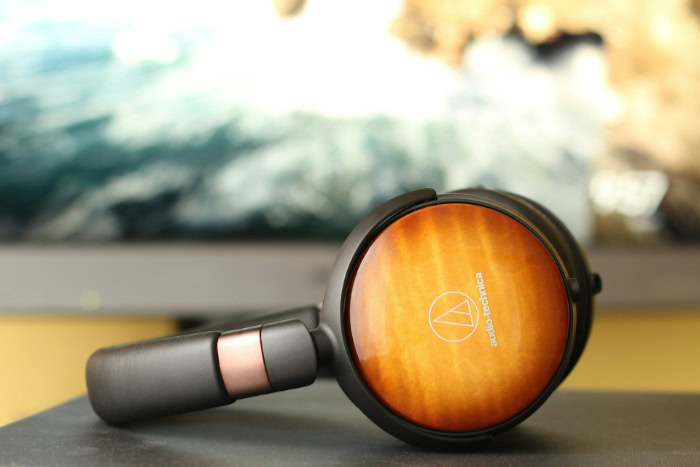
Exceptional sound reproduction holds little value if a pair of headphones falls apart after a few months of use. Audio-Technica designs its hardware with a clear focus on utility over luxury.
Their physical design philosophy caters directly to the demanding environments of recording studios, DJ booths, and daily commutes.
Durability and Materials
The construction materials used by the brand prioritize heavy-duty durability. While some competitors use delicate metals or premium fabrics, Audio-Technica relies heavily on thick, high-grade plastics reinforced with metal headbands.
This utilitarian approach makes their headphones highly resilient. Users frequently report dropping them, tossing them loosely into backpacks, and subjecting them to rough daily wear without causing functional damage.
They are designed to be working tools first and aesthetic accessories second.
Functional Design Elements
Practical hardware features further enhance their utility. Many models feature collapsible hinges that allow the headphones to fold inward for compact storage.
The ear cups often swivel 90 degrees. This specific design choice allows DJs to easily listen to a track with one ear while monitoring the live room with the other.
Additionally, the brand employs proprietary locking detachable cables on their professional models. A simple twist locks the cable securely into the ear cup.
This prevents the cord from accidentally unplugging if the user steps on it or snags it on a mixing console.
Comfort Profile and Common Challenges
Despite their durability, the comfort profile of these headphones presents a few common challenges. Fresh out of the box, the clamping force on the headband can feel quite tight.
This firm grip ensures the headphones stay on your head while moving around a studio, but it can cause pressure around the ears during the first few weeks of use. Furthermore, the standard synthetic leather ear pads tend to retain body heat.
Listeners often find their ears getting overly warm and sweaty during long sessions. Many users resolve this issue by replacing the stock pads with breathable velour alternatives from third-party manufacturers.
The Product Lineup: Which Model Fits Your Needs?

Audio-Technica produces dozens of distinct headphones designed for highly specific use cases. Choosing the right pair requires evaluating your daily habits, listening environment, and audio preferences.
A model built for a competitive gamer will perform poorly for a commuting college student. Breaking down their major product categories clarifies exactly which design aligns with your personal requirements.
The M-Series for Studio and Monitoring
The M-Series remains the most famous and widely recommended line in the company’s catalog. These closed-back headphones target studio recording, mixing, and critical listening.
The entry-level ATH-M20x provides a highly affordable starting point for amateur producers needing basic sound isolation. Stepping up the tier list, the ATH-M40x offers an incredibly flat, accurate audio profile heavily favored by audio engineers for precise mixing tasks.
Finally, the flagship ATH-M50x serves as the brand’s most popular model. It delivers a slightly more energetic sound signature with punchy bass and detailed highs, making it a favorite for both professional studio tracking and everyday music enjoyment.
The AD-Series for Audiophiles and Gaming
For listeners who prioritize expansive audio over noise isolation, the Air Dynamic AD-Series offers a completely different experience. These open-back headphones feature large aluminum honeycomb casings that allow air to flow directly through the ear cups.
This acoustic design produces an incredibly wide soundstage that simulates listening to live speakers in a large room. Audiophiles favor these models for high-fidelity home listening sessions where capturing the subtle atmosphere of a live recording is essential.
Furthermore, competitive video game players highly value the AD-Series. The wide sound profile allows players to accurately pinpoint the exact direction of approaching footsteps and distant sound effects in three-dimensional space.
Wireless and Consumer Lines
While the brand built its reputation on wired professional gear, they actively produce models tailored for modern smart-device users. The shift away from traditional headphone jacks forced a transition toward Bluetooth connectivity.
Audio-Technica adapted by releasing wireless iterations of their most successful studio monitors, such as the ATH-M50xBT2. These models offer the same respected sound quality as their wired counterparts while adding built-in microphones and onboard playback controls.
Additionally, the company produces several consumer-focused headphones equipped with Active Noise Cancellation. These specific models cater directly to commuters and office workers who need to block out engine noise or distracting chatter without sacrificing audio fidelity.
How Audio-Technica Compares to the Competition

Evaluating a brand in isolation only tells half the story. To truly determine if Audio-Technica makes a good product, you must measure their offerings against other major players in the audio hardware market.
Different companies prioritize vastly different consumer needs, ranging from cutting-edge software features to pure acoustic fidelity.
Audio-Technica Versus Sony and Bose
Sony and Bose currently dominate the premium consumer audio market. They excel at producing lifestyle headphones packed with advanced technology.
If you want industry-leading Active Noise Cancellation, touch controls, and sophisticated companion apps to customize your equalizer settings, Sony and Bose are the clear winners. Audio-Technica takes a completely different approach.
They focus their engineering budget on raw audio fidelity and physical durability rather than software gimmicks. A standard Audio-Technica headphone will generally outlast a delicate, tech-heavy Bose model in terms of physical wear and tear.
Furthermore, Audio-Technica provides a much more accurate, uncolored sound reproduction compared to the heavily processed audio typical of mainstream consumer brands.
Audio-Technica Versus Sennheiser and Beyerdynamic
Within the professional and audiophile space, Audio-Technica directly competes with legacy European manufacturers like Sennheiser and Beyerdynamic. All three brands produce exceptional studio-grade equipment, yet their sound signatures vary noticeably.
Sennheiser headphones are widely celebrated for their smooth, relaxed mid-range frequencies, making them excellent for vocal-heavy tracks. Beyerdynamic models are famous for their sparkling, highly detailed treble response and luxurious velour ear pads.
Audio-Technica sits firmly in the middle with a very forward, energetic sound that highlights tight bass and clear highs. Comfort also plays a role in this comparison.
Beyerdynamic and Sennheiser frequently score higher for immediate, out-of-the-box comfort, whereas Audio-Technica models often require a break-in period for the headband to loosen.
The Price-to-Performance Value Proposition
The most compelling argument for choosing Audio-Technica is their overall market pricing. They consistently offer professional-grade audio at mid-tier consumer prices.
While a flagship audiophile headphone from a competing brand can easily cost well over five hundred dollars, Audio-Technica provides highly accurate, studio-quality sound for a fraction of that amount. The ATH-M50x routinely costs less than two hundred dollars, offering a level of acoustic detail that matches or beats much more expensive competitors.
By stripping away expensive lifestyle features like companion apps and touch sensors, the brand maximizes the quality of the internal speaker drivers. This aggressive price-to-performance ratio makes them an incredibly attractive option for budget-conscious musicians and audio enthusiasts who refuse to compromise on sound quality.
Conclusion
Audio-Technica headphones present a clear and uncompromising vision of what audio equipment should be. Their greatest strengths lie in their exceptional sound accuracy and rugged durability.
These traits make them highly reliable tools for audio professionals and purists. However, this strict focus on performance means they often lack the sleek designs and advanced software features found in mainstream consumer options.
Ultimately, these headphones are an excellent choice for anyone prioritizing raw sound fidelity, long-term reliability, and overall value. If you strictly want heavy bass, trendy aesthetics, and advanced noise-canceling apps, you should probably pass on them and look toward lifestyle-focused brands instead.
Frequently Asked Questions
Are Audio-Technica headphones good for casual listening?
Yes, they are excellent for casual listening if you enjoy hearing clear, balanced audio exactly as the artist intended. Listeners who prefer heavily boosted bass might find their neutral sound profile slightly flat at first. However, their precise clarity usually wins out over time.
Do Audio-Technica headphones have noise cancellation?
Most of their classic studio models rely on passive noise isolation provided by closed-back ear cups. The company does manufacture specific wireless consumer models equipped with active noise cancellation. These specific designs cater directly to commuters who need to block out loud background sounds.
Are open-back or closed-back models better for gaming?
Open-back models are generally much better for competitive gaming in a quiet room. The open design creates a highly realistic, wide soundstage that helps players accurately locate distant footsteps and sound effects. Closed-back models are only better if you need to block out external room noise.
Why do my new Audio-Technica headphones feel so tight?
The company designs its professional models with a strong clamping force to ensure they stay securely on your head while working. This tight grip will naturally loosen after a few weeks of regular use. You can also gently stretch them over a box to speed up the process.
Can I plug studio headphones directly into my phone?
You can easily plug standard models like the ATH-M50x into a phone or laptop without needing a dedicated amplifier. They feature a low impedance rating, meaning standard devices provide plenty of power to drive them effectively. High-end audiophile models might require external amplification for the best results.
About the Author: Elizabeth Baker


