
Are Foldable Phones Worth It? Pros, Cons, and Pricing
Foldable phones have officially graduated from fragile prototypes to polished devices competing directly for your hard-earned cash. You see them everywhere, from carrier store displays to the hands of morning commuters.
The temptation of owning a cutting-edge smartphone that literally bends in half is incredibly strong.
Yet, that initial excitement frequently clashes with severe sticker shock and valid hesitation about trusting new, unproven technology. Moving away from the familiar glass slab requires a completely objective look at the facts before handing over your credit card.
By evaluating the different physical formats, daily usage benefits, undeniable hardware compromises, and actual financial realities, you can quickly determine if a foldable phone actually aligns with your specific lifestyle and budget.
Flip vs. Fold
Stepping into the foldable market requires choosing between two very different physical designs. Manufacturers have split their engineering efforts down two distinct paths to solve different user problems.
Before looking at specific specifications or brand names, a potential buyer must decide if they want a regular phone that gets smaller or a regular phone that gets bigger.
The Clamshell Flip
The clamshell design heavily relies on nostalgia while providing massive improvements in extreme portability. These devices fold horizontally like a traditional flip phone, taking a standard 6.7-inch smartphone and snapping it in half to easily fit into tight pockets, small purses, or athletic wear.
The exterior cover screen acts as a vital command center. Instead of opening the device every time a notification buzzes, users can check messages, control music playback, and scan the weather directly on the smaller outer display.
This design appeals directly to those who want a capable smartphone that physically disappears when not in active use.
The Book-Style Fold
The book-style design operates on a completely different philosophy. These devices function as standard, albeit slightly thicker, smartphones when closed.
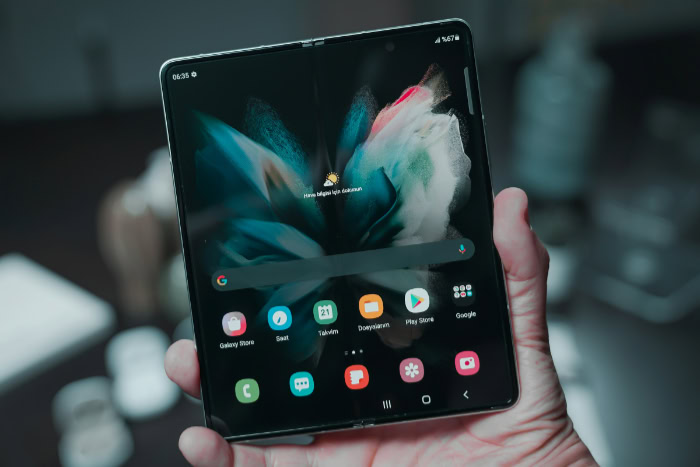
They open vertically to reveal an expansive display that effectively transforms the device into a mini-tablet. This format is engineered specifically for maximizing screen real estate.
The large inner canvas caters to complex workflows, allowing users to comfortably view desktop versions of websites, edit spreadsheets without intense zooming, and manage intense productivity tasks that feel cramped on a traditional phone.
Aligning Form with Function
Choosing the right design means carefully matching the physical format with your daily habits. The flip style explicitly solves the modern problem of cumbersome, overly large devices stretching out pockets.
It offers extreme convenience and acts as a digital buffer, encouraging users to check quick updates on the cover screen without getting sucked into doom-scrolling. The book style serves the exact opposite purpose.
It invites deep engagement, appealing to power users who frequently wish they had a tablet with them but do not want to carry a secondary device.
Distinct Daily Advantages

Owning a device with a flexible display unlocks several practical benefits that traditional rigid smartphones simply cannot replicate. The unique hardware allows for creative software solutions and completely changes how you physically interact with your phone throughout the day.
Next-Level Multitasking
Book-style foldables completely change mobile productivity. Running multiple applications simultaneously becomes a genuinely useful feature rather than a frustrating gimmick.
A user can keep a financial document open on the left half of the screen while typing an email to a colleague on the right half. Copying text or dragging an image from a web browser directly into a messaging app happens seamlessly.
The expansive display provides enough room for both apps to remain fully functional and legible.
Immersive Media and Entertainment
Opening a large folding screen dramatically elevates mobile entertainment. Reading e-books becomes much more comfortable, mimicking the size and feel of a physical paperback.
Watching widescreen video content provides a cinematic experience, completely eliminating the need to squint at a standard smartphone screen on an airplane or during a commute. Mobile gaming also benefits heavily, as the larger canvas provides more room for thumbs and onscreen controls without blocking the actual gameplay.
Unique Camera Utility
Both flip and fold designs offer incredible flexibility for photography. By folding the phone halfway into a seated position, the device acts as its own built-in kickstand.
This allows for hands-free video calls on a desk or capturing stable group photos without needing a tripod. Furthermore, the exterior cover screens allow users to take high-resolution selfies using the primary rear camera lenses.
You can see your exact framing on the outside display before snapping the photo, resulting in vastly superior image quality compared to a standard front-facing selfie camera.
Hardware and Software Trade-offs
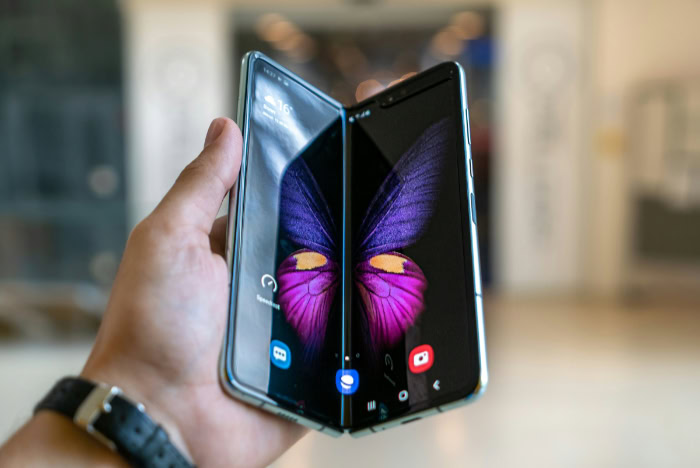
Despite the high price tags, foldable technology still requires buyers to accept noticeable compromises. The physical reality of engineering a device that folds in half forces manufacturers to make tough decisions regarding internal space and component size.
Camera Sensor Limitations
You might expect a two thousand dollar foldable to feature the absolute best cameras on the market, but that is rarely the case. Fitting folding hinges and flexible display mechanisms inside the chassis leaves very little room for massive megapixel sensors and ultra-premium periscope zoom lenses.
Traditional high-end “slab” phones will almost always take superior photos, especially in low light or at long distances, simply because they have more physical internal space to house larger, more advanced camera hardware.
Battery Capacity Constraints
Battery life frequently takes a hit on foldable devices. The phone must rely on two separate, smaller batteries split between the two halves of the device.
These split batteries must power multiple screens, including an expansive, power-hungry inner display. While modern processors try to manage power efficiently, heavy users will quickly notice a decrease in overall daily screen-on time compared to a standard smartphone with a single, massive battery block.
App Optimization and Aspect Ratios
Software remains a persistent hurdle for folding displays. Many third-party applications, particularly certain social media platforms and mobile games, are coded strictly for standard rectangular smartphone screens.
When opened on an unusually tall flip screen or a nearly square inner fold screen, these apps often struggle to scale properly. Users frequently encounter stretched images, bizarrely formatted text, or large black bars boxing in the app to force a standard aspect ratio.
Durability and the Reality of Wear and Tear
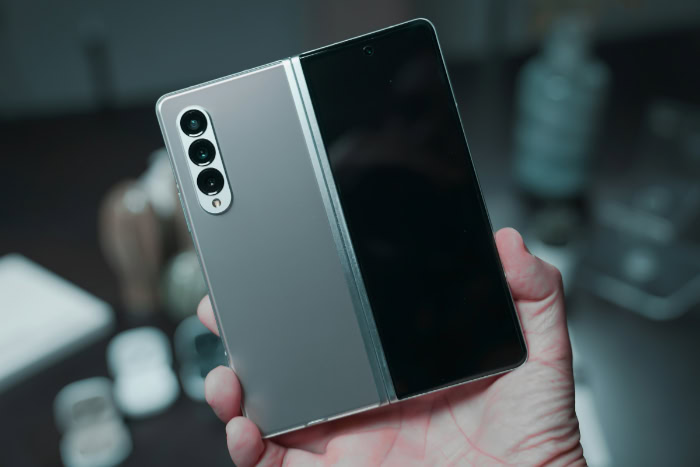
Moving away from a solid block of glass and metal introduces complex mechanical parts and flexible materials. This physical transformation drastically changes how you must handle and care for your device on a daily basis.
Owning a foldable phone requires a mental shift regarding durability, as these devices are inherently more fragile than their rigid counterparts.
Screen Fragility and Materials
Traditional smartphones feature thick, hardened glass designed to survive drops and resist deep scratches from keys or coins. Foldable inner displays rely on a completely different material composition to achieve their bendable nature.
Manufacturers utilize ultra-thin glass layered with flexible plastic polymers, resulting in a screen that is remarkably soft. This softer surface is highly susceptible to permanent indentations from simple everyday hazards.
A firm press with a sharp fingernail or a tiny grain of sand trapped between the closed halves can easily puncture or severely scratch the inner display.
The Hinge Mechanism and the Crease
The mechanical hinge is an engineering marvel that must endure opening and closing thousands of times over the lifespan of the device. While manufacturers test these hinges rigorously, moving parts eventually wear down.
Furthermore, buyers must pay close attention to environmental protection ratings. Many foldables boast an IPX8 rating, meaning they survive water immersion but offer zero official protection against dust.
A traditional IP68 phone keeps sand and lint out entirely, whereas a foldable can trap microscopic debris inside its gears. Users must also accept the physical reality of the screen crease.
Every foldable on the market features a visible groove running down the center of the inner display, and your finger will constantly glide over this physical dip during regular swiping and scrolling.
Best Practices for Physical Maintenance
Protecting a foldable investment requires proactive daily maintenance. Users need to regularly wipe down the inner screen with a soft microfiber cloth to ensure no hard particles are present before snapping the device shut.
Pocket lint poses a continuous threat, making it necessary to occasionally brush out the hinge area to prevent debris from grinding inside the gears. Temperature extremes also play a significant role in device health.
Exposing a foldable phone to severe cold can make the flexible display brittle, while leaving it in a hot car can degrade the adhesives holding the screen layers and protective factory protectors together.
The Financial Breakdown

Purchasing a foldable phone involves significantly more money than upgrading to a standard premium smartphone. The financial commitment extends well beyond the initial retail price, requiring buyers to carefully evaluate insurance costs, depreciation rates, and the actual value they receive in return.
The Early Adopter Premium
Walking into a retail store to buy a brand new foldable phone guarantees severe sticker shock. These devices demand a high premium to cover the massive research, development, and specialized manufacturing processes required to build bending screens and intricate hinges.
Book-style foldables regularly approach or exceed the two thousand dollar mark. Buyers must recognize that this premium price tag pays for the unique form factor itself rather than purely superior specifications.
You are paying top-tier prices while accepting the previously mentioned compromises in battery capacity and camera quality.
Calculating Total Cost of Ownership
The retail price is only the beginning of the financial commitment. The total cost of ownership is noticeably higher for folding devices because repairing them is incredibly expensive.
Replacing a shattered inner display on a foldable out of pocket can cost nearly as much as buying a brand new traditional phone. Because of this extreme repair cost, purchasing an extended manufacturer warranty or specialized carrier insurance is practically mandatory.
This adds a steady monthly fee or a large upfront sum to the overall price of keeping the device operational and protected against accidental damage.
Depreciation and Resale Value
Smartphones generally lose value over time, but foldables depreciate at an accelerated rate on the secondary market. A standard two-year-old flagship phone retains a predictable resale value because buyers trust the solid glass and metal construction.
Second-hand buyers approach used foldables with intense caution due to fears of worn hinges, micro-scratches on the plastic screen, and degraded batteries. This hesitation drives resale prices down significantly.
If you plan to sell your device independently after a few years to fund your next upgrade, you will recoup a much smaller percentage of your original investment compared to selling a traditional rigid smartphone.
Strategies for Maximizing Value
Mitigating the massive financial burden of a foldable phone requires strategic shopping. Paying full retail price in cash is rarely the best financial move.
Buyers should look to leverage aggressive carrier subsidies, as cellular providers frequently offer massive discounts on foldables to lock customers into long-term network contracts. Manufacturers also push elevated trade-in promotions during major launch events, offering drastically inflated values for your old device to encourage adoption of their new folding tech.
Alternatively, opting for a previous-generation foldable can save hundreds of dollars while still providing the core bending experience, as year-over-year hardware updates are often minimal.
Conclusion
The decision to purchase a foldable phone ultimately comes down to weighing the undeniable cool factor against some very real physical and financial compromises. These devices offer a completely fresh way to interact with your daily technology, providing massive screens for productivity or incredibly compact shapes for ultimate portability.
However, buyers must willingly accept softer inner displays, delicate mechanical hinges, inferior camera sensors, and remarkably steep price tags.
The final verdict depends entirely on your lifestyle. If you are a dedicated tech enthusiast, a mobile power user desperate for a pocketable tablet, or someone who values extreme convenience above all else, a foldable phone is absolutely worth the investment.
On the other hand, heavy outdoor workers who encounter dust daily, pure photography enthusiasts demanding the absolute best mobile lenses, and budget-conscious buyers should definitely stick to the proven durability of a traditional glass slab.
Frequently Asked Questions
How long do foldable phone screens actually last?
Most modern foldable screens are rated to survive at least two hundred thousand folds, which equals about five years of heavy daily use. However, the factory-installed screen protector may peel or bubble much sooner and require a professional replacement to prevent permanent display damage.
Can you remove the screen protector on a foldable phone?
You should never peel off the inner screen protector on a foldable device yourself. This specialized plastic layer is deeply integrated into the delicate display panel. Removing it forcefully will often destroy the screen entirely and immediately void your manufacturer warranty.
Are foldable phones completely waterproof and dustproof?
Most premium foldable phones feature an official water resistance rating that protects them from accidental spills or brief submersion. Unfortunately, they almost universally lack official dust resistance. Microscopic dirt and sand can still easily infiltrate the complex hinge mechanism and cause severe internal damage over time.
Does the crease in the middle of the screen go away?
The visible crease down the center of the display is a permanent physical trait of all current folding technology. It will never completely disappear. Most users report that their brain simply ignores the slight visual dip after a few days of regular scrolling and swiping.
Do folding phones have worse battery life than normal phones?
Folding phones generally offer shorter battery life than traditional premium smartphones. The internal space required for the mechanical hinge limits the size of the physical battery cells. Powering a massive, tablet-sized inner display also drains the available charge significantly faster during heavy multimedia usage.
About the Author: Julio Caesar


