
Are MacBooks Worth It? Pros, Cons, and Costs
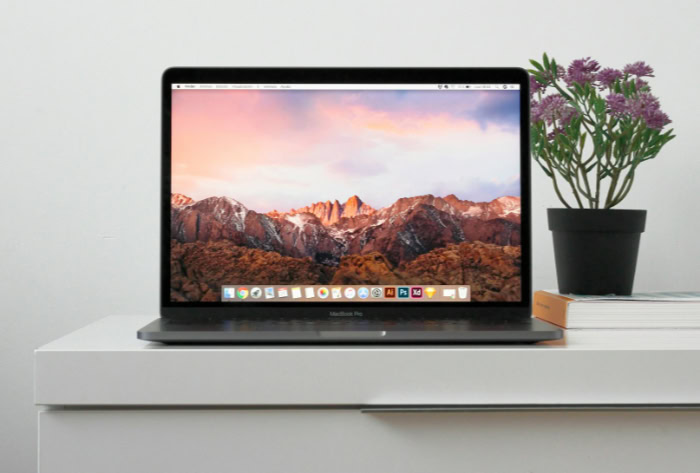
Staring at the checkout screen for a new Apple laptop usually triggers a familiar shock. The premium price tag is undeniable, forcing even the most eager buyers to question if the investment makes financial sense.
The equation changed dramatically with the introduction of Apple Silicon. The M-series chips replaced hot, loud processors with custom components that deliver staggering speed and extended battery life.
Suddenly, the high cost seemed easier to justify for a machine that could realistically outlast its competitors.
However, paying extra for an aluminum chassis and a famous logo is not a decision to take lightly. Determining actual value requires setting aside brand loyalty.
Hardware And Performance
Apple completely changed the trajectory of its computers by moving away from Intel processors to its own custom chips. These M-series processors combine the CPU, graphics, and memory into a single package.
This architectural shift resulted in massive leaps forward in speed and efficiency, making modern MacBooks some of the most capable machines on the market.
Processing Power And Thermal Efficiency
The performance delivered by Apple Silicon is remarkable for daily tasks and heavy workloads alike. The M-series chips process massive amounts of data without generating the extreme heat associated with traditional laptop processors.
Because of this thermal efficiency, the MacBook Air does not even require a cooling fan. It operates in total silence.
Even the MacBook Pro models, which do have fans, rarely need to turn them on unless pushed to absolute extremes with intense video rendering or 3D modeling.
Battery Life Supremacy
Superior thermal efficiency directly translates to exceptional battery performance. Modern MacBooks routinely outlast their Windows counterparts by a significant margin.
You can comfortably leave your charger at home and power through a full workday of browsing, typing, and video calls. In many real-world tests, these laptops easily push past 15 hours of continuous use.
This reliable endurance drastically reduces battery anxiety for students and remote workers.
Build Quality And Aesthetics
Apple has maintained a strict standard for physical construction. The signature aluminum unibody chassis feels solid and resists flexing under pressure.
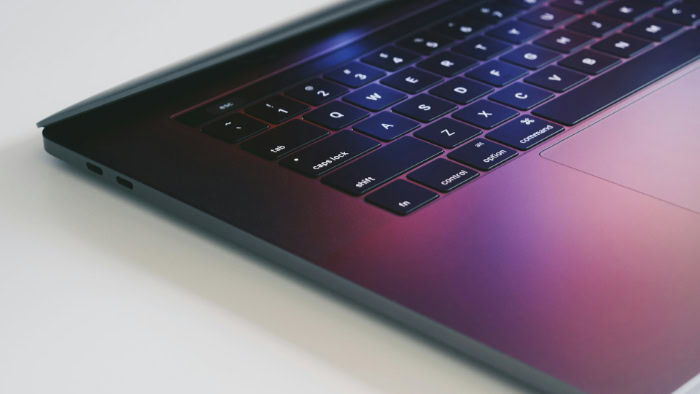
Beyond the metal casing, the interface hardware is exceptionally well crafted. The Magic Keyboard offers a comfortable and responsive typing experience that has proven highly reliable over years of use.
Below the keyboard sits the Force Touch trackpad. It remains the absolute best in the industry, offering a massive surface area and precise haptic feedback that makes standard mechanical trackpads feel outdated.
Display And Audio Quality
The visual and auditory experience on a MacBook is difficult to match. The Liquid Retina displays provide bright, vibrant colors and deep contrasts that make everything from text documents to high-resolution photographs look incredibly sharp.
True Tone technology automatically adjusts the screen temperature based on ambient lighting to reduce eye strain. The built-in speakers produce rich audio with actual bass and clarity, completely outperforming the tinny sound typical of most PC laptops.
The integrated microphones also ensure your voice comes through clearly during virtual meetings.
The macOS And Apple Ecosystem Experience

Raw hardware power only tells half the story. A massive part of the appeal lies in the operating system and how smoothly it interacts with other Apple products.
Buyers are paying for a highly optimized software environment that prioritizes simplicity and reliable connections across multiple devices.
Seamless Device Integration
If you already own an iPhone or an iPad, a MacBook immediately becomes more valuable. The Apple ecosystem is designed to keep your workflow uninterrupted across all your screens.
You can copy a block of text on your phone and instantly paste it onto your laptop using Universal Clipboard. AirDrop allows you to send large video files or documents between devices in seconds without needing cables or cloud storage links.
You can even use your iPad as a wireless second monitor.
System Stability And Security
The macOS platform is built on a UNIX foundation, which makes it incredibly stable and secure. While no computer is completely immune to threats, MacBooks are generally targeted by malware much less frequently than Windows PCs.
The operating system utilizes strict app sandboxing, meaning programs are isolated from critical system files. This significantly lowers the risk of catastrophic crashes.
You can typically leave your computer running for weeks at a time without needing to restart to fix performance drops.
Built-In Software Value
Setting up a new computer often requires purchasing a suite of essential programs. Apple mitigates this expense by including high-quality, native applications right out of the box.
Pages, Numbers, and Keynote serve as powerful alternatives to Microsoft Office. Creators get immediate access to iMovie for video editing and GarageBand for music production.
These are not cheap, stripped-down trial versions. They are highly capable tools that can easily handle the demands of most casual and semi-professional projects without any additional subscription fees.
User Interface Experience
The macOS interface is famous for its clean and intuitive design. The user experience is highly streamlined and completely devoid of the bloatware that plagues many new Windows laptops.
You will not find pre-installed antivirus trials or unwanted third-party games cluttering your screen upon booting up. Features like Spotlight search allow you to instantly find files, launch applications, or perform quick calculations with a simple keyboard shortcut.
Drawbacks And Dealbreakers
Despite their impressive specifications and premium software, Apple laptops are not the correct choice for everyone. They carry rigid limitations regarding upgrades and software compatibility.
For certain user profiles, these restrictions make purchasing a MacBook an illogical or impossible choice.
Zero Hardware Upgradability
When you purchase a MacBook, you are locking in your specifications for the lifetime of the machine. The memory and solid-state storage drives are soldered directly to the motherboard.
You cannot open the laptop a year later to add more RAM or swap in a larger hard drive. If your computing needs grow over time, your only option is to sell your current machine and buy an entirely new one.
This forces buyers to predict their future requirements and often spend more money upfront than they initially planned.
The Apple Tax On Configurations
Because you must configure your laptop perfectly at the time of purchase, Apple charges a massive premium for memory and storage upgrades. Bumping the base model from 8GB to 16GB of RAM or doubling the internal storage capacity adds hundreds of dollars to the final price tag.
These individual component upgrades are notoriously expensive. A similar RAM upgrade on a standard desktop PC or a modular laptop would cost a fraction of what Apple demands at checkout.
The Gaming Gap
MacBooks are powerful, but they are absolutely not built for hardcore gamers. The macOS platform severely lacks native support for popular AAA game titles.
Most major game developers prioritize Windows because it completely dominates the gaming market. Additionally, Apple’s proprietary graphics hardware does not natively support standard gaming libraries like DirectX.
While workarounds and translation layers exist, they often result in poor frame rates and frustrating performance issues.
Professional Software Limitations
Certain industries rely exclusively on programs that are completely incompatible with macOS. Many specialized engineering applications, architectural design programs like SolidWorks, and legacy enterprise databases require a Windows environment.
Running virtual machines or compatibility layers on a Mac to access these programs is often clunky and drains system resources. If your career or university coursework demands specific, Windows-only software, buying a MacBook will cause constant headaches and productivity roadblocks.
The Financial Reality
Looking past the initial sticker shock requires evaluating the total cost of ownership. A high purchase price does not automatically make a laptop a poor financial choice if it outlasts cheaper alternatives.
Calculating true value means weighing hardware lifespan, resale potential, and potential maintenance fees over the entire period you plan to own the machine.
Lifespan And Reliability
A primary reason many people justify buying a MacBook is the hardware endurance. Thanks to the tight integration between the operating system and the custom processors, these laptops maintain their speed and responsiveness for years.
A typical user can expect a MacBook to run smoothly for five to seven years before noticing significant performance slowdowns. In contrast, many budget or mid-tier Windows laptops begin to degrade in performance, battery capacity, or physical build quality much sooner.
This extended functional life often delays the need to buy a replacement computer, effectively spreading out the initial investment over a longer period.
Depreciation And Resale Value
The used market for Apple products is exceptionally strong. MacBooks hold their monetary value far better than almost any other laptop brand.
If you decide to sell your machine after three to five years, you can often recoup a substantial portion of your original purchase price. Standard PC laptops tend to depreciate rapidly, losing the vast majority of their resale value within the first two years of ownership.
Factoring in this eventual trade-in or resale cash makes the steep upfront cost of a MacBook look much more reasonable in retrospect.
The Risk Of Repair Costs
The financial math changes drastically if your laptop breaks outside of the standard warranty period. Because Apple components are proprietary and highly integrated, out-of-warranty repairs are exceptionally expensive.
Replacing a cracked screen or a failing logic board can easily cost half the price of a brand-new machine. Third-party repair shops often lack access to official parts or face software locks that prevent them from fixing modern MacBooks.
This reality makes purchasing AppleCare+ almost mandatory for accidental damage protection. Adding this extended warranty increases your initial checkout price by hundreds of dollars.
Who Should Buy What?

Determining if an Apple laptop is worth your money requires an honest assessment of your daily computing habits. Buying too much power wastes money, while buying the wrong operating system entirely creates endless frustration.
You must match the hardware to your specific workflow to ensure you get the right tool for the job.
The Everyday User And Student
For the vast majority of people, the base model MacBook Air is the most logical and cost-effective choice. If your daily routine consists of word processing, web browsing, answering emails, and watching streaming video, you do not need intensive processing power.
The MacBook Air handles all these tasks effortlessly while providing a brilliant screen and excellent battery life. Paying extra for advanced models makes little sense for students or casual users who will never push the machine beyond basic media consumption and document editing.
The Creative Professional
Heavy workloads demand specialized hardware. If you edit high-resolution video, compile massive blocks of code, or render 3D animations, the MacBook Pro becomes strictly necessary.
These advanced models feature active cooling fans to sustain peak performance during intense tasks without overheating. They also offer a wider variety of ports, such as HDMI and SD card readers, which are vital for photographers and video editors.
The upgraded screens on the Pro models deliver precise color accuracy and higher refresh rates, making them indispensable tools for creative professionals who need absolute visual perfection.
When To Choose A Windows Alternative
Some buyers should avoid Apple completely. If you are a dedicated PC gamer, macOS will frustrate you with its lack of native game titles and poor hardware compatibility.
Similarly, engineering students and professionals who rely on specialized CAD software often find that these programs only run properly in a Windows environment. Budget-restricted buyers might also find that premium Windows alternatives, like the Dell XPS or Lenovo ThinkPad lines, offer competitive hardware specs at slightly more manageable price points without locking them into the Apple ecosystem.
Cost-Saving Strategies
If you decide a MacBook fits your needs but you want to soften the financial blow, several purchasing strategies can lower the barrier to entry. Apple maintains a robust Certified Refurbished store on its website.
These refurbished models come with a fresh battery, a pristine outer shell, and the exact same warranty as a brand-new device, but they sell at a significant discount. Additionally, students, teachers, and educational staff can take advantage of Apple’s educational pricing.
Utilizing these discounts helps maximize your return on investment while still securing premium hardware.
Conclusion
Paying the premium upfront cost for a MacBook is often justified when you factor in the extended lifespan, smooth user experience, and excellent resale value. These computers routinely outlast cheaper competitors, making the initial investment highly cost-effective over a five to seven year period.
Ultimately, an Apple laptop proves its worth based entirely on your specific workflow and ecosystem preferences. If you rely heavily on specialized Windows programs or hardcore gaming, the impressive hardware loses its practical appeal.
For the vast majority of users, the reliable performance, silent operation, and seamless device integration make it an exceptional daily tool.
Frequently Asked Questions
Are MacBooks good for college students?
MacBooks are excellent for college students because of their exceptional battery life, lightweight design, and reliable performance. The MacBook Air easily handles research, writing, and daily tasks without needing a mid-day charge. Students can also utilize educational discounts to make the initial purchase much more affordable.
Why are MacBooks so expensive compared to Windows laptops?
Apple prices its laptops higher because they use premium materials like aluminum unibody frames and custom, highly efficient processors. You are also paying for a highly optimized, secure operating system and robust built-in software. Over time, their slow depreciation often offsets this high initial cost.
Can you play video games on a MacBook?
MacBooks are generally poor choices for serious gaming. While the hardware is incredibly powerful, the operating system lacks native support for most popular major game releases. Dedicated gamers should invest in a Windows laptop or a traditional desktop PC to ensure full software compatibility and better frame rates.
How many years will a MacBook last?
A typical user can expect a new MacBook to perform reliably for five to seven years before experiencing noticeable slowdowns. Because Apple designs both the hardware and the software, the system remains highly optimized. This extended functional life makes the steep purchase price much more reasonable over time.
Is it worth buying a refurbished MacBook?
Purchasing a certified refurbished MacBook directly from Apple is an excellent way to save money. These models undergo rigorous testing, receive a brand new battery, and feature a flawless outer shell. They also include the exact same one-year warranty as a completely new device.
About the Author: Julio Caesar


