
Are Surge Protectors Necessary? The Truth About Tech

Most people assume their expensive electronics are safe as long as the house lights stay on. However, the silent killers of modern hardware are often the very appliances shared on the same circuit.
Your thousand dollar OLED television or high performance gaming rig faces a constant barrage of invisible electrical spikes that degrade sensitive components over time. This makes the plastic strip under your desk more than just an outlet expander.
It serves as a necessary shield for the investments that power your daily life.
Key Takeaways
- Standard power strips provide extra outlets but lack the internal components necessary to shield your devices from voltage spikes.
- Most power surges originate inside the home when high-energy appliances like air conditioners or refrigerators cycle on and off throughout the day.
- Look for a UL 1449 safety certification and a joule rating of at least 2,000 for expensive electronics like gaming consoles and home theaters.
- Modern smart appliances are essentially large computers and require dedicated surge protection to prevent costly damage to their internal control boards.
- Surge protectors are sacrificial devices that wear out over time; you should replace them when the Protected indicator light turns off or flickers.
Understanding Power Surges and Their Impact
Electricity follows a consistent and predictable flow under normal conditions, providing the steady pressure needed to power household devices. However, this stability is not guaranteed.
A power surge occurs when the voltage significantly exceeds the standard designated level in an electrical system. While most people associate these events with flickering lights or total blackouts, the reality of electrical damage is often much more subtle and persistent.
Defining the Voltage Spike
In a standard North American home, the electrical system operates at a nominal 120 volts. A power surge happens when that voltage rises above this limit for a brief moment, often lasting only millionths of a second.
Even though these spikes are incredibly short, they carry enough energy to overheat wires and damage the delicate pathways inside electronic devices. This sudden influx of energy forces more current through the system than the components were designed to handle, leading to immediate failure or a shortened lifespan.
Immediate Versus Cumulative Damage
Some surges are massive and unmistakable, such as those caused by a nearby lightning strike. These events can instantly melt circuit boards and render a device completely useless.
More common, however, are smaller surges that happen dozens of times a day. These minor fluctuations cause what is often described as electronic rust.
The repeated stress of these small spikes creates microscopic cracks and burns on internal components. Over months or years, this gradual degradation leads to mysterious glitches, frequent freezing, and eventually, the total failure of the device.
Vulnerability at the Component Level
Modern electronics rely on microprocessors and integrated circuits that are smaller and more densely packed than ever before. These components operate on very low voltages and have almost no tolerance for excess heat or energy.
When a surge hits a circuit board, the thin layers of conductive material can vaporize or fuse together. Because these parts are so microscopic, even a tiny amount of excess electricity is enough to ruin the logic gates that allow a computer or smart device to function.
Identifying the Sources of Electrical Surges

While many people blame the power company for every electrical hiccup, the majority of surges actually originate from within the home. Understanding where these disturbances come from is the first step in creating a defense strategy.
Surges are generated by both the large machines we use every day and the massive infrastructure that connects our homes to the electrical grid.
Internal Household Sources
The most frequent causes of power surges are high-energy appliances cycling on and off. Devices with large motors or compressors, such as air conditioners, refrigerators, and space heaters, require a sudden burst of electricity to start.
When these motors stop, the leftover energy has nowhere to go and often redirects back into the home wiring as a mini-surge. Because these appliances cycle many times throughout the day, they subject every other device on the same circuit to constant, repetitive stress.
External Environmental Factors
Nature provides the most dramatic and destructive sources of electrical interference. A lightning strike does not have to hit a house directly to cause damage; a strike near a power line miles away can send millions of volts through the grid and into your outlets.
Similarly, downed power lines caused by wind or ice can lead to sudden, violent shifts in voltage. These external events are less frequent than internal surges, but they carry the highest risk for catastrophic equipment loss and potential electrical fires.
Utility Grid Fluctuations
The process of delivering electricity to thousands of homes is complex and requires the power company to constantly adjust the flow of energy. During periods of high demand, utilities may switch power loads between different substations.
These switching operations can create momentary inconsistencies in the voltage delivered to your home. Furthermore, problems with the utility’s equipment, such as failing transformers or poor grounding, can result in “dirty” power that fluctuates outside of safe operating ranges for sensitive electronics.
Categorizing Devices by Protection Priority
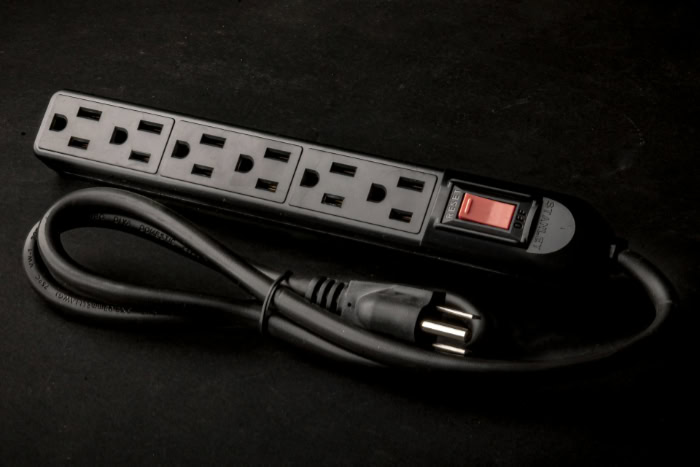
Not every item plugged into a wall requires the same level of defense. Distinguishing between rugged appliances and sensitive electronics helps prioritize where to invest in high-quality protection.
The general rule is that the more complex the internal circuitry, the more it needs a safeguard against voltage instability.
High-Priority Sensitive Electronics
Desktop computers, gaming consoles, and home theater systems sit at the top of the protection list. These devices contain sophisticated motherboards and high-speed processors that are extremely sensitive to even minor voltage changes.
Beyond the physical hardware, these devices also store valuable data. A surge that corrupts a hard drive or fries a memory module can result in the loss of personal photos, work documents, and expensive software.
Using a dedicated surge protector for these clusters is a standard requirement for maintaining their functionality.
The Vulnerability of Modern Smart Appliances
In the past, appliances like washing machines and refrigerators were mostly mechanical, making them quite resilient to power fluctuations. Modern versions are different.
Today, your dishwasher likely has an LCD screen, Wi-Fi connectivity, and a complex control board that manages every cycle. These smart features make modern appliances essentially large computers that are just as vulnerable to surges as a laptop.
Because these items are expensive to repair or replace, protecting them has become a much higher priority than it was twenty years ago.
Low-Risk Household Tools
Simple electrical devices generally do not require surge protection. Items like basic desk lamps, traditional alarm clocks, and older kitchen tools without digital displays are built with robust components that can handle minor voltage swings without issue.
These devices typically lack the delicate microprocessors that are prone to failure. While plugging them into a power strip is convenient for extra outlets, the surge protection feature itself is not a necessity for their continued operation.
Technical Specifications and Ratings
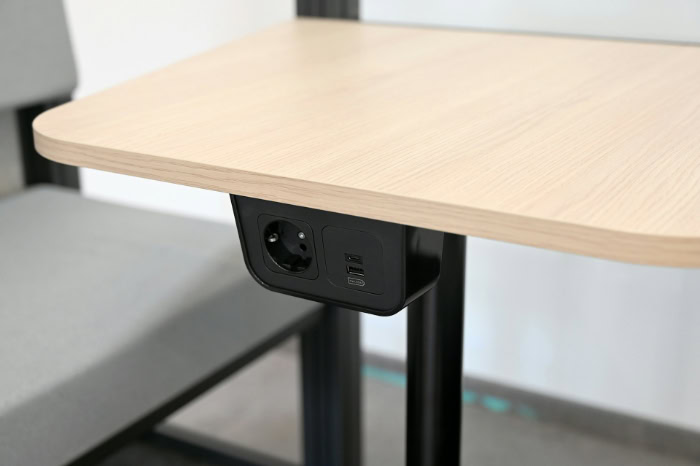
Selecting a surge protector requires more than just picking a strip with enough outlets. The technical labels on the packaging indicate how much punishment the device can take before it fails.
The Joule Rating Explained
A joule is a measurement of energy, and in the context of surge protection, the joule rating tells you how much energy the device can absorb before it is spent. You can think of this like a sponge; a higher rating means the device can soak up more electrical “liquid” before it becomes saturated.
For low-value items like a lamp, a rating of 500 to 1,000 joules is often sufficient. For expensive home theaters or office setups, look for a rating of at least 2,000 to 3,000 joules to provide a longer-lasting safety net.
Clamping Voltage and Response Time
The clamping voltage is the specific point at which the surge protector begins to redirect excess electricity away from your devices. Lower clamping voltages are better because they trigger the protection sooner.
Most quality protectors have a clamping voltage of 330V or 400V. Response time is equally important; it measures how many nanoseconds it takes for the protector to react.
A high-quality device should respond in one nanosecond or less to catch the spike before it reaches the sensitive internal components of your electronics.
Safety Certifications and UL 1449
The most important mark to look for on a surge protector is the UL 1449 certification from Underwriters Laboratories. This indicates that the device has been independently tested to ensure it can handle surges safely without catching fire or failing prematurely.
A protector without this certification might offer more outlets, but it provides no guarantee that it will actually perform its job during a real electrical event. Always verify that the product meets the latest safety standards to ensure both equipment protection and home safety.
Implementing a Multi-Layered Protection Strategy

A single power strip is rarely enough to protect an entire home from the various types of electrical threats. The most effective approach involves a layered defense that addresses surges at both the entrance of the home and the individual outlet.
Point-of-Use Protectors
The most common form of protection is the point-of-use surge protector, which is the strip or wall-mounted unit where you plug in your devices. These are ideal for localized clusters of electronics, such as a home office or a television setup.
When using these, it is important to avoid “daisy-chaining,” or plugging one power strip into another. This practice is a fire hazard and can prevent the surge protection mechanisms from working correctly.
Each protector should be plugged directly into a grounded wall outlet.
Whole-House Surge Suppression
To guard against large external surges from lightning or utility issues, a whole-house surge protector can be installed at the main electrical panel. This device acts as a primary gatekeeper, diverting massive voltage spikes into the ground before they can travel through the home’s branch circuits.
While these units are highly effective at stopping external threats, they do not replace point-of-use protectors. You still need the strips at the outlet to catch the mini-surges generated by your own appliances inside the house.
Monitoring Life Cycles and Replacement
Surge protectors are sacrificial devices. Every time they absorb a spike, the internal components, usually Metal Oxide Varistors, wear down slightly.
Most modern protectors include a “Protected” or “Grounded” indicator light. If this light goes out, it means the internal protection has been exhausted and the device is now functioning as a basic power strip with no safety features.
It is wise to check these lights periodically and replace your protectors every few years, especially after a major storm or a known local power event.
Conclusion
Investing in surge protection is a small insurance policy compared to the high cost of replacing a modern home’s digital ecosystem. While a quality protector might cost thirty dollars, the devices it shields often represent thousands of dollars in personal and professional value.
In a world where even your washing machine and refrigerator contain delicate computers, the risk of unshielded power is simply too high. Protecting your electrical system is no longer an optional upgrade for enthusiasts; it is a fundamental requirement for maintaining a functional and safe household.
By implementing a layered defense, you ensure that your most important tools remain operational for their intended lifespan regardless of external or internal fluctuations.
Frequently Asked Questions
Is a power strip the same thing as a surge protector?
No, a standard power strip provides extra outlets but does not offer any protection against voltage spikes. True surge protectors contain specialized internal components that divert excess energy into the ground. If your strip does not have a joule rating or a UL 1449 certification, it is likely just an extension cord.
How often should I replace my surge protectors?
You should replace your surge protectors every two to three years or after any major electrical event like a lightning strike. The internal parts degrade every time they absorb energy, and eventually, the protection wears out completely. Always check the indicator light to see if the device is still active and providing safety.
Do I really need to protect my refrigerator or washer?
Yes, modern appliances contain sensitive circuit boards that are highly vulnerable to electrical damage. Because these high-end machines are expensive to repair or replace, they require the same level of protection as your computer. A single surge can fry the motherboard of a smart appliance and cause an immediate, costly failure.
Can a surge protector save my electronics from a direct lightning strike?
Most consumer surge protectors cannot withstand a direct hit from lightning because the energy levels are too massive. However, they are very effective at stopping the smaller surges caused by strikes nearby. For the best defense, combine point-of-use strips with a whole-house protector installed at your main electrical panel.
Why is the light on my surge protector flickering or turned off?
If the indicator light is off or flickering, your device has likely reached the end of its useful life. This signal means the internal components can no longer block voltage spikes, leaving your equipment exposed to damage. You should replace the unit immediately to ensure your electronics stay properly shielded from threats.
About the Author: Elizabeth Baker


