
Are Video Doorbells Worth It? Pros, Cons & Fees
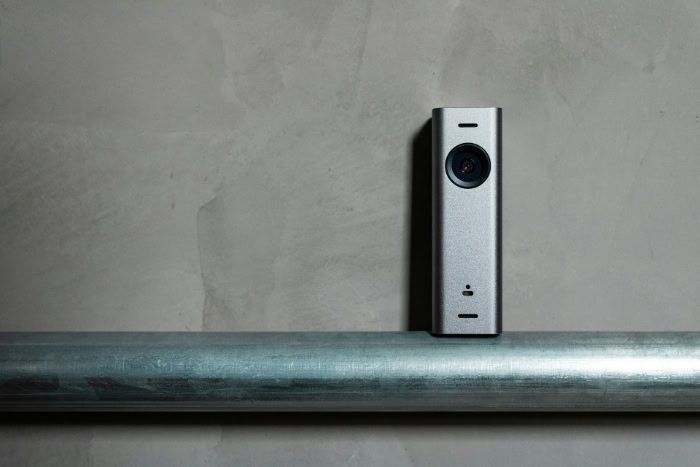
Every time a delivery driver drops off a package or a stranger knocks on your front door, you are forced to weigh the convenience of modern security against its true cost. Front porch cameras promise round-the-clock protection and peace of mind, but they also bring unexpected subscription fees, constant alerts, and valid privacy concerns.
As these smart devices shift from novel gadgets to standard fixtures, deciding to mount one beside your entry is no longer a simple purchase. Balancing hardware prices, monthly storage fees, and data security against actual crime deterrence requires looking past slick marketing promises.
A realistic evaluation of total expenses, daily usability, and operational drawbacks helps you determine if this upgrade truly fits your home.
Key Takeaways
- Initial hardware costs range from $50 for basic units to over $200 for premium models, with essential accessories like chimes or extra batteries adding $20 to $60.
- Accessing video clip history and AI package detection requires recurring monthly subscription fees, creating long-term operating costs beyond the device purchase.
- Local storage models with internal SD cards eliminate recurring cloud fees and protect privacy, but physical theft of the unit will destroy recorded footage.
- Hardwired units enable continuous 24/7 video recording and handle extreme weather better, while battery-powered models allow flexible, drill-free installation for renters.
- Video doorbells deliver the best value for frequent online shoppers, travelers, and unmonitored entries, but offer low utility for apartment units in secured lobbies or busy interior hallways.
Primary Features and Everyday Security Benefits
Installing a modern door camera transforms the traditional entryway into an active security checkpoint. By pairing real-time video streaming with instant smartphone alerts, homeowners gain immediate oversight over who approaches their doorstep, even from miles away.
Package Protection and Crime Deterrence
Porch piracy has grown into a widespread issue for online shoppers, making visible front door security a major selling point. The presence of a prominent camera lens acts as a visual warning to casual trespassers and opportunistic thieves looking for unattended deliveries.
Beyond preventing individual package theft, neighborhood areas with dense camera coverage create a broader deterrent effect. When potential intruders notice multiple entryways equipped with recording devices, the risk of getting caught increases significantly, often pushing unlawful activity away from the neighborhood entirely.
Remote Visitor Interaction and Communication
Two-way audio systems allow direct communication with anyone standing at the threshold. Homeowners can instruct delivery drivers where to place packages safely, speak with service technicians, or screen unexpected visitors without opening the door.
This capability extends home access management to remote locations. Regardless of location, users can monitor front door activity, confirm when family members arrive, and maintain the appearance of an occupied home.
Integration with Smart Home Ecosystems
Modern entry cameras work as part of a connected automated environment rather than operating in isolation. They connect directly with smart locks, allowing users to verify a visitor’s identity on a smartphone or interior display before remotely unlocking the door.
Integration with voice assistants enables hands-free controls and video viewing on compatible screens. Additionally, custom motion triggers can automate other security hardware, such as turning on porch lights when motion is detected at night.
Financial Breakdown and True Costs
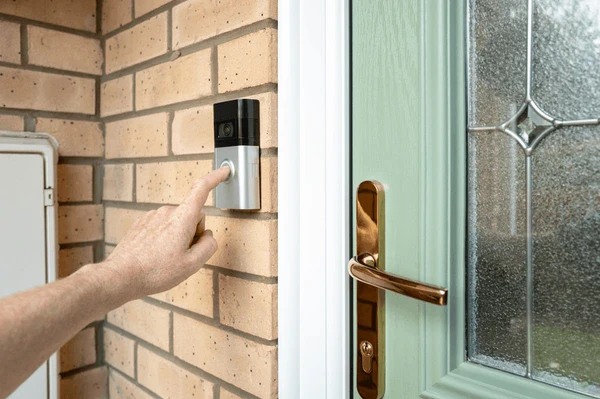
While buying a front door camera seems like a straightforward home improvement purchase, the upfront price tag on the box rarely reflects the total investment. Evaluating the overall financial commitment requires looking at initial hardware options alongside hidden ongoing operating expenses.
Hardware Price Ranges
Devices span three distinct price tiers. Entry-level budget models cost between $50 and $100, providing basic high-definition streaming and standard motion alerts.
Mid-tier options fall between $100 and $200, offering improved video resolution, wider viewing angles, and enhanced motion customization. Premium devices priced above $200 feature dual-camera setups, advanced radar detection, and superior night vision capabilities.
Buyers must also account for essential setup accessories, such as chime boxes, spare rechargeable batteries, or solar mounting brackets, which can add $20 to $60 to the initial checkout total.
Subscription Services and Cloud Storage Fees
Hardware alone often limits functionality to live video viewing. Accessing recorded video history, cloud storage, and artificial intelligence capabilities like package detection or facial recognition typically requires a recurring service plan.
These monthly or annual fees vary based on the level of service chosen. Basic plans covering a single camera usually cost a few dollars a month, while full-service security tiers supporting unlimited cameras and extended recording history can reach significant cumulative costs over several years of use.
Return on Investment through Theft Prevention and Insurance Discounts
Calculating overall value involves balancing recurring fees against potential financial protection. Preventing stolen package deliveries or property damage offers tangible financial mitigation over time.
Furthermore, many homeowners insurance providers offer premium discounts for homes with active entry security measures. While a standalone video doorbell might yield a modest policy discount of two to five percent, linking the camera to a professionally monitored security setup can generate larger annual rate reductions.
Operational Challenges and Privacy Concerns
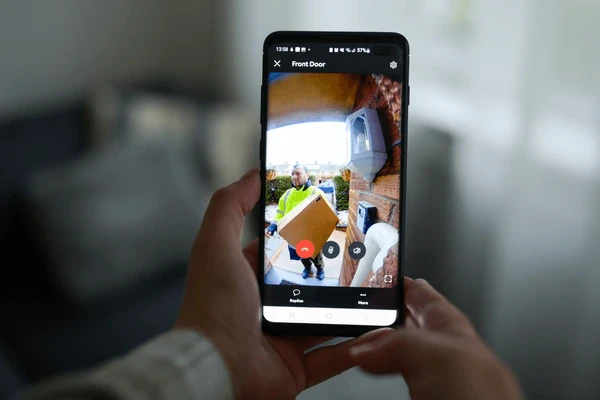
Despite their obvious practical benefits, video doorbells present operational headaches and privacy trade-offs that buyers should consider beforehand. Recognizing these technical and social drawbacks prevents frustration and ensures realistic expectations.
Data Security and Privacy Vulnerabilities
Connecting home surveillance equipment to external cloud networks introduces inherent data risks. Unsecured user accounts or software vulnerabilities can expose private video feeds to unauthorized third-party access and potential hacking.
Public concerns also center around data sharing practices between camera manufacturers and law enforcement agencies. Questions regarding who owns recorded footage and under what circumstances authorities can access home video archives remain a continuous topic of debate among privacy advocates.
False Notifications and Sensor Sensitivity Issues
Constant smartphone alerts can quickly lead to notification fatigue if motion sensors are poorly calibrated. Passing cars, sidewalk pedestrians, outdoor pets, and swaying tree branches frequently trigger unintended recordings.
While modern devices use custom motion zones and artificial intelligence filtering to distinguish humans from general movement, environmental shifts like heavy rain, shadow changes, or direct sunlight can still bypass these filters and trigger nuisance alerts throughout the day.
Network Bandwidth and Connectivity Dependencies
Video doorbells rely heavily on consistent Wi-Fi coverage at the outer perimeter of the residence. Exterior walls, brick facades, and physical distance from the main router often degrade wireless signals, resulting in delayed notifications or video dropouts.
Continuously uploading high-definition video clips can also strain home network speed, hogging bandwidth during peak usage hours and eating into monthly internet data caps if internet service plans are metered.
Hardware Variations and Setup Requirements
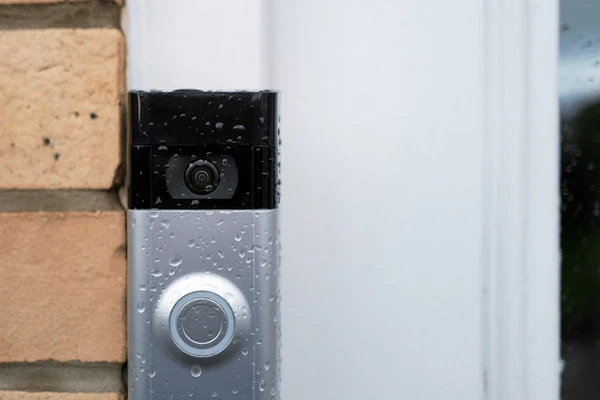
Choosing the right hardware configuration involves assessing physical doorway infrastructure, power supply options, and storage preferences. Differences in installation complexity and data management dictate how convenient a device will be over its operational lifespan.
Wired vs Battery-Powered Devices
Power sources determine both installation effort and daily performance capabilities. Hardwired units connect directly to existing doorbell wiring, providing a continuous power supply that enables advanced functionality such as continuous video recording and pre-roll event capture.
Because they do not rely on batteries, wired units maintain consistent operation in extreme cold or heat, which can otherwise drain battery cells rapidly. Battery-powered models offer maximum installation flexibility since they require no electrical skills or pre-existing wiring.
However, they rely on event-triggered recording to conserve power and require periodic removal for recharging, which can cause temporary coverage gaps every few weeks or months depending on activity levels.
Local Storage vs Cloud-Based Models
Data storage options split into local options and subscription-based cloud services. Local storage devices store footage directly onto micro SD cards or local base station hard drives inside the home.
This approach eliminates monthly subscription costs and keeps video data strictly private. The trade-off is physical security; if an intruder steals or damages the physical doorbell unit containing an internal SD card, the footage is lost.
Cloud-based models upload event clips automatically to remote servers, securing recordings offsite and granting seamless access from anywhere via smartphone apps, though this remote access comes at the cost of ongoing service fees.
Compatibility with Rental Units and Property Restrictions
Renting an apartment or living in a managed community introduces specific installation constraints. Tenants often cannot drill holes into exterior walls or modify existing electrical wiring.
To accommodate these limitations, manufacturers produce non-invasive mounting hardware, including heavy-duty adhesive brackets, peep-hole replacement mounts, and over-the-door steel clamps. Beyond physical installation, property management rules and homeowner associations may restrict outward-facing cameras if they capture neighboring doors, shared hallways, or private adjacent properties, making policy verification essential before mounting a unit.
Buyer Assessment Framework and Decision Factors
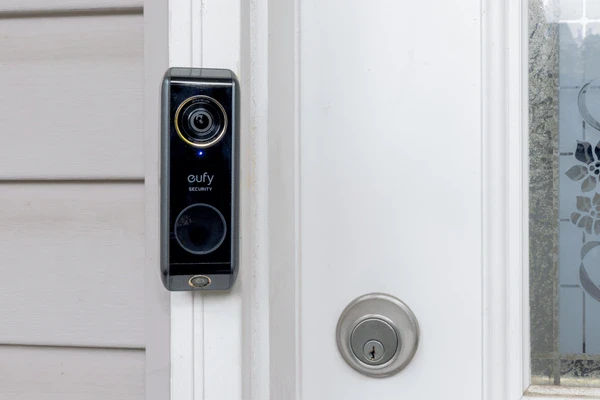
Determining whether a video doorbell justifies its price tag depends on specific household habits, living arrangements, and property layouts. Evaluating individual routines helps buyers weigh practical utility against unnecessary expense.
Profile of High-Benefit Users
Certain households gain substantial value from front door monitoring. Frequent online shoppers who receive regular parcel deliveries benefit from instant arrival alerts and recorded drop-off confirmation.
Frequent travelers and individuals who leave their homes unattended for long stretches gain peace of mind by maintaining remote oversight of their property. Furthermore, individuals with mobility limitations or work-from-home professionals find great convenience in screening callers and using two-way audio to communicate without having to walk to the front door during the workday.
Situations Where Video Doorbells Lack Value
Video doorbells offer minimal utility in specific living arrangements. Residents living in secured apartment buildings with restricted lobby access or gated entry points already benefit from perimeter security, rendering a secondary camera at an individual unit door largely redundant.
Similarly, apartments located in enclosed, high-traffic corridors frequently trigger continuous motion alerts from neighbors walking past, causing constant distraction while rendering event logs useless. In these environments, recurring monthly cloud fees quickly outpace any real security advantage.
Comparison with Standard Outdoor Security Cameras
Video doorbells serve a distinct function compared to traditional outdoor security cameras. Mounted at eye level, doorbells excel at capturing clear face shots and enabling direct voice conversation with visitors at the entryway.
However, their field of view is optimized for close-range interaction rather than broad property coverage. Dedicated spotlight or floodlight cameras mounted high on exterior walls provide superior illumination, wider coverage angles, and stronger active deterrence over large areas like driveways, backyards, and side yards where entry interaction is unnecessary.
Conclusion
Video doorbells offer clear practical benefits by combining real-time entryway visibility, deterrence against package theft, and simple remote communication with visitors. However, these advantages must be weighed against total long-term costs, including recurring subscription fees for video storage, as well as ongoing privacy and false notification concerns.
A video doorbell provides exceptional value for frequent online shoppers, travelers, and households with active front porches, but it remains an unnecessary expense for secured apartment units or locations with high-foot-traffic corridors. Assessing your specific home layout, daily delivery volume, and comfort with cloud-stored video ensures you choose a security setup that genuinely serves your needs without unneeded hassle.
Frequently Asked Questions
Do video doorbells require a monthly subscription to work?
No, video doorbells do not require a monthly subscription to function for basic live viewing and real-time alerts. However, saving recorded video clips, accessing cloud storage history, and using advanced features like package detection usually require a paid plan. Without a subscription, you can only see live video when someone rings the chime or triggers a motion sensor.
Can I install a video doorbell if I live in an apartment?
Yes, you can install a video doorbell in an apartment using non-invasive, no-drill mounting options. Adhesive brackets, over-the-door steel clamps, and peep-hole mounting kits allow renters to install devices without damaging property walls. Before purchasing, verify your building policy, as some property managers prohibit cameras that record shared interior hallways or neighboring unit doors.
What is the difference between wired and battery-powered video doorbells?
Hardwired doorbells connect to continuous household power, while battery-powered models run on rechargeable batteries that require periodic charging. Wired units enable 24/7 continuous video recording and operate reliably in extreme cold or hot weather. Battery models offer easier installation anywhere, but rely strictly on event-triggered recording to save battery life.
Will installing a video doorbell lower my home insurance rates?
Yes, installing a video doorbell can earn you a discount on your homeowners insurance policy. Standalone front door cameras typically offer a modest discount between two and five percent. However, integrating your doorbell camera into a broader, professionally monitored home security system can unlock larger annual rate reductions from most insurance providers.
Can a video doorbell work without Wi-Fi?
No, a video doorbell cannot stream live video or send phone notifications without an active Wi-Fi network. While some models with local SD cards can store footage locally during an internet outage, you will lose real-time alerts, remote two-way communication, and mobile app access until internet connectivity is restored to the doorway device.
About the Author: Elizabeth Baker


