
Bose vs. JBL Portable Speakers: Which Is Better?

Bose and JBL have spent decades fighting for the space on your bookshelf or in your backpack. These two industry titans dominate the market by offering fundamentally different listening experiences.
Bose caters to the listener who values sophistication and acoustic balance. Their speakers prioritize clarity and a refined look that fits just as well in a modern office as it does in a suitcase.
On the opposite side of the spectrum, JBL builds audio gear for those who live life loudly. Their hardware is built to survive mud, rain, and drops while pushing out the heavy bass needed to fuel a party.
Finding the right fit requires looking past the brand names and evaluating how sound quality, battery life, and physical toughness align with your daily habits. Choosing between them means deciding if you want a precision instrument for your desk or a rugged powerhouse for the trailhead.
Key Takeaways
- Bose focuses on neutral sound and vocal clarity, while JBL emphasizes powerful bass and high volume output.
- JBL speakers typically offer higher IP67 ratings for full water and dust submersion across their entire portable lineup.
- Bose products often include speakerphone and voice assistant capabilities, making them useful for professional or home office environments.
- JBL provides superior utility for outdoor events with features like built-in power banks and the ability to link dozens of speakers.
- Battery life is generally longer in JBL units, although Bose offers convenient charging cradles for specific stationary use cases.
Audio Philosophy: Accuracy vs. Impact
Audio quality is rarely a matter of one brand being objectively better than the other. Instead, it is about how each company shapes sound to suit specific environments.
Bose and JBL have developed distinct sonic identities that appeal to different types of listeners, ranging from the casual home listener to the outdoor enthusiast.
The Bose Acoustic Signature
Bose engineers their speakers to deliver a balanced and natural sound. This approach ensures that vocals remain crisp and instruments do not overlap in a muddy or distorted way.
A significant part of the Bose experience involves proprietary digital signal processing. This technology automatically adjusts the output so that even at very low volumes, the audio remains rich and full.
It prevents the thin sound often associated with small speakers when they aren’t turned up high. For someone listening to acoustic music or podcasts in a quiet room, this precision provides a significant advantage.
The JBL High-Output Sound
JBL takes a different approach by leaning into energy and volume. Their signature sound profile emphasizes punchy bass and bright highs, creating a vibrant audio curve.
These speakers are built to be heard over background noise like wind, traffic, or splashing water. While Bose focuses on intimacy and detail, JBL focuses on filling large spaces.
Even their smaller units can reach surprisingly high decibel levels without significant distortion, making them ideal for high-energy environments like gym sessions or beach parties.
Customization and App Support
Both brands offer companion apps to tweak the audio, but they provide different levels of control. JBL typically offers a multi-band equalizer that allows users to manually adjust the bass, mids, and treble.
This flexibility is helpful for those who want to fine-tune their gear for specific genres. Bose keeps things simpler by offering basic presets or limited adjustments.
Their philosophy relies on the speaker knowing how to balance itself automatically, leaving the user with fewer menus to manage.
Build Quality and Environmental Resilience
A portable speaker is only as good as its ability to survive the world around it. While both brands create high-quality products, they use very different materials to achieve their goals.
The choice of build often dictates whether a speaker stays on a kitchen counter or ends up at a campsite.
Materials and Design Aesthetics
Bose leans into a premium, sophisticated aesthetic. They often use seamless aluminum grilles and soft-touch silicone tops that feel expensive.
The design is sleek and understated, allowing the device to blend into home decor or a professional office. JBL prioritizes a rugged, utilitarian look.
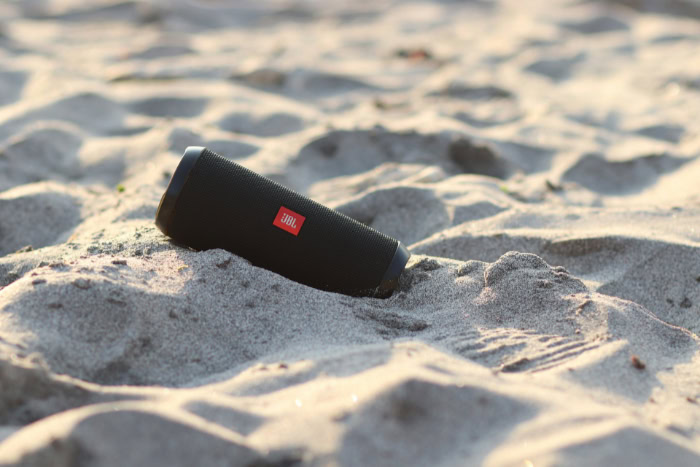
Most of their speakers are wrapped in a durable, tight-knit fabric and reinforced with heavy-duty rubber end caps. This construction makes them feel substantial and ready for rough handling in the mud or sand.
Environmental Protection Ratings
When it comes to water and dust resistance, JBL is consistently aggressive. Almost every portable model in their current lineup carries an IP67 rating.
This means they are completely dust-tight and can be submerged in water without damage. Bose is more selective with these ratings.
While their outdoor-focused models like the SoundLink Flex are equally protected, other models might only offer splash resistance. Users should check the specific rating of a Bose speaker before taking it near a pool, whereas a JBL user can usually assume their device is waterproof.
Portability and Durability
The physical shape and weight distribution of these speakers vary significantly. JBL designs many of their larger units with integrated handles or strap hooks, emphasizing their role as gear for people on the move.
They are built to handle drops and can be tossed into a backpack without much worry. Bose units are often more compact and uniform in shape.
While they are certainly portable, they feel more like precision electronics that require a bit more care. The weight of a Bose speaker is usually centered for stability on flat surfaces, while JBL focuses on ergonomics for carrying.
Connectivity and Ecosystem Features
How a speaker connects to your devices can make or break the user experience. Modern speakers are expected to do more than just play a single stream of audio.
They now function as power sources, speakerphones, and parts of a larger network of devices.
Linking Multiple Speakers
JBL has mastered the art of the multi-speaker ecosystem. Technologies like PartyBoost and the newer Auracast allow users to link dozens of JBL speakers together to play the same music simultaneously.
This is a popular feature for large outdoor gatherings where one speaker isn’t enough. Bose offers SimpleSync and Party Mode, which allow for pairing with other Bose products.
While effective, the Bose ecosystem is often more focused on connecting a portable speaker to a home soundbar or linking two units for a stereo pair rather than creating a massive wall of sound.
Hardware and Software Utility
The additional features included with each brand reflect their target audience. Many Bose speakers include high-quality microphones, allowing them to function as excellent speakerphones for work calls or to access voice assistants like Siri and Google Assistant.
JBL often skips the microphone in favor of hardware utility. For instance, the JBL Charge series features a built-in power bank.
This allows users to plug their phone into the speaker to charge while the music is playing, which is incredibly useful during a long day outdoors.
Connection Stability and Multipoint
Reliable wireless performance is a baseline requirement for both brands. Both Bose and JBL support multipoint Bluetooth, which lets the speaker stay connected to two devices at once.
This means you can switch from a movie on a tablet to a phone call without diving into settings. The range on both is impressive, often extending over thirty feet in open spaces.
However, JBL speakers sometimes offer a slightly faster pairing process, while Bose focuses on a voice-prompt system that tells you exactly which device is currently connected.
Battery Performance and Power Management

A portable speaker depends entirely on its ability to provide consistent playback without requiring a constant connection to a wall outlet. The hardware choices made by Bose and JBL regarding battery capacity and charging speed significantly impact how these devices are used in daily life.
While one brand focuses on high-capacity endurance for long weekends, the other prioritizes a balance between weight and sufficient daily power.
Total Playback Endurance
JBL generally leads the market in raw battery capacity, particularly within its mid-sized and large models. The JBL Charge series, for instance, is designed to provide up to twenty hours of playback on a single charge.
This high endurance is a byproduct of using larger battery cells that can also serve as power banks for other devices. Bose takes a more conservative approach by focusing on weight reduction and compact dimensions.
Most Bose portable speakers offer between twelve and fifteen hours of life. While this is plenty for a day at the office or an evening on the patio, it requires more frequent charging if used heavily throughout a weekend.
Charging Standards and Accessories
Both companies have transitioned to USB-C as the standard for charging, ensuring compatibility with modern phone and laptop cables. However, Bose offers a unique convenience through specialized charging cradles available for the SoundLink Revolve series.
These cradles allow a user to simply set the speaker down to begin charging, eliminating the need to fuddle with wires. JBL focuses on fast-charging capabilities within the hardware itself, allowing users to gain several hours of playback time from a short fifteen-minute plug-in.
This is especially useful for users who realize their speaker is dead right before leaving for an outdoor event.
Power Management and Drain
The way a speaker manages its energy during use and idleness affects the overall user experience. Bose speakers are equipped with sophisticated auto-off timers that can be customized through an app to ensure the battery does not drain if the device is left on by accident.
They also use efficient processing to maintain audio quality even as the battery dips below ten percent. JBL speakers are built for high-output performance, meaning that playing music at maximum volume will deplete the battery much faster than the advertised rating suggests.
Users should expect a significant drop in total hours if they consistently push the volume to the limit in loud environments.
Head-to-Head Product Comparisons

Comparing the specific model lines of these two brands highlights the practical differences in their design philosophies. By looking at how they compete in the compact, mid-size, and large-scale categories, it becomes easier to see which brand fits a specific lifestyle.
The Compact Competition: SoundLink Flex vs. Flip Series
In the world of ultra-portable speakers, the Bose SoundLink Flex and the JBL Flip series are the primary contenders. The SoundLink Flex is a flat, rugged device that uses sensors to adjust its audio output based on whether it is standing up, lying flat, or hanging from its loop.
It provides a balanced sound that is surprisingly deep for its size. The JBL Flip uses a cylindrical design that fits perfectly into bicycle bottle cages or backpack side pockets.
It produces a much more aggressive, bass-forward sound that is better suited for outdoor activities where ambient noise is high.
The Mid-Size Workhorses: SoundLink Revolve+ II vs. Charge Series
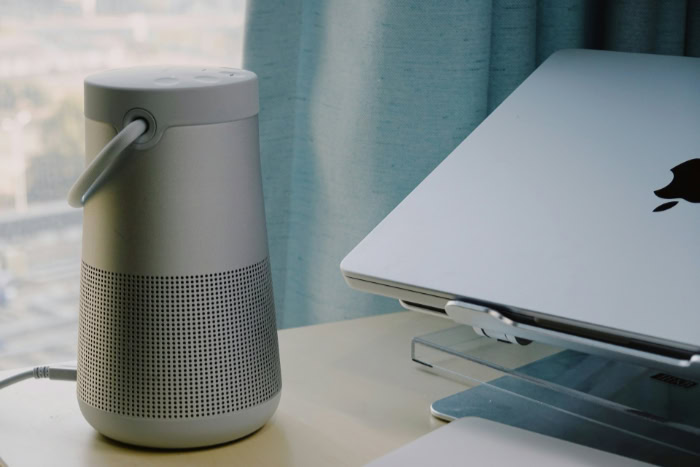
The mid-size category is where these brands show their true colors. The Bose SoundLink Revolve+ II is a premium 360-degree speaker with a built-in flexible handle.
It is designed to sit in the center of a room or a table and provide an identical audio experience to everyone sitting around it. In contrast, the JBL Charge series is a directional speaker that prioritizes punchy audio and utility.
It includes a large internal battery that can charge a smartphone via a USB-A port. While the Bose model feels like a piece of high-end home audio equipment, the JBL Charge feels like a tool for survival and entertainment in rugged conditions.
Large-Scale Audio: Bose S1 Pro+ vs. JBL Boombox and Xtreme
For those who need maximum volume, the brands offer very different solutions. The JBL Boombox and Xtreme series are the ultimate party speakers, featuring massive bass radiators and enough volume to fill a backyard or a beach.
They are built with heavy handles and waterproof shells to handle extreme environments. Bose enters this space with the S1 Pro+, which is essentially a miniature professional PA system.
It includes multiple inputs for microphones and instruments, making it a favorite for street performers or professional presenters. While the JBL Boombox is designed to play recorded music for a crowd, the Bose S1 Pro+ is designed for those who need high-fidelity vocal and instrument reinforcement.
Conclusion
If you want a speaker for a home office, a quiet bedroom, or traveling where space and sophistication matter, Bose is the superior choice. Its focus on acoustic accuracy ensures that music sounds exactly as the artist intended.
The premium materials and minimalist design make these speakers a perfect fit for indoor settings.
If your weekends involve hiking, pool parties, or camping, JBL offers the durability you need. These speakers are built to be dropped, splashed, and pushed to their volume limits.
The emphasis on heavy bass and rugged construction makes them the go-to brand for high-energy social gatherings and outdoor adventures.
To make your final choice, look at where you will spend eighty percent of your listening time. For focused, high-quality listening in controlled environments, choose Bose.
For worry-free use in unpredictable conditions or large group settings, JBL is the better investment for your lifestyle.
Frequently Asked Questions
Which brand has better waterproof ratings for pool use?
JBL is generally more reliable for pool use because almost all their portable models feature an IP67 rating. This means the speaker can be fully submerged in water and is protected against sand or dust. While some Bose models are waterproof, many are only splash-resistant and require more care.
Can I use these speakers for phone calls and office meetings?
Bose is the better choice for professional use because many of their models include integrated microphones for speakerphone functionality. These microphones provide clear voice pickup for calls or interacting with digital assistants. Most current JBL portable speakers have removed the microphone to prioritize battery life and rugged outdoor performance.
Which speaker is better for a loud outdoor party?
JBL is specifically designed for high-volume environments and large outdoor spaces. Their sound profile emphasizes deep bass that carries well in open air, and features like PartyBoost allow you to connect multiple speakers together. Bose focuses more on personal listening and may struggle to fill a noisy backyard.
Do Bose or JBL speakers last longer on a single charge?
JBL typically offers longer battery life, with many mid-sized models reaching twenty hours of playback. These larger batteries also allow some models to charge your phone while playing music. Bose speakers usually offer between twelve and fifteen hours, which is sufficient for daily use but less than JBL.
Is there a major difference in how these brands sound?
Yes, the sound signatures are very different. Bose aims for a flat and neutral response that highlights vocal clarity and detail at lower volumes. JBL creates a more sculpted sound with boosted bass and crisp highs. This makes JBL feel more energetic while Bose feels more refined and accurate.
About the Author: Julio Caesar


