
DSLR vs. Mirrorless Cameras: Pros, Cons, and Costs
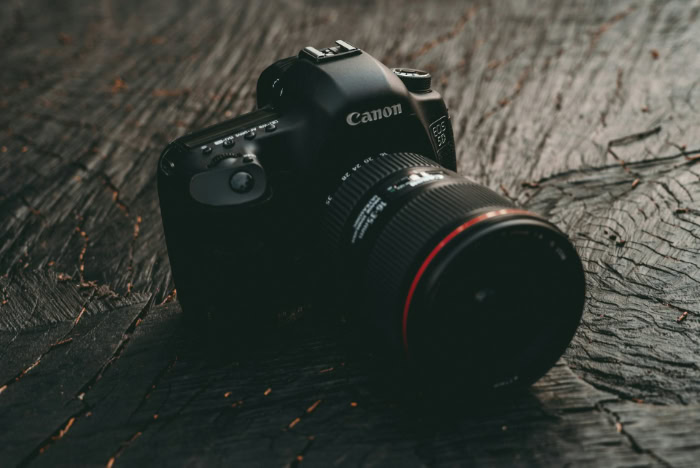
Choosing your next interchangeable lens camera forces an unavoidable decision between traditional DSLRs and modern mirrorless systems. This choice dominates camera store counters and online forums, leaving many buyers paralyzed over where to spend their money.
You need a tool that perfectly matches your photography or videography style without paying for unnecessary technology. To make the smartest purchase, you must evaluate the fundamental mechanics, raw performance metrics, physical design, and overall ecosystem costs of both formats.
We will lay out exactly how these distinct approaches to autofocus, viewfinder design, and handling affect your final images.
Mechanics and Design
The physical construction of a camera dictates exactly how it functions. The difference between these two systems comes down to the path light travels from the front of the lens to the image sensor.
The Anatomy of a DSLR (Digital Single-Lens Reflex)
A traditional DSLR relies on a highly precise mechanical process. Light enters the lens and strikes a reflex mirror angled at forty-five degrees.
This mirror bounces the light upward into a pentaprism or pentamirror, which then corrects the image orientation and projects it out through the viewfinder. The moment you press the shutter button, the mirror physically flips up out of the way.
The shutter curtain then opens, allowing the light to hit the digital sensor and record the photograph.
The Anatomy of a Mirrorless Camera
A mirrorless system eliminates the internal mirror entirely. Light passes through the lens and hits the digital imaging sensor directly and continuously.
The camera processor reads the live data from the sensor and feeds it straight to a rear LCD monitor or a small digital screen located inside the viewfinder. There is no intermediate physical reflection, meaning the sensor is constantly exposed to the incoming light until the mechanical or electronic shutter closes to finalize the exposure.
Mechanical Complexity vs. Simplicity
DSLRs contain an intricate arrangement of delicate moving parts required just to frame a shot. The mirror mechanism takes up substantial physical space inside the camera body and requires precise calibration to function accurately.
Removing this mirror mechanism allows manufacturers to build a much simpler internal architecture. This physical change drastically reduces mechanical failure points and allows camera bodies to become thinner and more compact.
The Viewing Experience

How a photographer frames a subject dramatically impacts the shooting process. The choice between looking through an optical window or viewing a digital screen completely changes how you interact with a scene before capturing an image.
Optical Viewfinders (OVF) in DSLRs
Optical viewfinders offer a direct, uninterrupted view of your subject. Because you are looking through glass and mirrors, the feed operates at the speed of light with absolutely zero lag time.
The optical window remains incredibly clear in bright, glaring sunlight and provides a natural representation of the scene without artificial contrast or digital noise. It is essentially identical to looking through a highly refined pair of binoculars.
Electronic Viewfinders (EVF) in Mirrorless Cameras
Electronic viewfinders function as miniature, high-resolution monitors placed right inside the eye cup. They provide a massive advantage by offering a “What You See Is What You Get” preview of your final image.
If you change your exposure settings, the screen automatically brightens or darkens in real time. The digital display also allows you to see your exact depth of field, preview white balance shifts, and overlay focus peaking highlights to ensure your subject is perfectly sharp before you take the photo.
The Battery Life Trade-Off
The continuous power draw required to run electronic viewfinders and rear LCD screens significantly limits mirrorless battery life. A tiny high-resolution screen demands a constant flow of electricity.
As a result, mirrorless cameras drain batteries rapidly during long shoots. Conversely, the optical viewfinder in a DSLR uses zero electrical power to display an image.
This high efficiency allows DSLR shooters to easily capture thousands of photos on a single battery charge.
Photography and Video Performance

Beyond their physical build, cameras are judged heavily on speed, accuracy, and versatility. Removing the internal mirror allowed manufacturers to push the absolute limits of autofocus speed and continuous shooting in ways that physical mechanics previously prevented.
Autofocus Technology and Tracking
DSLRs utilize dedicated phase-detection sensors located entirely separate from the main image sensor, usually positioned at the bottom of the mirror box. While fast, these focus points are heavily clustered near the center of the frame.
Mirrorless cameras utilize an advanced hybrid autofocus system placed directly on the main image sensor, offering full edge-to-edge coverage. These modern systems process massive amounts of visual data instantly, allowing artificial intelligence algorithms to flawlessly track human eyes, erratic animals, and fast-moving vehicles across the entire frame.
Burst Speeds and Shutter Types
The mechanical limitations of “mirror slap” heavily restrict DSLR continuous shooting rates. The internal mirror must physically flip up and down for every single photo, capping the absolute maximum frames per second the camera can capture.
Mirrorless bodies bypass this mechanical speed limit completely. By utilizing completely silent electronic shutters, mirrorless cameras can achieve ultra-fast continuous burst rates that capture tiny fractions of a second without a single moving physical part.
Video Recording and Stabilization
Mirrorless systems easily dominate the modern videography market. When filming with a DSLR, the internal mirror must remain locked in the up position.
This disables the dedicated phase-detection sensors and forces the camera to rely on slower, less accurate contrast-detect autofocus. Mirrorless cameras maintain their lightning-fast phase-detection autofocus continuously while recording video.
They also offer vastly superior In-Body Image Stabilization (IBIS) to smooth out hand tremors, and their modern processors efficiently handle massive high-resolution video files without the design restrictions of traditional camera bodies.
Size, Build, and Ergonomics

Physical dimensions and handling strongly influence how often a photographer actually carries their equipment. The external design must complement your physical workflow, whether you are hiking steep trails or working long hours in a studio.
Portability and Travel Readiness
Mirrorless cameras naturally benefit from the removal of the bulky internal mirror box and heavy glass pentaprism. This structural reduction creates streamlined, lighter camera bodies that easily slide into smaller day bags.
Photographers walking city streets or traveling on airplanes appreciate shaving unnecessary ounces off their gear load. These compact cameras also attract far less attention, which proves highly beneficial for documentary and street photography where maintaining a low profile is essential.
Grip, Balance, and Handling
A smaller camera does not automatically guarantee a better shooting experience. DSLRs feature chunky, robust bodies with deep handgrips.
Photographers with larger hands often find these traditional designs much more comfortable for all-day use. Furthermore, mounting a massive telephoto lens on a tiny mirrorless body quickly makes the entire setup feel front-heavy and awkward.
The substantial weight of a DSLR provides excellent counterbalance, ensuring the camera sits securely and steadily in your hands without straining your wrists.
Durability and Weather Sealing
Professional DSLRs possess a rugged, time-tested physical build designed to survive extreme abuse. These heavy magnesium alloy blocks shrug off impacts and severe weather conditions effortlessly.
Modern mirrorless bodies boast excellent weather-sealing capabilities, but their smaller frames and reliance on exposed sensors during lens changes present different physical vulnerabilities. Photographers working in blowing sand or heavy rain often prefer the proven, tank-like armor of top-tier DSLR systems.
Ecosystems, Cost, and Value

Purchasing a camera means buying into an entire ecosystem of accessories and lenses. The financial reality of acquiring gear demands careful consideration of available optics and long-term value.
Lens Availability and Variety
DSLRs benefit from a decades-old, massive inventory of native lenses. Every conceivable focal length, aperture, and specialty optic exists in multiple variations from numerous manufacturers.
Mirrorless lens lineups continue to grow rapidly and feature highly engineered, incredibly sharp optics, but they often carry significantly higher price tags. Third-party lens options for mirrorless systems remain somewhat limited depending on the specific camera brand you choose.
The Used Market Advantage
The rapid industry shift toward mirrorless technology has created massive financial opportunities for savvy buyers. High-quality used DSLR bodies and premium lenses currently flood secondary markets at heavily discounted rates.
Professional equipment that cost thousands of dollars a few years ago now sells for a fraction of its original price. Budget-conscious photographers can easily build entirely pro-grade DSLR kits for the price of a single mid-range mirrorless body.
Cross-Compatibility and Adapters
Moving to a new system does not mean abandoning old investments. Mirrorless users can leverage highly effective brand-specific mount adapters to attach older DSLR lenses to their new bodies.
Because mirrorless cameras lack an internal mirror, the adapter simply fills the physical gap required for correct optical alignment. These adapters function seamlessly, allowing photographers to utilize classic glass with absolutely zero loss in autofocus speed or image quality.
Conclusion
DSLRs offer unmatched battery life, rugged physical builds, and a natural optical view that many traditional photographers strongly prefer. Mirrorless cameras counter these benefits with superior autofocus tracking, completely silent shooting, and exceptional video capabilities.
Budget-conscious beginners and traditionalists benefit heavily from the highly affordable used DSLR market. Conversely, videographers, high-speed action shooters, and frequent travelers will find the compact size and advanced tracking technology of mirrorless systems much more suitable for their specific needs.
Regardless of the internal mechanics or the viewfinder design, both camera formats remain fully capable of producing professional-grade, stunningly high-quality images.
Frequently Asked Questions
Are DSLR cameras going obsolete?
While camera manufacturers currently focus their research and development on mirrorless technology, DSLRs remain incredibly capable tools. The massive availability of used lenses and durable bodies ensures these cameras will function perfectly for many years. Millions of professionals still rely on them daily for paid work.
Do mirrorless cameras take better photos than DSLRs?
Image quality depends entirely on the camera sensor and the attached lens rather than the internal mirror mechanism. Both formats utilize identical sensor sizes and resolutions. A modern mirrorless camera simply offers faster autofocus and better video features to help capture the shot more easily.
Can I use my old DSLR lenses on a new mirrorless camera?
You can easily mount older DSLR lenses onto modern mirrorless bodies using brand-specific adapters. Because mirrorless cameras lack an internal mirror box, the adapter provides the required physical spacing. Your classic lenses will retain full autofocus speed and total optical sharpness on the new system.
Why do mirrorless cameras have shorter battery life?
Mirrorless systems must constantly power a high-resolution electronic viewfinder or a rear digital screen to display the live image. This continuous electrical draw drains batteries much faster than a DSLR. An optical viewfinder requires absolutely no battery power, allowing for thousands of shots per charge.
Which camera type is better for shooting video?
Mirrorless cameras easily outperform older systems for video production. They offer seamless continuous autofocus while recording, superior internal image stabilization, and faster data processing for high-resolution formats. A DSLR must lock its mirror up during video capture, which heavily limits its focusing speed and accuracy.
About the Author: Julio Caesar


