
Headphones Buying Guide: Pick the Best Fit for Your Budget

Buying a new pair of headphones often feels like taking a pop quiz in advanced audio engineering. You just want incredible sound, but you are instantly buried under an avalanche of confusing acronyms and marketing jargon.
Instead of getting lost in an endless sea of technical specifications, you need a clear strategy to evaluate your options. That is exactly what we provide right here.
This complete guide cuts through the noise to offer a practical framework based on physical fit, technology, your unique lifestyle, and your specific budget. The secret to an amazing audio experience is not blindly picking the most expensive box on the shelf.
Instead, prioritizing your personal needs guarantees you will find a product that perfectly matches your daily routine.
Form Factors and Acoustic Designs
Choosing the right physical design is the first step in finding your ideal headphones. The shape and size of your gear directly dictate comfort, portability, and the overall sound presentation.
Your daily routine will largely decide which of these popular styles fits best.
Over-Ear Headphones (Circumaural)
These models feature large earcups that completely surround the ear. This design creates a superior soundstage, allowing instruments to feel spaced out rather than crammed inside your head.
Because the pressure is distributed across the skull rather than directly on the earlobes, over-ear models offer maximum comfort for extended listening sessions. The larger physical footprint also allows manufacturers to pack in massive batteries for extended use.
However, these benefits come with drawbacks. Over-ear headphones are inherently bulky, making them less convenient for travel, and the thick ear cushions can trap heat around your ears on warm days.
On-Ear Headphones (Supra-aural)
On-ear headphones rest directly on the cartilage of the outer ear rather than cupping it entirely. They serve as an excellent middle ground for portability since they are significantly smaller and lighter than over-ear alternatives.
The smaller profile makes them easier to stash in a bag while still delivering a robust sound profile. The main downside is the clamping force required to keep them secure.
Depending on the tension of the headband, this pressure can cause physical fatigue on the outer ear after an hour or two of continuous wear.
In-Ear Monitors and True Wireless Stereo (TWS)
Earbuds offer the ultimate in portability and convenience. True Wireless Stereo models eliminate all cables, providing complete physical freedom.
Because they sit inside the ear canal, they offer excellent passive noise isolation by physically blocking out external sounds. The secret to maximizing comfort and bass response lies entirely in the ear-tips.
Selecting the correct size of silicone or foam tip creates a proper seal. Without a tight seal, the earbuds will feel loose and the audio will sound thin and hollow.
Closed-Back Versus Open-Back Designs
Acoustic design refers to the outer shell of the earcups. Closed-back headphones feature solid plastic or metal outer enclosures.
This design traps sound inside for complete privacy and prevents audio from leaking out into the room. It is the best choice for offices or public transit. Open-back headphones feature perforated or mesh outer shells.
This allows air and sound to flow freely through the earcups. The result is a highly natural, expansive listening experience that feels like you are sitting in a room with live speakers. However, everyone around you will hear your music, and you will hear every sound in your environment.
Connectivity

How your audio gear connects to your devices affects both sound fidelity and daily convenience. The choice between a physical cable and a Bluetooth connection impacts everything from freedom of movement to battery management.
The Wireless Experience
Bluetooth technology offers the incredible convenience of cord-free movement. You can clean the house, commute, or exercise without a tether catching on a doorknob and violently pulling the headphones off your head.
Modern iterations also feature Bluetooth Multipoint functionality. This allows you to connect to a laptop and a smartphone simultaneously, letting you stream music from your computer and seamlessly answer an incoming phone call without digging through settings menus.
The primary trade-off is managing battery life anxiety, as a dead battery renders wireless headphones useless until they can be recharged.
Decoding Bluetooth Codecs
A codec is simply the software language your device uses to package and send audio over the air to your headphones. Standard listening usually relies on SBC or AAC formats.
These compress the audio files to ensure a stable connection, and they sound perfectly fine for casual streaming or podcasts. If you want higher resolution audio, you need hardware that supports advanced codecs like aptX or LDAC.
These formats transmit larger amounts of data at faster speeds, preserving more detail from high-quality source files.
The Wired Advantage
While cables might seem old-fashioned, analog connections retain several massive benefits. A wired connection guarantees zero audio latency.
This means the sound perfectly matches the visuals on a screen, making wired headphones the superior choice for competitive gaming or precision video editing. Wires also deliver uncompressed audio fidelity, bypassing the data loss associated with wireless transmission.
Furthermore, a standard wired headphone does not require batteries, providing infinite playtime as long as your device has a headphone jack or an appropriate adapter.
Essential Features and Terminology Decoded

Modern audio gear comes packed with software enhancements and specific hardware ratings. Knowing exactly what these terms mean helps you filter out marketing fluff and focus on the practical benefits that improve your listening experience.
Active Noise Cancellation Versus Passive Isolation
Blocking out the world relies on two different methods. Passive isolation refers to the physical sound-blocking provided by the materials of the headphones.
Thick foam ear cushions or snug silicone ear-tips act like earplugs to physically block high-frequency noises. Active Noise Cancellation is a digital process.
ANC utilizes built-in microphones to listen to the environment around you. The software then generates an inverse sound wave to cancel out low-frequency drones, such as airplane engines or humming air conditioners.
Transparency and Ambient Modes
Sometimes you need to remain aware of your surroundings without constantly taking your headphones off. Transparency or ambient mode solves this by using the external ANC microphones to actively pump outside noise into your ears.
This feature is incredibly useful for safety. It allows urban runners to hear approaching traffic or office workers to have brief conversations with colleagues while leaving their earbuds securely in place.
Microphone Quality and Voice Pick-Up
Headphones serve as vital communication tools for phone calls and virtual meetings. A good microphone system relies on more than just high-quality sensors.
The best models utilize beamforming technology, which focuses the microphone array directly on your mouth while actively ignoring sounds coming from other directions. Premium models also incorporate background wind reduction software to prevent harsh buffeting noises from ruining your outdoor phone calls.
Durability and IPX Ratings
Hardware durability is categorized by standardized Ingress Protection or IPX ratings. These codes translate exactly how much water and dust a pair of headphones can survive.
A rating of IPX4 means the device is splash-resistant and can handle light rain or a sweaty workout. If you need something for intense outdoor running in heavy downpours or the ability to rinse your earbuds under a faucet, you should look for higher ratings like IPX7, which guarantees the device can survive full submersion in water.
Matching Headphones to Your Lifestyle

Finding the best audio gear is directly tied to your daily routines. A pair of studio monitors might sound breathtaking, but they will be virtually useless if you try taking them on a morning run.
The Commuter and Frequent Flyer
If you spend hours on buses, trains, or airplanes, isolation is your absolute highest priority. You will want to invest heavily in top-tier Active Noise Cancellation to block out engine hums and noisy passengers.
Since space is limited in a carry-on or backpack, foldability and a lightweight design make storage much easier. Battery life is another major consideration.
Look for models boasting twenty or more hours of playback to ensure your music or podcasts survive long international flights without needing a mid-trip recharge.
The Athlete and Gym-Goer
Working out requires gear that stays in place and survives intense physical exertion. High IPX sweat and water resistance ratings are non-negotiable if you want your earbuds to survive daily gym sessions or runs in the rain.
A secure physical fit is equally important. Ear wings and over-ear hooks prevent earbuds from popping out during heavy movement.
Finally, tactile buttons are vastly superior to touch controls on athletic models. Swiping a smooth touch panel with sweaty fingertips is incredibly frustrating, whereas a physical button offers immediate, reliable feedback.
The Office and Remote Worker
For those spending eight hours a day on video calls and focused tasks, all-day physical comfort takes precedence over massive bass or extreme water resistance. Lightweight on-ear or over-ear models with plush memory foam will prevent headaches during long shifts.
Multi-device connectivity, such as Bluetooth Multipoint, allows you to seamlessly jump from a Zoom call on your laptop to a phone call on your mobile device. You will also need highly effective, noise-rejecting microphones to ensure clients hear your voice clearly over the sounds of typing or background office chatter.
The Critical Listener
Some users want to sit back, close their eyes, and analyze every single instrument in a track. Critical listeners should focus on high-resolution audio compatibility and standard wired setups to eliminate data compression and latency.
A neutral sound profile is vital here. Instead of artificially boosted bass or treble, a neutral tuning delivers the audio exactly as the producer intended in the recording studio.
Open-back over-ear designs are highly recommended for this group, as they provide a wide, natural soundstage for dedicated listening sessions in a quiet room.
Budget Expectations and Value Tiers
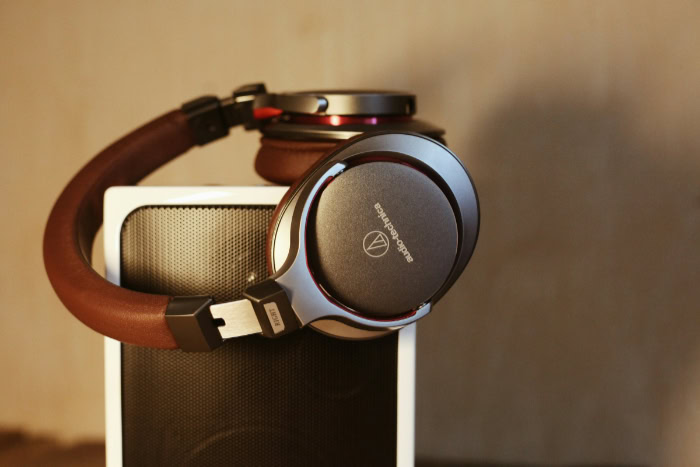
Price tags in the audio market vary wildly, from cheap checkout-aisle impulse buys to high-end luxury items. Establishing a firm financial boundary helps narrow down your options immediately.
Entry-Level (Under $50)
Shopping in this bracket requires setting realistic expectations. You are paying for essential functionality rather than premium materials or advanced software.
The goal is to find acceptable sound reproduction and basic build quality. While you might find rudimentary wireless capabilities, you will generally sacrifice features like Active Noise Cancellation or high-resolution codecs.
Products in this range are perfect as backup pairs or for younger users who might easily lose a more expensive device.
Mid-Range ($50 – $150)
This tier represents the consumer sweet spot and offers the highest overall value. You can easily find highly reliable wireless connections, decent active noise cancellation, and comfortable ear cushion materials.
Brands competing in this space pack their models with competitive features to stand out, meaning you get robust performance without draining your bank account. These models easily handle daily commuting, gym sessions, and casual listening with excellent proficiency.
Premium Flagships ($150 – $350+)
Entering the premium space means you are paying for cutting-edge technology and exceptional build quality. These models introduce advanced software tricks like spatial audio for immersive movie watching and adaptive ANC that automatically adjusts to your environment.
You are also buying premium aesthetics, with materials like brushed aluminum and supple leather replacing standard plastics. Furthermore, products in this tier offer seamless ecosystem integration.
Devices from brands like Apple, Sony, or Bose will effortlessly sync and pair with other hardware from their respective lineups.
Audiophile and Luxury ($400+)
The luxury tier caters to purists seeking reference-grade audio quality. Manufacturers at this level prioritize acoustic perfection over smart features.
You will often find boutique craftsmanship, hand-assembled components, and exotic materials like wood or aerospace-grade metals. These products frequently utilize specialized hardware, such as planar magnetic drivers, which respond to audio signals faster than traditional dynamic drivers.
This results in breathtaking clarity and detail, tailored specifically for those who view audio reproduction as an art form.
Conclusion
Finding the perfect pair of headphones is an entirely subjective experience. Before getting distracted by flashy marketing or specific brand names, take the time to clearly define your primary use-case and establish a firm budget.
By applying the practical framework outlined above, you guarantee a confident and highly satisfying audio investment that perfectly complements your daily routine.
Frequently Asked Questions
Are over-ear headphones better than earbuds?
Neither style is objectively better, because they serve completely different purposes. Over-ear models typically provide a wider soundstage and much longer battery life for extended listening sessions. Meanwhile, earbuds offer unmatched portability and convenience, making them ideal for rigorous exercise and daily commuting.
Do I really need active noise cancellation?
Active noise cancellation is highly recommended if you frequently commute, travel on airplanes, or work in a loud office environment. This technology digitally blocks out low-frequency background drones, allowing you to focus on your audio without turning the volume up to dangerous levels.
How long do wireless headphone batteries typically last?
Battery life varies significantly based on the physical design and your personal listening habits. True wireless earbuds generally offer five to eight hours of continuous playback per charge. Conversely, full-sized over-ear headphones can easily deliver anywhere from twenty to forty hours of uninterrupted listening.
Can I use wireless headphones for competitive gaming?
While wireless technology has improved, standard Bluetooth connections still suffer from minor audio lag. This slight delay can negatively impact fast-paced competitive gaming. For the best gaming experience, you should rely on a wired connection or specialized wireless headsets that use dedicated USB transmitters.
What does an IPX4 water resistance rating mean?
An IPX4 rating indicates that your specific audio device is protected against splashing water from any direction. This level of durability means the headphones will easily survive light rain or a sweaty workout at the gym, but they cannot be fully submerged in water.
About the Author: Julio Caesar


