
How Do Smartwatches Work? What Goes on Inside the Case
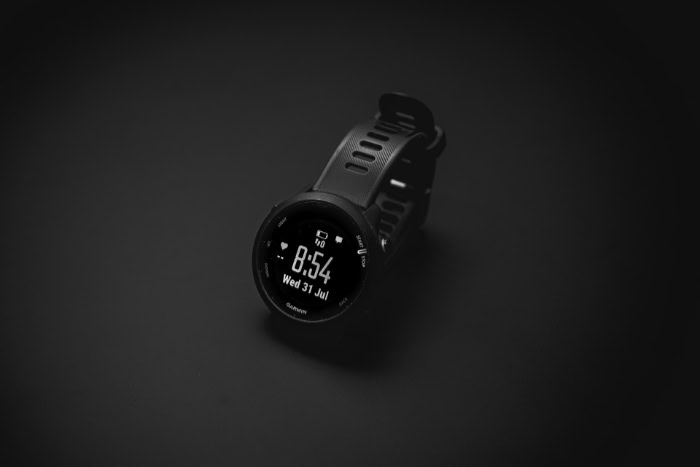
A modern smartwatch is far more than a timepiece; it is a sophisticated laboratory strapped to your wrist. Functioning as both a standalone computer and a critical extension of your smartphone, these devices manage everything from text messages to complex fitness metrics.
Users often wonder how a compact glass and metal casing can accurately measure blood oxygen or sync data instantly without a physical connection. The answer lies in a precise combination of miniaturized hardware and efficient software.
The Digital Tether: Connectivity and Synchronization
Most smartwatches rely on a constant stream of information shared with a smartphone to function effectively. This relationship allows the wearable to offload heavy processing tasks and access the internet without draining its own battery too quickly.
While the hardware on the wrist is impressive, the radio antennas inside determine how independent the device can truly be.
Bluetooth Low Energy Pairing
The primary lifeline for a wearable is Bluetooth Low Energy (BLE). This protocol is distinct from the standard Bluetooth used for streaming audio because it is designed to transmit small packets of data periodically rather than a continuous heavy stream.
BLE creates a power-efficient bridge that allows the phone to mirror notifications, messages, and calls to the watch. It also sends sensor data from the watch back to the companion app for storage.
Wi-Fi and Cloud Syncing
Bluetooth has a limited physical range. If a user walks to the other end of a house or office, that connection might drop.
To maintain functionality, smartwatches automatically switch to Wi-Fi if they recognize a known network. Once connected to the internet, the watch communicates with the cloud server associated with the user's account.
The phone does the same, allowing notifications and data to sync virtually even when the devices are miles apart.
Cellular Capabilities and eSIM
For users who wish to leave their phone behind entirely, specific models include an embedded SIM (eSIM). This programmable chip connects directly to LTE or 5G cellular networks just like a phone does.
It enables the watch to stream music, make calls, and download data completely independently. This feature requires a separate data plan and consumes significantly more power than Bluetooth or Wi-Fi.
Motion Sensors: Tracking Movement and Location

Quantifying physical activity requires a suite of microscopic components known as micro-electromechanical systems (MEMS). These sensors detect distinct forces and changes in velocity to determine if a user is walking, running, or sitting still.
The software then processes these raw signals to generate the step counts and activity rings users see on their screens.
The Accelerometer
The most fundamental sensor in any activity tracker is the accelerometer. This electromechanical device measures force across three axes to detect acceleration and vibration.
By analyzing the intensity and frequency of movement, algorithms can distinguish between the rhythmic impact of walking and random hand gestures. This sensor is also responsible for tracking sleep by monitoring stillness and micro-movements during the night, as well as detecting sudden, high-G impacts indicative of a hard fall.
The Gyroscope
While the accelerometer measures linear motion, the gyroscope measures orientation and rotation. This addition provides necessary context to the movement data.
It helps the watch recognize the specific rotation of the wrist used to wake the display. In fitness tracking, the gyroscope works alongside the accelerometer to identify specific swimming strokes or to tell the difference between a user running and a user simply waving their arms.
GPS and Altimeters
Outdoor activity tracking relies on Global Positioning Systems (GPS) and barometric altimeters. GPS modules triangulate signals from satellites to map running routes and calculate pace accurately without needing a phone.
Simultaneously, the barometric altimeter measures changes in air pressure. Since air pressure drops as elevation rises, the sensor can calculate how many flights of stairs a user has climbed or the altitude gained during a hike.
Biometric Sensors: Monitoring Health and Vital Signs

One of the most complex features of modern wearables is the ability to monitor biological processes non-invasively. The sensors located on the back of the watch case use light and electricity to see beneath the skin.
These components turn physical characteristics into digital data that algorithms can analyze for irregularities or trends.
Photoplethysmography
The green lights often seen flashing on the back of a smartwatch utilize a technology called photoplethysmography (PPG). Blood is red because it reflects red light and absorbs green light.
The optical sensor beams green LED light onto the wrist and measures the amount reflected back by the photodiode. When the heart beats, blood flow increases, and more green light is absorbed. By flashing these lights hundreds of times per second, the device calculates the exact heart rate in beats per minute.
Blood Oxygen Monitoring
To measure blood oxygen saturation (SpO2), the sensors employ a similar concept but use different wavelengths. Red and infrared light are shone into the wrist.
Oxygenated blood absorbs more infrared light and allows more red light to pass through, whereas deoxygenated blood does the opposite. The watch analyzes the ratio of light returning to the sensor to estimate the percentage of oxygen being carried in the bloodstream.
Electrical Heart Sensors
While optical sensors use light to guess blood flow, an electrocardiogram (ECG) feature measures the electrical timing of the heart. This requires a complete circuit.
The back of the watch touches the wrist, and the user touches a specific point on the watch, usually the crown or bezel, with a finger from the opposite hand. This creates a closed loop across the chest, allowing the device to record the electrical impulses that trigger heartbeats and scan for signs of atrial fibrillation.
The “Brain”: Operating Systems and Compatibility
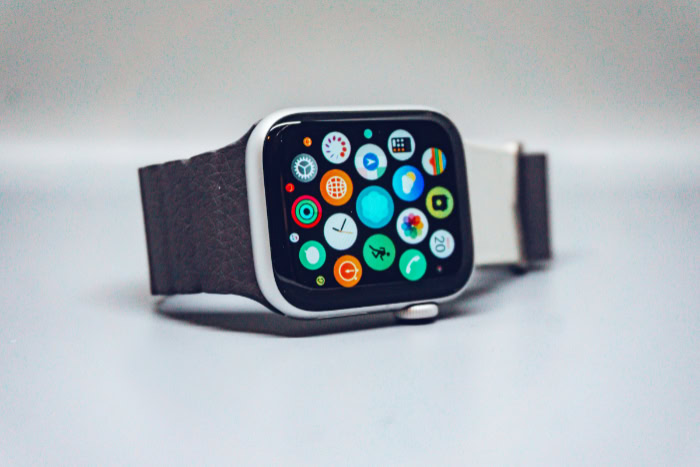
Hardware is useless without the logic to drive it. Inside every smartwatch is a complex computing environment that rivals the power of desktop computers from two decades ago.
This processing capability allows the device to manage incoming sensor data, drive the graphical interface, and execute applications instantaneously. The choice of internal components and software defines the user experience and dictates which smartphones can successfully pair with the wearable.
System on a Chip
Space is the most valuable resource inside a watch case. Engineers cannot use separate chips for the processor, graphics, and memory as they might in a laptop.
Instead, they utilize a System on a Chip (SoC). This single piece of silicon integrates the central processing unit, graphics driver, and wireless radios into one tiny component.
These chips are optimized for extreme efficiency. They must deliver snappy performance when the user raises their wrist but immediately drop into a low-power state to preserve battery life once the screen goes dark.
The Operating System Ecosystem
The software running on the SoC determines how the watch looks, feels, and functions. Major platforms like watchOS and Wear OS dictate the available library of applications and the design of the interface.
This software acts as the traffic controller for notifications and health data. It also manages third-party developers, allowing users to install distinct apps for weather, travel, or productivity directly onto the device.
Smartphone Compatibility
Smartwatches generally exist within specific ecosystems, often referred to as “Walled Gardens.” Manufacturers frequently design their wearables to work exclusively or best with their own smartphones.
For instance, an Apple Watch requires an iPhone to activate, while many Wear OS devices offer limited functionality if paired with iOS. The companion app installed on the phone serves as the bridge.
It takes the raw, noisy data collected by the watch and converts it into the readable trends and health charts displayed on the phone screen.
Output and Power: Display, Haptics, and Battery

The final piece of the puzzle is how the device interacts with the user and keeps running throughout the day. Creating a satisfying experience requires balancing a bright, responsive screen with the strict physical limitations of current battery technology.
Engineers must constantly trade energy consumption for performance to ensure the device lasts from morning until night.
Display Technology
Most high-end smartwatches utilize OLED or AMOLED screens. Unlike traditional LCDs that require a backlight for the entire panel, these technologies illuminate each pixel individually.
When a pixel displays black, it effectively turns off and consumes zero power. This characteristic allows for “Always-On” displays where the time remains visible without draining the battery significantly.
It also provides the high contrast and vibrancy necessary to read notifications in bright sunlight.
Haptic Feedback
Audible beeps can be intrusive in meetings or social settings. To solve this, smartwatches use linear actuators or “taptic engines” rather than simple spinning vibration motors.
These components move a mass back and forth to create precise vibrations that mimic the sensation of a physical tap on the wrist. This allows the device to communicate silently, offering different vibration patterns for text messages, alarms, or turn-by-turn navigation cues without making a sound.
Battery and Charging Mechanics
Powering a high-resolution screen and constant sensor arrays is a significant challenge given the size of the battery. Lithium-ion batteries have density limits, meaning a watch can only hold a small amount of energy.
To maintain water resistance, manufacturers avoid open charging ports like USB-C. Instead, they rely on magnetic inductive charging.
The user snaps a magnetic puck to the back of the watch, and energy transfers wirelessly through coils, keeping the internal electronics sealed against water and sweat.
Conclusion
It is remarkable to consider how many distinct fields of science are compressed into a single smartwatch chassis. What appears to be a simple accessory is actually a tight fusion of radio engineering, Newtonian physics, and biology.
Yet, the hardware is only half the story. The raw signals collected by accelerometers and optical sensors would be meaningless noise without the sophisticated algorithms that interpret them.
The true utility lies in translating millions of data points into simple notifications that suggest recovery times or flag irregular heart rhythms. The wristwatch has evolved from a passive object that merely observed the passing of time into an active participant in daily life.
It no longer just tells you when a meeting starts; it ensures you are physically healthy enough to attend it.
Frequently Asked Questions
How accurate are smartwatch heart rate monitors?
Optical heart rate sensors are generally accurate for daily use and resting measurements, often falling within a 5% margin of medical-grade chest straps. However, high-intensity interval training or a loose fit can disrupt the light signal. These devices rely on green LED reflection to measure blood flow changes through the skin.
Can a smartwatch work without a smartphone?
Many models function independently if they have an active cellular plan or a Wi-Fi connection. Watches with built-in GPS can also track outdoor workouts and store music locally without a phone. However, you typically still need a smartphone to perform the initial setup and to view detailed historical health data.
How does a smartwatch track sleep stages?
The device uses accelerometers to detect your movement patterns and optical sensors to track heart rate variability. By combining data on how still you are with your pulse rate, the software estimates if you are awake, in light sleep, or deep in REM cycles. It essentially interprets physical relaxation levels.
Are smartwatches waterproof?
Most smartwatches are water-resistant rather than fully waterproof. They rely on distinct physical seals and acoustic water-ejection systems to keep moisture out during swimming or showering. Manufacturers rate them by pressure tolerance (e.g., 5 ATM). High-velocity water, steam, or soap can eventually degrade these protective barriers over time.
Do smartwatches use their own data plan?
Watches only use their own cellular data if you purchase a specific model with LTE capabilities and an active eSIM plan. Standard models piggyback on the smartphone's internet connection via Bluetooth to receive notifications. This method saves battery life and avoids the need for a separate monthly subscription.
About the Author: Julio Caesar


