
How to Avoid Counterfeit Products Online: Spot the Scams

The convenience of global e-commerce has made shopping easier than ever, but it has also created a booming market for counterfeit goods. Falling for these sophisticated scams can cost you hard-earned money and expose you to dangerous, unregulated materials.
Shady sellers exploit digital marketplaces to distribute convincing replicas to unsuspecting buyers around the world. As these fraudulent operations grow more advanced, relying solely on platform protections is no longer enough to guarantee authenticity.
Consumers must adopt a proactive defense to spot the hidden warning signs before clicking the checkout button.
Key Takeaways
- Counterfeit products cause significant financial loss and introduce severe health hazards through toxic ingredients or fire risks from uncertified electronics.
- Extreme price drops below a manufacturer’s suggested retail price and listings with generic, watermarked images are primary indicators of fake goods.
- Always cross-reference a merchant with the official brand’s authorized dealer directory before purchasing to guarantee the item’s authenticity.
- Use credit cards instead of direct wire transfers to secure robust chargeback rights and protect your funds against fraudulent sellers.
- Verify received items by inspecting the packaging for spelling errors, scanning holographic security seals, and confirming unique serial numbers directly through the brand’s database.
The Counterfeit Threat Landscape
Counterfeit products pose a broad and sophisticated threat that extends far beyond a simple bait and switch. The production and sale of fake goods impact the global economy, consumer safety, and the rights of legitimate creators.
Recognizing the full scope of this issue is the first step in protecting yourself from fraudulent sellers who operate across various online platforms.
Financial Loss and Fraud
Buying a counterfeit item results in an immediate financial hit. You spend hard-earned money on a substandard, non-functional replica that lacks any valid warranty.
If the item breaks, you have no recourse with the original manufacturer. Furthermore, engaging with counterfeit storefronts often exposes you to severe cyber risks.
Fraudulent sellers routinely harvest payment information, leading to unauthorized credit card charges and widespread identity theft.
Safety and Health Hazards
The danger of fake products goes beyond lost money. Unregulated items pose severe health risks, particularly in categories like cosmetics, pharmaceuticals, and baby products.
Counterfeit makeup often contains toxic ingredients, while fake medicines lack the correct active compounds or include harmful additives. Consumer electronics, such as chargers and batteries, are equally dangerous when fabricated without strict safety standards.
These uncertified devices frequently bypass thermal regulation protocols, resulting in electrical fires, explosions, and severe property damage.
Impact on Brand Integrity and Fair Trade
The proliferation of knockoffs inflicts heavy damage on authentic manufacturers, innovators, and local businesses. Legitimate companies invest heavily in research, development, and quality control.
Counterfeiters steal this intellectual property, undercutting sales and ruining brand reputations when buyers mistake a poor-quality fake for the real thing. Additionally, counterfeit production networks operate entirely outside of legal regulations.
These operations routinely exploit workers, ignore basic safety protocols, and violate ethical labor standards.
Indicators of Fake Online Offers
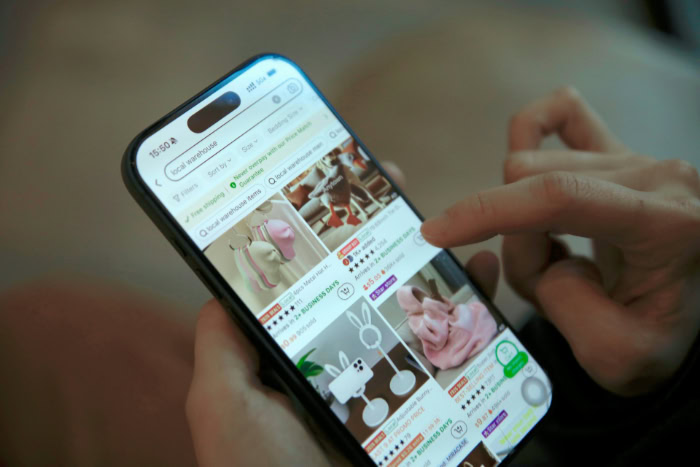
Scammers rely on specific tactics to lure in unsuspecting shoppers. While they work hard to make their listings look authentic, there are usually subtle signs that reveal a fraudulent offer.
Learning to spot these red flags will help you avoid falling into the trap of purchasing a counterfeit item.
Extreme Price Discrepancies
A primary warning sign is a price that falls significantly below the manufacturer’s suggested retail price. Scammers use heavily discounted prices to trigger impulsive buying behavior.
It is important to distinguish between legitimate promotional discounts and prices that are simply too good to be true. Authentic brands rarely slash their prices by massive margins unless it is a well-publicized clearance event.
If a high-end item is listed for a fraction of its normal cost, you are likely looking at a counterfeit.
Suspicious Product Descriptions and Imagery
Fraudulent listings often feature poorly written text. You should watch for grammatical errors, awkward translations, and repetitive search term usage designed solely to manipulate search algorithms.
The visual elements of the listing also offer clues. Counterfeiters frequently use low-resolution images, generic stock photos, or pictures heavily watermarked by other websites.
Authentic sellers invest in high-quality, professional photography and provide clear, accurate, and detailed descriptions of their products.
Manipulation of Customer Reviews
Fake reviews are a common tool used to artificially inflate the credibility of a counterfeit product. Be cautious of listings that show a sudden influx of five-star feedback over a short period.
Automated or paid reviews often feature repetitive language, generic praise that lacks specific product details, and profiles with no other platform activity. Reading the one-star and two-star reviews can provide a more accurate picture, as these often contain complaints about poor quality or fake goods from genuine buyers.
Verification of Sellers and Platforms

Ensuring the legitimacy of the person or entity selling an item is a crucial part of safe online shopping. Even if a product listing looks flawless, the seller behind it might be running a sophisticated scam.
Verifying merchants and platforms provides an extra layer of security before any money changes hands.
Authorized Dealer Directories
One of the most effective ways to guarantee authenticity is by using official brand websites to cross-reference authorized distributor lists. Most reputable brands maintain a public directory of their licensed regional and global merchants.
Before buying a branded item from an unfamiliar online store, check the manufacturer’s official registry. If the seller does not appear on this list, you take a significant risk by purchasing from them.
Security Audits of Standalone E-Commerce Websites
When shopping on an independent website, you should always check the site’s security credentials. Verify that the web address uses the secure connection protocol (HTTPS) and features a valid digital security certificate.
Beyond technical security, look for transparent business practices. A legitimate store will display clear contact information, a physical address, detailed return policies, and verifiable business registration details.
Sites lacking these fundamental elements are highly suspicious.
Third-Party Seller Evaluation on Major Marketplaces
Large retail platforms host thousands of independent third-party merchants alongside their own direct inventory. You must always distinguish between items sold and shipped by the platform itself versus those handled by outside sellers.
Take the time to assess third-party seller ratings, read their historical performance feedback, and review their business entity profiles. A seller with a recently created account, minimal feedback, or a history of sudden name changes requires extreme caution.
Safe Transaction Practices

The way you pay for an item and the information you provide during checkout can either protect you from fraud or expose you to substantial risk. Establishing secure transaction habits ensures that your financial data remains safe even if a merchant turns out to be dishonest.
Payment Method Selection
The method you choose to fund your purchase makes a tremendous difference in your level of consumer protection. Credit cards and secure payment processors offer significant advantages over direct bank transfers or wire services.
Major financial institutions provide robust chargeback rights and fraud protection policies. If you receive a counterfeit product and the seller refuses a refund, your credit card issuer can often step in to reverse the charge and recover your funds.
Verification of Fulfillment Methods
Understanding how a product reaches your doorstep is just as important as knowing who you bought it from. Different shipping and distribution channels carry varying levels of risk.
Be particularly cautious regarding co-mingled inventory practices in third-party logistics warehouses. Some large platforms bin identical items from multiple sellers together.
This means you could purchase from a reputable merchant but still receive a fake item supplied by a rogue seller sharing the same warehouse bin.
Account and Personal Data Protection
Limiting the amount of personal data you share is a vital defensive tactic. Avoid using guest checkout options on unfamiliar websites, as this sometimes makes it harder to track orders or dispute transactions later.
However, when creating an account on a new merchant site, prioritize credential security. Use strong, unique passwords rather than recycling credentials from your bank or primary email accounts.
This practice ensures that a potential data breach on a shady retail site will not compromise your more sensitive personal accounts.
Post-Purchase Verification and Dispute Processes

Your vigilance should not end once the checkout process is complete. Inspecting the item upon arrival and knowing how to handle a fraudulent purchase are vital steps in protecting yourself.
Having a clear plan for verification and dispute resolution will help you recover your funds if a fake slips through your initial defenses.
Physical Inspection and Package Audits
When your order arrives, perform a thorough inspection of the packaging and the product itself. Look for discrepancies such as flimsy package quality, spelling errors on labels, or missing instruction manuals.
Authentic brands maintain strict quality control standards. You should compare the item’s weight, materials, and overall build quality against official manufacturer specifications.
Seams, zippers, logos, and hardware are common areas where counterfeiters cut corners.
Authenticity Verification Tools and Registries
Many brands now provide specialized tools to help consumers confirm their purchases. You can deploy manufacturer-specific verification apps to scan QR codes or check holographic security seals included on the packaging.
Additionally, high-value items often feature unique serial numbers. Cross-referencing these serial numbers directly with brand databases will instantly reveal whether the item is genuine or a sophisticated replica.
Refund Requests and Dispute Resolution
If you determine that an item is fake, you must act quickly to secure a refund. Document the counterfeit claims meticulously by taking clear photos of the fake product, its packaging, and any side-by-side comparisons with authentic specifications.
Use this evidence to initiate a dispute through the retail platform or your credit card issuer. Finally, follow the proper reporting procedures to alert consumer protection agencies and the original brand’s intellectual property department so they can take action against the fraudulent seller.
Conclusion
Protecting yourself from counterfeit products requires constant vigilance at every stage of the online shopping process. By combining a logical assessment of prices and seller credentials with safe digital payment practices, you can effectively shield your finances and personal data.
Staying alert to suspiciously low prices, verifying merchant legitimacy before checking out, and rigorously inspecting packages upon arrival form a comprehensive defense against scams. Maintaining this careful balance ensures that you can navigate digital marketplaces confidently while successfully securing authentic, safe, and high-quality goods.
Frequently Asked Questions
How can I tell if a price is too low and likely a fake?
You should compare the listed cost against the manufacturer’s suggested retail price. If an item is discounted by a massive margin outside of a major authorized clearance event, it is almost certainly a counterfeit. Authentic luxury brands rarely slash their prices so drastically.
What is the safest way to pay for things online to avoid scams?
Using a major credit card is the most secure method for online purchases. Credit card companies offer strong fraud protection policies and chargeback rights. If a seller sends you a fake product and refuses a refund, your bank can easily reverse the fraudulent transaction.
Why do fake products have so many five-star reviews?
Scammers use automated bots and paid services to artificially inflate their product ratings. These fake reviews usually feature repetitive phrasing and lack specific details about the item. Reading the one-star and two-star comments gives you a much more accurate picture of the actual product quality.
What should I look for when my package actually arrives?
You must inspect the physical packaging for flimsy materials, misspelled words, or missing instruction manuals. Authentic manufacturers maintain very strict quality control over their boxes and labels. You can also verify authenticity by scanning any included QR codes or holographic security seals.
How do I get my money back if I accidentally bought a knockoff?
You need to immediately document the fake item with clear photos and file a dispute. Submit this evidence to the marketplace platform or contact your credit card issuer to initiate a chargeback. You should also report the fraudulent seller to the original brand to prevent future scams.
About the Author: Julio Caesar


