
How to Quit Social Media: A Practical Exit Strategy

You unlock your phone to check the weather. Thirty minutes later you are paralyzed by a doomscroll loop and wondering where the time went.
This constant erosion of focus is not a personal failure or a lack of discipline; it is a deliberate design feature. Silicon Valley engineers constructed these platforms to exploit human psychology and ruthlessly monetize your attention. It is time to stop being the product.
Walking away offers immediate benefits like clearer thinking, reduced anxiety, and genuine connection. While the transition requires effort, the reward is reclaiming your autonomy.
Assessing Your Digital Footprint
Before making any changes, you need a clear picture of your current relationship with technology. Most users underestimate their consumption, so looking at the raw data provides the necessary wake-up call to prompt action.
This phase is about honesty and recognizing the habits that have formed over years of mindless scrolling.
Conducting a Time Audit
The first step is confronting the cold, hard numbers. Open the “Screen Time” feature on iOS or “Digital Wellbeing” settings on Android to see exactly how many hours you surrender to your device daily.
Do not just look at the daily average; calculate the weekly and yearly totals to feel the weight of that lost time. Notice when your usage spikes.
You might find your heaviest usage occurs immediately after waking up, during lunch breaks, or in the late hours before sleep.
Identifying Psychological Triggers
Every time you unlock your phone, you are trying to solve a problem. Usually, that problem is boredom, loneliness, anxiety, or a need for external validation.
Pay attention to what emotion precedes the urge to scroll. You should also identify which specific platforms cause the most distress.
You might find that X (formerly Twitter) makes you angry or Instagram makes you feel inadequate. Pinpointing these triggers helps you understand that you are not just fighting an app; you are fighting a coping mechanism.
Defining Your Terms
Quitting looks different for everyone. You must decide if you are aiming for total digital abstinence or a form of minimalism where you only keep essential tools.
Some users choose to delete every account, while others simply remove the apps from their phones to restrict usage to desktop computers. You also need to set a timeline.
Some people prefer the “cold turkey” method to break the cycle immediately, while others find a gradual weaning process less shocking to their system.
The Departure Strategy

Leaving social media requires more than just willpower; it demands a tactical approach to ensure you do not lose valuable memories or connections. This stage is about securing your data and dismantling the mechanisms that keep you hooked.
By handling the logistics upfront, you remove the fear of losing your digital history.
Preserving Your History
You do not have to lose your photos or messages just because you are leaving a platform. Major services like Facebook, Instagram, and X offer tools to download a complete archive of your data.
Request these files well in advance, as compiling them can take days. Once downloaded, save them to a hard drive or cloud storage service.
Additionally, ensure you have offline contact information for the friends you actually want to keep. Send a direct message asking for phone numbers or email addresses so your connection is not dependent on a third-party app.
Deactivation vs. Deletion
It is vital to distinguish between deactivating an account and deleting it. Deactivation is a temporary pause; your profile is hidden, but all your data remains on the server waiting for your return.
Deletion is permanent removal. If you choose deletion, be aware of the “grace period” most platforms enforce.
They will often keep your account in a suspended state for 30 days before erasing it, banking on the hope that you will log back in and cancel the process.
Removing Access Points
Once you have secured your data and made your decision, you must increase the friction between you and the platforms. Delete the apps from your smartphone and tablet immediately.
If you are keeping your accounts but limiting access, use website blockers or browser extensions on your computer to prevent mindless checking. clear your saved passwords and autofill data from your browser.
Making yourself manually type a password every time you want to log in creates a small barrier that gives you time to reconsider the action.
Managing the Detox Phase
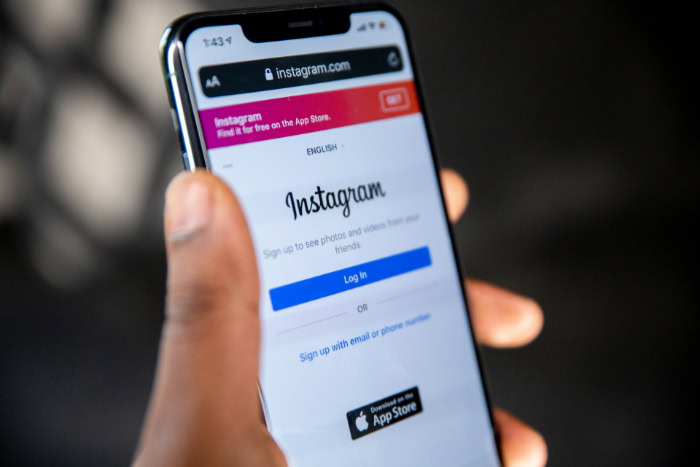
Once the apps are gone, the immediate silence can feel unsettling rather than peaceful. Your brain has grown accustomed to constant stimulation, and breaking that cycle triggers specific physical and emotional responses.
Being prepared for these withdrawal symptoms makes them easier to endure without relapsing.
Coping with the Dopamine Drop
You will likely experience the “phantom buzz,” where you feel your phone vibrate in your pocket even when it is not there. This is your brain anticipating a dopamine hit.
You may also feel irritable, restless, or unable to focus on simple tasks. These are standard withdrawal symptoms.
Recognize them for what they are: signs that your brain is recalibrating its reward system. Do not fight the feeling; acknowledge it and let it pass without reaching for a device.
Confronting FOMO
The Fear of Missing Out is the most common psychological hurdle. You must accept that you will miss breaking news, viral memes, and status updates.
However, you can reframe this loss. Missing out on the digital noise means you are gaining presence in the real world. This is often called the Joy of Missing Out (JOMO).
You are trading trivial information for tangible time and mental clarity.
Handling Social Anxiety
A major fear is that you will become irrelevant or forgotten by your peer group if you are not visible online. It is helpful to prepare a simple, non-defensive script for when people ask where you have been.
A phrase like “I'm taking a break to focus on offline projects” usually suffices. You will find that true friends will make the effort to reach out via text or call, while the loose connections that only existed for likes will naturally fade away.
Restructuring Daily Habits

Removing social media creates a vacuum in your day. If you do not actively fill this void with meaningful activities, you will likely slide back into old patterns out of sheer boredom.
This phase is about deliberately designing an environment that supports your new lifestyle and retraining your brain to find satisfaction in the offline world.
Creating an Analog Environment
Your physical space dictates your digital behavior. The most effective change you can make is banning your smartphone from the bedroom.
Buy a traditional alarm clock. This simple switch prevents the morning doomscroll and ensures you start your day with your own thoughts rather than someone else's feed.
You should also prepare for the inevitable moments of waiting, such as standing in line or riding the bus. Carry physical “boredom busters” like a paperback book, a sketchbook, or a crossword puzzle.
Having these items on hand gives your hands and mind something to do that does not involve a screen.
Restoring Deep Focus
Years of rapid-fire content consumption have likely fragmented your attention span. Rebuilding the ability to focus requires practice.
Start by relearning how to single-task. Read a long-form article or watch a movie without glancing at a second screen.
If your mind wanders, gently bring it back to the task at hand. It also helps to engage in “flow state” hobbies that require physical manipulation and full attention, such as cooking, woodworking, gardening, or high-intensity exercise.
These activities ground you in the physical moment and provide a neurochemical reward that rivals any digital notification.
Intentional Information Consumption
Living without social media does not mean remaining ignorant of current events. It simply means moving from a “push” model, where algorithms force-feed you content, to a “pull” model, where you actively seek information.
Switch to direct sources like RSS feeds, specific news websites, or curated email newsletters. Schedule specific windows for checking these sources, perhaps once in the morning and once in the evening.
This approach keeps you informed without subjecting you to the constant, anxiety-inducing drip of 24-hour breaking news.
Maintenance and Relapse Prevention

The initial enthusiasm of quitting will eventually fade. When willpower runs low, you need robust systems to prevent you from reinstalling the apps “just for a second.”
Long-term success depends on building a social life that functions without a platform and establishing strict boundaries for any necessary digital interaction.
Socializing Without the Feed
Many people fear that leaving social media means losing their social life. To prevent this, you must become proactive.
Do not wait for a Facebook event invite to know what is happening. Initiate direct contact by calling or texting friends to make plans.
You also need to cultivate “third places,” which are physical locations separate from work and home where you can exist socially. Spend time in cafes, join local clubs, or visit parks to satisfy the fundamental human need for community presence without a digital intermediary.
Establishing Guardrails
If your job or specific circumstances require you to maintain a social media presence, you must establish strict rules of engagement. Treat these platforms solely as professional tools.
Log in to post or reply to business inquiries, then immediately log out. Do not scroll.
For your personal time, consider using hardware solutions to enforce your boundaries. Switch to a “dumb phone” on weekends or use a timed lock box to physically sequester your smartphone during dinner or family time.
These physical barriers serve as a final line of defense when your self-control wavers.
Conducting Regular Check-ins
Digital addiction is subtle and can return slowly. You might start by checking the news more often, then move to watching random videos, and eventually find yourself back in the loop.
Combat this “usage creep” by scheduling monthly reviews of your mental health and productivity. Ask yourself if you feel clearer, calmer, and more present.
If you notice your screen time creeping up, implement a mini-detox immediately to reset your baseline. Reminding yourself regularly why you quit is the best way to ensure you stay free.
Conclusion
Moving from digital dependency to personal autonomy requires a fundamental change in how you view your time. You have successfully identified the psychological hooks, executed a technical exit, and learned to sit with the discomfort of boredom.
This transition restores your ability to direct your own attention rather than having it harvested for profit.
It is essential to remember that social media is a recent invention. For the vast majority of human history, people built communities, created art, and found purpose without broadcasting every moment to a digital audience.
These platforms are merely tools; they do not define your worth or your existence. Life functioned effectively before the feed, and it will continue to do so after you log off.
Walking away might feel isolating at first, but do not mistake withdrawal for loss. That initial unease is simply the price of admission for a clearer, slower, and more authentic life.
You are trading the illusion of connection for the reality of presence.
Frequently Asked Questions
Will I lose touch with my friends if I quit social media?
You might lose contact with loose acquaintances, but your close relationships often improve without the digital noise. True friends will happily switch to texting or calling once they know you are offline. You simply need to make the first move to schedule hangouts or calls instead of waiting for passive updates.
Is it better to go cold turkey or limit screen time gradually?
Quitting cold turkey usually yields better long-term results because it breaks the compulsive loop immediately. Gradual weaning often fails because the algorithms are designed to pull you back in during your allowed usage windows. A complete break allows your brain to fully reset its attention span and rewire your habits.
What is the difference between deactivating and deleting an account?
Deactivation is a temporary measure where your profile is hidden but your data remains saved on the server for future reactivation. Deletion is a permanent action that erases your photos, messages, and profile information forever. Most platforms enforce a 30-day grace period before finalizing the deletion process.
Can I quit social media but keep it for work?
Yes, but you must establish strict boundaries to prevent personal scrolling during business hours. Remove the apps from your phone and only access the platforms via a desktop computer to add friction. You can also use browser extensions that block the news feed while still allowing access to necessary messaging tools.
About the Author: Elizabeth Baker


