
Is 64GB RAM Overkill? What You Actually Need

Most PC builders no longer consider 16GB of memory sufficient for a high-end system. As 32GB becomes the new baseline, the temptation to jump to 64GB has never been stronger.
However, buying more RAM is not the same as buying a faster graphics card; extra capacity provides no benefit if your applications never touch it. For many, that extra 32GB kit is nothing more than a glorified placeholder that eats into the budget for other components.
We evaluate the actual impact of high-capacity kits on gaming, 4K video editing, and complex virtualization.
Key Takeaways
- Most gamers and general users find 32GB more than enough for current and upcoming software.
- Extra RAM does not speed up a PC if the current capacity is not fully utilized.
- 64GB is a requirement for professional 4K or 8K video editing and heavy 3D rendering.
- Large memory kits can cause stability issues or lower clock speeds on modern motherboards.
- Prioritize faster memory speeds over high capacity unless your specific workload demands the extra space.
How RAM Capacity Influences Performance
RAM functions differently than a CPU or GPU because it does not provide a direct speed boost by simply existing in large quantities. It acts as a temporary holding area for data that your processor needs to access instantly.
If your system has enough memory to hold all active data, adding more will not make the computer faster. However, if you run out of space, the system must swap data to your much slower storage drive, causing significant lag.
The Hardware Ceiling Effect
Think of RAM as a physical workbench. If your current project fits comfortably on a small desk, upgrading to a massive table will not help you finish the work any faster.
You only see a benefit when your project becomes too large for the smaller surface. In computing, this is the ceiling effect.
Once your applications have the 16GB or 32GB they require to run at peak efficiency, the remaining capacity sits idle, offering zero improvement to frame rates or render times.
Operating System Memory Usage
Users often look at Task Manager and see that their 64GB system is using 12GB just sitting at the desktop, leading them to believe they need the extra space. Modern versions of Windows use a technique called caching, where the OS pre-loads frequently used files into “Standby” memory.
This makes the system feel snappier by using available RAM that would otherwise go to waste. It is a proactive use of resources, not a sign that the basic system requirements have ballooned.
Capacity versus Speed and Latency
There is often a trade-off between total volume and raw speed. A 32GB kit of high-frequency DDR5 memory with tight timings usually outperforms a 64GB kit with slower speeds in gaming and general use.
Higher capacity kits are harder for the processor to manage, which often forces the user to run the memory at lower clock speeds to maintain stability. For the average user, a faster 32GB kit is a better investment than a slower, massive 64GB pool.
Gaming Performance and Real World Benefits

The gaming community has debated memory requirements for years, but the actual data suggests that the move to 64GB is still unnecessary for most titles. Most modern games are developed with console hardware in mind, which typically features a shared memory pool.
Because of this architectural limit, developers optimize their games to fit within specific footprints, rarely pushing beyond the 16GB to 24GB range on a PC.
Benchmarking Modern AAA Titles
Testing across the latest high-fidelity titles shows that 32GB is the current sweet spot for performance. While some games might show a tiny improvement in 1% low frame rates when moving from 16GB to 32GB, the jump to 64GB almost never results in a measurable gain in average FPS.
Most game engines are not yet designed to utilize such a massive amount of system memory, meaning the extra sticks of RAM are essentially dormant during gameplay.
Simulation and Modding Exceptions
There are specific genres where the 64GB threshold becomes relevant. Flight simulators, such as Microsoft Flight Simulator 2020, load massive amounts of geographical data and textures that can easily overwhelm 32GB.
Similarly, grand strategy games like Cities: Skylines or heavily modded versions of titles like Skyrim or Fallout can see performance gains with more memory. If you plan to load thousands of custom assets into a simulation, 64GB transitions from a luxury to a functional requirement.
High Intensity Multitasking
The real value of 64GB for a gamer often lies outside the game itself. If you are a streamer who runs OBS Studio, a camera feed, multiple browser tabs, Discord, and music software all while playing a demanding game, your memory usage will climb quickly.
Having a larger buffer prevents the system from stuttering when you Alt-Tab or switch between windows. For the dedicated content creator, this overhead provides a level of stability that standard kits cannot match.
Professional Workloads and Productivity

In the professional world, the conversation around RAM changes entirely. For workstation tasks, memory is often the primary bottleneck that determines how quickly a project can be completed.
In these scenarios, 64GB is frequently viewed as a baseline requirement rather than an enthusiast upgrade. When dealing with massive files, the ability to keep all data in active memory prevents the system from slowing down during critical operations.
High Resolution Video Production
Video editors working with 4K or 8K footage rely heavily on RAM for timeline scrubbing and playback. Software like Adobe After Effects uses a feature called RAM Preview, which stores rendered frames in the system memory so they can be played back in real-time.
The more RAM you have, the longer your preview can be. In a high-end production environment, 32GB can vanish in seconds, making 64GB or even 128GB essential for an efficient workflow.
3D Design and Rendering
For 3D artists using Blender, Maya, or Cinema 4D, RAM is vital for managing complex scenes. High-resolution textures, complex geometry, and advanced lighting data all take up space.
If a scene exceeds the available RAM during a render, the software may crash or revert to “swap” space, which can turn a one-hour render into a ten-hour ordeal. A 64GB kit provides the breathing room necessary to work on professional-grade assets without constant technical interruptions.
Software Development and Virtualization
Developers who work with virtualization or containerization often find 32GB insufficient. Running multiple Docker containers or several Virtual Machines (VMs) simultaneously carves up your system memory into smaller, dedicated chunks.
Similarly, those working with local Large Language Models or data science datasets need massive amounts of memory to hold the models in an active state. For these users, 64GB is a tool of the trade that directly impacts their daily productivity.
Technical Challenges of High-Capacity Memory

Buying a high-capacity kit often brings hidden technical complications that can frustrate even experienced builders. It is not just about plugging in more sticks; the interaction between the motherboard, processor, and memory becomes significantly more complex as you push toward 64GB and beyond.
These hurdles can sometimes lead to a system that feels less stable than one with a more modest amount of RAM.
Stress on the Memory Controller
The Integrated Memory Controller inside your CPU is responsible for managing every piece of data moving in and out of your RAM. When you populate all four slots on a motherboard or use high-density modules, you place a much higher electrical load on this controller.
This often results in a lower maximum stable frequency. Many users find that while a 32GB kit runs perfectly at high speeds, a 64GB kit might force the system to lower the memory frequency just to boot successfully.
Stability Issues with DDR5
The transition to DDR5 has made high-capacity configurations even more sensitive. Modern platforms often struggle to maintain high XMP or EXPO speeds when more than two modules are used.
Achieving the advertised speeds on a 64GB setup requires a high-quality motherboard and a lucky win with the processor’s silicon quality. Without careful manual tuning, a user might end up with a high-capacity system that is actually slower in real-world tasks due to the need for relaxed timings or lower clock speeds.
Diminishing Returns and Opportunity Cost
Every dollar spent on a PC build has an opportunity cost. If you are building a system on a fixed budget, opting for 64GB of RAM might mean settling for a lower-tier graphics card or a smaller storage drive.
Since the performance benefits of extra RAM are non-existent once your basic needs are met, that money is effectively wasted. Investing in a faster GPU or a more robust cooling solution almost always yields a better experience for the average user than a massive memory pool that never gets full.
Finding Your User Profile: How Much Memory Do You Need?
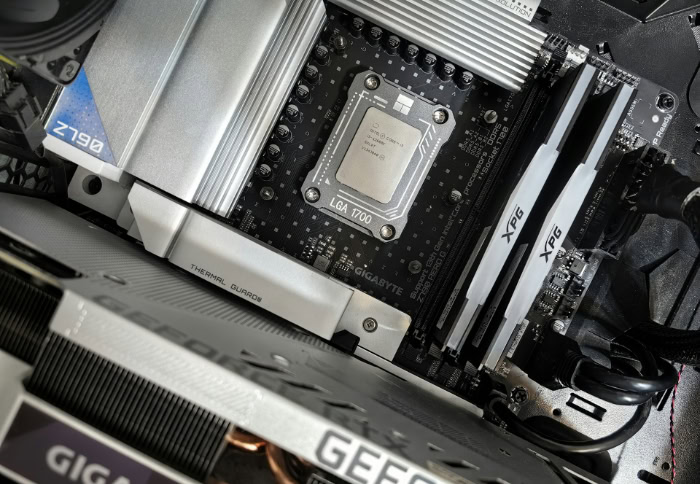
Determining the right amount of memory requires an honest assessment of your daily habits and professional requirements. While marketing might suggest that more is always better, the ideal configuration is one that provides enough headroom for your specific tasks without overspending on unused capacity.
The Standard User
For people who focus on gaming, web browsing, and general office productivity, the 16GB to 32GB range remains the most sensible choice. Most modern games run perfectly within this envelope, and 32GB provides more than enough room for dozens of browser tabs and background applications like Discord or Spotify.
At this level, you get the best balance of price and performance without any of the stability headaches associated with high-density kits.
The Prosumer
This category includes users who push their hardware beyond basic entertainment. If you are a hobbyist video editor, a dedicated streamer, or someone who works from home with dozens of enterprise applications open at once, 64GB might be a justifiable upgrade.
These users often see their memory usage hover near the limit of a 32GB kit during heavy sessions. Moving to 64GB ensures that the system never has to swap data to the drive, keeping the interface responsive during intensive multitasking.
The Workstation Professional
There are certain fields where 64GB is the absolute floor. If your work involves 8K video editing, complex 3D rendering, or running several virtual machines for software development, you likely already know that your applications are memory-hungry.
In industrial and scientific environments, where datasets are massive and stability is paramount, the priority is having enough capacity to prevent system crashes. For these users, the extra cost and technical hurdles of 64GB are necessary trade-offs for a functional workstation.
Conclusion
For the vast majority of people, 64GB of RAM is an unnecessary luxury that offers no measurable performance boost. Most software and games are built to run within a 16GB or 32GB footprint.
Spending extra money on excess capacity often results in a slower system if it forces you to sacrifice the quality of your GPU or the speed of your storage. A balanced build that focuses on component quality and memory frequency will provide a much more responsive experience.
Only those working in high-end production, data science, or complex virtualization should consider 64GB a necessity. For everyone else, 32GB remains the ideal sweet spot for modern computing.
Frequently Asked Questions
Does more RAM improve my FPS in games?
Generally, adding more memory will not increase your average frames per second once you have reached the 16GB or 32GB threshold. Most games do not utilize enough data to fill a 64GB pool. You will only see an improvement if your current system is stuttering due to a total lack of available memory.
Why does Windows show high memory usage with 64GB installed?
Modern operating systems use available RAM to cache frequently accessed files and background processes. This proactive approach makes the system feel faster by using memory that would otherwise sit empty. High idle usage is often a sign of efficient resource management rather than a genuine need for a massive 64GB capacity.
Should I use two sticks or four sticks for 64GB?
Two sticks are almost always better for system stability and speed. Using four modules places a higher electrical load on the processor, which can lead to crashes or lower clock speeds. Most modern motherboards perform at their best when only two high-speed memory slots are populated by a matched pair.
Is 32GB enough for video editing?
For standard 1080p or basic 4K editing, 32GB is usually sufficient for a smooth experience. However, if you work with high bit-rate 4K footage or utilize complex After Effects compositions, you will likely hit the limits of 32GB quickly. Professionals in these fields benefit significantly from the headroom of 64GB.
Can I mix different RAM brands to reach 64GB?
Mixing different brands or models of RAM is risky and can lead to system instability. Even if the speeds look identical, the internal timings and hardware components might vary. For the best results, always buy a matched kit from a single manufacturer to ensure all modules work perfectly together at advertised speeds.
About the Author: Julio Caesar


