
Open-Back vs. Closed-Back Headphones: What You Must Know

Staring at headphone packaging often leads to more questions than answers. You see specs for “open-back” and “closed-back” models sitting side by side with identical price tags.
At first glance, the difference seems minor. It all comes down to the ear cup enclosure.
Yet this simple structural choice dictates everything about your audio experience. It is rarely a question of which design is technically superior.
Instead, the real decision balances complete isolation against immersive spatial depth. One design physically blocks the chaos of the outside world.
The other lets the music breathe as if you were sitting in a concert hall. Choosing correctly requires knowing your environment and your listening habits.
The Design
The distinction between these two headphone types begins with their physical build. While the headband, ear pads, and cabling often look identical, the back of the ear cup tells the whole story.
This structural choice is not merely aesthetic. It dictates how the driver interacts with air and sound waves.
Manufacturers build these devices with specific goals in mind. One design prioritizes containment and protection.
The other prioritizes airflow and openness.
Closed-Back Construction
Closed-back headphones are likely what you picture when you imagine a standard pair of headphones. The driver is completely encased within a solid outer shell, usually made of plastic, metal, or wood.
This shell creates a sealed chamber behind the speaker driver. Because the back is solid, sound waves cannot escape outward.
Instead, they bounce off the enclosure and are directed back toward your ear. This design traps air inside the cup.
The trapped air acts almost like a spring or cushion for the driver, which significantly influences the final sound signature.
Open-Back Construction
Open-back models look distinctly different because the back of the ear cup is not solid. Instead, you will see grills, mesh, perforations, or louvers that expose the driver to the outside world.
You can often see the internal components through the housing. The primary function of this design is to allow air and sound waves to pass through freely.
There is no pressure build-up inside the cup because the back is completely breathable. Sound generated by the driver radiates in two directions: toward your ear and out into the room.
Durability Factors
The structural differences inherently affect how fragile the headphones are. Closed-back models are generally more robust.
The solid shell protects the delicate internal driver from dust, moisture, and physical impact. You can toss a pair of closed-back headphones into a backpack with minimal worry.
Open-back headphones require more careful handling. The exposed grill means that dirt, liquids, or sharp objects can easily reach the driver and cause permanent damage.
They are typically designed for stationary use in a safe environment rather than for rugged travel.
Audio Performance and The Auditory Experience
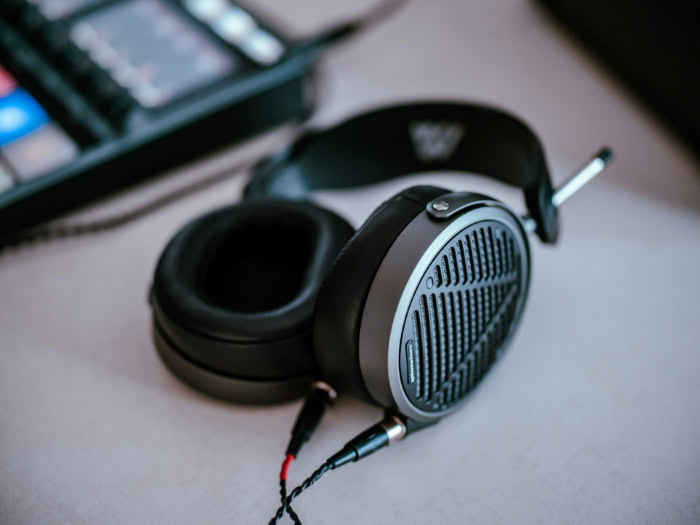
The physical design directly translates into how music is presented to your ears. This is where the trade-offs become most apparent.
Neither style is universally better, but they offer completely different perspectives on the same piece of music. One offers a focused and intense experience. The other provides a spacious and relaxed presentation.
Your preference will depend largely on what genres you listen to and how you like your music to feel.
Soundstage and Imaging
Soundstage refers to the perceived space and width of the audio. Open-back headphones are famous for their massive soundstage.
Because sound waves can escape rather than reflecting back at your ears, the music sounds like it is coming from the room around you rather than from two small speakers clamped to your head. It creates a “concert hall” effect where instruments feel widely separated.
Closed-back headphones typically have a much smaller soundstage. The sound feels “in your head,” offering an intimate presentation where the music feels centered between your ears.
Bass Response and Impact
If you love bass that you can feel, closed-back headphones usually have the advantage. The sealed enclosure prevents air from escaping.
This allows the driver to pressurize the air inside the cup, creating a physical “thump” or slam in the low frequencies. Sub-bass notes often feel more powerful and visceral.
Open-back headphones struggle to create this same pressure because the air leaks out through the back. While open-back models can produce very accurate and detailed bass, they often lack the heavy, chest-rattling impact found in sealed designs.
Naturalness vs. Coloration
Open-back headphones are frequently praised for sounding “organic” or “natural.” Since sound waves do not bounce around inside a plastic cup, there is less distortion caused by resonance.
Vocals and acoustic instruments tend to sound true to life. Closed-back headphones can suffer from slight coloration.
The sound waves reflecting off the hard outer shell can create minor echoes or resonances that make voices sound slightly “boxy” or nasally. Manufacturers use damping materials to minimize this, but the open design avoids the problem entirely.
Isolation and Leakage
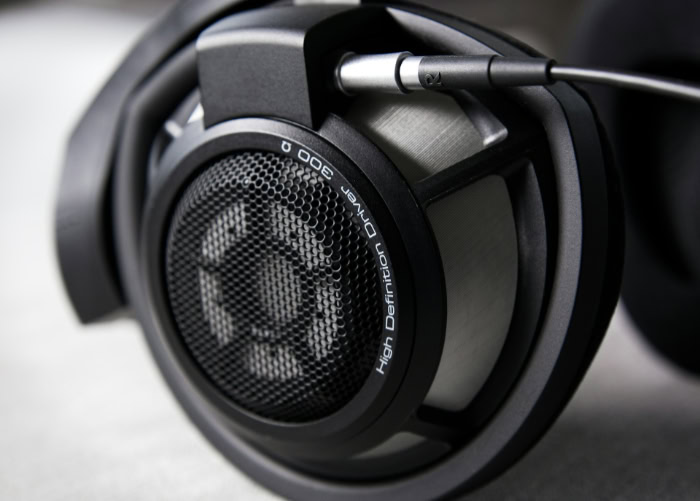
Your listening environment is just as important as the headphones themselves. The way a pair of headphones interacts with outside noise defines where they can be used effectively.
One type attempts to remove you from your surroundings. The other integrates your surroundings into the listening experience.
This interaction, or lack thereof, is often the deciding factor for commuters, office workers, and parents.
Passive Noise Isolation
Closed-back headphones act as earplugs. The solid shell and thick ear pads physically block external sound waves from reaching your ear drums.
This makes them excellent for noisy environments like trains, airplanes, or busy offices. You can listen at lower volumes because you are not fighting against background noise.
Open-back headphones offer almost zero isolation. If an air conditioner is humming or a keyboard is clacking nearby, you will hear it clearly over your music.
They are strictly designed for quiet rooms where you have control over the noise level.
Sound Leakage
Privacy is a major variable. Open-back headphones leak sound aggressively.
Because the back is perforated, anyone sitting near you will hear exactly what you are listening to, often quite clearly. In a library or a shared cubicle, this is a significant disturbance.
Closed-back headphones excel at containment. They keep the music inside the ear cup.
While some minimal sound might escape at very high volumes, they are generally considerate of the people around you and keep your playlist private.
Situational Awareness
There are times when total isolation is dangerous or inconvenient. Open-back headphones allow you to remain aware of your environment.
You can hear a doorbell ring, a baby crying, or a colleague asking a question without taking them off. This openness also helps with voice monitoring.
When you speak while wearing open-back headphones, you hear your own voice naturally. With closed-back models, your voice sounds muffled and distant, which often causes people to unintentionally shout during voice chats or phone calls.
Comfort and Wearability

Comfort is often treated as a secondary concern compared to sound quality, yet it defines how long you can actually use your headphones. A pair might sound incredible, but if they become painful or irritating after thirty minutes, they serve little purpose.
The physical design of the ear cup does more than shape the audio. It regulates temperature, air pressure, and how tightly the device must grip your head.
Breathability and Heat Regulation
Temperature regulation is the most immediate difference users notice during extended use. Open-back headphones have a distinct advantage here.
The perforated grills allow air to circulate freely around the ear. This constant airflow dissipates body heat and prevents moisture from accumulating inside the cup.
You can often wear them for hours without feeling hot. Closed-back headphones, by necessity, trap heat.
The sealed enclosure and thick pads create a “sauna effect” around your ears. After an hour or so, the area inside the cup can become warm and sweaty, which often forces the user to take frequent breaks to let their ears breathe.
Ear Pressure and Fatigue
Beyond simple physical weight, there is the issue of air pressure fatigue. Closed-back headphones create a sealed chamber against the side of your head.
This seal is great for isolation, but it also traps sound pressure waves that have nowhere to go. Over time, this constant pressure on the eardrum can cause a specific type of listening fatigue that leaves your ears feeling tired or “full.”
Open-back models do not suffer from this issue. Because the back of the cup is vented, excess air pressure escapes outward.
This results in a more relaxed listening experience that is less likely to fatigue your ears during marathon sessions.
Clamping Force
The tightness of the fit, known as clamping force, is often dictated by the acoustic requirements of the design. Closed-back headphones rely heavily on a perfect seal to produce bass and block outside noise.
If the seal breaks, the sound quality drops instantly. To prevent this, manufacturers often design the headband to apply firm pressure, clamping the cups tightly against the skull.
Open-back headphones do not rely as heavily on a perfect seal for their bass response. Consequently, many audiophile open-back models have a looser, lighter fit that gently rests on the head rather than squeezing it.
Ideal Scenarios

The “best” headphone is simply the one that fits your specific environment. A superior open-back model will sound terrible in a noisy subway car, while a high-end closed-back model might feel claustrophobic in a silent living room.
Matching the equipment to the setting is the most practical way to decide between the two.
Best Use Cases for Closed-Back
Closed-back headphones are the versatile workhorses of the audio world. They are the only logical choice for commuters and travelers.
If you are on a train, bus, or airplane, the isolation is necessary to hear your music without maximizing the volume. They are also the standard for office environments.
You can block out the sound of typing and chatter while ensuring your music does not annoy the person sitting next to you. In the professional world, recording artists use them while tracking vocals to prevent the music in their headphones from bleeding into the microphone.
Finally, for fans of EDM, hip-hop, or action movies, the pressurized design delivers the heavy bass impact these genres require.
Best Use Cases for Open-Back
Open-back headphones are specialized tools for quiet, controlled environments. They excel in the home where you have a dedicated listening chair and minimal background noise.
This is where you can appreciate the wide soundstage and intricate details without distraction. Audio engineers prefer them for mixing and mastering because the flat frequency response allows them to hear the track accurately without the bass boost common in sealed models.
Gamers, particularly those playing competitive shooters, also favor open-back headsets. The expanded soundstage allows for precise positioning, making it easier to pinpoint exactly where footsteps or distant gunshots are coming from.
For lovers of jazz, classical, and live acoustic recordings, the open design replicates the feeling of being in the room with the musicians.
Conclusion
The choice between open-back and closed-back headphones is a balance of priorities rather than a competition of quality. Closed-back models are the clear winners for privacy and powerful bass response.
They remain the practical choice for commuters and anyone needing to block out a noisy world. Open-back models prioritize soundstage and natural clarity.
They offer a superior, holographic listening experience but demand a silent, controlled setting to function correctly. In the end, your physical environment makes the decision for you.
If you can afford it, owning a pair of each ensures you always have the right tool for the moment. If you must stick to a single pair, simply buy for the room where you spend the most time.
Frequently Asked Questions
Are open-back headphones better for gaming?
Open-back headphones are generally preferred for competitive gaming because of their wider soundstage. This spatial accuracy helps players pinpoint the exact direction of footsteps and gunfire. However, closed-back headsets are better for noisy tournaments or if you play in a shared living space where sound leakage is an issue.
Do closed-back headphones have more bass?
Yes, closed-back headphones usually produce stronger, punchier bass. The sealed ear cup traps air pressure inside the chamber, which allows the driver to create a physical impact that you can feel. Open-back models often sound more natural but usually lack that heavy, thumping sub-bass resonance found in sealed designs.
Can I use open-back headphones in an office?
Using open-back headphones in a shared office is generally a bad idea. They leak sound significantly, meaning your coworkers will hear your music clearly. Additionally, they offer no isolation, so you will hear every phone call and conversation around you, which can be very distracting for focused work.
Do open-back headphones need an amplifier?
Many high-end open-back headphones have high impedance and low sensitivity, meaning they often require a dedicated amplifier to sound their best. While some entry-level models work fine with a phone or laptop, an amp usually improves volume and dynamic range for audiophile-grade open-back models.
Which type is more comfortable for long periods?
Open-back headphones are typically more comfortable for long listening sessions. The vented design allows airflow to reach your ears, which prevents heat buildup and sweating. Closed-back models trap heat inside the ear cup, which can make your ears feel hot and fatigued after an hour of continuous use.
About the Author: Julio Caesar


