
Power Bank vs. Battery Case: End Your Battery Anxiety

Watching your phone battery dip below ten percent while you are miles from a wall outlet induces a very specific kind of panic. To survive a long day without a dead screen, you need reliable backup power.
A standard power bank provides external energy through a separate brick and a charging cable. Alternatively, a battery case builds that extra power directly into a thick, protective phone shell.
Both devices solve the same problem, but they serve completely different user preferences. One option offers massive energy reserves and universal device compatibility.
The other provides seamless, cable-free convenience at the cost of permanent physical bulk.
Form Factor and Daily Convenience
The physical reality of carrying extra power heavily influences which solution feels right for you. A backup battery must fit into your daily routine without causing unnecessary frustration.
The choice between an attached case and a separate bank largely comes down to how much bulk you are willing to tolerate in your pocket versus your willingness to manage external cables.
The Seamless Integration of Battery Cases
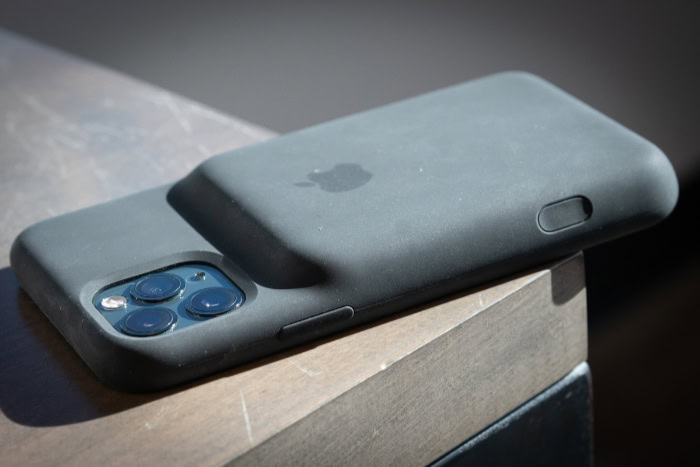
A battery case offers the ultimate grab-and-go experience. You snap your smartphone into the unit once, and you never have to think about carrying extra accessories.
It functions as a single, unified device with zero external cables required. This design also provides a dual benefit.
Alongside the built-in battery, the rigid shell offers physical drop protection for your phone. However, this convenience carries a significant drawback.
A battery case adds permanent weight, thickness, and bulk to your device. Even when the internal battery is fully depleted, you are still forced to carry around a heavy, oversized phone until you take the case off entirely.
The Modular Modesty of Power Banks
Choosing a traditional power bank allows your smartphone to remain slim, lightweight, and ergonomic for everyday use. You get to enjoy the sleek design of your phone exactly as the manufacturer intended.
The tradeoff is the physical requirement of carrying a completely detached item in a bag, purse, or pocket. You must remember to pack the external battery before leaving the house.
Furthermore, power banks introduce the necessity of cable management. You must carry, untangle, and plug in a charging cord every time you need extra juice.
Managing a dangling wire while trying to text or take a photo can be quite annoying during a busy day out.
Power Capacity, Speed, and Thermals
Beyond their physical shapes, these two options perform drastically differently under the hood. Raw power limits, transfer speeds, and temperature control dictate how efficiently your smartphone regains its charge.
Your daily screen time and the types of applications you run will determine which performance metrics matter most.
Total Energy Reserves
Battery cases are severely constrained by the physical dimensions of the phone they wrap around. Manufacturers can only pack so much lithium-ion material into a shell before the device becomes impossible to hold.
As a result, most cases are limited to providing one to one-and-a-half extra charging cycles. Power banks operate completely unconstrained by phone size.
They are available in massive capacities ranging from 10,000mAh to 30,000mAh or more. These larger bricks can sustain your devices for multiple days, making them essential for situations where you lack access to a wall outlet for an extended period.
Charging Speeds
Modern power banks often support high-wattage fast-charging protocols like USB-C Power Delivery. This technology allows for rapid top-ups, pushing massive amounts of power into your phone in just fifteen to thirty minutes.
In contrast, battery cases are generally designed for slower, steady trickle-charging throughout the day. They act more like a constant life support system rather than a rapid rescue option.
Thermal Management and Device Health
Heat management remains a critical concern for electronic devices. A battery case naturally traps heat directly against the phone chassis.
Both the phone and the external battery get warm during the charging process, and the thick casing prevents that heat from escaping. This can easily lead to thermal throttling or battery degradation during heavy use, such as playing graphics-intensive games or recording high-definition video.
Power banks keep heat generation isolated to the external brick itself. By separating the power source from the phone, the smartphone remains significantly cooler during operation.
Versatility, Lifespan, and Overall Value

Purchasing extra power is a financial investment. Evaluating the long-term return on that investment requires looking past the immediate need for a quick charge.
The economic value of a portable battery is directly tied to how many different devices it can charge and how long it remains useful before ending up completely abandoned in a desk drawer.
Device Compatibility and Sharing
Power banks feature universal USB compatibility, granting users the freedom to charge multiple types of hardware. A single high-capacity power bank can recharge smartphones, tablets, laptops, and wireless earbuds.
You can easily share power with friends or family members, regardless of the specific phone brand they use. Battery cases completely lack this flexibility.
They are exclusively locked to a single, specific smartphone model. You cannot use an iPhone 14 Pro battery case to charge a standard iPhone 14, let alone a friend's Android device or your own wireless headphones.
The Upgrade Factor and Long-Term ROI
Because power banks are completely device-agnostic, they survive smartphone upgrades with ease. You might buy a power bank today and continue using it across three different phone upgrades over the next five years.
This gives the standalone brick a significantly longer useful lifespan and a much better economic return on investment over time. On the other hand, battery cases instantly become obsolete the moment you buy a new phone.
Even a minor update to a phone's physical dimensions, button placements, or camera module renders the expensive battery case completely useless. You will have to purchase a brand new battery case every single time you replace your smartphone.
The Modern Middle Ground

Manufacturers recognized the strict divide between bulky cases and tangled cords, which led to the creation of a popular hybrid solution. Magnetic power banks represent a compromise that borrows specific benefits from both primary options.
By utilizing magnets to align wireless charging coils, this hardware introduces an entirely different approach to portable power.
Bridging The Gap
Accessories built around Apple's MagSafe technology or the universal Qi2 standard allow users to attach a battery directly to the back of a compatible phone. This design attempts to merge the specific cable-free convenience of a battery case with the complete modularity of a traditional power bank.
You secure the power source tightly to the device without sliding it into a permanent, wraparound shell.
The Advantages of Magnetic Attachments
The primary appeal is the simple snap-on and snap-off functionality. Users gain the ability to attach the battery only when power drops low and remove it instantly once the device finishes charging.
This completely eliminates the permanent bulk associated with a dedicated battery case while actively avoiding the annoying cables required by a standard power bank. Furthermore, these accessories offer reliable forward compatibility.
As long as your next smartphone features the exact same magnetic charging ring, you can continue using the accessory after upgrading your phone.
The Compromises of Wireless Technology
Relying on magnetic attachment means accepting the physical limitations of wireless charging. Wireless induction transfers energy through a glass or plastic barrier, resulting in a significant loss of overall energy efficiency.
You will experience noticeably slower charging speeds compared to plugging a physical cable directly into the phone port. The nature of wireless power transfer also generates a substantial amount of excess heat.
This elevated temperature can occasionally force the phone to pause the charging process to protect its internal hardware from thermal damage.
Lifestyle Match

Selecting the correct external battery requires matching the physical hardware to your personal habits. The most powerful battery brick is useless if it feels too heavy to carry, and a slim case fails if you frequently need to charge a laptop.
Assessing your specific daily routine will highlight the most practical choice.
The Commuter and Night-Out Minimalist
If your daily routine involves riding crowded public transit or attending evening events, physical space is highly valuable. A standard battery case or a slim magnetic power bank serves as the superior choice for users who prioritize streamlined pockets and fast-paced environments.
These individuals usually only need a minor power boost to get their phone through the final hours of the day. A compact, unified solution ensures they are never tethered to a wall or burdened by a heavy backpack.
The Heavy Media Consumer and Gamer
Running graphically intensive applications, streaming high-definition video, or playing online multiplayer games drains a battery rapidly. For these power users, the thermal benefits and fast-charging capabilities of a traditional wired power bank are absolutely essential.
Pushing massive amounts of power through a high-speed cable ensures the phone stays alive while the screen remains on. Keeping the hot battery brick completely detached from the phone chassis prevents the internal processor from overheating and slowing down the gaming experience.
The Frequent Traveler, Backpacker, and Remote Worker
Long flights, weekend camping trips, and remote work sessions introduce extreme power demands. High-capacity, multi-port power banks are strictly non-negotiable for these demanding lifestyles.
You will need massive energy reserves to keep multiple devices functioning efficiently over several days. A large portable brick allows you to charge your smartphone, top up a tablet for watching movies, and keep a work laptop running smoothly while completely disconnected from the traditional power grid.
Conclusion
The choice between a power bank and a battery case ultimately forces a compromise between universal versatility and integrated convenience. A standard portable charger delivers massive energy reserves capable of sustaining multiple devices over several days, but it requires you to manage external cables.
Conversely, a battery case offers a seamless, cable-free experience while permanently adding physical bulk to your phone. In the end, the superior charging solution is never determined by raw specifications alone.
The right device is simply the one that causes the least amount of friction in your specific daily routine.
Frequently Asked Questions
Do battery cases damage your phone battery?
A high-quality battery case will not directly ruin your phone battery. However, they naturally trap heat against the device chassis during operation. Frequent exposure to high temperatures can degrade lithium-ion cells faster, so you should monitor the device during heavy use.
Can I bring a high-capacity power bank on an airplane?
Yes, you can fly with a portable charger if it remains in your carry-on luggage. Aviation authorities generally permit batteries up to 27,000mAh or 100 watt-hours. You should always verify the exact capacity limits with your specific airline before packing your bags.
How long does a standard power bank typically last?
A reliable portable charger usually lasts between three to five years, depending on your daily charging habits. Because they use standard USB ports, these devices survive multiple smartphone upgrades. Their lifespan is determined by how frequently you deplete and recharge the internal cells.
Are magnetic power banks better than battery cases?
Magnetic chargers provide an excellent compromise by allowing you to remove the bulky battery when you are finished charging. They eliminate cables while offering forward compatibility with newer phones. Unfortunately, they suffer from slower charging speeds and lower energy efficiency compared to direct physical connections.
Can one power bank charge a phone and a laptop?
You can easily charge both devices if your external battery supports high-wattage power delivery. You will need a capacity of at least 20,000mAh and an output rating of 65 watts or higher. This setup ensures your laptop receives enough energy to function properly.
About the Author: Elizabeth Baker


