
Refurbished vs. Used vs. Open Box: Avoid Hidden Defects

Paying full retail price for premium products often feels like a missed opportunity. Snagging top-tier items at a steep discount offers an undeniable thrill, allowing you to maximize your purchasing power without compromising on essential quality.
However, hunting for non-new deals online quickly introduces a confusing alphabet soup of condition grades. E-commerce sellers throw around terms like open box, refurbished, and used almost interchangeably.
This leaves shoppers guessing about what will actually arrive in the mail.
Unpacking “Open Box” (The Next Best Thing to New)
Finding an open-box deal often feels like striking gold for savvy shoppers. This category provides an excellent entry point for buyers who want the pristine quality of a brand-new item but refuse to pay the standard retail markup.
Buying open-box products means you are essentially getting fresh merchandise that simply cannot be sold as factory-sealed anymore.
Definition and Origins
Retailers apply the open-box label to products that have been removed from their original sealed packaging but never extensively utilized. These items typically end up back on store shelves because of buyer's remorse returns, where a customer opens the product, changes their mind, and brings it straight back.
Sometimes, retailers will categorize display models that sat safely behind a glass case as open-box goods. In other instances, a perfectly untouched item might receive this classification simply because its cardboard retail packaging suffered cosmetic damage during warehouse transit.
Condition Expectations
Shoppers can generally expect open-box items to arrive in pristine or near-mint condition. Since the products rarely saw any heavy real-world application, they should look and feel brand new out of the box.
Most reputable retailers ensure that these goods are repackaged neatly, often including all the original plastic wrap, instruction manuals, and protective foam. You are effectively buying a new product that someone else merely looked at before returning.
Accessory and Parts Considerations
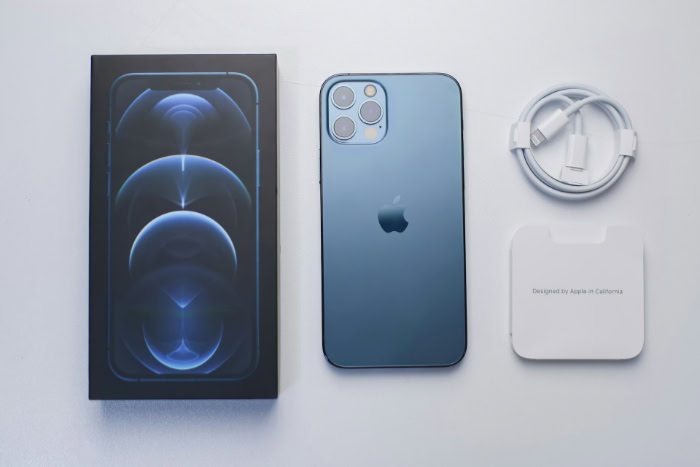
While the core item will perform perfectly, there is a slight risk of missing non-essential components due to the previous buyer's handling. A customer returning a television might accidentally leave behind a secondary audio adapter, or a returned smartphone might be missing a basic charging cable.
Buyers should read retailer descriptions carefully to confirm what is included, though any absent accessories are usually cheap and easy to replace independently.
Warranty Status
The biggest advantage of shopping in this category is the robust buyer protection. Open-box items almost always retain the original manufacturer's warranty.
Because the item was never registered or permanently owned, brands treat it exactly as they would a sealed unit. This provides the highest level of security among discounted goods, guaranteeing that you can access official repairs or replacements if a factory defect reveals itself.
Decoding “Refurbished” (Repaired, Tested, and Certified)

A refurbished product bridges the massive gap between a flawless return and a heavily handled pre-owned device. These items have a history, but professionals step in to erase that past before the product reaches your hands.
This category requires shoppers to weigh slight cosmetic imperfections against rigorous functional testing.
The Refurbishing Process
The path from a defective or heavily utilized item to a retail-ready product is highly structured. Technicians take units that failed right out of the factory, or gadgets returned after months of use, and systematically restore them.
They identify hardware failures, replace broken components, clean the internal mechanisms, and run extensive diagnostic tests. The ultimate goal is to return the product to strict factory performance standards, ensuring it operates just as smoothly as a unit fresh off the assembly line.
Manufacturer vs. Seller Refurbished
Shoppers must recognize the critical distinction between factory-certified repairs and third-party vendor overhauls. Manufacturer-refurbished items are repaired by the original brand using official OEM parts, ensuring perfect compatibility and strict quality control.
Conversely, seller-refurbished goods are repaired by independent technicians who might use cheaper aftermarket components. While third-party repairs can still yield excellent results, official manufacturer certifications offer much greater peace of mind.
Aesthetic Grades vs. Functional Quality
Retailers rely on a cosmetic grading system, typically using Grade A, Grade B, and Grade C, to describe a refurbished item's physical appearance. Grade A looks practically flawless, while Grade C will display noticeable scratches, scuffs, or dents.
However, shoppers should set the expectation that the item will function perfectly regardless of its assigned aesthetic tier. A heavily scratched Grade C laptop will still feature a healthy battery, a flawless screen, and fully operational internal hardware.
Warranties and Return Policies
Unlike standard used goods, refurbished electronics almost always include a limited warranty. These safety nets typically range from 90 days to a full year, depending on the retailer and the refurbisher.
Furthermore, buyers usually receive reliable return windows, allowing them to test the product at home and send it back for a full refund if any hidden defects emerge during the initial weeks of ownership.
Evaluating “Used” (The As-Is Market)

Shopping the pre-owned market requires a sharp eye and a healthy dose of caution. This is the most unfiltered tier of discount shopping, where buyers interact directly with previous owners or massive trade-in warehouses.
While the prices drop to their absolute lowest point here, the safety nets vanish entirely.
Defining the Pre-Owned Market
The pre-owned economy consists of items sold without formal testing, component replacement, or official certification. You are buying a product straight from a previous owner's hands or through a high-volume trade-in retailer.
Nobody has opened the device to check for internal wear, and nobody has polished the exterior to meet corporate retail standards. The product ships exactly as the previous owner left it, complete with every fingerprint, scuff, and quirk.
Evaluating Wear-and-Tear
Buyers must aggressively assess the risk of physical damage and internal degradation before finalizing a purchase. While a cracked screen or a dented casing is easy to spot in a photograph, internal wear is much harder to measure.
Electronics face the severe risk of depleted battery health, worn-out charging ports, or failing cooling fans. Assessing these risks requires asking sellers direct questions about the item's history and scrutinizing every available detail.
The Absence of Guarantees
The harsh reality of buying used is accepting an “as-is” transaction. This generally means absolutely no warranties, no extended return policies, and zero technical support after the sale.
Buyers rely entirely on the seller's honesty regarding the product's condition. If a used camera lens stops autofocusing three days after you buy it, you are entirely responsible for the expensive repair bill.
Platform Risks and Protections
The platform you use heavily dictates your baseline security. Buying used goods through regulated marketplaces provides access to automated buyer protection programs, ensuring you get your money back if an item arrives broken or vastly misrepresented.
Conversely, engaging in local cash-in-hand transactions offers absolutely zero recourse. Once you hand over the cash in a parking lot, the transaction is completely finalized, making thorough on-the-spot inspections absolutely mandatory.
Price, Risk, and Guarantees
Weighing these three shopping categories directly against one another reveals a sliding scale of compromises. Every purchase requires you to balance the appeal of keeping cash in your wallet against the threat of future headaches.
Making the right choice demands a clear-eyed assessment of how much risk you are willing to absorb for a specific price cut.
The Financial Savings Spectrum
Price reductions follow a highly predictable pattern based on the item's history. Open-box items offer the most conservative markdowns, generally shaving anywhere from five to twenty percent off the original retail price.
This modest discount reflects the pristine nature of the goods. Moving down the line, refurbished products introduce much deeper cuts.
You can often expect to save twenty to forty percent because the item has a documented repair history or noticeable cosmetic flaws. The used market represents the absolute bottom of the pricing floor.
Since sellers are offloading items “as-is” without offering safety nets, buyers can easily secure discounts exceeding fifty percent.
Risk Assessment Ranking
The likelihood of receiving a defective product shifts dramatically across these three tiers. Open-box goods carry minimal risk since they were essentially untouched by previous owners and usually retain their original factory warranties.
Refurbished items introduce a moderate level of risk. While technicians test and repair them, the internal components have still endured prior use, meaning a part could fail sooner than a brand-new equivalent.
Used items sit at the very top of the risk hierarchy. Without professional diagnostics or guarantees, you face a significant probability of encountering hidden hardware failures, depleted batteries, or sudden breakdowns shortly after the transaction is complete.
The “Value Optimization” Sweet Spot
Smart shoppers rarely default to the cheapest option available. Instead, they aim for the intersection where steep discounts meet acceptable buyer protection.
For many consumer electronics, factory-refurbished products occupy this ideal middle ground. They offer substantial financial relief while still providing a limited warranty and a designated return window.
This setup allows you to test the hardware extensively at home without absorbing total financial ruin if the device fails. Open-box shopping acts as a secondary sweet spot for buyers who demand perfection but still want to feel like they secured an exclusive deal.
Matching Condition to Product Type

Not all products carry the same intrinsic risks, meaning your shopping strategy must adapt based on what you plan to buy. Applying a rigid rule to every single purchase will either leave you exposed to expensive repair bills or cause you to miss out on massive savings.
When to Prioritize Open Box
Certain purchases demand the absolute protection of a full manufacturer warranty. Expensive, high-risk items like OLED televisions, major home appliances, and high-end computer components belong strictly in the open-box category if you refuse to buy them brand new.
These items contain delicate, costly internal parts that are notoriously expensive to fix. An open-box purchase provides the necessary discount while ensuring that if your refrigerator compressor fails in six months, the manufacturer will cover the exorbitant repair costs.
When to Choose Refurbished
Refurbished goods serve as the perfect solution for everyday tech devices where functional reliability outweighs a flawless exterior. Smartphones, laptops, and smartwatches are excellent candidates for this category.
Since you will likely put a protective case on your phone or scratch your smart device during daily wear, paying extra for pristine cosmetics is largely unnecessary. A certified refurbished laptop guarantees a working battery and a tested processor, giving you the necessary horsepower for daily tasks at a fraction of the original price.
When to Buy Used
The pre-owned market shines brightest when you shop for items boasting incredibly low mechanical failure rates and massive lifespans. Physical video games, hardcover books, camera lenses, and manual hand tools are virtually indestructible under normal conditions.
Paying a premium for a warranty on a solid piece of steel or a plastic game cartridge is an inefficient use of money. If a camera lens lacks severe scratches on the glass and the focus ring turns smoothly, it will likely perform perfectly for decades, making the unfiltered used market the ideal place to hunt for bargains.
Universal Red Flags
Regardless of which path you choose, certain warning signs should immediately halt a transaction. Vague seller descriptions that gloss over exact model numbers or hide the true condition of the item signal impending trouble.
Furthermore, listings that rely entirely on stock photos instead of showing the actual product in its current state are incredibly dangerous. You should also scrutinize suspiciously low pricing.
If an offer appears entirely detached from current market values, it is highly probable that the item is either stolen, permanently damaged, or part of an elaborate online scam.
Conclusion
Securing a great deal online requires matching your specific needs to the right product category. Open-box items deliver near-perfect conditions with full factory warranties for maximum security.
Refurbished goods provide tested, functional reliability at a moderate discount, while the used market offers massive savings for those willing to accept “as-is” transactions without a safety net. In the end, your final purchase should directly reflect your personal budget constraints, the required lifespan of the product, and your individual risk tolerance.
Frequently Asked Questions
Is an open box item considered new?
Open-box items are technically not new because the original retail seal is broken. However, they usually arrive in pristine condition with all original packaging and manuals. Most retailers still treat them as new products regarding manufacturer warranties and return policies.
Do refurbished electronics come with a new battery?
Factory-certified refurbished devices typically include a brand-new battery or guarantee a battery health capacity of at least eighty percent. Third-party sellers might not replace the battery unless it completely fails diagnostic tests, so you should always read the specific seller guarantees.
Why are used items so much cheaper than refurbished?
Used items cost significantly less because they bypass professional testing, cleaning, and replacement part costs. The seller is simply passing the item directly to you in its current state. You save money by accepting the risk of buying a product without warranties.
Can I return a used item if it breaks?
Returning a broken used item depends entirely on where you bought it. Purchases made through regulated marketplaces often include buyer protection programs for defective goods. Conversely, items bought through local cash transactions are strictly final sale and offer zero return options.
Which condition is best for buying a laptop?
A certified factory-refurbished model is generally the best choice for purchasing a laptop. This tier provides significant financial savings while ensuring the internal hardware is professionally tested. You also secure a limited warranty to protect against unexpected motherboard or screen failures.
About the Author: Julio Caesar


