
Things to Know Before Buying an Unlocked Smartphone

Paying for a new smartphone through a carrier often feels like signing a multi-year lease on your own digital life. While the low upfront cost is tempting, you are essentially trading your freedom to switch providers for a monthly bill that never seems to go down.
Moving to an unlocked device eliminates these restrictions, allowing you to take your hardware to any network that offers the best deal. However, the shift from carrier-subsidized models to independent ownership requires a closer look at technical specifications and retail red flags.
If you buy without checking frequency bands or software origins, you might end up with a high-end paperweight that cannot connect to local towers.
Key Takeaways
- Verify that a phone supports specific 4G LTE and 5G bands used by your carrier to avoid poor signal or slow data speeds.
- Use Mobile Virtual Network Operators (MVNOs) and prepaid plans to reduce monthly service costs, as these providers often require you to bring your own device.
- Check the IMEI number of any used device through an online database to ensure it has not been blacklisted or reported stolen.
- Factory unlocked phones receive software and security updates directly from the manufacturer, which typically eliminates the delays caused by carrier testing.
- Recognize that unlocked hardware maintains a higher resale value because it can be sold to any user on any network.
Network Compatibility and Technical Requirements
The hardware inside a smartphone determines which cellular towers it can communicate with. While modern mobile technology has moved toward universal standards, there are still technical barriers that can prevent a device from working on a specific network.
Network Standards and Legacy Technologies
Historically, mobile networks functioned on either GSM or CDMA standards. While 4G and 5G have largely standardized these protocols, some carriers still rely on these legacy systems for voice calls or service in rural areas.
Purchasing an unlocked phone that only supports GSM bands might result in poor coverage or an inability to make calls if your carrier still utilizes CDMA infrastructure for its underlying services.
Frequency Bands and 5G Connectivity
Carriers broadcast their signals over specific radio frequencies. Even if a phone is marketed as a 5G device, it may not support the specific bands your provider uses.
For example, some networks prioritize millimeter wave technology for high speeds, while others focus on sub-6 frequencies for better range. You must check the technical specifications of the phone against the carrier’s supported bands to ensure you get the data speeds you are paying for.
Carrier Whitelisting and Device Policies
Some service providers maintain a list of approved devices that are allowed on their network. Even if a phone is technically compatible with the bands, the carrier might block certain features like Wi-Fi calling or Visual Voicemail because the device is not on their official whitelist.
Reviewing “Bring Your Own Device” compatibility tools on a carrier’s website before purchasing can prevent these unexpected service limitations.
Financial Evaluation and Total Cost of Ownership
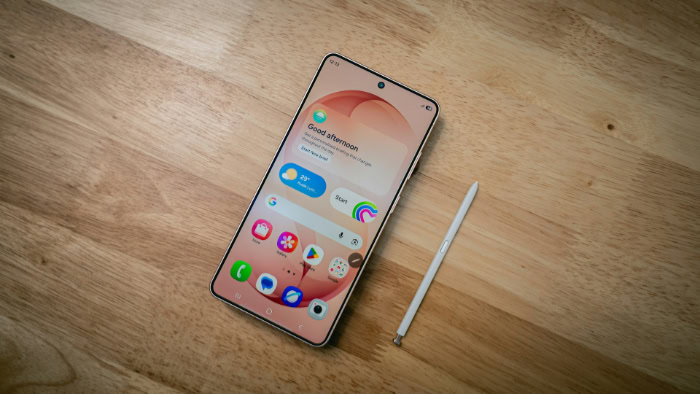
Purchasing a phone outright requires a larger initial payment, but it often leads to lower costs over the lifespan of the device. Many buyers find that the freedom to choose any service provider offsets the stress of a high price tag.
Assessing the long term financial impact involves looking at more than just the sticker price.
Upfront Costs versus Monthly Installments
A carrier-locked phone is usually sold with a payment plan that spreads the cost over two or three years. An unlocked phone requires you to pay the full price at once.
While this is a significant expense, it prevents you from being tied to a specific carrier for years. It also means you own the hardware entirely from day one, with no remaining debt or contractual obligations to a service provider.
Access to Budget Friendly Service Plans
One of the greatest financial benefits of owning an unlocked phone is the ability to use Mobile Virtual Network Operators. These smaller providers lease space from major networks and offer plans at a fraction of the cost.
Because you own your phone, you can switch to these prepaid or discount plans immediately, which can save hundreds of dollars a year compared to traditional carrier contracts.
Enhanced Resale Market Value
When you are ready to upgrade, an unlocked phone is much easier to sell. Buyers on the secondary market prefer devices that are not restricted to a single network.
This universal appeal allows you to list the phone for a higher price and find a buyer more quickly. The extra money gained from the sale can then be used to fund your next device purchase.
Software Integrity and Feature Functionality

The software on an unlocked phone is usually managed by the manufacturer rather than a service provider. This difference affects everything from how the interface looks to how often you receive critical security patches.
Understanding these software nuances is important for maintaining a secure and efficient device over several years.
Factory Unlocked vs Carrier Unlocked
A factory unlocked phone is sold directly by the manufacturer and has never been restricted. A carrier unlocked phone was originally sold with a lock and was later freed after the owner met certain contract requirements.
Carrier unlocked phones may still have remnants of the provider’s branding or specific network settings that are difficult to change, even after the device is officially unlocked.
The Absence of Pre-Installed Bloatware
Phones purchased through carriers often come with pre-installed applications that cannot be deleted. These apps take up storage space and can slow down the system.
Factory unlocked devices offer a cleaner software experience because they only include the apps necessary for the phone to function. This allows you to customize your device without fighting for storage against unwanted carrier software.
Software and Security Update Cycles
When a manufacturer releases an update, unlocked phones usually receive it first. Carrier-locked devices often face delays because the provider must test the software on their specific network before pushing it to users.
By owning an unlocked device, you receive security improvements and new features as soon as they are available, reducing the time your device is vulnerable to known exploits.
Warranty, Insurance, and Post-Purchase Support

Buying an unlocked phone changes how you handle repairs and technical issues. Without a carrier storefront to visit for help, you must be prepared to manage maintenance through different channels.
This shift requires a proactive approach to protecting your investment and solving hardware problems.
Manufacturer versus Carrier Warranties
Most unlocked phones come with a standard manufacturer warranty that covers hardware defects. If something goes wrong, you will likely need to mail the device to a repair center or find an authorized service provider.
Carriers often offer their own warranties that allow for in-store replacements, a convenience that is usually lost when you buy hardware independently.
Third-Party Protection Alternatives
Since you cannot always use a carrier insurance plan for an unlocked device, you may need to look for third-party options. Many companies offer accidental damage protection and theft insurance for hardware purchased outside of a contract.
These plans can be more flexible and sometimes cheaper than the protection packages sold by major cellular networks.
Technical Troubleshooting Limitations
If you experience signal drops or software glitches, a carrier technical support team may be less helpful if you did not buy the phone from them. They are often only trained to troubleshoot the specific models they sell directly.
You may find yourself stuck between the carrier blaming the hardware and the manufacturer blaming the network, requiring you to be more self-reliant when fixing problems.
Verification and Security for the Buyer

The secondary market and third-party retailers are popular places to find unlocked phones, but they come with risks. Verifying the history and origin of a device is essential to ensure it is legal and functional.
Taking a few security steps can save you from purchasing a stolen or non-functional unit.
IMEI and ESN Status Verification
Every phone has a unique identification number known as an IMEI. Before completing a purchase, you should run this number through a public database to ensure the phone has not been reported stolen or blacklisted.
These checks also reveal if a phone is still under a financial contract, which could lead to the carrier remotely locking the device if the previous owner stops paying their bill.
Regional and International Model Risks
Retailers often sell international versions of popular phones at a discount. These “grey market” devices are intended for different countries and might lack support for local frequencies.
Additionally, manufacturers may refuse to honor warranties for phones sold outside their intended region. Buying a model specifically designed for your country ensures full compatibility and access to local repair services.
Identifying Reputable Retail Channels
Purchasing from an authorized dealer or the manufacturer’s official website is the safest way to ensure you are getting an authentic device. While third-party marketplaces offer lower prices, they also host sellers who may provide refurbished or counterfeit goods.
Checking seller ratings and return policies is a necessary precaution when you are not buying directly from a known, authorized source.
Conclusion
Transitioning to an unlocked phone requires shifting your focus from carrier marketing to technical specifications. Success depends on verifying that the hardware aligns perfectly with your provider’s frequency bands and service policies.
While the initial investment is higher than a subsidized contract, the resulting independence offers a better mobile experience. You gain the power to change networks at will and enjoy a device free from software interference.
This control ensures that your technology serves your needs rather than the interests of a service provider.
Frequently Asked Questions
Can I use any unlocked phone on any carrier?
No, you must verify that the phone supports the specific frequency bands used by your service provider. While most modern phones are versatile, some carriers use unique 5G bands or legacy standards like CDMA that may not be compatible with every model. Always check the carrier’s whitelist before purchasing hardware.
Will I still get software updates if I don’t buy from a carrier?
Yes, you will typically receive software and security updates directly from the manufacturer much faster than carrier users. Because there is no service provider acting as a middleman, you bypass the lengthy testing periods that often delay critical patches. This ensures your device stays secure and up to date.
Is it cheaper to buy a phone unlocked?
Buying unlocked is usually cheaper over the long term because it allows you to access low cost prepaid plans. While the initial price is high, the savings from switching to a discount provider often outweigh the interest free financing offered by major carriers. You also avoid hidden service fees and contracts.
How do I know if a used phone is actually unlocked?
You should check the IMEI number on a public database to verify its status and ensure it is not blacklisted. A clean IMEI confirms the device is not reported stolen or tied to an unpaid financial contract. You can also insert a SIM card from a different network to test it.
What happens if my unlocked phone breaks?
You will need to contact the manufacturer directly for repairs instead of going to a carrier retail store. Most unlocked devices come with a standard manufacturer warranty, but you might need to mail the phone to a service center. Third party insurance plans are also available to cover accidental damage or theft.
About the Author: Elizabeth Baker


