
What Is a DAC? How It Enhances Your Music
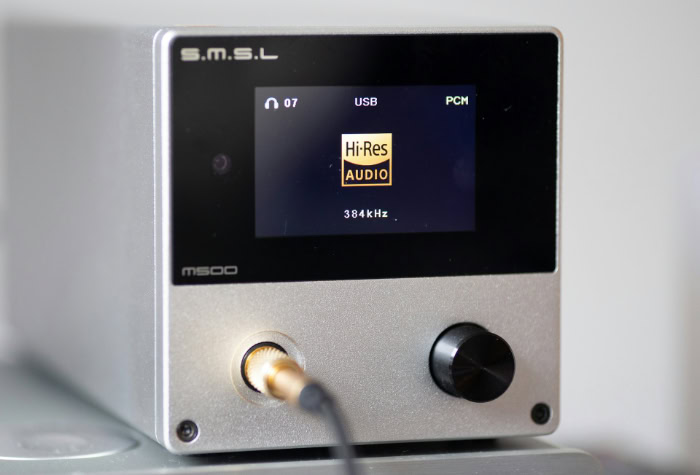
Your smartphone and laptop are silent machines without a specialized translator. A Digital-to-Analog Converter, or DAC, serves as the bridge that turns cold binary code into the fluid sound waves that reach your ears.
While computers process information through rigid streams of ones and zeros, the human auditory system requires continuous physical vibrations. This component translates numerical snapshots into a smooth electrical voltage, making it possible for speakers and headphones to produce audible music.
Most modern electronics contain a basic version of this technology, yet the quality of the conversion determines how much detail actually survives the process. A high-quality DAC restores the natural flow of a recording, ensuring that the final output sounds like a performance rather than a series of data points.
Key Takeaways
- A Digital-to-Analog Converter translates binary code into the electrical voltages that speakers and headphones use to create sound.
- While most devices have internal converters, external units offer better shielding from electronic interference and higher signal purity.
- Specifications like sample rate and bit depth define the resolution and dynamic range a device can accurately reproduce.
- Physical components such as the analog output stage and timing clocks are essential for maintaining a clean and accurate audio signal.
- The quality of a converter directly impacts the clarity, depth, and transparency of the final listening experience.
The Mechanics of Signal Conversion
Before a single note reaches your headphones, a complex sequence of mathematical translations must occur. This process changes static data into physical energy through several distinct stages of electronic processing.
By interpreting numerical values and reconstructing them into physical waves, a converter allows digital storage formats to interact with the physical world of sound.
Digital Input and Binary Data
Modern audio is typically stored as Pulse Code Modulation. This method records sound by taking thousands of numerical measurements every second.
These measurements represent the amplitude of a sound wave at a specific moment in time. Because computers cannot store an actual wave, they rely on these numerical snapshots to represent the shape of the audio.
The higher the frequency of these snapshots, the more accurately the data mirrors the original performance.
The Translation Process
The converter receives these numerical values and converts them into a specific amount of electrical voltage. For every number in the digital stream, the hardware generates a corresponding electrical charge.
By rapidly cycling through these values, the device begins to rebuild the shape of the original audio signal. This electrical output is what eventually drives the movement of a speaker diaphragm, though it requires further refinement before it is ready for human ears.
The Reconstruction Filter
Raw converted signals often look like a jagged staircase because they are made of discrete numerical steps. A reconstruction filter serves to smooth out these sharp transitions, filling in the gaps between the snapshots to create a continuous, flowing wave.
This filtering process removes high frequency noise that is a byproduct of digital processing, ensuring the resulting analog signal sounds natural and fluid rather than harsh or artificial.
Practical Applications in Daily Life
Nearly every modern device capable of producing sound has a converter hidden inside its chassis. These small components are responsible for everything from the notification sounds on a phone to the high fidelity playback from a laptop.
While they are present in almost all consumer electronics, the quality and implementation of these chips vary significantly.
Standard Built-in Converters
Smartphones, tablets, and smart speakers all rely on integrated chips to handle audio tasks. These internal components are designed for convenience and efficiency, allowing users to plug in headphones or use built-in speakers without needing extra hardware.
In most casual listening scenarios, these chips provide sufficient performance for podcasts or video calls where absolute audio fidelity is not a priority.
Limitations of Integrated Hardware
Internal converters share space with powerful processors, Wi-Fi antennas, and cellular radios. This proximity creates a crowded environment where electronic interference is common.
As these other components draw power and emit electromagnetic signals, they can introduce a constant hiss or background hum known as the noise floor. Because space is limited, manufacturers often use inexpensive chips that may struggle to reproduce complex musical passages with high accuracy.
The Advantage of Dedicated External Hardware
An external converter removes the conversion process from the noisy environment of a computer or phone. By placing the electronics in a separate, shielded enclosure, the signal remains protected from internal interference.
These dedicated units use higher quality parts that provide better precision during the translation process. This results in a cleaner signal with less distortion, allowing the listener to hear subtle details that were previously buried under electronic noise.
Variations in Form and Function

Converters come in various shapes and sizes to accommodate different listening habits. Choosing the right style depends on whether the goal is portability, desktop performance, or a complete home audio setup.
Each design offers specific benefits tailored to how a user interacts with their music library.
Portable USB Dongle DACs
Dongle converters are small, thumb sized devices that plug directly into the charging port of a smartphone. They are powered by the phone itself and provide a significant upgrade over standard headphone jacks.
These devices are ideal for commuters who want better sound quality without carrying a bulky piece of equipment. Despite their small size, they often contain powerful processing chips capable of handling high resolution files.
Desktop DAC and Amplifier Combos
Desktop units are larger and usually sit next to a computer monitor. These devices often combine the converter with a headphone amplifier in a single box.
This setup provides the necessary power to drive demanding high end headphones while ensuring the digital signal is converted with high precision. They are a popular choice for office workers or gamers who spend long hours listening through a PC.
Full Scale Component DACs
Component units are designed for home stereo systems and high end theater rooms. These are standalone devices that do not include amplification, focusing entirely on the most accurate signal conversion possible.
They often feature multiple input types and balanced outputs to connect with professional grade audio equipment. These units are built with heavy chassis and premium internal parts to satisfy the requirements of critical listening environments.
Wireless and Bluetooth Converters
Modern wireless converters receive digital data through Bluetooth instead of a physical cable. These devices use advanced codecs to preserve as much detail as possible during the wireless transmission.
Once the signal is received, the unit converts it to analog for output to speakers or headphones. This offers a blend of convenience and quality, allowing for high definition audio playback without being tethered to a source device.
Technical Specifications and Audio Resolution
Numbers and measurements provide a framework for evaluating how accurately a device reproduces audio. These specifications describe the limits of what a converter can capture from a digital file and how faithfully it can recreate the original performance.
While high numbers do not always guarantee a superior listening experience, they indicate the technical potential of the hardware and its ability to handle high resolution data.
Sample Rate and Frequency Response
The sample rate refers to the number of times per second a digital snapshot is taken of an audio wave. A standard CD uses a rate of 44.1kHz, meaning there are 44,100 samples for every second of music.
Higher rates like 96kHz or 192kHz provide more data points, which helps the hardware accurately reproduce high frequency sounds. This ensures the reconstructed wave remains faithful to the original recording without adding unwanted artifacts or distortions that can occur when data is sparse.
Bit Depth and Dynamic Range
Bit depth determines the precision of each individual audio sample. A 16 bit file provides over 65,000 possible volume levels, while a 24 bit file increases that number to over 16 million.
This increased resolution expands the dynamic range, which is the difference between the quietest and loudest parts of a recording. A higher bit depth also lowers the noise floor, ensuring that very soft musical details are not lost in the background electronic hiss that often plagues lower resolution audio.
Signal Purity and Distortion Metrics
Metrics such as Signal-to-Noise Ratio and Total Harmonic Distortion provide a look at the cleanliness of the output. The Signal-to-Noise Ratio measures how much stronger the music signal is compared to the background noise generated by the electronics.
Total Harmonic Distortion measures how much the hardware alters the original signal during the conversion process. Lower distortion and higher signal ratios mean the sound remains transparent and true to the source file, preventing the hardware from adding its own unintended coloration to the music.
Engineering Components and Performance

The performance of a converter is determined by more than just its software or specifications. It relies on a complex arrangement of physical components that work together to maintain signal integrity.
From the way power is managed to the quality of the final output stage, every part of the internal architecture influences the final sound quality. High quality engineering ensures that the digital data is not only converted but also preserved as it moves through the device.
The Conversion Chipset
The chipset is the silicon processor that performs the actual mathematical conversion of data. Manufacturers such as ESS Sabre and AKM produce specialized chips that vary in their processing power and filtering capabilities.
While the chip is a vital part of the machine, its performance depends heavily on the surrounding circuitry. A premium chip in a poorly designed device will often sound worse than a standard chip in a well engineered system because the chip is only one part of a larger chain.
The Analog Output Stage
Once the signal is converted into electricity, it must pass through the analog output stage. This area consists of capacitors, resistors, and amplifiers that prepare the signal for speakers or headphones.
The quality of these parts is important because they are the final gatekeepers of the sound. High quality components in this stage ensure the signal remains powerful and clear without adding warmth or harshness that was not present in the original recording.
Clocking and Timing Precision
Digital audio requires perfect timing to ensure that every sample is processed at the exact right moment. If the timing fluctuates, a phenomenon known as jitter occurs.
Jitter causes a subtle temporal blurring that can make the music sound less focused or smear the placement of instruments in the soundstage. Dedicated clocking mechanisms work to eliminate these timing errors, providing a more stable and precise recreation of the audio wave that preserves the natural rhythm of the music.
Power Supply Regulation
Clean and stable power is the foundation of any high performance audio device. Converters are sensitive to fluctuations in electricity, which can introduce audible hum or interfere with the delicate conversion process.
Robust power regulation filters out noise from the wall outlet and provides a steady flow of energy to the internal components. This stability allows the device to operate at its peak performance, maintaining clarity and preventing electronic interference from reaching the listener.
Conclusion
A superior converter transforms the listening experience by expanding the soundstage and revealing layers of detail that often go unnoticed. By providing a transparent window into the recording, it allows the listener to perceive the exact placement of instruments and the subtle textures of a vocal performance.
As the link between digital data and analog sound, the device acts as the foundation of any modern audio system. Investing in a quality converter ensures that the rest of the equipment, from amplifiers to speakers, receives the purest possible signal to reproduce.
Frequently Asked Questions
Do I need an external DAC if my phone already has one?
While most phones contain a basic converter, an external unit provides a significant upgrade in sound quality. These dedicated devices use superior components and better shielding to reduce background noise and distortion. If you use high end headphones, an external unit ensures you hear the full detail and resolution of your music.
What is the difference between a DAC and an amplifier?
A converter translates digital data into a low level electrical signal, while an amplifier increases the strength of that signal to power speakers or headphones. Many devices combine both functions into a single unit. However, they perform different tasks within the audio chain to ensure both the accuracy and the volume of the sound.
Does a higher sample rate always mean better sound?
A higher sample rate allows for more accurate reproduction of high frequency sounds, but the benefit depends on the quality of the original recording. While files recorded at 192kHz contain more data than standard CDs, the improvement is only audible if the rest of the playback system is of high enough quality.
How does jitter affect audio quality?
Jitter occurs when there are small timing errors during the conversion process, leading to a loss of clarity. This can cause the music to sound harsh or make the placement of instruments feel less defined. High quality converters use precise internal clocks to minimize these errors and maintain a natural, focused sound.
Can a DAC improve the sound of streaming services?
Yes, a dedicated converter can enhance streaming services by processing the digital stream more accurately than standard computer hardware. Even with compressed audio, a better conversion process reduces electronic noise and improves overall transparency. This results in a more engaging and detailed listening experience for the user.
About the Author: Elizabeth Baker


