
What Is an Audiobook? Apps, Devices, and Formats

Busy schedules are pushing readers to trade heavy hardcovers for headphones as auditory learning and entertainment experience a massive surge in popularity. An audiobook is simply a professional voice recording of a published text being read aloud.
By transforming words on a page into spoken performances, this format allows you to absorb literature and nonfiction while going about your daily routine.
The Core Concept of an Audiobook
An audiobook is a spoken-word performance of a published text that allows people to consume literature through listening rather than visual reading. While the basic premise is simple, the format offers several variations in length and style.
Evolution of the Format
Decades ago, listeners relied heavily on bulky physical media. Early iterations were often branded as “books on tape” and required a cassette player.
As technology advanced, production shifted to compact discs, which offered better sound quality but still forced listeners to carry multiple discs for a single novel. Today, physical formats have mostly been replaced by digital MP3s and streaming media.
This transition to purely digital files allows consumers to store an entire library of literature in their pockets and access new titles instantly over an internet connection.
Abridged vs. Unabridged
Publishers typically release audio titles in two distinct formats to accommodate different listening preferences. An unabridged audiobook provides a complete, word-for-word reading of the original text.
Nothing is cut, ensuring the listener gets the exact same narrative as someone holding the printed copy. Conversely, an abridged version is strategically shortened.
Editors remove tangential subplots, lengthy descriptions, or redundant information to create a more concise listening experience. Abridged versions appeal to people who want the central message or main plot of a heavy book without committing to thirty hours of playback time.
Audiobooks vs. Podcasts
While both formats provide audio-based entertainment, they serve entirely different purposes. An audiobook is a long-form, strictly scripted reading of a previously published book.
It has a definitive beginning, middle, and end. Podcasts function more like radio shows.
They are typically episodic, featuring unscripted conversations, interviews, or serialized reporting. A podcast might release a new episode every week indefinitely, whereas an audiobook represents a single, self-contained piece of literature.
Narration and Production Styles

The voice acting and audio engineering behind a book dramatically influence the final product. Publishers approach production in several different ways depending on the genre, budget, and desired emotional impact.
The narration style can turn a simple text into a highly engaging performance.
Professional Voice Actors
The standard production method relies on a single, highly trained voice actor to read the entire manuscript. These professionals are skilled in maintaining a consistent pace, clear enunciation, and emotional resonance for hours at a time.
In works of fiction, a talented narrator will adjust their pitch, accent, and cadence to give every character a distinct voice. This technique makes dialogue easy to follow and prevents the listener from confusing the characters, all while maintaining the smooth flow of the narrative.
Author-Narrated Books
There is an expanding trend of authors stepping into the recording booth to read their own writing. This approach works exceptionally well for memoirs, autobiographies, and non-fiction.
Hearing an author deliver their own life story adds an undeniable layer of authenticity and intimacy. The listener hears the exact vocal inflections, sarcastic pauses, and emotional weight the writer intended.
Comedians, politicians, and subject matter experts frequently choose to narrate their own books to establish a stronger personal connection with their audience.
Full-Cast Audio and Soundscapes
For an immersive theatrical experience, publishers sometimes produce full-cast recordings. Instead of one narrator attempting different voices, a distinct actor is hired for every character in the story.
These high-end productions often incorporate ambient sound effects, such as rain falling or doors creaking, to set the scene. Background music might swell during action sequences or fade out during quiet moments of tension.
This style blurs the line between traditional reading and listening to a cinematic radio play.
Hardware and Listening Devices

Accessing audio content is simpler than ever thanks to the widespread integration of smart technology. You do not need specialized equipment to enjoy a good story.
Most people already own multiple devices capable of downloading and playing audio files seamlessly.
Smartphones and Tablets
The modern smartphone is the primary tool for audiobook consumption. Listeners simply download a dedicated application from an app store, log into their account, and press play.
Tablets operate the exact same way and offer a slightly larger visual interface for browsing libraries. By using everyday mobile devices, users completely eliminate the need to purchase and charge a standalone media player.
The convenience of having your entire library on the phone you already carry makes it easy to listen during short breaks or walks.
Smart Speakers and Home Assistants
Household smart speakers offer a completely hands-free listening experience. Users can link their audiobook accounts to their home assistant software.
By issuing a simple vocal command, you can ask the speaker to resume playing your current novel. This hardware solution is perfect for people who want to listen while cooking, cleaning, or performing other household chores without having to physically handle their phone or wear headphones.
In-Car Infotainment Systems
Audiobooks are incredibly popular for daily commutes and long road trips. Modern vehicles feature infotainment systems that pair effortlessly with smartphones via Bluetooth.
Systems like Apple CarPlay and Android Auto project the audiobook application directly onto the dashboard screen. This integration allows drivers to navigate chapters, pause the audio, and control the volume using their steering wheel buttons, ensuring a safe and distraction-free commute.
Digital Sourcing and Acquisition
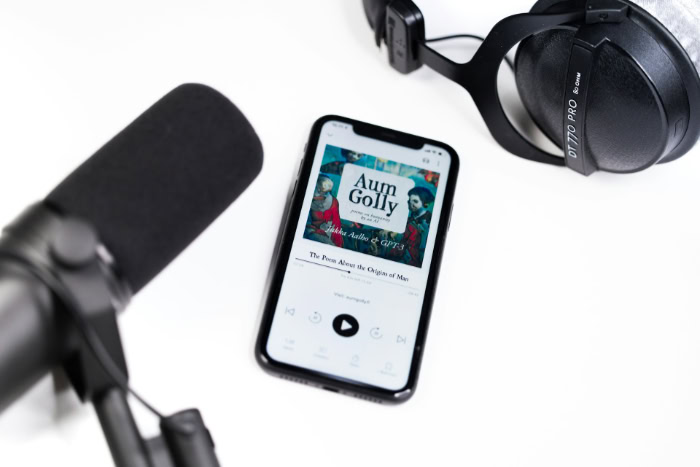
Acquiring audio files is incredibly convenient, with multiple distribution channels available to suit different budgets and reading habits. Listeners can choose from premium commercial storefronts, utilize local community resources, or browse massive open-source catalogs.
Retail and Subscription Platforms
For those who want immediate access to the latest bestsellers and new releases, commercial storefronts are the most popular option. Users have two primary ways to buy from these platforms.
The first is an a la carte method, where you simply pay the retail price for an individual title and add it to your permanent library. Alternatively, frequent listeners often prefer monthly subscription models.
In this setup, users pay a flat monthly fee to receive a credit, which can then be exchanged for any audiobook regardless of its normal retail price. This credit system offers significant savings for consumers who finish several books a month.
Public Library Networks
You do not have to spend money to enjoy high-quality narration. Local public libraries offer vast digital collections that patrons can access completely for free.
All that is required is an active library card and a compatible mobile application. Once connected to the network, users can browse the library catalog, borrow titles, and download them directly to their personal devices.
Just like physical books, these digital files have specific loan periods and will automatically return themselves on the due date, ensuring you never have to worry about late fees.
Public Domain Archives
Another excellent resource for free literature lies in open-source archives. Dedicated websites focus on books that are no longer protected by copyright law, which generally includes classic literature published before the early twentieth century.
Because these texts belong to the public domain, dedicated volunteers from around the world record themselves reading the chapters aloud and upload the audio files for anyone to use. While the production quality might vary from one volunteer to the next, these archives provide unrestricted access to thousands of historical works, poetry collections, and famous novels.
The User Experience: Benefits and Software Solutions

The modern auditory reading experience goes far beyond simply pressing a play button. Mobile applications are built to accommodate busy lifestyles while offering robust software tools to customize playback.
These integrated features ensure that listening remains accessible, engaging, and easy to manage on any device.
Lifestyle and Accessibility Benefits
One of the primary advantages of listening to a book is the ability to multitask. Unlike reading physical pages, which demands your full visual attention and both hands, audio files allow you to absorb stories while driving, exercising, or walking the dog.
Furthermore, auditory reading provides a welcome break from the harsh blue light of computer monitors and televisions, helping to reduce eye strain and screen fatigue. This format also serves as a crucial accessibility tool.
Visually impaired individuals, as well as those with reading disabilities like dyslexia, can enjoy literature without the barriers presented by traditional printed text.
Solving Focus Challenges with Software
A common concern among new listeners is the fear of zoning out and losing their place in the story. Fortunately, modern applications include intuitive software features to prevent this issue.
If your mind wanders, you can easily scrub back a few seconds or use digital bookmarking to save specific chapters for later review. Adjustable playback speeds offer another layer of customization.
Listeners who process information quickly can speed up the narrator, while those who want to savor the performance can slow it down. Additionally, built-in sleep timers automatically pause the audio after a set duration, ensuring you do not sleep through several chapters if you listen in bed.
Managing Digital Storage
High-quality audio files hold hours of recorded sound, meaning they can take up a substantial amount of storage space on a mobile phone or tablet. Applications give users different options to manage this data effectively.
If you plan to travel or commute through areas with poor internet reception, you can download the entire file directly to your device ahead of time for uninterrupted offline listening. Conversely, if you want to conserve memory on your phone, you can choose to stream the audio over a stable Wi-Fi connection.
Streaming plays the file over the internet in real time, leaving your device storage completely free.
Conclusion
An audiobook is simply a professional voice recording of a written work. Production varies from single voice actors to full theatrical casts, giving listeners multiple ways to experience a story.
Today, accessing these files is effortless using the smartphones, smart speakers, or vehicle dashboards you already own. As daily schedules become more demanding, auditory reading provides a highly flexible, accessible alternative to traditional physical books.
This format fits seamlessly into modern routines, allowing you to enjoy literature no matter how busy your day gets.
Frequently Asked Questions
What equipment do I need to listen to an audiobook?
You only need a basic smart device like a smartphone, tablet, or computer. By downloading a dedicated mobile application, you can purchase, borrow, and play audio files instantly. You can also connect wireless headphones or Bluetooth speakers for a better listening experience.
Are audiobooks considered real reading?
Yes, listening to an audiobook offers the same cognitive benefits and story comprehension as reading a physical text. Your brain processes the narrative information similarly. This auditory format simply provides an alternative method for consuming literature when sitting down with a printed copy is not possible.
How long does it take to listen to an audiobook?
The average novel takes roughly eight to ten hours to complete at standard playback speed. However, total duration depends entirely on the word count of the original text. You can easily adjust the playback speed in your app to finish the story faster if desired.
Can I listen to audiobooks for free?
You can easily borrow digital audio files completely for free using your local public library card. Many libraries utilize dedicated mobile applications that allow you to check out titles directly to your phone. Additionally, public domain archives offer free volunteer-narrated recordings of classic literature online.
Does listening to audiobooks use cellular data?
Streaming an audio file directly over a cellular network will consume your mobile data. To prevent this, you should connect to a reliable Wi-Fi network and download the complete file to your phone. Once downloaded, you can listen entirely offline without using any extra data.
About the Author: Elizabeth Baker


