
What Is an IP Rating? The Codes Explained

You drop a brand-new smartphone in the sink and panic sets in. The box promised “IP68” durability, but that alphanumeric code often feels meaningless when your expensive electronics are submerged in water.
IP stands for Ingress Protection (or International Protection) and refers to a global standard set by the International Electrotechnical Commission (IEC). This system provides a scientific classification for how well a device seals out foreign bodies like dust and moisture.
Instead of relying on vague advertising promises, you can use these official ratings to verify exactly what your gear can handle. By translating these technical digits into practical limits, you will know if that new purchase is truly waterproof or merely water-resistant.
The Anatomy Of An IP Code
An IP code might look like a random alphanumeric string to the uninitiated, but every character represents a precise engineering standard. The system follows a rigid syntax that always begins with the letters “IP,” which stand for Ingress Protection.
These letters are immediately followed by two digits, such as IP67 or IP54. The first digit ranks the device's ability to keep out solids like dust and dirt, while the second digit measures its resistance to liquids.
Decoding The Syntax
The arrangement of these numbers is strictly standardized to ensure consistency across different manufacturers and industries. The first number always refers to solid particle protection, and the second number always refers to liquid ingress protection.
This format allows consumers to quickly assess the durability of a product without reading through pages of technical manuals.
Independent Indicators
A common misconception is that a high rating in one area implies a high rating in the other. These two figures operate completely independently.
A device might have excellent protection against water but zero protection against dust, or vice versa. For example, an electrical socket might be rated to withstand physical probing by tools but offer no defense against moisture.
Each digit must be evaluated on its own merit based on how you intend to use the equipment.
The “X” Placeholder
Sometimes you will see a rating where one of the numbers is replaced by the letter X, such as IPX7. This does not mean the device failed the test or has zero protection.
It simply indicates that the manufacturer did not subject the device to testing for that specific category. An IPX7 rating means the item is certified for water immersion but has no official rating for dust resistance.
This is common in products like specialized waterproof gear where dust ingress is not a primary concern for the functionality of the device.
The First Digit: Protection Against Solids

The first number in the IP code ranges from 0 to 6. This scale measures the size of the foreign object that the enclosure can keep out.
A rating of 0 means there is absolutely no protection against contact or ingress of objects. As the number rises, the size of the allowable object decreases until the device is completely sealed against microscopic particles.
Protection From Large Objects
Levels 1 through 4 focus on preventing larger objects from entering the device enclosure. Level 1 protects against accidental contact with large body parts, such as the back of a hand.
Level 2 ensures that a finger cannot penetrate the casing. As the scale moves to levels 3 and 4, the focus shifts to tools, thick wires, and screws.
These ratings are crucial for ensuring safety around electrical equipment, preventing users from accidentally touching live components with a screwdriver or a stray wire.
Dust Resistance Levels
The strictest standards for solids are found at levels 5 and 6. These are the ratings that matter most for smartphones and outdoor electronics.
Level 5 indicates “dust protected” status. In this scenario, some dust may enter the enclosure, but it will not accumulate in quantities sufficient to interfere with the operation of the equipment.
Level 6 is the gold standard known as “dust tight.” A device with a leading 6 allows absolutely no ingress of dust; it is completely vacuum sealed against particles.
This level of protection is essential for devices used in construction zones, workshops, or sandy beach environments.
The Second Digit: Protection Against Liquids

The second digit deals with moisture and ranges from 0 to 9K. This scale covers everything from vertical dripping water to high-pressure, high-temperature jet sprays.
Just like the solids rating, a 0 indicates no protection at all. The lower numbers generally address varying angles of sprays and drips, while the higher numbers tackle volume, pressure, and total submersion.
Sprays And Splashes
Levels 1 through 4 provide resistance against light moisture exposure. Level 1 covers vertical drips, simulating light condensation.
Level 4 protects against water splashing from any direction. This is the standard typically seen in fitness trackers, wireless earbuds, and kitchen appliances.
These devices can handle sweat, rain, or an accidental spill from a water glass, but they are not designed to be submerged or subjected to a focused stream of water.
Immersion Capabilities
The ratings that suggest a device is “waterproof” typically start at level 7. An IPx7 rating guarantees that the device can withstand temporary immersion in water up to 1 meter deep for 30 minutes.
Level 8 goes a step further. While the IEC sets the baseline, the manufacturer specifies the exact depth and duration for level 8, meaning it is generally greater than 1 meter.
This is the rating found on flagship smartphones and diving watches. However, even these high ratings have limits; they are tested in still water and do not account for high velocity or extreme depths beyond the stated specifications.
Interpreting Common Ratings In The Market
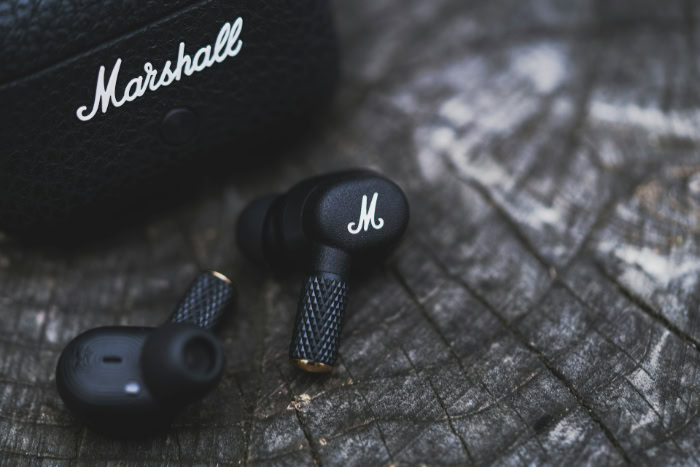
Marketing materials often use broad terminology to describe durability, but the IP rating provides the concrete data necessary to cut through the hype. By looking at specific codes, consumers can discern exactly how a product will perform in daily scenarios.
This distinction helps separate devices that can survive a heavy downpour from those that can handle a dunk in the pool.
Water-Resistant vs. Waterproof
The terms “water-resistant” and “waterproof” are often used interchangeably in conversation, but they imply very different capabilities in the context of IP ratings. A device rated IP54 is considered water-resistant.
It can handle light rain or a sweaty workout without failing, but it will likely suffer permanent damage if dropped in a sink. In contrast, a rating of IP67 or IP68 is generally required for a device to be marketed as waterproof.
These ratings indicate that the internal components remain safe even when the device is fully submerged, bridging the gap from simple splash protection to true underwater survivability.
Comparing IP67 And IP68
The most common ratings for modern smartphones are IP67 and IP68, yet the difference between them is often misunderstood. An IP67 device is certified to survive in one meter of water for 30 minutes.
An IP68 rating indicates that the device can withstand conditions more severe than IP67. However, the exact depth and duration for IP68 are defined by the manufacturer, not the IEC.
One brand might define IP68 as 1.5 meters for 30 minutes, while another might claim 6 meters for an hour. Therefore, an IP68 rating always requires checking the specific technical specifications to know the true limits of the device.
Device-Specific Standards
Different product categories tend to settle on specific ratings that match their typical usage patterns. Wireless earbuds and fitness trackers often carry an IPX4 rating.
This level protects against sweat and light rain, which is sufficient for athletic use. Conversely, outdoor security cameras usually require an IP65 or IP66 rating.
These devices do not need to be submerged, but they must withstand heavy storms, wind-driven rain, and dust accumulation over long periods. Knowing these category norms helps buyers identify if a product meets the baseline expectations for its intended environment.
Limitations And Real-World Variables

While an IP rating offers a standardized measure of protection, it is not an absolute guarantee of invulnerability. These tests represent a snapshot of a device's performance under strict, idealized conditions.
The real world introduces variables that can compromise seals and bypass protections that held up perfectly in a laboratory setting.
Lab Conditions Versus Reality
IP certification tests take place in controlled laboratories using fresh, stagnant water. The device is typically lowered gently into a tank to avoid pressure spikes.
This environment is starkly different from real-life accidents. Dropping a phone into a toilet or a puddle involves impact and turbulence, which can force liquid into crevices that would remain sealed during a static immersion test.
The rating proves the seal exists, but it does not account for the chaotic nature of accidental drops.
Liquid Composition Risks
Manufacturers explicitly state that IP ratings apply only to fresh water. Salt water, found in oceans, is highly corrosive and can degrade rubber seals or short-circuit charging ports much faster than fresh water.
Chlorinated pool water and soapy water are equally problematic. Chemicals and soaps lower the surface tension of water, allowing the liquid to slip past mesh guards and hydrophobic coatings that would otherwise repel plain water.
Consequently, a “waterproof” phone can still suffer liquid damage if exposed to these common yet chemically distinct fluids.
The Dangers Of Dynamic Pressure
Water pressure is not just about depth; it is also about velocity. A device rated for submersion might fail instantly if subjected to high-velocity water.
Activities like water skiing, surfing, or even standing under a high-pressure shower head generate dynamic pressure that far exceeds the static pressure found at 1 or 2 meters of depth. This force can push water through gaskets and seals that are designed only to withstand the gentle weight of standing water.
Aging And Physical Wear
Water resistance is not a permanent condition. The adhesive seals and rubber gaskets that protect internal components degrade over time due to normal aging.
Exposure to extreme heat, such as leaving a device in a car on a summer day, can weaken the glues. Furthermore, physical shocks from dropping a device can slightly misalign the chassis.
Even a drop that leaves no visible scratch on the screen might create a microscopic gap in the seal, rendering the IP rating void long before the device touches water.
Conclusion
An IP rating serves as a precise scientific measurement rather than a hollow marketing slogan. It transforms vague durability claims into concrete data, allowing you to see past the advertisements and understand exactly what a device can handle.
However, a high rating does not act as a comprehensive insurance policy. Most manufacturers explicitly exclude liquid damage from their standard warranties, meaning a drowned phone often leads to an expensive repair bill regardless of its IP68 badge.
You should always read the fine print before assuming your device is safe to submerge. In the end, the best protection comes from matching the rating to your specific environment.
Prioritize the first digit if you work in dusty construction zones, or focus on the second digit if you spend your weekends near the water.
Frequently Asked Questions
What does an IP68 rating actually mean?
An IP68 rating indicates a device has reached the highest standard for dust protection and a high level of water resistance. The “6” means the unit is completely dust-tight. The “8” signifies it can be submerged in water deeper than one meter, usually for 30 minutes, depending on manufacturer specifications.
Can I swim or shower with an IP68 phone?
Swimming and showering with your phone are risky activities despite the high rating. The dynamic pressure from swimming strokes or high-velocity shower jets can breach the seals designed for static water pressure. Furthermore, soap and chlorine can degrade the water-resistant gaskets and adhesives over time.
What is the difference between IP67 and IP68?
The main difference lies in the liquid protection level. An IP67 device allows for submersion up to one meter for 30 minutes. An IP68 device exceeds this depth or duration, but the exact limit varies by product. You must verify the manufacturer's specific definition for the “8” rating.
Does an IP rating cover salt water or soda?
No, IP tests are conducted strictly with fresh water. Liquids like salt water, soda, and pool water contain chemicals or minerals that can corrode charging ports and rubber seals. If your device is exposed to anything other than fresh water, you should rinse it immediately to prevent long-term damage.
Is water resistance permanent?
Water resistance is a temporary condition that fades as your device ages. Physical drops, temperature fluctuations, and daily wear weaken the adhesive seals that protect internal components. A phone that is waterproof on day one may lose its ability to repel liquid after a year of normal use.
About the Author: Elizabeth Baker


