
What Is Social Media? Beyond the Likes and Shares

The average person spends over two hours every day scrolling through apps that influence everything from their career prospects to their self-esteem. Your digital presence is no longer just a hobby.
It is a permanent extension of your identity that shapes how the rest of the planet perceives you. This shift moved the internet away from being a one-way library where you simply read information.
Instead, it became a massive, live conversation where you act as both the audience and the author.
Key Takeaways
- Social media relies on active user participation, turning every account holder into a content creator who helps shape the digital conversation.
- Platform algorithms analyze your personal behavior and past interests to decide exactly which posts appear at the top of your feed.
- Virtual communities allow you to connect with people based on specific interests rather than being limited by your physical location.
- Businesses and professionals use these networks as living portfolios to reach global audiences and build brand loyalty without traditional advertising costs.
- Managing privacy settings and limiting screen time are necessary steps to protect your personal data and your mental well-being.
The Core Principles of Social Media
Social media functions through the active participation of its users. Unlike traditional television or newspapers where information flows in one direction, these platforms rely on a continuous exchange of information.
Every person with an account is a potential broadcaster, making the experience collaborative by design.
Interactivity and Engagement
The defining trait of these platforms is the social component. Users are not just passive viewers; they are active participants who shape the conversation.
Every time a person reacts to a post or joins a discussion, they influence the direction of that content. This two way communication means that the boundary between the creator and the audience has largely disappeared.
User-Generated Content
The raw material of every platform is the content provided by the users themselves. Whether it is a high resolution photo, a brief status update, or a long video, the value of the network comes from the contributions of its members.
This shift moved power away from massive media corporations and placed it into the hands of anyone with a smartphone and an internet connection.
Virtual Communities and Networks
Digital spaces allow people to congregate based on shared interests rather than where they live. These networks form around hobbies, professional goals, or personal identities.
By removing geographical barriers, social media allows for the formation of tight knit groups that provide support and camaraderie to people who might feel isolated in their physical surroundings.
The Anatomy of a Social Platform
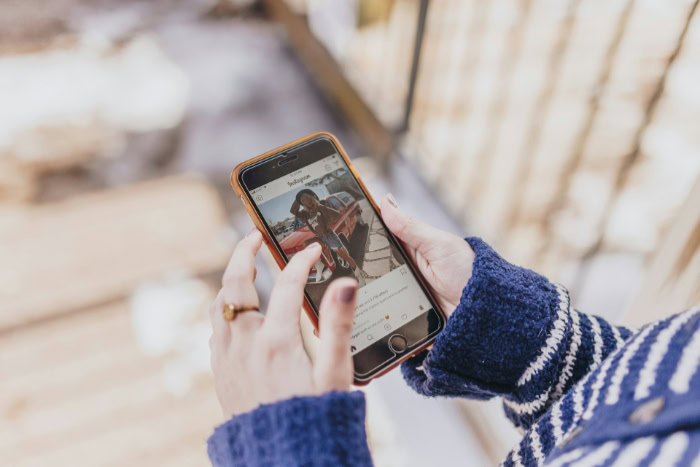
While every application offers a different aesthetic, most share a fundamental architecture designed to organize information and facilitate interactions between millions of accounts. These structural components work together to turn raw data into a coherent experience.
The User Profile
The profile is a digital representation of an individual or a brand. It usually includes a biography, a profile picture, and a history of previous posts.
Users curate these pages to project a specific image to the public or their specific friend group. This digital identity serves as the anchor for all interactions within the network, allowing others to identify and connect with them.
News Feeds and the Role of Algorithms
The news feed is the primary stream of content that users see when they open an app. Because there is too much information for any human to process, platforms use complex algorithms to decide what appears first.
These systems analyze a user’s past behavior, interests, and connections to prioritize content that is most likely to keep them engaged. This curation ensures that each person sees a version of the platform tailored specifically to their preferences.
Engagement Mechanisms
To encourage interaction, platforms provide a set of tools that allow users to react to what they see. “Likes” and “shares” act as a form of social currency, signaling the popularity and reach of a post. Comments allow for direct public dialogue, while hashtags help categorize content so it can be found by people outside of a user’s immediate circle.
Direct messaging provides a more private layer for one on one conversations.
Categorizing the Social Media Landscape

Users choose specific apps based on whether they want to find a career, watch entertainment, or debate a specific topic. Understanding these categories helps in choosing the right tool for a specific goal.
Social Networking and Professional Circles
Some platforms focus primarily on maintaining personal relationships or building a career. Sites like Facebook are designed for connecting with friends and family, sharing life updates, and organizing local events.
In contrast, professional networks like LinkedIn focus on resumes, job postings, and industry insights. These spaces are often less about entertainment and more about building a reliable network of contacts.
Media Sharing and Visual Storytelling
Visual platforms prioritize imagery and video over text. Instagram and TikTok focus on short form, highly engaging visual content that often relies on trends and music.
YouTube serves as a massive library for long form broadcasts and educational videos. These platforms are the primary home for creators who use storytelling through a lens to reach a global audience.
Discussion Forums and Community Boards
Platforms like Reddit or Quora are organized around topics rather than individuals. In these spaces, the identity of the user is often less important than the quality of the information or the debate they provide.
These forums are ideal for finding niche information, asking specific questions, or participating in anonymous discourse about specialized subjects.
The Value of Social Connectivity

Beyond entertainment, these networks provide tangible benefits that offer a way to collapse distances and gain access to opportunities that might otherwise be out of reach. They have fundamentally changed how people access resources and each other.
Personal and Global Connection
Social media makes it possible to maintain deep relationships with people on the other side of the planet. For those in marginalized groups or with rare interests, these networks provide a sense of belonging that may be unavailable in their local towns.
This global reach ensures that emotional support and friendship are no longer limited by physical borders.
Professional Branding and Business Growth
For businesses, social media is a powerful tool for reaching customers without the high cost of traditional advertising. It allows small companies to compete with global brands by building a loyal community.
For individuals, these platforms act as a living portfolio, showcasing their skills and expertise to recruiters and potential clients around the world.
Real-Time Information and Education
Information now travels faster on social media than through traditional news outlets. During major events, eyewitness accounts provide immediate updates to the public.
Furthermore, these platforms provide direct access to experts and educational content, allowing anyone to learn new skills or stay updated on industry trends for free.
Navigating Challenges and Digital Well-being

Great connectivity brings significant risks that require constant vigilance. Users must balance the benefits of being online with the potential for privacy breaches, mental fatigue, and the spread of false information.
Privacy, Security, and Data Ownership
Every action on a social platform creates a data trail. Companies often track user behavior to sell targeted advertising, which raises concerns about how much personal information is being shared.
Beyond corporate tracking, users face risks from identity theft and hacking. Managing privacy settings and being selective about what is shared publicly are essential steps for staying safe.
Mental Health and the Comparison Trap
The curated nature of social media often leads to a “highlight reel” effect, where people only post their best moments. This can create an unrealistic standard that leaves others feeling inadequate or anxious.
Digital addiction is another concern, as the constant stream of notifications can disrupt sleep, focus, and real life interactions. Setting boundaries on screen time is vital for maintaining a healthy perspective.
Information Integrity and Digital Literacy
The ease of sharing content makes it simple for misinformation to spread rapidly. Algorithms can also create “echo chambers,” where users are only exposed to opinions that confirm their existing beliefs.
Developing digital literacy involves verifying sources, looking for bias, and engaging with a wide variety of viewpoints to ensure a more accurate understanding of the world.
Conclusion
Social media has evolved into a primary utility for the modern age, serving as a main method for human interaction and professional networking. It provides a massive infrastructure for sharing ideas, building businesses, and staying updated on global events in real time.
While these platforms offer immense power to connect and educate, they also come with significant responsibilities regarding privacy and mental health. Success in the digital age requires a deliberate strategy where you use these tools to achieve your goals without being consumed by their design.
By staying aware of how algorithms and data tracking work, you can maintain control over your digital identity.
Frequently Asked Questions
Why does my feed show me stuff I didn’t ask for?
Social media platforms use algorithms to show you content based on your previous likes and search history. These systems track your behavior to predict what will keep you engaged for the longest amount of time. This results in a feed that is personally customized to your specific interests and habits.
How can I keep my personal info safe on these apps?
You should review your privacy settings and be selective about the personal details you post publicly. Many platforms allow you to hide your profile from search engines or limit who can see your photos. Regularly updating your passwords and enabling two factor authentication provides an extra layer of security.
Is it possible to use social media for my career?
You can use professional networks to build a digital portfolio and connect with leaders in your field. By sharing your expertise and engaging in industry discussions, you make yourself visible to recruiters and potential clients. This helps you establish a professional brand that reaches far beyond your local area.
What should I do if social media makes me feel anxious?
Setting strict limits on your screen time and unfollowing accounts that trigger negative feelings can improve your well-being. The “comparison trap” happens when you judge your real life against someone else’s highlight reel. Taking regular breaks from the apps helps you maintain a healthier perspective on reality.
How do I know if a post I see is actually true?
You can verify information by checking reputable news sources and looking for bias in the original post. Misinformation often spreads quickly because it triggers a strong emotional reaction from the reader. Developing a habit of fact checking before you share content prevents the spread of false or misleading claims.
About the Author: Julio Caesar


