
What Is Venmo and How Does It Work? The Complete Guide

Fumbling for exact change to split a dinner bill or pay the monthly rent is officially obsolete. Digital payments have completely replaced physical cash for these everyday situations, allowing friends and roommates to settle debts instantly.
Venmo leads this financial shift as a highly popular peer-to-peer mobile payment application designed for seamless money transfers. While sending cash with a quick tap feels effortless, new users must still learn how the platform operates behind the scenes before linking their bank accounts.
Key Takeaways
- Venmo simplifies splitting bills and shared expenses by allowing instant, mobile money transfers directly from your smartphone.
- Funding a payment through a linked checking account, a standard debit card, or an existing app balance is entirely free.
- The platform features a public social feed by default, but users can easily adjust their privacy settings to hide all personal transactions.
- Because mobile payments process instantly and are practically irreversible, you should only send money to individuals you personally know and trust.
The Core Concept: What Exactly Is Venmo?
Venmo operates as a popular peer-to-peer mobile payment platform designed to simplify how people exchange money. Instead of handling physical cash or writing checks, users can instantly send funds to friends, family, or approved merchants using just a smartphone.
The application has grown into a major financial tool for millions of people looking for a straightforward way to manage everyday expenses.
Ownership and Infrastructure
The platform relies on a highly established financial backbone, thanks to its ownership by PayPal. PayPal acquired the company many years ago, integrating its own robust security measures and payment processing capabilities into the app.
This relationship provides a familiar foundation for users who already trust PayPal with their financial data, ensuring that money transfers are processed efficiently and safely.
Geographic Availability
While peer-to-peer payments are common globally, Venmo restricts its services strictly to the United States. To use the application, both the sender and the receiver must be physically located within the country.
Furthermore, users are required to have a U.S. mobile phone number and a U.S. bank account. International transfers are not supported, making this a purely domestic financial solution.
Primary Use Cases
The platform thrives in situations that require splitting costs among multiple people. Common scenarios include dividing a dinner bill, collecting monthly rent from roommates, or pooling money for a group vacation.
Because the app makes sending exact amounts incredibly easy, it removes the awkwardness of tracking down physical change and allows casual transactions among friends to happen in seconds.
Beyond P2P Payments
The company has expanded its offerings well past simple money transfers to friends. Users can apply for the Venmo Mastercard Debit Card, which allows them to spend their in-app balance directly at physical retail stores or online.
Additionally, there is a Venmo Credit Card that offers cash back rewards on purchases. These physical cards provide more ways for people to incorporate their digital balances into traditional retail environments.
Getting Started: How to Set Up and Transact

Opening a new account and preparing to send your first payment takes only a few minutes. The process requires downloading the mobile application and linking a secure funding source so that money can move freely between your traditional bank and your digital wallet.
Creating an Account
Signing up begins with providing a valid email address and a U.S. mobile phone number. The app will send a verification code to your phone to confirm your identity and secure the account.
Federal regulations also require financial applications to verify user identities, so you will eventually need to provide personal details like your legal name, date of birth, and Social Security Number to unlock all features.
Linking Funding Sources
To actually send money, you must connect a financial source to the application. Users can securely link a traditional checking account, a standard debit card, or a major credit card.
The platform uses encrypted connections to verify your banking details without exposing your login credentials. Linking a traditional checking account is often the most popular choice for users who plan to move money back and forth frequently.
Sending and Requesting Money
Initiating a transaction requires finding the correct person and deciding whether to send or request funds. You can easily search for a friend using their unique username, phone number, or email address.
To completely avoid typos and ensure the money goes to the right person, the app includes a built-in QR code scanner. After selecting the recipient, you enter the payment amount and add a mandatory note explaining the transaction before hitting the final submit button.
Managing Your Venmo Balance
When someone sends you money, those funds initially sit in your account as an in-app balance. You can leave the money there and use it to fund your future payments to other people.
Alternatively, you can initiate a withdrawal to move that balance over to your linked bank account. Managing this balance effectively allows you to control how much cash remains in your digital wallet versus your actual checking account.
Transfer Speeds and Fees
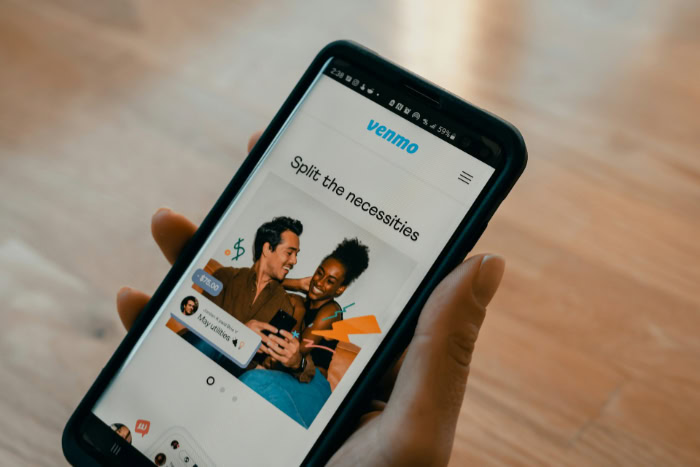
Moving money digitally often comes with questions about hidden costs and processing times. Fortunately, the platform offers multiple ways to send and withdraw funds for free, along with a few paid options for users who need expedited services or prefer to use credit.
Free Transactions
The vast majority of basic activities on the application will not cost you any money. Sending payments to family and friends incurs absolutely zero fees as long as you fund the transaction using a linked bank account, a standard debit card, or your existing in-app balance.
Receiving money and keeping it in your digital wallet is also completely free of charge.
Credit Card Surcharges
While debit cards and bank transfers are free, using a credit card to fund a peer-to-peer payment introduces a noticeable cost. The platform applies a standard 3 percent fee to the total transaction amount whenever a credit card is selected as the funding source.
This surcharge covers the processing costs charged by the major credit card networks.
Bank Withdrawal Timelines
Users have two distinct choices when moving money out of the app and into a personal bank account. The standard transfer option is entirely free and typically takes one to three business days for the funds to fully clear and appear in your bank.
For users who need immediate access to their cash, the instant transfer option pushes the money to an eligible debit card or bank account within minutes. This expedited service requires a percentage-based fee deducted directly from the total transfer amount, offering a trade-off between speed and cost.
The Social Feed and Managing Privacy

Venmo distinguishes itself from traditional banking applications by incorporating social media elements directly into the financial experience. Users do not just send money; they interact, comment, and share their payment activity with their personal network.
Because financial data is inherently sensitive, balancing this social atmosphere with proper privacy controls is essential for every user.
The Social Element of Payments
Opening the application reveals an interface that closely resembles a standard social media timeline. Instead of viewing standard bank statements, users scroll through a feed of payments made by their friends and contacts.
The actual dollar amounts remain hidden, but the payment notes are fully visible. This setup encourages people to use emojis, cryptic inside jokes, and witty descriptions when paying each other back for tacos or rent.
Users can even like and comment on these transactions, turning a basic financial transfer into a shared social interaction.
Understanding Privacy Tiers
To accommodate different comfort levels regarding financial visibility, the platform provides three distinct privacy settings.
The Public tier broadcasts the transaction participants and the payment note to anyone on the internet.
The Friends Only tier restricts this visibility so that only the sender's and receiver's mutual contacts can view the activity on their feeds.
Finally, the Private tier hides the transaction from the social feed entirely. Under this setting, the payment details are strictly visible only to the two individuals involved in the exchange.
Taking Control of Your Data
New users should immediately review their account settings to ensure their financial activity aligns with their personal privacy preferences. By accessing the privacy menu within the application, you can easily change your default transaction setting to Private.
This guarantees that all future payments remain hidden from the public timeline automatically. Additionally, the platform offers a helpful tool to retroactively hide past activity.
With a simple tap, you can restrict the visibility of every single payment you have ever made, instantly clearing your history from the public eye.
Security Measures and Fraud Prevention

Protecting your money requires a combination of robust software defenses and smart user habits. The application includes multiple layers of technical security to prevent unauthorized access to your account.
However, users must also remain vigilant against scams and accidental transfers by utilizing the built-in protections available during commercial transactions.
In-App Security Features
The platform equips users with several tools to block unauthorized access and protect sensitive banking information. Multi-factor authentication stands as the primary defense, requiring a secondary verification code sent to your mobile device whenever a login attempt occurs from an unrecognized phone or computer.
For localized device security, users can activate a personalized PIN code that must be entered before opening the app. Furthermore, you can enable biometric login options, such as facial recognition or fingerprint scanning, to ensure that only you can authorize a payment from your physical device.
The Golden Rule of P2P Payments
The most effective way to prevent financial loss is to treat every mobile payment exactly like handing someone physical cash. Once the money leaves your account, getting it back is exceptionally difficult.
Therefore, you should strictly limit your transactions to known, trusted individuals such as friends, family members, and verified roommates. Sending money to strangers on the internet for concert tickets or online goods carries significant risk, as scammers frequently use peer-to-peer applications to disappear with stolen funds.
Buyer and Seller Protection
If you must buy goods or services from someone you do not know personally, the application offers a specific safeguard. During the payment process, you can select the “Turn on for purchases” toggle before hitting the send button.
This feature applies a small fee to the transaction but grants access to official buyer and seller protections. If the purchased item never arrives or is significantly different from the description, the platform will investigate the claim and potentially refund your money.
This feature effectively acts as an insurance policy for commercial exchanges.
Addressing Mistakes
Human error happens, and occasionally a user might send funds to the wrong username. Because peer-to-peer transactions are processed instantly, they are generally irreversible.
The platform cannot simply cancel the transfer and return the funds to your checking account. If you make a mistake, the official protocol is to send a message to the recipient explaining the error and formally requesting the money back.
If the unknown recipient refuses to cooperate, you can contact customer support for assistance, though recovery of the funds is never guaranteed.
Conclusion
Venmo provides unmatched convenience for managing casual, daily financial exchanges. By completely removing the need for exact change, the platform allows friends and roommates to split bills and settle debts seamlessly. However, users must balance this incredible ease of use with highly responsible habits. Taking a few minutes to adjust your privacy settings, carefully verifying recipient usernames before sending funds, and remaining vigilant against potential scams will ensure a safe experience. By treating your digital wallet with the exact same caution as physical cash, you can enjoy the full benefits of mobile payments without exposing yourself to unnecessary risk.
Frequently Asked Questions
Is Venmo safe to use for mobile payments?
Venmo utilizes robust encryption and multi-factor authentication to secure your financial information. However, the platform is only safe when used correctly. You should only send money to trusted contacts and always enable built-in security features like PIN codes and biometric logins to prevent unauthorized access.
Does Venmo charge a fee to send money?
Sending money to family and friends is completely free if you use a linked bank account, a standard debit card, or your existing app balance. A three percent fee only applies if you choose to fund your transaction using a major credit card.
Can I use Venmo to buy things online?
Yes, many online merchants and applications now accept Venmo at checkout. When purchasing items from an individual you do not personally know, always use the built-in purchase protection toggle. This feature charges a small fee but secures your transaction against potential scams and undelivered goods.
Can I cancel a Venmo payment if I make a mistake?
Standard peer-to-peer payments process instantly and cannot be canceled once you press send. If you accidentally transfer money to the wrong person, your only option is to politely request the funds back. This is why verifying usernames before confirming a transaction is incredibly important.
Does Venmo work internationally for overseas transfers?
The platform strictly limits its services to the United States. You cannot send or receive money internationally. Both the sender and the recipient must possess a United States mobile phone number, be physically located within the country, and hold an American bank account.
About the Author: Elizabeth Baker


