
Why Are Flagship Phones Getting So Expensive? Explained

Five years ago, a $1,000 smartphone was a controversial luxury, yet today that same amount often only secures a base model with mediocre storage. Your next upgrade will likely cost as much as a high-end laptop or a month’s rent, forcing you to treat a pocket-sized device like a major financial commitment.
This price hike isn’t just corporate greed. It is driven by the race to pack desktop-class silicon and generative AI capabilities into a slab of titanium.
Manufacturers are now building hardware designed to stay functional for nearly a decade, which means they must recoup costs from customers who no longer trade in their devices every two seasons. To justify these massive receipts, the industry has fundamentally changed what a phone is meant to do.
Key Takeaways
- Integrated AI hardware and specialized Neural Processing Units have significantly increased the production cost of modern mobile chipsets.
- The transition from aluminum to premium materials like Grade 5 Titanium has raised manufacturing expenses due to more complex machining requirements.
- Brands are increasing prices to maintain profit margins as the global upgrade cycle slows from two years to nearly five years.
- Extended software support promises of up to seven years require massive research and engineering investments that are built into the initial purchase price.
- Sophisticated camera systems with one-inch sensors and periscope lenses now rival professional photography equipment, driving the cost of high-end models upward.
The Hardware Arms Race: AI and Internal Components
Modern smartphones function as handheld supercomputers. The internal race for power has moved past basic speed to focus on specialized tasks that require more expensive silicon.
As manufacturers pack more capabilities into smaller spaces, the cost of raw parts continues to climb.
The AI Tax on Silicon
The focus of mobile processors has shifted toward the Neural Processing Unit, or NPU. This specialized hardware allows a phone to process generative AI and machine learning tasks without sending data to a cloud server.
Because these chips require more physical space on the silicon wafer and more complex engineering, the price per chip has skyrocketed. Manufacturers pay a premium for these high-performance processors, and that cost is passed directly to the buyer.
RAM and Storage Inflation
Running large language models on a device requires a significant amount of temporary memory. While 8GB of RAM was once sufficient for a premium experience, modern AI demands 12GB or even 16GB just to function smoothly.
Higher resolution video and massive photo files also require faster, more expensive storage modules. These components are not getting cheaper at the rate they once did, making the base price of a phone much higher.
The Semiconductor Supply Conflict
Mobile phone brands are no longer the only ones fighting for the world’s most advanced chips. They now compete with the automotive industry and massive data centers for space on 3nm and 2nm production lines.
This high demand for limited manufacturing capacity keeps component prices high. When a factory has a limited supply of the world’s fastest chips, the highest bidder wins; the costs of those bidding wars end up on the consumer’s receipt.
Premium Materials and Structural Complexity

To distinguish luxury devices from mid-range options, brands have turned to high-end materials. Using premium substances ensures the device feels like a high-end product, but these choices introduce significant manufacturing hurdles.
Beyond Plastic and Aluminum
Grade 5 Titanium has replaced aluminum in the most expensive models. While titanium is incredibly strong and light, it is significantly harder to machine and finish than softer metals.
The tools required to shape these frames wear out faster, and the process takes more time. These industrial challenges make the chassis of the phone one of the most expensive parts of the entire build.
Display Innovations
Modern screens are far more than just glass panels. The move to LTPO technology allows screens to change their refresh rate dynamically to save battery, but these panels are expensive to produce.
Features like high-frequency PWM dimming to reduce eye strain and advanced anti-reflective coatings add further layers of complexity. Each of these improvements adds a few dollars to the production cost, which compounds across the entire device.
The Foldable Factor
Foldable phones represent a major engineering leap that requires flexible ultra-thin glass and complex mechanical hinges. These parts are prone to higher failure rates during manufacturing compared to standard flat screens.
Because the production yield for these components is lower, the price for the finished units must remain high to cover the cost of the screens that did not make it past quality control.
The Economics of Longevity and Support

The financial model for smartphones has shifted from selling a new phone every two years to supporting one for many years. This change in consumer behavior has forced companies to find new ways to maintain their profit margins over a longer period.
The Cost of 7-Year Software Promises
Many brands now promise seven years of security and operating system updates. Maintaining a dedicated team of engineers to test and optimize new software for old hardware for nearly a decade is an enormous expense.
These long-term labor costs are built into the initial purchase price, as the manufacturer will not see another hardware sale from that customer for several years.
The Slowing Upgrade Cycle
Most people now keep their devices for four or five years instead of two. As the total number of phones sold globally plateaus, manufacturers increase the price of each unit to protect their bottom line.
If a brand cannot sell more phones, they must make more profit on every individual sale to satisfy shareholders and fund future research.
Component Durability Standards
Building a device to survive five or more years of daily use requires better engineering. High IP68 or IP69 ratings for water and dust resistance require expensive seals and precise assembly.
Advanced thermal management systems are also necessary to prevent the battery and processor from degrading over time. These investments in durability ensure the phone stays functional for years, but they also contribute to the rising entry price of flagship hardware.
Strategic Brand Positioning and Market Tiering
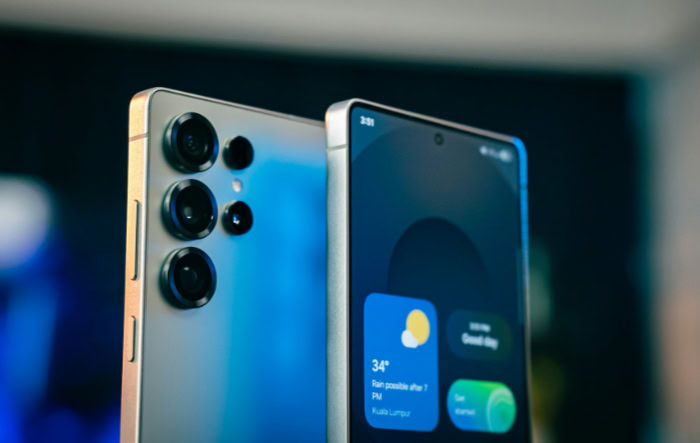
Pricing a phone is no longer just about covering the cost of parts and labor. It is a calculated move to define where a brand sits in the social hierarchy.
By creating multiple tiers, manufacturers can target different income levels while maintaining an air of exclusivity around their top-tier products.
The Ultra Strategy
Companies often release a super-premium model to set a new ceiling for what a phone can cost. This makes the standard high-end models seem reasonably priced by comparison.
When a device exists at the $1,600 mark, a $1,100 phone feels like a middle-of-the-road option rather than the luxury purchase it actually is. This shift in perception allows brands to move the entire market toward higher price points without scaring off their loyal customer base.
Smartphones as Veblen Goods
For some consumers, the high price is the main attraction. These devices function as status symbols that signal a person’s ability to afford the latest technology.
By locking specific colors, titanium finishes, or advanced camera sensors behind the most expensive tiers, brands lean into the idea that owning a flagship is about membership in an elite group. The price tag itself becomes a feature that suggests superior quality and social standing.
Profit Margin Protection
The global market for smartphones has become saturated, meaning most people who want a phone already have one. Since brands can no longer rely on millions of first-time buyers every year, they must extract more profit from every sale.
Increasing the average selling price allows these companies to report record profits even as the total number of units shipped begins to decline. This economic reality means the consumer pays more to ensure the manufacturer remains profitable in a crowded market.
Assessing the Value Gap: Utility vs. Price

As the price of technology rises, the actual benefit to the average user begins to plateau. While the numbers on a spec sheet continue to grow, the difference in daily performance is often difficult to notice.
This creates a tension between the high price paid and the actual utility gained by the owner over the life of the device.
Diminishing Returns in Performance
Modern processors are incredibly fast, but the average user spends most of their time on apps that do not require such extreme power. A 20% increase in raw speed rarely translates to a noticeably better experience for browsing the web or sending messages.
Paying hundreds of dollars more for performance that only benefits heavy gaming or 4K video editing represents a poor value for the general public, as the hardware is often more capable than the software people use.
The Professionalization of Mobile Cameras
One area where the money is clearly visible is in the camera system. Manufacturers are now fitting phones with one-inch sensors and intricate periscope zoom lenses that require expensive optics.
These components allow a phone to rival dedicated professional cameras in certain conditions. For those who use their phone as their primary creative tool, these additions might justify the cost; however, for everyone else, they represent a professional-grade expense for casual snapshots.
The Mid-Range Resurgence
The high cost of top-tier devices has opened a door for a new generation of affordable alternatives. These mid-range phones offer high-quality screens and fast charging for a fraction of the cost of an Ultra model.
As these more affordable devices narrow the gap in quality, the decision to spend $1,500 on a premium phone becomes harder to justify for those who prioritize practical functionality over prestige or niche professional features.
Conclusion
The rise in smartphone prices is the result of a complex shift involving expensive AI silicon, premium materials, and a change in how companies make money. Today’s flagship is no longer just a communication device; it is a professional workstation designed to stay functional for seven years or more.
Manufacturers have traded high sales volume for higher margins, betting that customers will pay more upfront for a device that stays relevant for half a decade. Ultimately, the market has moved from a culture of frequent upgrades to one of lasting value.
Buying a top-tier phone now means paying for a decade of software support and hardware that will not fail, even as the era of the cheap premium phone fades away.
Frequently Asked Questions
Why is my new phone more expensive than my laptop?
Modern flagship phones now use 3nm processors and specialized AI hardware that are often more expensive to produce than standard laptop chips. These devices also feature advanced LTPO displays and titanium frames that carry high manufacturing costs. You are essentially paying for a high-performance computer that fits in your pocket.
Do I really need 16GB of RAM in a smartphone?
High RAM counts are becoming necessary to run generative AI models and complex photography software directly on your device. While 8GB was once the standard, modern software requires more memory to multitask without slowing down. This extra capacity ensures your phone remains fast as apps become more demanding over several years.
Why are companies promising seven years of updates now?
Manufacturers offer longer software support because consumers are keeping their phones for much longer than they used to. By guaranteeing updates, brands justify a higher initial price tag while ensuring the device remains secure. This shift encourages people to view a smartphone as a durable investment rather than a disposable gadget.
Is titanium actually better than aluminum for a phone?
Titanium is prized for being stronger and lighter than aluminum, but it is much more difficult and expensive to shape. This material allows for a more durable frame that can withstand drops while keeping the device light. However, the specialized tools needed to machine titanium significantly drive up the final retail price.
Can I get a good phone without spending $1,500?
You can find excellent performance in the mid-range market where devices offer many flagship features at half the price. These more affordable models usually cut costs by using glass or plastic instead of titanium and omitting professional-grade zoom lenses. For most users, these phones provide everything needed for a great experience.
About the Author: Elizabeth Baker


