
Why Is My Smart TV So Slow? How to Fix It

Pressing a button on your remote control and waiting several seconds for a streaming app to open can turn a relaxing evening into an exercise in frustration. Since modern televisions are essentially specialized computers, their performance degrades over time as software demands outpace the built-in hardware.
UI lag, unresponsive menus, and constant buffering often stem from bloated system caches, background tracking, or limited memory capacity. While these delays might seem like a permanent defect of an aging device, they are frequently solvable issues.
By identifying the hidden bottlenecks in your system and applying targeted adjustments, you can reclaim a responsive viewing experience and avoid the cost of an unnecessary replacement.
Key Takeaways
- Execute a full power cycle: Unplugging your television from the wall outlet for sixty seconds drains internal power and clears the volatile system RAM, which resolves many sudden performance drops.
- Maintain storage reserves: Keeping twenty to twenty-five percent of your television’s internal flash storage empty prevents the severe system slowdowns that occur when storage drives approach maximum capacity.
- Disable background telemetry: Turning off automated diagnostic tracking and user data collection in your television’s privacy settings frees up valuable CPU cycles for a more responsive interface.
- Optimize connection frequencies: Connecting your television directly with an Ethernet cable, or switching to a 5 GHz Wi-Fi frequency, stabilizes your network bandwidth and reduces processor strain from signal search.
- Bypass outdated systems: If your television is older or lacks sufficient processing hardware, installing a dedicated external streaming media player entirely bypasses the slow built-in software.
Primary Causes of Smart TV Performance Degradation
Smart TVs often start off fast and responsive, only to gradually slow down over months and years of use. This drop in performance is rarely the result of physical wear on the screen or components, but rather a mismatch between the demands of modern applications and the limited resources of the television.
Understanding what happens behind the screen can help clarify why menus freeze and apps take so long to load.
Hardware Limitations and Low Memory Allocation
Unlike smartphones or computers, which are updated with powerful hardware every year, televisions are often manufactured with budget processors to keep retail prices low. These built-in chipsets are designed primarily for video processing rather than handling complex interactive operating systems.
Furthermore, many televisions contain very small amounts of random access memory (RAM). When modern streaming services update their software, the new code demands more memory to run smoothly, leaving the television with insufficient RAM to handle basic tasks without stuttering.
Software Bloat and Background Tasks
Most modern televisions come with pre-installed applications, often referred to as bloatware, that cannot be easily deleted. Many of these programs run silent background processes that consume system resources even when they are not in use.
Additionally, modern home screens are no longer simple launchers; they are filled with interactive menus, auto-playing video previews, and dynamic advertisements. Every ad banner and recommendation carousel requires ongoing data processing and rendering, which drains valuable processing power away from the applications you actually want to use.
Accumulated System Cache and App Data
Every time you watch a movie, browse a catalog, or use an application, the television stores temporary data in its flash memory. This system cache is intended to make apps load faster by saving images and configuration files locally.
However, over time, these temporary files pile up and fill the internal storage. Since flash memory slows down significantly as it approaches its maximum capacity, a full storage drive directly degrades the overall responsiveness of the system, leading to frozen screens and sluggish menu transitions.
Weak Internet Connection vs. Device Lag
It is important to separate a slow system interface from a poor network connection. If the home screen lags when you press buttons, the issue is system performance.
If menus transition smoothly but video playback pauses with a spinning wheel, the culprit is likely network buffering. Standard 2.4 GHz Wi-Fi frequencies are highly prone to interference from other household devices and neighboring networks, which drops the available bandwidth and forces the TV to work harder to maintain a stable stream.
Quick System Maintenance and Reboot Methods

When a television begins to stutter, simple maintenance tasks can often resolve temporary software glitches without requiring technical expertise. Regularly clearing out system memory and keeping your storage clean can restore much of the device’s original responsiveness.
Full Power Cycle and Soft Reset Procedures
When you press the power button on a remote, most modern televisions do not actually turn off; they enter a low-power standby mode. This means temporary system errors and memory leaks remain active.
To perform a cold reboot:
- Unplug the television’s power cable directly from the wall outlet or the back of the TV.
- Wait at least sixty seconds to allow the internal capacitors to drain completely, clearing the volatile system RAM.
- Plug the power cable back in and turn on the device.
To perform a remote-based soft reset:
- Point the remote control at the television while it is powered on.
- Press and hold the power button down for several seconds.
- Release the button only after the manufacturer logo appears on the screen, indicating the system is restarting.
App Cache and Temporary Data Removal
- Open the main settings menu on your television.
- Select the applications manager or apps section.
- Scroll through the list of installed programs and select a high-resource streaming application.
- Select the option to clear the cache to remove temporary files.
- If the app is still malfunctioning, select the option to clear data to restore default settings.
Removal of Unused Applications
- Access the application list or settings menu on your television.
- Scan for games, utility apps, or niche services that you have not used in the past few months.
- Select the specific application you want to remove.
- Click on the uninstall or delete option and confirm your choice.
- Repeat this process until you have freed up at least twenty percent of the internal storage space.
Advanced System Settings and Network Configuration

For persistent lag that simple reboots cannot fix, adjusting deeper operating system parameters and changing how your television connects to the internet can yield noticeable improvements. These modifications help streamline background data flow and reduce unnecessary hardware strain.
System Software and Firmware Updates
- Open the main settings menu on your television.
- Select the system, support, or about menu option.
- Choose the option labeled software update or firmware update.
- Select check for updates to see if a newer version is available.
- Download and install the update if prompted, ensuring you do not turn off the television during the installation process.
Disablement of Automatic Updates and Telemetry
To disable automatic updates:
- Open your television’s settings menu and go to the system or update section.
- Locate the toggle for automatic updates and switch it to the off position.
To disable diagnostic telemetry and data collection:
- Go back to the main settings menu and open the privacy, security, or terms and policy section.
- Look for options labeled diagnostic data, telemetry, personalized advertising, or usage reporting.
- Turn off these data collection agreements to prevent background processing and data transmission.
Network Bandwidth Diagnostics and Connection Adjustments
To configure a wired connection:
- Connect one end of an Ethernet cable to your home router.
- Connect the other end directly to the LAN port on the back of your television.
To configure a 5 GHz wireless connection:
- Open the network settings menu on your television.
- Select the option to connect to a wireless network.
- Choose your home’s 5 GHz network SSID rather than the standard 2.4 GHz network.
- Enter your wireless password to finalize the setup.
Factory Reset as a Final Software Remedy
- Write down your login credentials for all streaming accounts, as this process will delete them.
- Open the television’s settings menu and locate the system, general, or support section.
- Select the option labeled factory reset, reset to default, or self-diagnosis.
- Enter your system PIN if prompted (the default is often 0000 or 1234).
- Confirm the reset and wait for the television to restart automatically.
- Reinstall only the essential applications you use daily to keep the system lightweight.
External Hardware Alternatives and Bypass Options
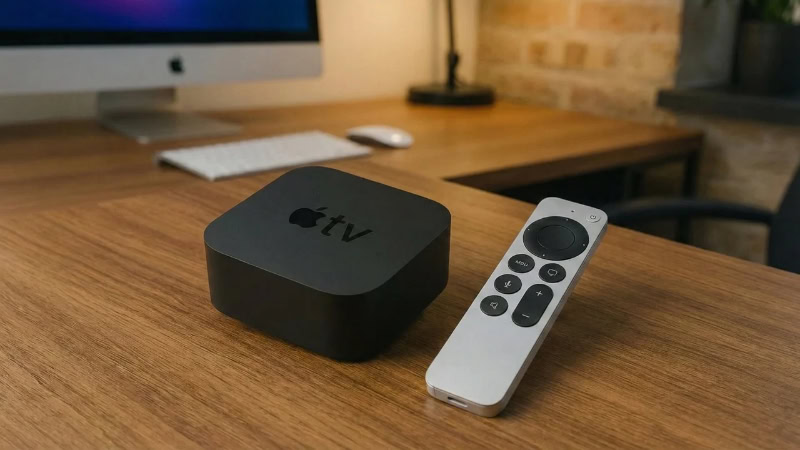
When software updates and cache cleanups fail to restore speed, the most effective solution is to bypass the television’s built-in operating system entirely. By handing over the processing tasks to a specialized external device, you can completely sidestep the hardware limitations of your television.
This approach allows your TV to act as a simple display monitor, shifting all software execution to hardware designed specifically for heavy media streaming.
Adoption of External Media Player Devices
Dedicated streaming media players provide an excellent alternative to sluggish internal systems. Popular options like Roku, Amazon Fire TV, Apple TV, and Google TV devices are designed solely to run streaming software smoothly.
These devices are inexpensive and exceptionally easy to set up.
To install an external streaming device:
- Plug the streaming device into an open HDMI port on the back or side of your television.
- Connect the power cable of the streaming device to a wall outlet or an active USB port on the TV.
- Turn on your television and switch the input source to the corresponding HDMI port.
- Follow the on-screen prompts using the new device’s remote control to connect to your Wi-Fi network and log into your accounts.
Performance Contrast: Internal OS vs. Media Dongles
Dedicated streaming dongles and boxes hold a massive hardware advantage over built-in TV systems. Because these devices are built for frequent hardware cycles, manufacturers equip them with significantly faster processors and higher RAM capacities than standard budget televisions.
Furthermore, external hardware receives consistent, prolonged software support and system updates from major tech developers. Since external players are separate units, replacing a slow, three-year-old dongle is far cheaper than replacing an entire television when the internal software becomes obsolete.
Adjustment of TV Display and Sound Modes
If you prefer to continue using your television’s internal operating system, you can reduce processing strain by disabling heavy post-processing features. Functions like motion smoothing, dynamic contrast, and noise reduction require the TV’s processor to modify the video feed frame-by-frame, which can slow down the interface.
To adjust these settings:
- Open your television’s settings menu and select the picture or display options.
- Go to advanced settings or expert settings.
- Turn off motion smoothing, action smoothing, or any artificial frame-rate generation settings.
- Disable dynamic contrast, auto-brightness, and digital noise reduction filters.
- Switch the television’s sound settings to standard or stereo, turning off advanced virtual surround sound features if they seem to cause menu lag.
Preventive Measures for Long-Term Speed Maintenance

Preventing performance drops over the life of your television requires a mixture of proactive habits and smart configurations. By establishing a basic maintenance routine and optimizing your home network, you can ensure that your system remains responsive for years to come.
Storage Capacity Allocation Best Practices
To keep the system running efficiently, avoid filling your television’s internal flash storage to maximum capacity. For optimal operating system performance, aim to keep at least twenty to twenty-five percent of the internal drive space completely empty.
If your television supports storage expansion, you can connect a fast USB flash drive or external hard drive to the TV’s USB port. You can then format the external drive as device storage through the system settings and transfer your downloaded applications to the external drive, freeing up the internal flash memory.
Regular Maintenance Schedules and Habits
Developing simple, regular maintenance habits will prevent temporary file buildup and memory leaks from slowing down your television.
To maintain system stability, establish the following monthly routine:
- Unplug your television from the wall once every two weeks for sixty seconds to completely clear out the system RAM.
- Open your applications list once a month to review and delete any apps that you have not launched recently.
- Go into the application permissions settings and revoke background usage permissions for any programs that do not require them.
- Manually check for system updates to ensure your television has the latest firmware optimizations.
Home Network Optimization for Media Devices
A stable home network reduces the workload on your television’s wireless adapter, preventing processing delays caused by poor signal reception.
To optimize your network for streaming:
- Place your wireless router within a clear line of sight of the television, avoiding thick concrete walls or metal barriers.
- Log into your router’s administration panel using a computer or smartphone web browser.
- Go to the Quality of Service (QoS) or device prioritization settings.
- Select your television from the list of connected devices and prioritize its network traffic to ensure it receives consistent bandwidth during high-traffic periods.
Conclusion
Resolving a sluggish television screen is a progressive process that begins with basic troubleshooting before moving to more advanced interventions. Simple actions like clearing application caches, executing a cold reboot, and deleting unused apps can quickly clear temporary memory bottlenecks and resolve minor lag.
However, if these maintenance tasks only provide temporary relief, your television is likely struggling with more permanent hardware limitations. When deciding on a path forward, consider the age and processing power of your device.
If your TV is less than three years old, a software clean-up and a wired network connection will generally suffice to keep it running smoothly. For older televisions or low-end budget models with severely restricted RAM, investing in an external streaming media player is the most practical choice, as it completely bypasses the outdated internal hardware and instantly restores a responsive viewing experience.
Frequently Asked Questions
Why does my smart TV keep freezing when I try to open Netflix or YouTube?
Your television is freezing because its temporary system cache is full or its active memory is overloaded. To fix this, you can unplug the television from the wall for sixty seconds to clear the system memory. Doing this drains the internal power, clears out corrupted temporary files, and allows the apps to open cleanly on a fresh slate.
Will buying a faster internet plan make my slow TV menus speed up?
No, upgrading your internet speed will not fix laggy or slow television menus. Menu sluggishness is caused by weak internal processors and low system memory, whereas internet speed only affects how fast videos load and buffer. To speed up the menus, you must free up storage space or perform a power cycle.
How do I delete apps on a smart TV that came already installed?
You cannot completely uninstall pre-installed apps on most models, but you can disable them or clear their background data. Open your television’s application manager settings, select the pre-installed app, and choose the clear data option. This prevents the program from running silent processes in the background and consuming your system resources.
Why does my TV remote take forever to respond when I press buttons?
A delayed response to remote button presses is typically caused by system lag rather than a broken remote control. When the television’s internal processor is busy handling heavy background tasks or data collection telemetry, it delays registering input signals. Disabling telemetry tracking in your privacy settings can quickly restore remote responsiveness.
Is it better to buy a new smart TV or just get a Roku stick?
Getting an external streaming device like a Roku stick is far more cost-effective than purchasing a new television. These dedicated media devices contain faster processors and receive software updates for a much longer period than standard TV systems. Bypassing your TV’s internal software with a streaming stick instantly restores a fast, responsive interface.
About the Author: Julio Caesar


