
Advantages and Disadvantages of Social Media: A Deep Look

Your smartphone alarm goes off and, before you even sit up, you have already processed three global news stories and four updates from people you have not seen in a decade. This constant stream of data dictates how you feel about your career and your self-worth before the coffee even starts brewing.
What began as a tool for simple text updates has transformed into a massive system that tracks your location and influences your spending habits. While these platforms provide a level of human connection that was once impossible, they also create unique vulnerabilities for your mental health and personal security.
Key Takeaways
- Social media preserves long distance connections but can reduce the depth of face to face social engagement.
- Constant exposure to filtered lifestyles creates a comparison trap that negatively impacts self esteem and mental well-being.
- Platforms provide low cost marketing for small businesses and direct networking opportunities with industry leaders.
- Algorithmic echo chambers can accelerate the spread of misinformation by shielding users from opposing viewpoints.
- Protecting data privacy requires active management of location settings and an awareness of third party data mining.
Personal Connectivity and Social Relationships
Social media has fundamentally changed how humans interact by removing the physical barriers that once defined social circles. Users are no longer limited to the people they live near or work with every day.
Instead, these platforms allow for a continuous flow of communication that spans continents and time zones.
Global Networking
The primary benefit of these platforms is the ability to maintain long distance relationships that would have otherwise faded. In the past, moving to a different country or even a different city often meant losing touch with friends and extended family.
Now, regular updates, photos, and video calls allow people to remain part of each other’s lives regardless of geography. This technology also makes it possible to reconnect with lost contacts from the past, such as childhood friends or former colleagues, through simple search functions.
Community Building
For individuals with niche interests or those who belong to marginalized groups, the internet provides a vital sense of belonging. Online forums and groups allow people to find others who share their specific hobbies, medical conditions, or social identities.
This is especially important for those who may feel isolated in their local physical communities. These digital spaces offer a platform for mutual support, the exchange of specialized knowledge, and the formation of bonds that are based on shared experiences rather than physical proximity.
The Quality of Interaction
Despite the ease of staying in touch, there is a significant trade-off regarding the depth of these connections. Digital interactions often lack the nuances of face to face engagement, such as body language, tone of voice, and physical presence.
This can lead to a sense of “shallow” socialising, where a person has hundreds of followers but few meaningful friendships. Relying solely on screens for social needs can sometimes result in a feeling of loneliness, as the brain does not always process a notification or a “like” with the same emotional weight as a physical conversation.
Mental Health and Psychological Well-being

While the social benefits of connectivity are clear, the psychological impact of constant exposure to these platforms is more complex. The architecture of social media is designed to capture attention, often at the expense of mental health.
These platforms can create a distorted sense of reality that influences how individuals perceive themselves and their peers.
The Comparison Trap
One of the most common issues is the tendency to compare one’s own life to the curated highlight reels of others. Most users only post their best moments, often using filters and editing tools to present an idealized version of their existence.
When others view these images, they may experience feelings of inadequacy or low self-esteem, forgetting that they are seeing a polished snapshot rather than a complete picture. This constant comparison can lead to a cycle of dissatisfaction with one’s own appearance, career, or lifestyle.
Digital Addiction and Sleep Hygiene
The design of social media often relies on dopamine driven notification loops to keep users engaged. Every like, comment, or share triggers a small chemical reward in the brain, which can lead to compulsive checking of devices.
This behavior frequently interferes with sleep hygiene. The blue light emitted by screens suppresses melatonin production, making it harder to fall asleep.
Furthermore, the cognitive stimulation provided by scrolling through endless feeds right before bed prevents the brain from entering a state of rest, leading to fatigue and reduced focus during the day.
Social Support vs. Social Pressure
There is a fine line between finding encouragement online and feeling the stress of maintaining a certain image. During times of crisis, social media can be a source of immediate emotional support and resources.
However, the pressure to maintain a perfect online persona can be exhausting. Many users feel they must perform happiness or success to fit in with their social circle.
This performance creates a layer of stress that can discourage people from being honest about their struggles, potentially leading to further isolation.
Professional Growth and Economic Opportunities
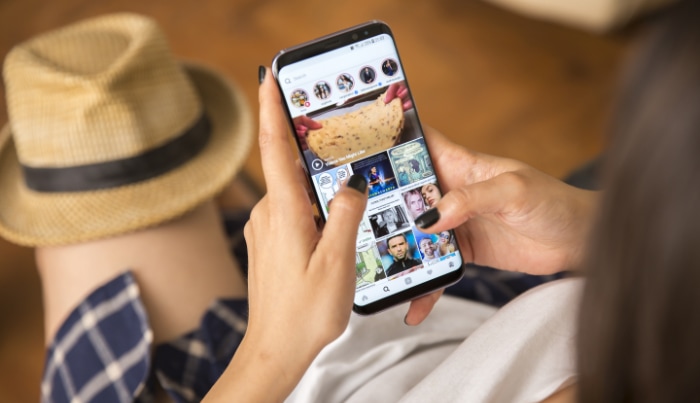
The professional world has been altered as platforms move beyond personal updates to become essential tools for career advancement. These networks serve as active marketplaces for talent and services, providing a space for individuals and companies to build their identities.
However, this visibility comes with professional risks that can follow a person for years.
Personal Branding and Career Networking
Individuals now use social media to showcase their expertise and build a personal brand. Platforms focused on professional networking allow users to list their skills, share industry insights, and connect directly with hiring managers or industry leaders.
This accessibility bypasses traditional gatekeepers and allows for more fluid career movement. By consistently sharing high quality content related to their field, a professional can establish themselves as an authority, often leading to job offers and collaboration opportunities that would not have been available through traditional resumes.
Business Visibility and Marketing
For small businesses, social media provides low cost tools to reach highly targeted audiences. Traditional advertising in print or on television is often too expensive for a new entrepreneur, but social platforms allow for precise marketing based on user interests and demographics.
This direct line to the consumer also changes how customer service works. Companies can respond to feedback in real time, resolve complaints publicly to show transparency, and build a loyal community around their products.
This level of interaction helps small brands compete with much larger corporations.
Reputation Risks
The permanence of a digital footprint is a major concern for anyone active online. A single post, comment, or even a “like” from years ago can be found by a potential employer or a business partner.
This history can negatively impact a person’s career if it is perceived as unprofessional or controversial. For businesses, a single social media blunder can lead to a rapid loss of brand trust.
Because information spreads so quickly, a mistake that once would have stayed local can now become a global scandal in a matter of hours.
Information Flow and Educational Advancement

Information spreads faster today than at any other point in history because every user acts as a potential publisher. This shift has changed how news is consumed and how students find resources for their studies.
The speed of information sharing brings both the benefit of immediate awareness and the danger of unchecked falsehoods.
Democratization of Information
Social media has made it possible for news to break in real time, often before traditional journalists can reach the scene. This has been especially powerful for raising awareness about social and political causes.
It allows grassroots movements to organize and share their stories without needing permission from large media corporations. This democratization means that a wider variety of voices can be heard, providing a more diverse range of perspectives on global events.
Digital Learning and Resource Sharing
Platforms have become informal educational tools where users can learn new skills through tutorials and collaboration. From complex coding problems to simple home repairs, the amount of shared knowledge available for free is staggering.
Academic collaboration has also improved, as researchers and students use these networks to share papers, discuss theories, and find study partners across different universities. This easy access to resources makes lifelong learning more attainable for people who may not have the time or money for formal education.
The Misinformation Crisis
The same speed that allows for rapid news reporting also facilitates the spread of “fake news” and unverified content. Algorithms are often designed to show users content that aligns with their existing beliefs, creating “echo chambers” where people are rarely exposed to opposing viewpoints.
This environment makes it easy for misinformation to go viral before it can be debunked. The lack of traditional editorial oversight on most platforms means that the responsibility for verifying the truth falls entirely on the individual user, which can lead to confusion and social division.
Data Privacy and Digital Security

Security in the current era requires a constant awareness of what is being shared and who has access to that information. Platforms offer personalized experiences that make life more convenient, but this convenience often comes at the price of personal data.
Protecting one’s identity and safety is a constant concern in an environment where information is the primary currency.
Personalized User Experience
The collection of user data allows platforms to offer a highly customized experience. Algorithms track what a user clicks on, how long they look at a post, and what they search for to tailor the content they see.
This makes the internet feel more relevant, as users are presented with advertisements for products they actually want and news stories that interest them. For many, this efficiency is a major advantage that saves time and makes the online experience more enjoyable.
Data Vulnerability
The massive amount of data stored by social media companies creates significant risks. Third party corporations often mine this data for their own purposes, sometimes without the user’s explicit understanding of how the information will be used.
There is also the threat of identity theft if a platform suffers a data breach. Location tracking is another concern, as it can reveal a user’s daily routines and home address to those with malicious intent.
Managing privacy settings is a necessary task that requires constant attention as platforms update their policies.
Online Harassment and Cyberbullying
Unregulated spaces on the internet often struggle with aggressive behavior and trolling. Because users can remain anonymous or hide behind a screen, they may say things online that they would never say in person.
This environment can lead to severe cyberbullying, which has real world consequences for the victims. Managing these digital threats is a significant challenge for platform moderators, and the lack of consistent rules across different sites can make it difficult for users to find a safe space to interact.
Conclusion
Social media functions as a powerful engine for both human progress and personal risk. It provides the infrastructure for global movements and career breakthroughs while simultaneously hosting threats to mental health and data security.
The shift from physical communities to digital ones has expanded our reach, but it has also changed the way we perceive ourselves and interact with the truth. To thrive in this environment, individuals must prioritize digital literacy and maintain a critical eye toward the content they consume.
This means questioning the source of information and setting boundaries on how much time is spent in these curated spaces. Adopting a mindful approach ensures that these platforms remain useful tools rather than sources of stress.
By being intentional with every click and share, users can protect their well-being while making the most of the professional and social opportunities available.
Frequently Asked Questions
How do I stop feeling bad about myself when I see other people’s posts?
Remind yourself that most users only share a highly edited version of their lives. These images rarely reflect reality, so try to limit your time on apps that trigger these feelings. Focusing on your own progress rather than a filtered screen helps break the habit of constant social comparison.
Is my personal information really safe on these apps?
Your data is often less secure than you might realize because companies track your habits for profit. Third party groups can access your preferences, and location tracking reveals your daily movements. You should regularly audit your privacy settings and be selective about the personal details you share in public profiles.
Can social media actually help me get a better job?
Yes, building a strong personal brand by sharing your expertise can attract recruiters and industry leaders directly. Many companies now use these networks to find candidates who display professional knowledge and consistent engagement in their field. Maintaining a clean digital footprint is essential to ensure your history supports your career goals.
Why is so much fake news spreading on my feed?
Algorithms are designed to show you content that matches your existing beliefs to keep you engaged longer. This creates a feedback loop where misinformation thrives because it is rarely challenged by conflicting facts. You must actively seek out diverse sources and verify claims before sharing them with your own network.
Does looking at my phone before bed really affect my sleep?
The blue light from your screen prevents your body from producing the hormones needed for deep rest. Additionally, the constant stream of new information keeps your brain alert instead of allowing it to wind down. Try putting your device away at least an hour before you plan to go to sleep.
About the Author: Julio Caesar


