
Are Gaming Chairs Worth It? The Honest Verdict
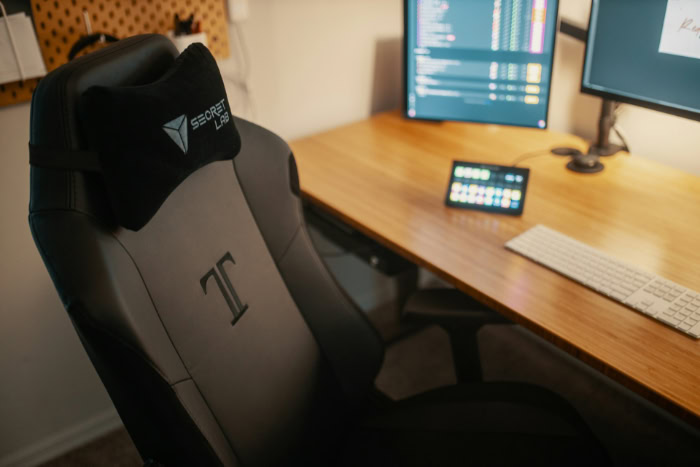
Most people spend more hours sitting in a desk chair than they do sleeping in their bed. If you find yourself shifting constantly to avoid a dull ache in your lower back, the furniture underneath you is failing its most important job.
The aggressive “bucket seat” aesthetic has moved from professional race cars into millions of home offices, marketed as the ultimate solution for comfort. These chairs promise a high-performance experience, yet many users find themselves questioning if a racing harness design actually fits the human body.
High-contrast colors and heavy bolsters look great on a livestream, but they often mask design choices that impact your physical health. You need to know if that price tag pays for structural support or just a logo.
Key Takeaways
- Gaming chairs prioritize the racing aesthetic, but their side bolsters can restrict movement and force shoulders into a rounded posture.
- Built-in lumbar support systems in office chairs offer more consistent spinal alignment than the detachable pillows typically found on gaming models.
- Material choice impacts comfort, as breathable mesh allows for much better airflow and cooling than synthetic polyurethane leather during long sessions.
- Mechanical features like synchro-tilt and seat pan depth adjustments are vital for long-term circulation and natural posture, though often missing in gaming chairs.
- The “gaming tax” means you often pay for brand logos and licenses rather than the high-grade materials found in similarly priced ergonomic office furniture.
Racing Aesthetic vs. Ergonomic Utility
The modern gaming chair looks more like it belongs in a high-speed supercar than a home office. This specific design choice prioritizes a high-energy visual style over traditional furniture standards.
While these chairs look striking on camera, their structure stems from a world where seats are designed to keep drivers from sliding during high-speed turns rather than supporting a person sitting still at a desk.
The Origins of the Bucket Seat
The rise of the gaming chair began when a car seat manufacturer repurposed surplus racing seats for PC users. In a racing vehicle, a bucket seat is a safety tool; it uses high side bolsters to lock the driver in place against centrifugal force.
Since gamers sit stationary, these rigid sides serve no physical purpose. Instead, they provide a specific aesthetic that signals a commitment to a high-performance lifestyle.
Side Bolstering and Winged Shoulders
Racing seats often feature wings at the shoulder level and deep bolsters on the seat pan. While these look impressive, they can force the shoulders forward into a rounded position, which is the opposite of healthy posture.
For users with broader frames, these bolsters can feel restrictive; they limit the ability to stretch or shift positions during long sessions. A traditional ergonomic chair avoids these protruding edges to allow for a wider range of natural movement.
Professionalism vs. Personality
Choosing between these styles often comes down to the desired atmosphere of the room. Gaming chairs offer bold colors, contrast stitching, and embroidered logos that express a hobbyist identity.
In contrast, ergonomic office chairs focus on a minimalist look that blends into a professional environment. The visual choice depends on whether the user wants their furniture to be a loud statement piece or a quiet, functional tool.
External Pillows vs. Integrated Systems

The way a chair handles the natural curve of the human spine is the most important factor in long-term comfort. Gaming chairs and office chairs take fundamentally different approaches to this problem.
One relies on external accessories to fix posture, while the other builds the support directly into the frame of the chair itself.
The Pillow Debate
Most gaming chairs use a flat backrest and provide two detachable pillows for the neck and the lower back. These are flexible because they can be moved up or down or removed entirely.
However, they are often a clumsy solution; straps can lose elasticity over time, and the pillows may not provide the firm, consistent resistance required to maintain the spine’s natural shape.
Built-in Lumbar Support
High-quality office chairs use an integrated lumbar mechanism that follows the S-curve of the human back. These systems are usually adjustable in height and depth, allowing the user to dial in the exact level of pressure needed for their lower back.
Because this support is built into the chair’s architecture, it does not shift or slide out of place like a pillow would during a long day of work or play.
Static vs. Dynamic Posture
Office chairs are often designed to encourage micro-movements, a concept known as active sitting. The backrest might flex as you lean, or the seat might tilt slightly to accommodate a change in weight.
Gaming chairs tend to be more static; they lock the user into a specific position. While this feels secure, it can lead to stiffness because the body is not encouraged to make the small, natural adjustments that keep muscles from fatiguing.
Material Science and Durability

The materials used in a chair determine how it feels against your skin and how well it stands up to years of daily use. While a chair might look premium in a photo, the actual quality of the upholstery and the padding underneath determines whether the investment lasts two years or ten.
PU Leather vs. Breathable Mesh
The majority of gaming chairs use polyurethane (PU) leather, a synthetic material that is easy to wipe clean and allows for vibrant color combinations. The downside is heat retention; PU leather does not breathe, which often leads to sweat and discomfort during summer months.
Mesh chairs, common in the office world, allow for constant airflow. While mesh is harder to clean if you spill a drink, it keeps the user much cooler over several hours.
Foam Quality
What is inside the seat matters as much as the cover. Premium gaming chairs use cold-cure high-density foam, which is molded under specific temperatures to ensure it retains its shape for years.
Budget models often use cheap cut foam that feels soft at first but eventually flattens out. When the foam loses its resilience, you end up sitting directly on the metal or wooden base of the chair, leading to significant discomfort.
Wear and Resistance
The most common point of failure for synthetic leather chairs is peeling. Over time, the friction of your body and the natural oils from your skin can cause the top layer of PU leather to crack and flake off.
Mesh and high-quality fabric tend to be more durable in this regard. If you choose a gaming chair, looking for one with a high-rated upholstery or a breathable fabric option can prevent the chair from looking ragged after a few seasons.
Mechanical Functionality and Adjustability

A chair is more than just a seat; it is a machine with various moving parts that allow you to customize your experience. The mechanical differences between these two styles of seating often reflect the different activities they were built to facilitate.
Recline and Tilt Mechanisms
One of the most famous features of gaming chairs is the 180-degree recline. This allows the user to lay almost completely flat, which is great for relaxing between matches.
Ergonomic office chairs typically use a synchro-tilt mechanism. When you lean back in a synchro-tilt chair, the seat base rises at a slight angle as the backrest reclines, keeping your feet on the floor and your spine in a more natural position during the transition.
The Role of 4D Armrests
Modern chairs often feature 4D armrests, which can move up and down, side to side, forward and backward, and even rotate. For gamers using a controller, being able to angle the armrests inward provides essential support for the forearms.
For office workers, the ability to align the armrests perfectly with the height of the desk prevents strain in the wrists and shoulders. This is one area where gaming chairs and high-end office chairs share a similar focus on flexibility.
Seat Pan Adjustments
A feature often missing from standard gaming chairs is seat depth adjustment. Everyone has different leg lengths; if the seat is too deep, it can cut off circulation behind the knees.
If it is too shallow, there is not enough support for the thighs. Professional office chairs almost always include a sliding seat pan to solve this problem.
This mechanical detail is vital for people who are exceptionally tall or short.
Price and Use Case

Determining if a chair is worth the money requires looking past the marketing and evaluating what you are actually paying for. The price of furniture involves a mix of materials, engineering, and the cost of the brand name itself.
Breaking Down the Gaming Tax
When you buy a chair with a famous logo or a licensed theme from a movie or game, part of your money goes toward those licensing fees. This is often referred to as a gaming tax.
In some cases, a $400 gaming chair might use the same internal components as a $200 unbranded office chair. You are paying a premium for the specific aesthetic and the brand association rather than superior mechanical parts.
Investment Tiers
It is helpful to compare a mid-range gaming chair to a refurbished high-end office chair. For the same $400, you could buy a brand-new gaming chair or a used professional chair that originally cost $1,200.
The professional chair will likely have better engineering and a much longer lifespan. However, the gaming chair offers a factory warranty and a specific style that a used office chair cannot match.
Matching the Chair to the User
The best chair for you depends on how you spend your time. If you are a streamer or a content creator, the visual appeal of a gaming chair is part of your professional equipment.
If you are a remote worker spending eight hours a day in meetings and spreadsheets, the subtle support and breathability of a high-end ergonomic chair are likely more valuable. Understanding your primary activity helps you decide which features are worth the investment.
Conclusion
The decision to buy a gaming chair ultimately depends on if you value a specific visual identity over high-end ergonomic engineering. While the racing design offers a bold look and impressive recline features for relaxing, it rarely provides the same level of anatomical support as a dedicated office chair.
If you spend most of your day seated, investing in a chair that promotes movement and breathability is usually the smarter choice for your physical health. Remember that even the most expensive chair cannot replace the benefits of standing up and stretching every hour.
Your setup should reflect your personal style, but it should never come at the expense of your spine.
Frequently Asked Questions
Are gaming chairs actually good for your back?
Most gaming chairs provide basic support but often lack the sophisticated ergonomic features of high-end office chairs. They rely on removable pillows that can shift out of place, which may not maintain the natural S-curve of your spine. For the best back health, look for integrated, adjustable lumbar support instead of external cushions.
Why do gaming chairs all look like race car seats?
The racing design originated when a car seat manufacturer began selling surplus bucket seats to computer users. These seats feature side bolsters intended to hold drivers in place during fast turns, which is unnecessary for stationary desk work. This aesthetic remains popular because it provides a high-performance look that appeals to gamers and streamers.
Is mesh better than leather for a computer chair?
Mesh is generally superior for temperature control because it allows air to circulate around your body. Synthetic PU leather traps heat, which can lead to sweat and discomfort during long sessions or in warm rooms. While leather is easier to wipe clean, mesh provides a more comfortable experience for all-day use.
Should I buy a used high-end office chair or a new gaming chair?
A refurbished high-end office chair often provides better value and superior ergonomic support than a new gaming chair. Professional chairs from top brands are built to last over a decade and use higher-quality mechanical components. While they lack the aggressive gaming style, they offer much better durability for your investment.
Do the 4D armrests on gaming chairs really matter?
Highly adjustable armrests are very beneficial because they allow you to position your elbows and wrists at the correct height and angle. This is particularly useful for gamers who shift between using a mouse and a controller. Proper armrest placement reduces the strain on your shoulders and prevents wrist fatigue.
About the Author: Julio Caesar


