
Are Home Security Cameras Worth It? Pros and Cons

Protecting your home and family is a top priority, but spending hundreds of dollars on smart surveillance equipment can feel like a financial gamble. With porch pirates stealing packages and neighborhood break-ins making local news, many property owners buy security cameras expecting instant peace of mind.
However, hidden subscription fees, privacy concerns, and constant false alarms can quickly turn a promising upgrade into a frustrating expense. Simply mounting devices on your front door does not automatically guarantee safety or prevent every intrusion.
Balancing equipment costs against real safety benefits and everyday utility reveals what true property protection requires.
Key Takeaways
- Visible cameras reduce opportunistic neighborhood theft, but physical barriers like heavy-duty deadbolts and reinforced door frames offer far stronger defense against forced entry.
- Hardware costs are only a portion of the total financial investment, as cloud storage subscriptions and motion detection paywalls frequently create ongoing annual expenses.
- Local storage devices, such as SD cards or dedicated network video recorders, eliminate monthly fees and protect video feeds from potential cloud security breaches.
- Self-monitored DIY cameras rely entirely on immediate smartphone notifications, whereas professionally monitored systems automatically dispatch emergency services during verified break-ins.
- Insurance premium discounts for home surveillance are generally small, usually ranging from 2% to 5%, unless tied to professionally monitored security systems.
Crime Deterrence and Security Effectiveness
Homeowners often install security equipment under the assumption that visible cameras act as an impenetrable shield. While cameras certainly alter how criminals evaluate a potential target, measuring their true effectiveness requires looking beyond marketing claims.
Understanding how surveillance influences criminal behavior, provides evidence, and assists authorities helps establish realistic expectations for home security.
Impact on Local Crime Rates
Visible outdoor cameras influence neighborhood security, but their impact depends heavily on location and property visibility. Neighborhoods with widespread camera adoption often experience a drop in opportunistic property crimes, as burglars generally prefer targets with low visibility and minimal risk of detection.
However, cameras do not eliminate crime entirely across an entire area. Instead, they frequently displace criminal activity to adjacent streets or homes that lack visible surveillance.
Highly motivated or organized criminals may also ignore visible cameras altogether, especially if they conceal their faces or know that local response times are slow.
Deterrence versus Post-Incident Evidence
A crucial distinction exists between preventing a crime before it happens and recording it while it occurs. Active deterrence relies on visible hardware, bright motion lights, and audible alarms that startle trespassers and force them to retreat.
In contrast, passive recording merely creates a digital record of an incident. While high-definition video provides clear records of property damage or theft, it does not stop an intruder from kicking in a door or grabbing unattended items off a porch.
Relying solely on passive video leaves a property vulnerable to swift, hit-and-run offenses.
Law Enforcement Value and Prosecution Success
Video footage can be a valuable asset for police investigations, but its practical usefulness varies. Detectives frequently rely on clear footage to establish timelines, identify getaway vehicles, and cross-reference known offenders in the area.
High-resolution video increases the likelihood that prosecutors can build a solid case against a suspect. However, low-resolution footage, poor night vision, or bad camera angles often yield blurry images that fail to provide definitive identification.
Furthermore, law enforcement agencies may lack the resources to actively pursue minor property crimes, even when crisp video evidence is available.
Financial Investment and Long-Term Costs
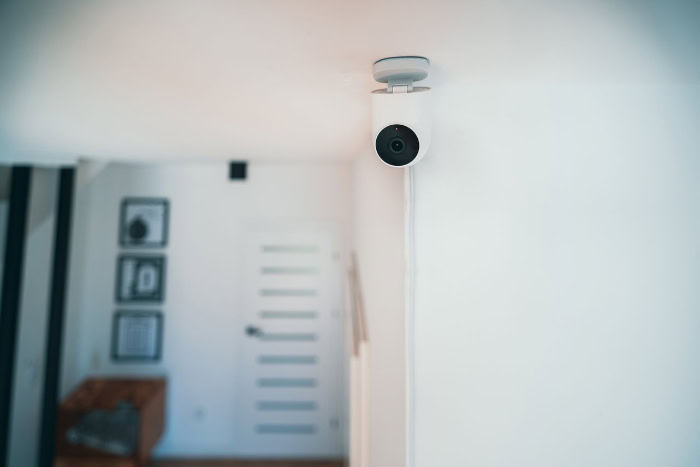
Purchasing a home security system involves far more than the initial price tag displayed on the store shelf. Long-term satisfaction depends on calculating the total cost of ownership, which includes hardware, installation, software access, and potential financial returns over time.
Upfront Hardware and Setup Expenses
Initial costs for surveillance systems vary wildly depending on the level of technology and installation style. Entry-level wireless cameras and video doorbells start at modest prices, offering simple plug-and-play setups that homeowners can install themselves in under an hour.
Mid-range systems with multi-camera setups, better video resolution, and local hub storage require a larger upfront investment. Premium setups, particularly wired Power over Ethernet systems with continuous recording capabilities, carry the highest price tags.
These advanced configurations often require professional installation, cable routing through walls, and dedicated recording hardware, significantly driving up initial setup expenses.
Monthly Subscriptions and Storage Plans
Many camera manufacturers lock essential features behind recurring monthly or annual subscriptions. While basic live feeds are usually free, accessing recorded clips, continuous video history, advanced motion filters, and cloud storage almost always requires a paid tier.
Over several years, these monthly fees can easily surpass the initial cost of the camera hardware itself. Additionally, some proprietary systems restrict user access to local storage entirely, forcing buyers into long-term cloud contracts if they want their devices to function as anything more than live monitors.
Homeowners Insurance Discounts and Financial ROI
Property owners often hope that installing security equipment will lead to substantial insurance savings. Many insurance providers do offer premium discounts for homes with active surveillance systems, but these price reductions are typically modest.
Higher discounts usually require professionally monitored systems linked to emergency services rather than self-monitored DIY cameras. As a result, the financial return on investment rarely comes from insurance savings alone.
Instead, the true financial return stems from avoiding stolen property, preventing costly structural break-in repairs, and protecting personal assets.
Non-Security Utility for Daily Life

Although security remains the primary motivation for buying cameras, many owners find that daily non-security benefits provide the greatest ongoing value. Smart video devices have evolved into convenient household communication and management tools that simplify daily routines.
Remote Property Access and Peace of Mind
Real-time video access transforms how people interact with their living spaces while away. Through smartphone applications, homeowners can check whether a garage door was left open, verify that doors are locked during severe weather, or confirm that contractors arrived as scheduled.
This immediate visual feedback eliminates second-guessing and reduces anxiety during travel or long workdays. Instant notification alerts allow residents to respond quickly to unusual activity without remaining glued to a monitor.
Package Theft Prevention and Delivery Management
Modern doorbells and porch cameras have become essential tools for managing online deliveries. Two-way audio features allow residents to speak directly to delivery drivers, giving specific instructions on where to leave sensitive packages out of sight.
Visible porch cameras reduce opportunistic package theft by letting potential thieves know they are being recorded. Furthermore, immediate delivery alerts ensure that valuable items are brought inside promptly rather than sitting exposed on front steps for hours.
Household and Pet Supervision
Indoor and backyard cameras offer practical solutions for managing daily family activities. Parents can check in on children returning home from school or confirm that domestic workers and elder caregivers have arrived safely.
Pet owners frequently use indoor cameras to monitor pets during the day, ensuring they are safe and not engaging in destructive behaviors. Integrated two-way speakers even allow owners to comfort anxious pets or issue quick voice commands from afar, adding an extra layer of interactive household management.
Technical Drawbacks and Privacy Concerns

Smart security hardware introduces unique technical challenges and personal risks alongside its safety benefits. Connecting video feeds to home networks creates potential security vulnerabilities while requiring ongoing maintenance to keep devices functioning properly.
Understanding these operational friction points helps homeowners weigh the conveniences against potential privacy sacrifices.
Cybersecurity Vulnerabilities and Data Privacy
Internet-connected cameras inherently expose private spaces to digital security threats. Weak passwords, outdated firmware, or compromised cloud servers can allow unauthorized users to view live feeds or access archived footage.
Beyond malicious hacking risks, data privacy policies vary widely among camera manufacturers. Some companies reserve the right to share user video data with third-party advertisers or provide footage to law enforcement agencies without a warrant under emergency exceptions.
Outdoor cameras may also inadvertently record neighbors’ yards or public sidewalks, creating ethical friction over surrounding privacy.
False Motion Alerts and Notification Fatigue
High sensitivity to motion often creates an overwhelming volume of unnecessary phone alerts. Passing cars, swaying tree branches, shifting shadows, heavy rain, and stray animals frequently trigger motion sensors.
When users receive dozens of false alarms every day, notification fatigue sets in quickly. Homeowners eventually learn to ignore alerts or mute notifications entirely, which defeats the purpose of real-time monitoring.
While modern artificial intelligence filters attempt to distinguish people from pets or vehicles, these algorithms are not infallible and often require careful tuning.
Hardware Maintenance and Reliability Challenges
Keeping a network of cameras running smoothly requires continuous effort and troubleshooting. Wireless, battery-powered models demand regular recharging or battery replacements, especially during cold weather, which drains battery life rapidly. Wi-Fi connections can drop unexpectedly due to signal interference, thick building materials, or router restarts, leaving blind spots in coverage.
Additionally, outdoor units face harsh environmental exposure, leading to fogged lenses, water intrusion, or solar degradation over time. Without routine upkeep, camera hardware can easily fail at the exact moment it is needed most.
System Types and Security Alternatives

Home surveillance equipment comes in several distinct configurations, each catering to different budgets, technical skills, and security expectations. Comparing these formats alongside low-tech security measures helps property owners identify the most practical solution for their specific home environment.
DIY Systems versus Professional Security Services
Self-installed, self-monitored systems appeal to budget-conscious homeowners who want complete control over their hardware. These DIY setups eliminate professional installation fees and long-term service contracts, but they place the entire monitoring burden on the homeowner.
If an alert triggers while the owner is asleep or away from their phone, no action is taken. Professionally monitored services, by contrast, charge monthly monitoring fees in exchange for dedicated call centers that dispatch police or fire departments during verified emergencies.
This hands-off approach offers higher reliability during actual crises, though at a significantly higher total cost.
Local Storage Options versus Cloud Dependence
Choosing where camera footage lives impacts both long-term expenses and privacy control. Local storage solutions, such as micro SD cards or Network Video Recorders (NVRs), keep footage entirely within the home, avoiding subscription fees and protecting video files from cloud data breaches.
However, if a thief steals or destroys the physical recording device, all evidence is lost. Cloud-based storage protects footage offsite in secure data centers, ensuring video remains accessible even if hardware is damaged locally.
The main drawback is cloud dependence, which requires ongoing subscription fees and relies heavily on a stable internet connection.
Physical Security Alternatives Beyond Cameras
Cameras primarily monitor property rather than physically stopping intruders, making traditional physical security measures an important consideration. Upgraded heavy-duty deadbolts, reinforced steel strike plates, and solid core doors actively prevent forced entries far more effectively than a camera recording the event.
Bright motion-sensor floodlights eliminate dark hiding spots around entryways at a fraction of the cost of electronic surveillance. Windows can be strengthened with security film or window locks to discourage break-in attempts.
Combining low-tech physical barriers with basic lighting often yields superior security results without recurring software expenses or technical glitches.
Conclusion
Deciding whether to buy home security cameras involves balancing practical safety against recurring costs and privacy considerations. While visible cameras deter opportunistic theft and offer valuable day-to-day convenience, they do not guarantee complete protection from determined intruders.
High initial hardware costs are often compounded by monthly cloud subscription fees, while technical issues like false motion alerts and battery maintenance require ongoing attention. Home security cameras provide the most value for homeowners who want remote property management, package monitoring, and peace of mind while away.
However, for those primarily focused on physical break-in prevention, investing in reinforced deadbolts, solid doors, and motion lighting often delivers greater security per dollar. Evaluating your local crime risks, technical tolerance, and long-term budget will determine whether digital surveillance is a worthwhile investment for your property.
Frequently Asked Questions
Do home security cameras actually stop burglars?
Visible security cameras discourage opportunistic burglars, but they rarely stop determined criminals on their own. While cameras increase the risk of detection and cause many thieves to target easier locations, active physical security measures like reinforced doors and strong deadbolts are still required to physically prevent forced entries.
Do security cameras work without a monthly subscription?
Security cameras can work without a monthly subscription if you choose models that support local storage options. Many cameras record video directly to micro SD cards or hard drives, giving you access to recorded clips and basic live feeds without paying ongoing cloud storage fees or software subscription costs.
How much do security cameras reduce home insurance costs?
Security cameras typically lower home insurance premiums by about 2% to 5%, though savings vary by provider. To qualify for larger policy discounts, insurance companies usually require professionally monitored security systems linked directly to emergency services rather than self-monitored DIY camera setups.
Are wireless security cameras better than wired systems?
Wireless cameras are easier to install and move, while wired systems offer far greater connection reliability and continuous recording. Wireless models rely on battery recharges and stable Wi-Fi networks, whereas wired Power over Ethernet systems eliminate network drops and battery maintenance entirely at the expense of higher installation costs.
Can someone hack into my home security camera?
Internet-connected security cameras can be hacked if they rely on weak passwords or outdated software. You can protect your privacy by enabling two-factor authentication, creating unique account passwords, and keeping device firmware updated so malicious actors cannot access your private video feeds or personal data.
About the Author: Elizabeth Baker


