
Is a Robot Vacuum Worth It? Reclaim Your Weekends

There is a specific frustration that comes from feeling grit under your bare feet just hours after a grueling manual cleaning session. You deserve a home that stays tidy without demanding your entire Saturday afternoon.
These machines have moved from luxury gadgets to common appliances, yet the price of admission remains steep. A high-end model can cost as much as a new laptop, making the decision to buy one more about long-term value than simple convenience.
Beyond the marketing promises of a hands-free life, the reality involves battery life, floor transitions, and the constant battle against pet hair. Choosing the right machine means looking past the hype to see how automation actually handles the chaos of your specific living space.
Finding that balance ensures your money buys actual free time rather than another piece of hardware to maintain.
Key Takeaways
- Prioritize models with LiDAR or AI-camera navigation if your home has a complex layout or frequent floor clutter to prevent the machine from getting stuck.
- Keep a traditional corded vacuum for deep-cleaning carpets and reaching corners, as robots are primarily designed for daily surface maintenance rather than deep restoration.
- Account for recurring ownership costs, including replacement HEPA filters, side brushes, and new lithium-ion batteries every two to four years, when calculating your budget.
- Choose a model with specialized obstacle avoidance sensors if you have pets to avoid the risk of the vacuum spreading pet waste throughout the home.
- Evaluate the height of your furniture and the thickness of your area rugs before purchasing to ensure the robot can physically fit under couches and transition between floor types.
Evaluating Cleaning Power and Floor Performance
Modern robotic vacuums are designed to maintain a standard of cleanliness rather than perform a complete restoration of your floors. While they are highly effective at collecting the daily debris that accumulates in a busy home, they possess different physical capabilities than the high-powered manual machines many people are used to.
Surface Maintenance vs. Deep Cleaning
A robot vacuum excels at surface maintenance by picking up crumbs, dust bunnies, and loose hair before they can settle into fibers or be tracked into other rooms. These machines typically rely on small motors and rotating brushes to sweep debris into a suction inlet.
Because of their size and battery constraints, they cannot match the massive airflow and motor power of a corded upright vacuum. While a robot keeps a floor looking tidy on a daily basis, it lacks the deep-cleaning suction required to pull embedded grit from the base of thick carpets.
Most households find that while a robot handles ninety percent of the work, a traditional vacuum is still necessary for an occasional thorough cleaning.
Performance Across Floor Surfaces
These devices generally perform best on hard surfaces like hardwood, laminate, and tile. On these flat planes, the brushes can easily flick debris into the suction path.
The challenge arises during transitions, such as moving from a kitchen floor onto an area rug. High-quality models use sensors to detect carpet and will automatically boost their suction power to compensate for the change in texture.
However, high-pile or “shaggy” carpets remain a significant obstacle. The long fibers can tangle in the brush rolls or create enough resistance to stall the motor, making robots more suitable for homes with low-pile carpeting or mostly hard flooring.
The Corner and Edge Challenge
Geometry plays a significant role in how well a robot cleans. Most models are circular, a shape chosen because it allows the machine to spin in place without getting wedged under furniture.
This design means the actual suction intake cannot reach the very corner of a room. To solve this, manufacturers add spinning side brushes that reach out to whisk dust toward the center.
Even with these additions, some fine dust often remains in tight ninety-degree angles. D-shaped models attempt to solve this by having a flat front that sits flush against baseboards, though these larger profiles sometimes struggle to fit into narrow gaps between chair legs.
The Reality of Automation and Time Savings
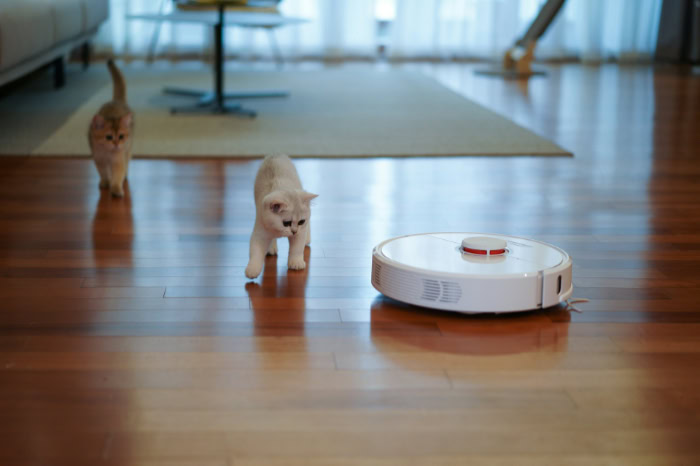
The promise of a robotic vacuum is the gift of time. By shifting the labor of floor care from a person to a machine, the daily mental load of maintaining a home is significantly reduced.
However, achieving a truly hands-free experience involves more than just pressing a start button.
The Convenience of Automated Scheduling
One of the most significant benefits of these devices is the ability to schedule cleanings during hours when the house is empty. Using a mobile app, you can program the machine to run every weekday at ten in the morning, ensuring you return to a fresh home after work.
This consistency prevents the buildup of allergens and pet dander, which often happens when manual vacuuming is postponed due to a busy schedule. This “set and forget” functionality is the primary driver of value for people with active lifestyles or large families.
The Pre-Cleaning Requirement
While the robot does the vacuuming, the owner is often responsible for “robot-proofing” the environment. For the machine to complete its cycle without getting stuck, the floors must be clear of small objects.
This means picking up charging cables, children’s toys, clothing, and thin rugs with tassels that can wind around the brush roll. If a home is naturally cluttered, the time spent preparing the room for the robot can sometimes rival the time it would take to simply use a manual vacuum.
The true value of the machine is highest in homes where floors stay relatively clear of loose obstacles.
The Value of Self-Emptying Docks
Early versions of these machines required the user to empty a tiny internal dustbin after every single run, which added a daily chore back into the mix. Premium models now include self-empty docks that suck the debris out of the robot and into a much larger bag or canister.
These docks can often hold weeks of dust before they need attention. This feature represents a significant leap in the automation experience, as it allows the system to operate for an entire month without any human contact, making the high upfront cost feel more justified.
Financial Investment and Long-Term Value
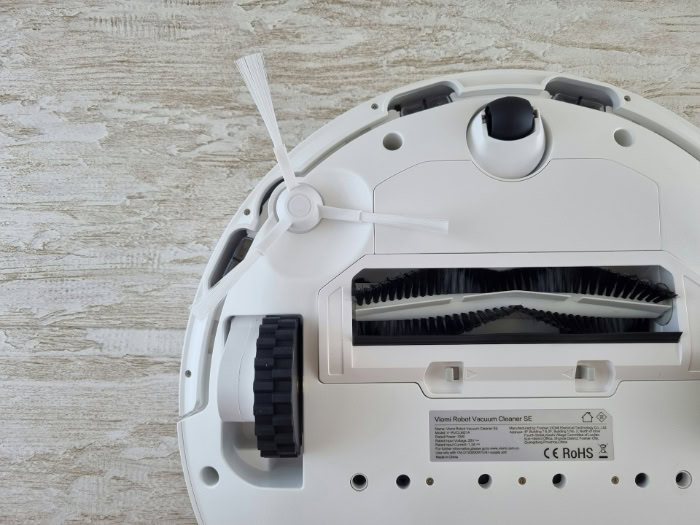
A robot vacuum is a sophisticated piece of hardware that requires both an initial investment and ongoing financial support. Understanding the different tiers of technology and the hidden costs of ownership is essential for determining if the device fits your budget over several years of use.
Breakdown of Price Tiers
The market is divided into distinct categories based on navigation technology. Entry-level models often use “bump-and-run” logic, where the machine moves in random lines until it hits an object and then turns.
These are affordable but inefficient, often missing spots or getting lost. Mid-range and premium models utilize LiDAR or camera-based mapping to create a digital floor plan of your home.
These units move in organized rows and are far more reliable, though they come with a much higher price tag. Choosing the cheaper option may save money initially, but the frustration of a machine that constantly gets stuck can diminish its perceived value.
Hidden Ownership Costs
The purchase price is not the total cost of owning a robotic cleaner. To maintain peak performance, various components must be replaced regularly.
HEPA filters become clogged with fine dust, side brushes eventually fray and lose their shape, and the main rubber or bristle brushes wear down over time. If the robot also has mopping capabilities, you may be required to purchase specific cleaning solutions or replacement microfiber pads.
These recurring expenses can add up to a significant amount annually, so buyers should check the price of replacement parts before committing to a specific brand.
Battery Lifespan and Replacement
Like all cordless electronics, robot vacuums rely on lithium-ion batteries that have a limited number of charge cycles. After two to four years of daily use, you will likely notice the robot returning to its dock more frequently or failing to finish a cleaning cycle on a single charge.
Replacing these batteries is a standard part of maintenance, but the cost varies wildly between manufacturers. Some brands make the battery easily accessible for a quick swap, while others require more effort to replace.
Factoring in the cost of a new battery every few years is necessary when calculating the total cost of ownership.
Home Layout and Lifestyle Compatibility

A robot’s effectiveness is often determined by the environment it inhabits rather than its price tag alone. A minimalist studio apartment presents very different challenges than a sprawling suburban home filled with eclectic furniture and high-traffic areas.
Before investing, it is important to consider how a machine will interact with the specific physical boundaries and the inhabitants of a living space.
Navigating Complex Environments
Different technologies dictate how a machine interprets its surroundings. Basic infrared sensors prevent the robot from tumbling down stairs or slamming into walls, but they often lead to a repetitive, bumping pattern that can miss large areas.
LiDAR systems use spinning lasers to create an accurate map, allowing the vacuum to move in efficient, logical rows even in total darkness. The most advanced units use AI-powered cameras to identify specific objects, such as shoes or power strips, and steer around them.
This level of sophistication is often necessary for those with cluttered floors or furniture with many legs.
The Pet Owner’s Perspective
For many, the primary motivation for buying a robot vacuum is the constant presence of pet hair. High-performance models can save hours of manual sweeping by capturing fur before it mats into the carpet.
However, pet owners must be cautious about accidents on the floor. Without specific AI vision sensors designed to detect and avoid pet waste, a robot may inadvertently spread a mess across the entire home.
Additionally, owners of long-haired breeds will need to focus on models with rubberized brush rolls, as these are less prone to becoming jammed with tangled fur compared to traditional bristles.
Multi-Level Home Logistics
A single robot vacuum is inherently limited by its inability to climb stairs. In a multi-level home, owners must decide whether to purchase multiple units or manually carry the machine from one floor to another.
While most modern software allows for the storage of multiple maps, the physical labor of moving the device and its charging base can undermine the sense of automation. For many people in large houses, a robot is best viewed as a tool for the most frequently used floor rather than a total solution for every level of the building.
Technical Reliability and Maintenance Demands

Owning a piece of high-tech machinery means dealing with the technical realities that come with it. While these devices are sold on the promise of reducing labor, they introduce a new set of maintenance tasks and digital requirements.
The Paradox of Low Maintenance
The idea of a maintenance-free cleaner is largely a myth. Even the most advanced robots require human intervention to stay functional.
Hair and carpet fibers wrap around the axles of the wheels and the ends of the brush rolls, eventually straining the motor if not removed. Sensors that guide the machine can become clouded with fine dust, leading to erratic behavior or errors near stairs.
To keep the device running, owners must set aside time every few weeks to wipe down the exterior, clear the sensors, and change out filters.
Connectivity and Software Stability
Because these machines are part of the smart home ecosystem, they are heavily dependent on stable internet connections and functional software. A buggy firmware update can suddenly cause a perfectly good robot to lose its map or stop responding to commands.
If the Wi-Fi signal is weak in certain parts of the house, the robot might fail to report its status or ignore scheduled cleaning times. Users who prefer a simple physical switch may find the heavy reliance on mobile apps and cloud servers more frustrating than helpful over the long term.
Data Privacy and Mapping
As robots become more advanced, they collect more data about the internal layout of a home. Models equipped with cameras to identify obstacles raise questions about where those images are stored and who has access to them.
While manufacturers often encrypt this data or process it locally on the device, the thought of a cloud-connected camera moving through private rooms is a deterrent for some. Reviewing the privacy settings and data policies of a brand is a necessary step for any buyer concerned about the security of their home information.
Conclusion
The value of a robot vacuum depends heavily on your specific living situation and expectations. If you live in a home with primarily hard floors and a relatively open layout, the return on investment is immediate through the sheer amount of time saved on daily sweeping.
These machines are most effective when viewed as a maintenance tool designed to keep floors at a consistent level of tidiness between more intense cleaning sessions. They are not intended to eliminate the need for a traditional vacuum entirely, especially for deep cleaning thick rugs or reaching high corners.
Deciding to buy one ultimately comes down to how much you value your personal time compared to the upfront and recurring costs of the hardware. For many, the peace of mind that comes from walking across a grit-free floor every evening far outweighs the maintenance requirements.
Frequently Asked Questions
Do they really work on carpet?
Robot vacuums work well on low-pile carpets but often struggle with deep or shaggy rugs. While they can pick up surface debris and pet hair effectively, they lack the raw suction power of a corded upright to pull out deep-seated grit. Most people still need a manual vacuum for deep cleaning carpets occasionally.
Will it fall down my stairs?
No, almost every modern robot vacuum includes cliff sensors that prevent it from falling over edges. These infrared sensors detect when the floor ends and signal the machine to stop and turn around immediately. They are highly reliable safety features that work even on the most basic, budget-friendly models.
How much do I have to clean the robot itself?
You should expect to perform manual maintenance about once every two weeks to keep the machine running. This involves untangling hair from the brush rolls, wiping the sensors to prevent navigation errors, and swapping out the filter. Neglecting these small tasks can lead to motor strain and poor cleaning performance.
Can it handle pet messes?
Only specific high-end models with AI-powered cameras can reliably identify and avoid pet waste on the floor. Standard models will likely run over an accident and spread it across the room, which creates a significant cleaning disaster. If you have un-housebroken pets, investing in obstacle avoidance is essential.
Is it worth the extra money for a self-emptying base?
A self-emptying base is worth the investment if you want a truly hands-free experience for weeks at a time. Without one, you must manually empty a small dustbin after every cleaning cycle, which can be a nuisance. This feature significantly reduces the daily interaction required to keep your floors tidy.
About the Author: Julio Caesar


