
Is a Standing Desk Worth It? The Final Verdict

The modern office chair has become a silent predator, claiming up to ten hours of your day and leaving your body in a state of physical stagnation. You likely finish your workday feeling drained and stiff, wondering if a furniture upgrade could actually fix the persistent ache in your lower back.
High end standing desks often command price tags that rival a month’s rent, forcing a choice between a heavy financial commitment and the promise of a healthier future. Marketing campaigns suggest boundless energy and weight loss, yet standing for hours presents its own set of physical hurdles.
Deciding to trade your traditional setup for a motorized alternative requires looking past the hype to see how vertical movement truly affects your metabolic health and daily output.
Key Takeaways
- Maintaining a 20-8-2 ratio consisting of twenty minutes of sitting, eight minutes of standing, and two minutes of movement prevents the physical fatigue associated with static postures.
- Correct ergonomic setup requires the desk height to allow a ninety degree elbow angle and the monitor to be positioned at eye level to prevent neck and shoulder strain.
- Using an anti-fatigue mat and supportive footwear is necessary to cushion the feet and encourage the micro movements that keep blood circulating while standing.
- A standing desk improves metabolic health by helping the body regulate blood sugar more effectively after meals compared to remaining in a seated position.
- The financial value of a high quality desk is often justified by the long term reduction in medical expenses related to chronic back pain and sedentary lifestyle complications.
The Health Impact: Fact vs. Fiction
Standing changes the way gravity interacts with the human frame. While sitting compresses the spine and weakens core muscles over time, standing requires active engagement from the legs and torso.
This transition impacts several biological systems; it affects everything from the skeletal structure to the way the body processes nutrients during the workday.
Musculoskeletal Relief and Spinal Alignment
Continuous sitting often leads to a rounded lower back and a forward leaning neck, which creates significant strain on the vertebrae. Transitioning to a standing position helps return the spine to its natural curve.
By standing, you encourage the glutes and abdominal muscles to support the weight of the upper body; this can alleviate chronic lower back pain. Proper alignment also reduces tension in the shoulders and upper neck, which frequently prevents the tension headaches that plague many office workers.
Metabolic and Cardiovascular Effects
While standing is not a substitute for traditional exercise, it does require more energy than sitting. Standing burns slightly more calories per hour, but the more significant impact lies in how the body handles blood sugar.
Moving to a vertical position after a meal helps the body regulate glucose more effectively. Over time, this improved metabolic function supports heart health by preventing the sluggish internal environment that often accompanies a sedentary lifestyle.
Circulatory Benefits and Blood Flow
Sedentary habits cause blood to pool in the lower extremities, which increases the risk of swelling and other circulatory issues. Intermittent standing acts as a mechanical pump for the body.
As the calf muscles contract to stabilize the frame, they push blood back toward the heart. This improved circulation ensures that oxygen reaches tissues more efficiently, reducing the heavy, fatigued feeling in the legs that often occurs by the end of a long shift.
Influence on Productivity and Cognitive Performance

The way a person positions their body has a direct influence on their mental state. Standing creates a physiological state of readiness that differs significantly from the relaxed, sometimes lethargic posture of sitting.
This shift often results in a noticeable change in how a worker approaches their daily tasks and manages their mental energy throughout the afternoon.
Energy Levels and Mental Alertness
The mid-afternoon slump is a common hurdle where focus wanes and fatigue sets in. Standing can act as a natural stimulant by increasing blood flow and forcing the body to stay engaged with its surroundings.
This physical activation helps maintain a higher baseline of alertness, making it easier to stay sharp during long meetings or repetitive tasks. Many people find that the simple act of standing up provides a mental reset that clears the fog of a long morning.
Focus and Task Completion
Standing is particularly effective for tasks that require high energy or quick decision making. It may, however, pose a temporary challenge for deep work that requires intense concentration or precise motor skills like complex data entry.
Some users notice a slight decrease in typing speed when they first start standing; others find that the sense of urgency created by standing helps them power through their to-do list more efficiently. Finding the right balance depends on matching the posture to the specific type of work being performed.
Psychological Well-being and Mood
Postural changes are closely linked to emotional states. Standing tends to boost confidence and reduce feelings of stress compared to being hunched over a desk for hours.
This improvement in mood often leads to higher levels of work engagement and a more proactive attitude toward daily challenges. When workers feel physically capable and less restricted by their furniture, their overall satisfaction with their professional environment tends to rise.
Economic Considerations and Investment Value

Buying a standing desk is a financial decision that ranges from a minor accessory purchase to a major office investment. Evaluating the worth of such an item requires looking at the immediate price tag alongside the durability of the product.
The value lies in how well the equipment serves the user over several years of daily operation without requiring frequent repairs or replacements.
Comparing Desk Models and Features
The market offers three primary options: manual crank desks, electric motorized desks, and desktop converters. Manual desks are often the most affordable and reliable because they lack complex electronics, though they require physical effort to adjust.
Electric models provide the most convenience with the push of a button, but they carry a higher price and more potential points of mechanical failure. Converters are a middle ground; they allow users to keep their existing furniture while adding the ability to stand, though they often provide a smaller workspace.
Durability and Build Quality
Low cost standing desks often suffer from stability issues, particularly when extended to their full height. A wobbling monitor can be a major distraction and may indicate a shorter lifespan for the desk’s components.
Investing in a higher price tier usually secures a more robust frame and a smoother lifting mechanism. Assessing the weight capacity and the warranty period is a practical way to gauge the return on investment over time.
The Financial Value of Health
While the upfront cost can be high, it should be weighed against the potential expenses of a sedentary life. Chronic back pain often leads to frequent visits to physical therapists or other specialists, which can quickly exceed the cost of a high quality desk.
By investing in a tool that prevents these issues, a worker may save significant money on medical bills and lost productivity due to physical discomfort.
Strategic Implementation and Ergonomics

Simply owning a standing desk is not enough to reap its benefits; it must be configured correctly to avoid creating new physical problems. Proper ergonomics ensures that the transition to standing supports the body rather than straining it.
Small adjustments in equipment placement make a significant difference in daily comfort and long term health.
Achieving Proper Posture and Alignment
The height of the desk should allow the elbows to rest at a ninety degree angle while typing. The top of the computer monitor should be at or slightly below eye level to prevent neck strain.
Standing with locked knees or leaning to one side can cause joint pain, so it is important to keep the weight distributed evenly across both feet. These technical specifications ensure that the body remains in a neutral, supported position throughout the day.
The Role of Essential Accessories
A standing desk is often only as good as the accessories paired with it. Standing on a hard floor for hours can lead to foot fatigue and lower back soreness.
Anti-fatigue mats provide a cushioned surface that encourages micro movements in the feet, which helps maintain circulation. Additionally, wearing supportive footwear with adequate arch support is vital for maintaining comfort during long periods of standing.
The Optimal Sitting to Standing Ratio
The most effective way to use a standing desk is to avoid staying in any single position for too long. A common recommendation is the 20-8-2 rule: twenty minutes of sitting, followed by eight minutes of standing, and two minutes of moving or stretching.
This cycle prevents the stiffness associated with sitting while avoiding the fatigue that comes from standing all day. Gradually building up to this rhythm allows the body to adapt without excessive strain.
Potential Challenges and Limitations
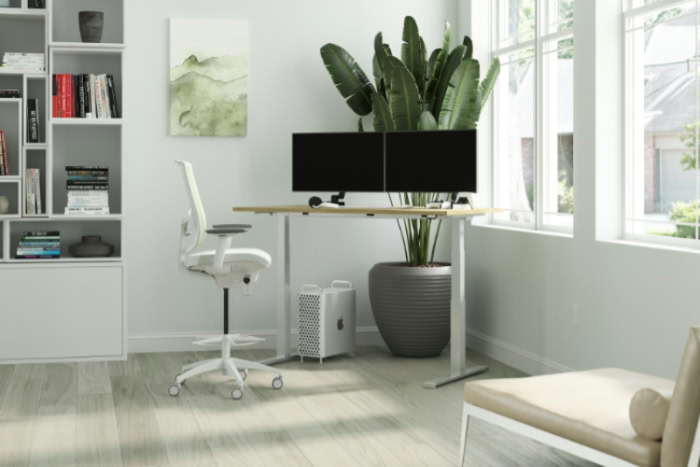
Like any lifestyle change, moving to a standing desk comes with its own set of drawbacks. It is important to recognize that standing is not a universal cure and can introduce new physical stresses if not managed carefully.
Understanding these limitations helps in creating a sustainable routine that avoids the pitfalls of excessive standing.
The Risks of Over-Standing
Standing for too long without breaks can lead to several health issues, including pressure on the circulatory system and potential joint strain. The feet and ankles may swell, and the joints in the hips and knees can become fatigued.
These complications often arise when a user tries to stand for the entire workday without a proper transition period. Recognizing the signs of physical exhaustion is necessary to prevent long term damage to the legs and feet.
Managing the Initial Adjustment Period
The first few weeks of using a standing desk are often the most difficult. Most people experience a temporary drop in comfort and perhaps even productivity as their legs and core muscles strengthen.
This adjustment phase can be discouraging, especially if the user expects immediate results. Persistence is required to move past the initial soreness and reach a point where standing feels natural and effortless.
Avoiding the Static Trap
A standing desk fails its purpose if it simply replaces static sitting with static standing. The primary goal of a height adjustable desk is to promote variety and movement.
If a user stands perfectly still for hours, they are still subjecting their body to the stresses of a fixed posture. True benefits come from using the desk as a tool to facilitate movement, stretching, and frequent shifts in weight throughout the day.
Conclusion
The final verdict on a standing desk depends entirely on how an individual integrates it into their unique workflow and physical needs. While these desks provide a way to escape the confinement of traditional chairs, they are not a universal fix for every workplace ailment.
Their true worth is realized only when the user commits to learning proper ergonomic alignment and maintaining a consistent balance between sitting, standing, and active movement. Without this intentional approach, a high end desk is merely an expensive piece of furniture rather than a health intervention.
Ultimately, the investment pays off when the tool is used to foster a more dynamic and responsive relationship with one’s physical environment.
Frequently Asked Questions
Will a standing desk actually help my back pain?
A standing desk can significantly reduce lower back pain by encouraging the spine to maintain its natural curve. When you stand correctly, you engage your core and glutes, which relieves the pressure that usually builds up in the lumbar region during long periods of sitting. This shift in posture also helps prevent the rounded shoulders common in desk jobs.
How long should I stand at my desk each day?
You should aim for a balanced cycle such as twenty minutes of sitting followed by eight minutes of standing and two minutes of movement. Standing all day can be just as harmful as sitting all day because it leads to leg fatigue and joint strain. Gradually increasing your standing time helps your muscles adapt without causing unnecessary physical stress.
Do I really need to buy an expensive electric desk?
The right desk depends on your budget and how often you plan to change positions throughout your workday. Electric desks offer the most convenience for frequent height adjustments, but manual crank desks or desktop converters can provide similar health benefits at a lower price. Prioritizing stability and weight capacity is more important than choosing the most expensive motorized model.
What are the biggest mistakes people make when standing?
The most common mistake is standing still for too long without wearing supportive shoes or using an anti-fatigue mat. Staying in a static standing position can lead to swollen ankles and varicose veins over time. It is vital to shift your weight frequently and maintain proper monitor height to avoid neck strain while you work.
Can I lose weight just by using a standing desk?
Standing burns more calories than sitting, but the metabolic benefit is primarily about better blood sugar regulation rather than significant weight loss. While you might burn an extra fifty to a hundred calories a day, the desk is most effective when used as part of a broader commitment to general movement and a healthy lifestyle.
About the Author: Elizabeth Baker


