
Is IMAX Worth It? The Ticket Buyer’s Guide

Going to the movies is no longer a cheap night out, forcing you to carefully consider how you spend your entertainment budget. Confronted with escalating premium ticket prices, you must decide if paying extra for a massive screen and booming audio actually improves your night at the theater.
IMAX promises an immense step up from standard screens, boasting exclusive expanded aspect ratios, uncompressed sound, and high-end projection technology. However, not all large-format auditoriums are created equal.
The visual and auditory experience varies wildly depending on specific theater equipment and how a film was originally shot. By weighing the technical specifications against ticket costs, alternative formats, and ideal seating layouts, you will know exactly when an expensive theater upgrade justifies the extra cash.
Key Takeaways
- Traditional grand theaters utilize massive 1.43:1 aspect ratios that reveal up to 40 percent more of the picture compared to standard widescreen cinemas.
- Movies shot with native large-format cameras offer exceptional visual detail, whereas films upscaled in post-production fail to match the same level of genuine clarity.
- Suburban theater conversions provide better sound and dual projection, but they lack the towering floor-to-ceiling screens found in dedicated, purpose-built grand theater venues.
- Action-packed blockbusters and visually dense sci-fi epics justify the expensive ticket markup, while standard character dramas offer minimal returns on a massive screen.
- Selecting a center seat situated two-thirds of the way back perfectly balances visual immersion and protects against the motion sickness caused by oversized screens.
Technical Standards of the IMAX Format
IMAX is built on a foundation of strict technical requirements designed to push the boundaries of traditional cinema. From the size of the picture to the precision of the sound, every element is engineered to create a highly immersive viewing environment.
Screen Dimensions and Expanded Aspect Ratios
Standard widescreen cinema typically uses a 2.39:1 aspect ratio, which results in wide horizontal images but leaves significant black bars at the top and bottom of the screen. High-format cinema addresses this by using taller aspect ratios, specifically 1.90:1 for standard digital screens and a massive 1.43:1 for traditional grand theaters.
This taller frame expands the picture area dramatically. By filling more of the viewer’s peripheral vision, the expanded view reveals up to 26 percent more image on a 1.90:1 screen and up to 40 percent more on a 1.43:1 screen, offering an unmatched sense of scale.
Dual Projection Systems and Image Clarity
To light up these colossal screens, theaters employ advanced dual projection systems. While a standard cinema usually relies on a single projector, premium setups often use twin 2K digital projectors or sophisticated 4K laser projection systems.
The dual configuration ensures the image is significantly brighter than standard digital theater projection. This technology also dramatically improves the color gamut and image sharpness.
The result is a vibrant, high-contrast picture that maintains absolute clarity even when stretched across a massive surface area.
Audio Architecture and Sound Calibration
The visual scale is only half of the equation. The audio architecture is custom-designed for each specific auditorium, utilizing an uncompressed sound system that delivers immense acoustic power.
Speaker placement is meticulously calculated, often incorporating overhead channels and laser-aligned positioning to ensure every seat receives balanced audio. The sub-bass capabilities are particularly notable, providing deep frequencies that audiences can physically feel in their chests.
This custom dynamic range ensures that everything from a whispered conversation to a thunderous explosion is rendered perfectly.
Screen Variations and Format Categories

Not every theater carrying the branding offers the exact same technical setup. The physical screens and the technology used to project the movies fall into several distinct categories, each offering a different level of visual fidelity.
IMAX 70mm Film Systems
The traditional 15-perforation, 70mm film projection format represents the absolute gold standard for large-format cinema. Operating under Grand Theatre specifications, these massive physical film reels run horizontally through the projector, creating an incredibly dense and detailed picture.
The image resolution of 15/70mm film is roughly equivalent to an astounding 18K digital resolution, offering an extreme level of visual fidelity that remains untouched by modern digital counterparts.
IMAX with Laser Technology
As physical film becomes less common, laser projection has emerged as the modern premium alternative. Modern auditoriums are outfitted with either single-laser or dual-laser projection installations, depending on the overall screen size.
Laser technology completely overhauls the visual presentation by replacing traditional Xenon lamps with precise laser light sources. This upgrade provides vastly superior contrast performance, resulting in exceptionally deep blacks and an expanded color depth that makes the image incredibly realistic.
Standard Digital IMAX Retrofits
Many suburban multiplexes have retrofitted standard auditoriums to meet minimum brand specifications. These standard digital conversions are often colloquially termed “LieMAX” by film enthusiasts because they do not feature the towering, floor-to-ceiling screens of dedicated grand theaters.
The primary differences lie in the screen size and the seating geometry. While these retrofitted screens still offer improved sound and dual 2K projection, they lack the overwhelming vertical scale found in purpose-built, giant-screen venues.
Ticket Costs and Value Assessment

Upgrading your movie ticket requires a financial calculation to determine if the premium presentation is actually worth the extra cost. By breaking down pricing trends and evaluating the specific film being shown, you can make a better choice at the box office.
Price Premium Comparison Across Theater Chains
The average ticket price gap between a standard showing and a premium format can be substantial. Upgrading to a standard digital large-format screen often costs several dollars more than a regular ticket, while highly sought-after 70mm film presentations can command an even steeper markup.
Furthermore, regional pricing variances and peak-time surcharges mean that evening weekend shows in major metropolitan cities will drastically inflate the cost of admission.
Native IMAX Photography vs. Digital Post-Production Conversion
The source material plays a massive role in the final visual quality. Directors who champion the format, such as Christopher Nolan with his 2026 epic The Odyssey, shoot with native heavy-format cameras to capture the maximum amount of visual data and fully utilize the expanded aspect ratios.
In contrast, many blockbusters are simply shot on standard cameras and later upscaled using a proprietary digital media remastering process. While this post-production conversion improves clarity and cleans up the image for large screens, the visual fidelity will never truly match the breathtaking detail and genuine vertical expansion of native photography.
Genre Suitability and Visual Scope
Certain film genres benefit immensely from a massive presentation, while others offer minimal visual returns. Large-scale epics, fast-paced action movies, and visually dense sci-fi films gain maximum impact from the expanded scope and thunderous audio systems.
Conversely, quiet character dramas and straightforward comedies do not rely on visual spectacle to tell their stories. Spending extra money to watch a dialogue-heavy film on an enormous screen rarely improves the viewing experience enough to justify the premium price tag.
Comparison with Alternative Premium Formats
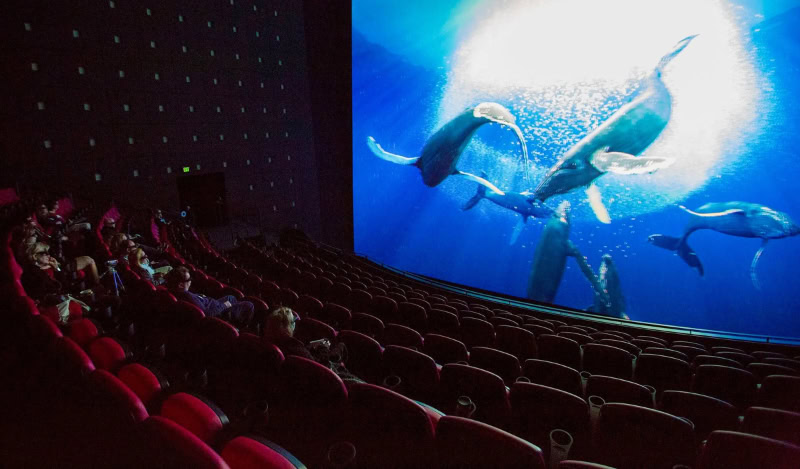
Theater chains offer a variety of upgraded experiences designed to tempt moviegoers away from standard screens. While massive projection remains a popular choice, competing premium formats focus on different sensory enhancements to justify their ticket prices.
IMAX vs. Dolby Cinema
While a massive screen emphasizes sheer size, Dolby Cinema prioritizes absolute picture and sound perfection. Dolby Vision utilizes dual 4K laser projectors to produce unparalleled contrast ratios, delivering true blacks and intensely vibrant colors.
The audio experience is handled by Dolby Atmos, a spatial audio system that places individual sounds anywhere in the three-dimensional space of the theater. Furthermore, Dolby auditoriums consistently feature spacious, plush leather recliners.
If you prioritize seating comfort, flawless color accuracy, and pinpoint sound direction over overwhelming visual scale, Dolby Cinema often presents a more luxurious option.
IMAX vs. 4DX and ScreenX
Alternative formats like 4DX and ScreenX take a radically different approach to audience immersion. Instead of relying on a single, perfectly calibrated massive screen, 4DX integrates physical effects directly into the auditorium.
Motion seats pitch and roll in sync with the onscreen action, while environmental effects like wind, rain, and synthetic scents simulate the film’s environment. ScreenX expands the visual presentation by projecting supplementary footage onto the side walls of the theater, creating a 270-degree panoramic display.
Choosing between these options depends entirely on your preferred style of immersion. A towering single screen provides majestic visual scale, whereas 4DX and ScreenX offer an active, theme-park-style sensory interaction.
IMAX vs. Standard Digital Formats
Most modern multiplexes have already upgraded their standard auditoriums to crisp 4K digital projection and 5.1 or 7.1 surround sound. For the casual film viewer, a standard 4K projection provides an incredibly sharp and highly competent viewing experience.
The baseline digital retrofit formats offer a moderately larger screen and a slightly punchier sound system, but the difference is not always night and day. If a film was not shot specifically for large formats, paying the premium price for a standard digital retrofit often yields diminishing returns.
Sticking with a standard 4K ticket is frequently the most cost-effective choice for a standard Friday night out.
Auditorium Logistics and Seat Selection Strategy

Buying a ticket for a massive screen is only part of the equation. To truly maximize your investment, you must carefully choose where you sit within the auditorium.
The overwhelming size of the screen demands specific logistical planning to ensure you can comfortably absorb the entire presentation.
Field of View and Distance Optimization
A towering, curved screen is designed to fill your entire peripheral vision, which makes distance optimization vital. Sitting too close forces you to constantly turn your head to follow the action, breaking the illusion of the film.
Conversely, sitting too far back minimizes the immersive impact of the expanded aspect ratio. The ideal row placement is typically located about two-thirds of the way back from the screen, situated dead center in the auditorium.
This specific positioning balances complete visual immersion with the comfort of taking in the entire field of view without unnecessary neck strain.
Physical Comfort and Motion Sensitivity Factors
Traditional large-format venues prioritize steep, stadium-style incline angles to guarantee an unobstructed view of the screen for every patron. Because of this aggressive vertical geometry, these classic auditoriums rarely feature the plush recliners found in modern luxury theaters.
The seats are typically standard rockers, designed to keep you upright and focused. Additionally, the sheer scale of the moving image can trigger physical reactions.
Sitting in close proximity to massive, fast-paced action sequences can induce mild motion discomfort or eye strain for sensitive viewers. Securing a seat further back mitigates these physical factors and provides a much gentler viewing angle.
Decision Matrix for Ticket Purchase
Before finalizing a premium ticket purchase, running through a quick mental checklist will save you from an underwhelming experience. First, verify the camera type used during production to see if the movie features natively expanded aspect ratios.
Next, confirm the specific screen version at your local theater to ensure you are getting a massive laser or 70mm presentation rather than a smaller digital retrofit. Evaluate the film genre to determine if the visuals and audio actually demand a gigantic canvas.
Finally, check seating availability. If the only remaining seats are crammed into the very front row, it is generally better to save your money and opt for a standard showing with perfect center seating.
Conclusion
The decision to pay for a premium movie ticket comes down to balancing the technical enhancements against the price of admission. The massive expanded aspect ratios, intensely bright dual-projection systems, and earth-shaking audio create a truly unique physical experience that standard theaters simply cannot replicate.
However, this value is highly dependent on how the film was made and the specific auditorium you visit. If a movie is shot with native large-format cameras and you have access to a dedicated 70mm or dual-laser theater, the steep price markup is entirely justified for action and sci-fi epics.
For standard dialogue-driven films, or if your local theater is just a slightly larger digital retrofit, saving your money and sticking with a standard 4K digital screen is the smartest choice.
Frequently Asked Questions
Does IMAX actually make a difference for every movie?
No, the premium format does not improve every type of film. Movies shot with native large-format cameras gain massive visual expansion, making action and sci-fi visually stunning. However, quiet dramas or comedies shot on standard cameras gain very little from the oversized presentation.
What is the best seat to pick in an IMAX theater?
The ideal seat is located exactly in the center, about two-thirds of the way back from the screen. This specific placement perfectly balances total visual immersion with physical viewing comfort. Sitting too close will likely cause severe neck strain and motion sickness.
Is Dolby Cinema a better choice than IMAX?
Choosing between the two formats depends entirely on what sensory experience you prefer. Dolby Cinema offers superior picture contrast, plush reclining seats, and incredibly precise spatial audio. Large-format screens offer a much taller picture and a sheer sense of scale that Dolby cannot match.
Why are some IMAX screens smaller than others?
Many suburban multiplexes feature retrofitted standard auditoriums that lack the massive floor-to-ceiling screens of purpose-built venues. These standard digital conversions still provide upgraded sound and dual projection but fail to deliver the overwhelming vertical scale found in true grand theater locations.
How much more does an IMAX ticket usually cost?
You can generally expect to pay anywhere from a few extra dollars to nearly double the price of a standard ticket. True 70mm film presentations in major cities during peak weekend hours represent the most expensive tickets, while weekday digital retrofits cost significantly less.
About the Author: Julio Caesar


