
What Is IMAX? The Giant Screen Format Explained

Paying a premium for a movie ticket brings an expectation of a superior experience, yet audiences frequently question if the extra cost is actually justified. IMAX promises an unmatched visual and auditory spectacle, dominating the premium theater market as the ultimate way to watch a film.
Far beyond a simple large screen, IMAX represents a specialized theatrical format combining massive geometry, high-resolution cameras, and proprietary projection systems designed to immerse viewers completely. However, not all auditoriums bearing the name offer the exact same presentation.
Key Takeaways
- True 15/70mm IMAX theaters utilize massive screens up to 100 feet tall and project an expanded 1.43:1 aspect ratio to fill your peripheral vision completely.
- Modern commercial multiplexes typically feature scaled-down IMAX with Laser systems, which offer brighter 4K images but usually lack the towering height of purpose-built grand theaters.
- Movies filmed with certified large-format cameras will physically expand on the screen to show more image area, while non-native films simply undergo audio and visual enhancement.
- Selecting a seat in the center of the back third of the auditorium provides the best balance of visual field and audio distribution to prevent neck strain.
- Dolby Cinema provides a different premium experience focused on perfect black levels, high dynamic range, and recliner comfort, contrasting heavily with the sheer scale and volume of IMAX.
Definition and Fundamental Concept of IMAX
To appreciate the impact of this format on modern cinema, one must look beyond the oversized screen and consider the foundational ideas driving the technology. The format represents a comprehensive approach to theatrical presentation, designed from the ground up to completely engage the human senses.
Meaning of the IMAX Acronym
The acronym itself stands for “Image Maximum,” a literal description of the format’s central objective. The underlying concept relies on massive visual scale to fill a viewer’s field of vision.
The primary mission of the technology is the absolute maximization of image size, visual clarity, and sound immersion. By pushing the boundaries of what a physical frame can display, the format removes the barrier between the audience and the screen.
Origin and History
The IMAX Corporation originated in Canada during the late 1960s, driven by filmmakers who wanted to project massive, high-fidelity images without the clumsy multi-projector setups common at the time. For decades, these colossal screens were exclusively found in museums and science centers, showing specially produced nature and space documentaries.
It was not until the early 2000s that the company adapted its proprietary systems to project mainstream Hollywood feature films. This transition transformed a niche educational attraction into a dominant force in global entertainment.
Philosophy of Immersive Cinema
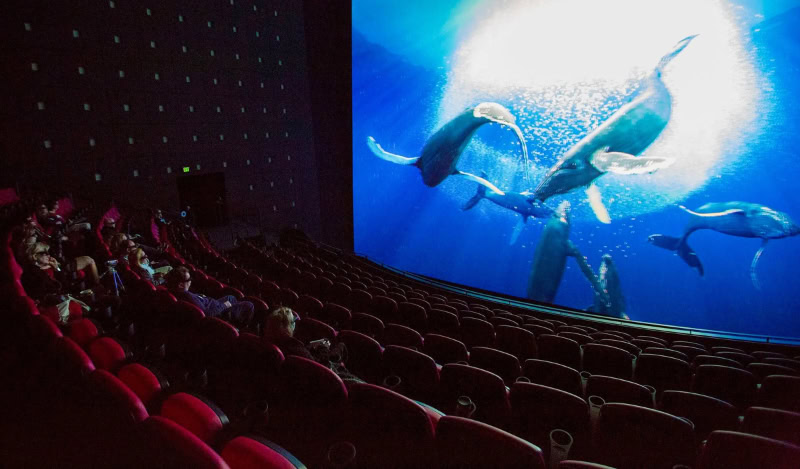
Standard commercial theater layouts typically feature a flat screen positioned at a distance, allowing viewers to easily see the theater walls and exit signs. The immersive philosophy changes this dynamic by utilizing aggressive screen geometry and bringing the seating closer to the display.
This proximity effectively wraps the image around the audience, filling their peripheral vision and creating a profound sense of presence. Custom-built auditoriums utilize steep stadium seating to ensure every viewer maintains an unobstructed sightline while sitting directly in the optimized viewing and listening sweet spot.
Technical Architecture of the IMAX System

Delivering an uncompromised viewing experience requires a complex, highly specialized ecosystem of production and projection hardware. Every technical element is engineered to maintain absolute fidelity from the original camera capture to the final presentation in the auditorium.
Camera Specifications and Expanded Aspect Ratios
Capturing imagery for this format involves specialized physical cameras with distinct film and digital certifications. The most notable visual yield of these cameras is the expanded aspect ratio.
Standard cinematic digital projection typically utilizes a 1.90:1 ratio, while many traditional blockbusters use a 2.39:1 letterbox format that results in black bars at the top and bottom of the screen. True 15/70mm cameras capture a much taller, squarer 1.43:1 expanded format.
This provides a massive increase in the visible image area at the top and bottom of the frame, revealing visual information that is cropped out in standard theaters.
Projection Technologies: Film, Digital, and Laser
Theater projection systems fall into three main categories based on the auditorium’s capabilities. The 15/70mm film projection utilizes a horizontal film delivery system to pass massive film stock through the projector, delivering maximum resolution capability with a theoretical equivalence of around 18K.
To accommodate mainstream multiplexes, Dual-Digital projection was introduced. This relies on a Xenon bulb setup projecting at a standard 2K resolution.
The most modern iteration is IMAX with Laser, utilizing 4K dual-laser technology. This laser system offers enhanced brightness, striking color contrast, and a significantly wider dynamic range than older Xenon bulbs.
Audio Design and Speaker Configuration
Visuals represent only half of the theatrical equation, making the audio design equally crucial to the overall effect. The auditoriums rely on custom-tuned, laser-aligned sound systems available in 6-channel and 12-channel configurations.
The setup uses point-source loudspeaker geometry, meaning every speaker is aimed with pinpoint accuracy to ensure consistent sound delivery across the entire seating area. Furthermore, the audio distribution remains completely uncompressed, allowing the audience to hear everything from the quietest whisper to the most deafening explosion with pristine clarity.
The Digital Media Post-Production Process
Because not every Hollywood movie is shot using native large-format cameras, the company employs a process known as Digital Media Remastering. This proprietary post-production technique analyzes and processes standard footage to prepare it for giant screens.
The remastering process artificially enhances image clarity and contrast while simultaneously remixing the audio to match the rigorous acoustic presence required by the specialized auditoriums. This ensures that non-native films still deliver a premium presentation that justifies the brand label.
Classification of IMAX Theater Formats

The physical design and technological capabilities of theaters vary drastically depending on when and where they were built. Classifying these theater formats helps audiences identify exactly what type of presentation they are purchasing a ticket to see.
The 15/70mm Film Format
The most prestigious viewing environments are the classic, purpose-built “Grand Theatre” auditoriums. These venues feature giant screens that frequently reach 80 to 100 feet tall.
Because they are constructed specifically to house the massive horizontal film projectors, these grand theaters offer full 1.43:1 aspect ratio capability. Watching a native film in this specific format provides the absolute maximum visual scale available in modern cinema.
IMAX with Laser and Commercial Digital Systems
As the brand expanded beyond science centers, it developed adaptations designed for standard commercial multiplex footprints. These commercial systems are categorized by their projection setups.
Legacy systems utilize Xenon bulb projection, which fits easily into smaller converted rooms but lacks the visual punch of newer tech. Upgraded multiplexes now feature single-laser and dual-laser projection setups.
While single-laser systems offer a notable step up in brightness and color over Xenon bulbs, the dual-laser configuration provides a vastly superior presentation that gets much closer to the pristine quality of traditional 70mm film.
Screen Dimensions and Architectural Variations
The aggressive expansion into local multiplexes led to architectural variations that spawned the “LieMAX” phenomenon among consumers. This term draws a distinction between standard auditoriums retrofitted with slightly larger screens and the true purpose-built giant screens.
Retrofitted multiplex rooms suffer from distinct differences in screen height, possessing standard 1.90:1 aspect ratio screens rather than the towering 1.43:1 grand screens. Furthermore, these converted rooms often feature subtle differences in screen curvature and shallower seating elevation, slightly diminishing the total peripheral immersion that defines the original format.
Comparison between IMAX and Alternative Formats
Audiences today have access to a variety of premium theater options that promise to elevate the traditional moviegoing outing. Understanding how the massive screen format stacks up against its competitors helps viewers select the environment that best matches their personal preferences for visual fidelity, audio immersion, and physical comfort.
Contrast with Standard Multiplex Screens
Standard multiplex auditoriums serve as the baseline for the theatrical experience, offering a conventional presentation that falls noticeably short of premium formats. When placed side-by-side, the most immediate contrast is screen dimension.
Standard screens are significantly smaller and lack the immense vertical height that defines giant-screen architecture. Furthermore, standard projection systems output less brightness and lower overall resolution, usually maxing out at a standard 2K or 4K image without proprietary enhancements.
Sound intensity also differs wildly. While a standard theater utilizes standard surround sound, it lacks the aggressive, chest-thumping bass and pinpoint audio alignment that custom-built auditoriums deliver.
Comparison with Dolby Cinema
Dolby Cinema stands as the most prominent direct competitor to the giant-screen format, offering a highly refined experience with different priorities. In terms of image quality, IMAX wins on sheer screen scale and expanded aspect ratios.
However, Dolby Vision relies on advanced High Dynamic Range to produce absolute black levels and stunning color contrast that traditional projectors cannot match. The audio approaches also diverge.
IMAX uses massive directional sound geometry for raw power and volume, while Dolby Atmos utilizes object-based sound. This Atmos technology allows audio to move fluidly around and directly above the audience for precise spatial awareness.
Comfort heavily favors Dolby Cinema, which typically features premium reclining seats, whereas giant-screen auditoriums utilize densely packed stadium seating to squeeze viewers into the optimal viewing angle.
Comparison with Motion and Multi-Screen Technologies
While some formats focus on audiovisual fidelity, others attempt to alter the environment itself. Technologies like 4DX incorporate physical motion, vibrating seats, wind, and water effects synchronized to the on-screen action.
Similarly, ScreenX extends the movie onto the side walls of the auditorium to create a 270-degree panorama. These formats rely on environmental additions and physical effects to engage the viewer.
IMAX ignores these additions entirely to maintain strict focus on maximizing the traditional audiovisual presentation through unparalleled image scale and uncompromising sound clarity.
Consumer Considerations and Practical Advice

Choosing to purchase a premium movie ticket requires a balance of expectations and budget. By evaluating the specific movie being shown and the layout of the theater, moviegoers can maximize their investment and guarantee a comfortable, highly entertaining viewing experience.
Evaluation of Ticket Price and Value
The premium ticket markup covers the expensive projection maintenance, proprietary audio hardware, and massive screen real estate required to run these specialized auditoriums. However, the value of that upgrade heavily depends on the film itself.
Visually spectacular blockbusters packed with large-scale action, intricate visual effects, or expansive landscapes easily justify the extra cost. Conversely, dialogue-heavy dramas, intimate comedies, or smaller independent films often play just as well on a standard multiplex screen.
Assessing the visual scope of a movie beforehand helps determine if the premium upgrade will actually enhance the viewing experience.
Native IMAX Productions vs Remastered Releases
There is a significant difference between movies filmed directly with certified large-format cameras and those retrofitted through post-production remastering. Native productions physically capture more image data on set, allowing the picture to expand and fill the massive screen vertically.
Remastered films simply enhance standard footage to look and sound better in the auditorium without necessarily expanding the frame. To identify a true expanded release prior to ticket purchase, moviegoers can check the official promotional materials or the theater’s website.
Studios often explicitly advertise if a film features expanded aspect ratios to attract fans seeking the most immersive presentation possible.
Optimal Seat Selection
Because the screens are enormous and positioned incredibly close to the audience, choosing the right seat heavily impacts physical comfort. Sitting too close forces viewers to constantly move their heads to follow the action.
This rapid movement often leads to severe eye strain and neck fatigue by the time the credits roll. The optimal placement is generally found in the back third of the auditorium.
Securing a seat directly in the middle of these upper rows balances the expansive visual field of view while placing the listener directly in the center of the aligned audio channels for perfect sound distribution.
Conclusion
IMAX functions as a complete, end-to-end cinema technology that directly manages image capture, theater projection, and auditorium sound. By controlling every variable from the camera lens to the customized seating arrangement, the format delivers an aggressive, highly engaging presentation.
Having a clear perspective on how these massive screens and specialized projectors operate gives you the power to dictate your own viewing standards. You can now confidently evaluate ticket prices, select the perfect seat, and ensure your next trip to the movies provides the best possible entertainment value.
Frequently Asked Questions
Is IMAX really worth the extra money?
Paying the extra cost is worthwhile for visually spectacular blockbusters filmed with specialized large-format cameras. These specific movies utilize the massive screens and expanded aspect ratios to fill your peripheral vision. For standard dialogue-heavy dramas or comedies, the premium price offers much less value.
What is the difference between regular theater screens and IMAX?
The primary difference is the massive physical scale and enhanced visual aspect ratio of the projected image. Standard multiplex screens are smaller and often display black bars on the top and bottom. IMAX screens are custom-built to be taller and deeply curved to wrap around the audience.
Where is the absolute best place to sit in an IMAX theater?
The ideal spot to sit is directly in the center of the back third of the auditorium. This placement allows you to take in the massive screen without constantly turning your head. It also positions you directly inside the laser-aligned sweet spot for optimal sound balance.
Can you tell if a movie was actually shot in IMAX?
You can identify a native production by checking the official promotional materials for mentions of expanded aspect ratios. Studios typically advertise if a movie was filmed with certified large-format cameras. Films lacking this designation are usually standard movies that underwent digital enhancement to fit the screen.
Does Dolby Cinema have better picture quality than IMAX?
Dolby Cinema offers superior color contrast and perfect black levels through its High Dynamic Range projection technology. However, it lacks the towering physical screen height and expanded picture area found in giant-screen auditoriums. Your preference depends entirely on whether you value image contrast over massive scale.
About the Author: Julio Caesar


