
Is MagSafe Worth It? The Real Pros and Cons
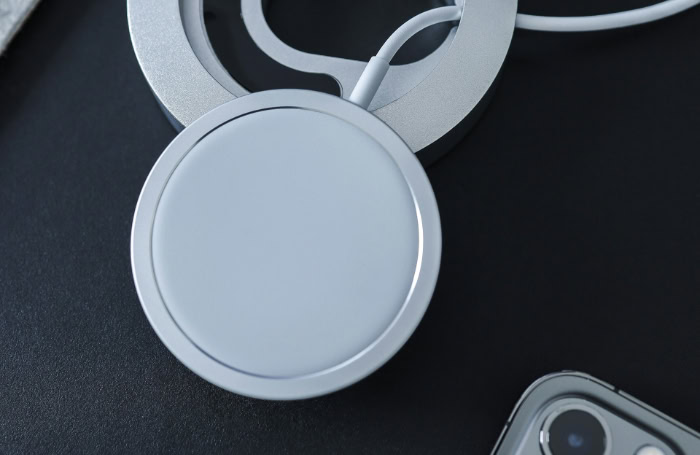
Apple transformed how we power our devices with the introduction of the MagSafe ecosystem. By blending wireless charging with a clever magnetic snap, the company created an entirely new way to attach accessories and top up batteries.
However, this slick convenience arrives with a premium price tag. The main dilemma for consumers is deciding if the high cost justifies the everyday utility.
You must ask yourself if snapping a wallet to your phone or avoiding a misaligned charger is worth the extra cash. To find the answer, we will evaluate MagSafe's actual charging performance and its massive range of modular add-ons.
MagSafe: The Basics and Mechanics
Apple's proprietary charging hardware blends strong magnets with wireless induction to create a unified platform for power and accessories. This system operates as a functional foundation that heavily influences how users interact with their mobile hardware and laptops.
The Underlying Technology
A proprietary array of magnets surrounds the internal wireless charging coil to ensure a secure connection. This physical ring guides the external power source into exact alignment with the receiving coil hidden inside the phone.
By forcing chargers and accessories to snap perfectly into place, the design eliminates the guesswork historically associated with induction plates. The magnets are uniquely polarized to pull specific accessories into the correct orientation, preventing accidental attachment errors and securing the hardware.
iPhone Implementation
The iPhone implementation relies on a dual-purpose design that enables both wireless power delivery and modular accessory attachment. Users can seamlessly transition from charging their battery to snapping on external hardware without needing specialized cases with bulky physical clips.
The internal hardware communicates with attached accessories through NFC technology. This tells the phone exactly what type of device just connected, allowing the software to instantly display relevant animations or battery levels on the screen.
MacBook Implementation (MagSafe 3)
The MacBook implementation, known as MagSafe 3, offers a distinct value proposition through a dedicated, breakaway magnetic charging cable. The primary function of this cable is to prevent accidental drops.
If someone trips over the power cord, the connector detaches instantly and safely leaves the expensive laptop sitting on the desk. Returning to a dedicated charging port also frees up valuable USB-C slots for external hard drives, monitors, and other necessary peripherals.
Speed, Convenience, and Reliability

The magnetic system immediately alters the daily routine of keeping devices fully powered. The technology aggressively targets the common frustrations associated with traditional induction pads while delivering improved performance and usability for heavy users.
Solving The Alignment Problem
The magnetic snap eliminates the common frustration of waking up to an uncharged phone due to slight misalignment. Older wireless pads required extreme precision; shifting the phone a few millimeters could completely break the power connection.
The magnetic ring solves the alignment problem by pulling the charging puck exactly where it needs to be. This precise physical lock guarantees that power flows efficiently throughout the night without sudden interruptions from a vibrating notification or an accidental bump.
Power Output Limits
Users benefit heavily from a massive boost to power output limits compared to older hardware. A standard, older Qi wireless charger traditionally caps out at a sluggish 7.5W limit on Apple devices.
While the first generation of magnetic chargers hit a 15W peak output, recent updates have pushed the technology much further. The second-generation models now deliver up to 25W of power for the iPhone 16 series and newer, while the iPhone Air reaches a solid 20W.
You simply need to pair the pad with a 30W power adapter to unlock these maximum speeds. Additionally, the latest hardware supports 25W charging through the universal Qi2 standard.
The precise alignment created by the magnets allows the system to transfer these higher wattages safely without excessive energy loss.
Ergonomics While Charging
Traditional wireless pads fail to provide reasonable ergonomics while charging. You generally cannot pick up your phone to read an email or scroll through a feed without breaking the induction connection.
The magnetic puck fundamentally changes this dynamic. The small, circular charger remains securely attached to the back of the device, allowing you to easily pick up, hold, and use the hardware.
The power cord casually routes behind your hand, providing the freedom of a wired connection with the sleek mechanics of a wireless system.
Beyond Power Delivery

The internal magnetic ring operates as more than just an electrical conduit. It serves as a universal mounting standard that supports an expansive variety of external hardware, transforming the device into a highly customizable tool.
Modular Everyday Carry (EDC)
The system excels in modular everyday carry. Users enjoy the convenience of snapping on and removing accessories like slim leather wallets or portable battery packs without bulky attachments.
Before leaving for a quick errand, you can stick a compact wallet to the back of the device to hold a few credit cards. Later in the day, you can remove the wallet and replace it with a magnetic power bank.
This modular approach keeps the device slim while allowing it to adapt to specific daily needs on the fly.
Desk Setup and Videography Integration
Desktop environments and content creation workflows benefit greatly from desk setup and videography integration. Floating desktop stands utilize the magnetic array to elevate the screen to eye level, keeping messy cables entirely off the table.
Creators frequently use tripod mounts that snap on instantly for filming videos. Furthermore, Apple's Continuity Camera feature relies heavily on specialized mounts. These small brackets secure the phone to the top of a laptop screen, turning the high-quality rear lenses into a premium webcam for professional video calls.
Automotive Mounts
In vehicles, the transition toward seamless, snap-on magnetic car mounts provides a massive upgrade over older mounting hardware. Drivers are rapidly moving away from clunky vent clamps that require two hands to operate and sticky dashboard adhesives that leave permanent residue.
A magnetic mount allows a driver to secure the phone with a single hand motion. The strong connection holds the hardware steady over rough roads, and the user can easily rotate the screen between portrait and landscape orientations for comfortable GPS navigation.
Drawbacks and Limitations

The magnetic ecosystem offers undeniable convenience, but it is far from a perfect system. Users must weigh several significant downsides before committing completely to the platform.
From high pricing to physical wear on cases, these limitations can quickly frustrate consumers who expect flawless performance from premium hardware.
The “Apple Tax” and Accessory Costs
The high initial investment required for official first-party chargers, cases, and add-ons deters many potential buyers. Purchasing an official charger requires spending considerably more than you would on a standard cable.
Furthermore, the necessary power brick is often sold separately, adding another layer of expense. If you want a matching leather wallet or a branded battery pack, the total cost multiplies rapidly. This pricing strategy forces users to pay a steep premium simply to access the basic functionality of the magnetic system.
Speed and Efficiency Bottlenecks
Even under ideal conditions, wireless induction cannot compete with the sheer power of a physical plug. MagSafe is still significantly slower and less energy-efficient than traditional, direct-wired USB-C or Lightning fast charging.
A direct cable easily pushes higher wattages into the device, filling an empty battery in a fraction of the time. Wireless transfer naturally loses energy through the physical gap between the coils.
If you are rushing to leave the house and need a quick battery boost, relying on a magnetic puck will leave you waiting much longer than plugging a cord directly into the bottom port.
Thermal Management and Battery Health
Wireless induction naturally generates excess heat, which frequently impacts the user experience. Because the magnetic puck clings tightly to the back of the phone, trapped thermal energy transfers straight into the battery cells.
To protect the internal hardware from overheating, Apple uses software throttling to stop a charge at 80 percent when temperatures rise too high. This safety measure often leaves users waking up to a partially charged phone.
Constantly exposing a battery to high temperatures can degrade its overall capacity over time, forcing an expensive replacement sooner than expected.
Cosmetic Wear and Case Restrictions
Maintaining magnetic strength requires buying specialized cases with built-in magnets, limiting your choices. If you try to use a standard, thick protective case, the magnetic pull becomes too weak to hold accessories securely.
Beyond the limited selection, the physical design causes noticeable cosmetic wear over time. Leaving a charging puck attached tightly to the back of a phone often leaves circular imprints permanently stamped into silicone or leather materials.
These faded rings can ruin the aesthetic appeal of an expensive premium case within just a few months of normal use.
Smart Alternatives and Cost-Effective Solutions

You do not have to pay top dollar to enjoy the benefits of magnetic charging. The market has expanded rapidly, offering plenty of ways to bypass strict first-party pricing.
Savvy shoppers can easily find high-quality alternatives that provide the exact same utility without draining their wallets.
The Rise of the Qi2 Standard
The universal Qi2 standard utilizes a very similar magnetic profile to offer identical charging parity at a lower price point. While originally capped at 15W, recent updates have pushed Qi2 to support 25W charging on compatible hardware.
Apple contributed its magnetic alignment technology to the Wireless Power Consortium, allowing competing manufacturers to build identical functionality into their own chargers. Because Qi2 is an open standard, you can buy a fast, secure, magnetically aligned charger for a fraction of the cost of official branded hardware.
This shift gives Android and iPhone users alike a unified, affordable way to charge their devices without compromising on speed or safety.
Reputable Third-Party Options
You can bypass the high retail prices by evaluating reliable third-party brands that provide similar functionality without the first-party premium. Companies like Anker, Spigen, and Belkin produce highly rated chargers, battery packs, and desktop stands.
These manufacturers design hardware that perfectly matches the physical dimensions of the magnetic ring while frequently adding clever features like built-in kickstands or longer cables. Buying from these trusted names ensures you get a safe, durable product that works exactly as intended while keeping extra money in your pocket.
Magnetic Conversion Rings
You do not even need to buy a brand new phone or an expensive case to join the ecosystem. A practical workaround for users who want to retrofit older phone models or their favorite cases involves adhesive magnetic conversion rings.
These simple metal or magnetic stickers adhere directly to the outside of your current phone case. Once applied, they instantly provide the precise alignment needed to attach wallets, car mounts, and power banks.
This inexpensive modification allows anyone to upgrade their existing hardware in minutes, proving that magnetic convenience is accessible on almost any budget.
Conclusion
Deciding if Apple's magnetic ecosystem is worth the investment comes down to a straightforward cost-benefit analysis. You must weigh the undeniable convenience of perfect alignment and a massive accessory market against premium prices, slower charging speeds, and potential thermal issues.
The final verdict heavily depends on your specific daily habits. MagSafe is a highly worthwhile investment for convenience-seekers, frequent drivers who need easy dashboard mounting, and users who love modular everyday carry accessories.
Alternatively, budget-conscious consumers and power users who prioritize maximum charging speed can confidently skip it. A traditional high-speed cable or an affordable Qi2 alternative will easily serve those practical needs without draining your bank account.
Frequently Asked Questions
Does MagSafe charge faster than a regular cable?
No, a traditional direct wired connection is significantly faster and much more energy-efficient. While newer magnetic chargers deliver up to 25W of wireless power, plugging a fast-charging cable directly into your device can deliver even higher wattages to rapidly fill an empty battery.
Can I use MagSafe with an older iPhone model?
You cannot use the official magnetic features natively on older Apple devices. However, you can easily buy inexpensive adhesive magnetic rings to attach directly to your current phone case. This simple modification allows older smartphone models to utilize various magnetic mounts and accessories perfectly.
Does wireless charging ruin your battery health?
Wireless induction naturally generates excess heat that can slowly degrade overall battery capacity over a long period. To combat this thermal issue, the internal smartphone software frequently throttles the power transfer. The system will often pause charging at 80 percent until internal temperatures drop safely.
Do I need a special case to use magnetic accessories?
Yes, you generally need a specialized case with built-in magnets to maintain a strong physical connection. Using a standard, thick protective cover creates too much physical distance between the coils. This significantly weakens the magnetic pull and prevents external accessories from attaching securely.
What is the difference between MagSafe and Qi2?
Both technologies now support up to 25W charging speeds on compatible devices and utilize a very similar magnetic alignment ring. The primary distinction is that Qi2 is a universal open standard available on various device brands. This allows you to purchase identical charging performance at a much lower overall price.
About the Author: Elizabeth Baker


