
Is Venmo Safe? What You Need to Know
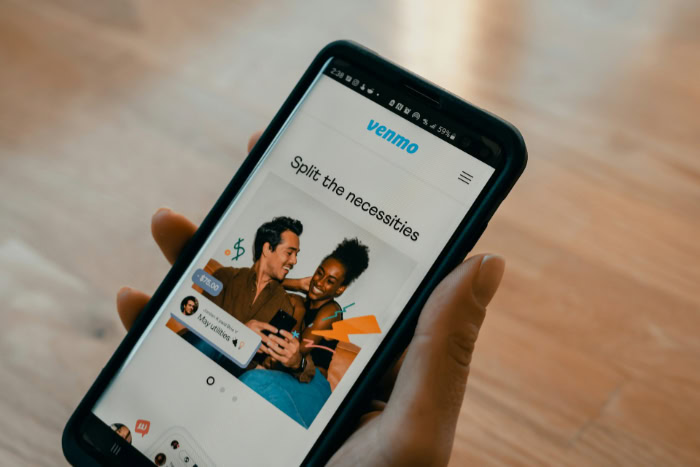
Splitting the dinner bill or paying your half of the rent now takes less than ten seconds on your phone. You probably hit “send” on Venmo multiple times a week without a second thought about the direct link between that blue app and your checking account.
Trading physical cash for peer-to-peer convenience introduces entirely new vulnerabilities to your personal finances.
True security on these platforms relies just as much on your daily habits as it does on complex data encryption. Hackers and scammers target users who treat their payment apps like harmless social media profiles.
Mastering a few basic privacy adjustments and recognizing the tricks fraudsters use will transform how you protect your money. A proactive approach guarantees you can enjoy the ease of instant transfers without accidentally leaving the door open to your savings.
Key Takeaways
- Change your default transaction visibility to “Private” to prevent scammers from studying your public payment history and impersonating your friends.
- Never use standard personal transfers to buy items from strangers online, as you forfeit all buyer protections the moment the money leaves your account.
- Turn on multi-factor authentication and biometric app locks to ensure thieves cannot access your funds even if they steal your physical smartphone.
- Understand that peer-to-peer transfers are instant and irreversible, meaning you cannot cancel a payment if you accidentally type the wrong username.
- Utilize the “Goods and Services” toggle when making legitimate commercial purchases to activate basic dispute resolution options if the seller fails to deliver.
How Venmo Protects Your Data
Venmo operates as a highly regulated financial platform and relies on robust technological defenses to secure user accounts. The company implements several overlapping layers of security to prevent unauthorized access and protect sensitive financial information from outside threats.
Bank-Grade Encryption
Any time you link a checking account or input a credit card number, Venmo scrambles that sensitive data using advanced encryption protocols. This process turns your actual account numbers into unreadable code during transmission.
Even if hackers manage to intercept the data traveling between your phone and Venmo’s servers, they will only see random characters rather than your routing or account numbers.
Multi-Factor Authentication (MFA)
Passwords alone are rarely enough to secure a financial account. Venmo requires multi-factor authentication to verify your identity whenever a login attempt occurs from an unrecognized device or a new location.
You will receive a unique security code via SMS text message or email. Without that secondary code, a hacker cannot access your account even if they have stolen your password.
Hardware-Level Security
The physical device you use to access the application offers its own line of defense. Users can enable hardware-level security features within the app settings to require biometric verification, such as FaceID or fingerprint scanning, before opening the application.
If your smartphone is ever lost or stolen, this local barrier prevents thieves from simply opening the unlocked phone and draining your wallet. You can also require a custom PIN code to authenticate individual transfers.
Account Activity Alerts
Early detection is critical for stopping financial fraud. Venmo provides real-time push notifications and email logs for every transaction that occurs on your account.
If someone manages to bypass other security measures and initiates an unauthorized transfer, these alerts act as an immediate warning system. Promptly noticing an unfamiliar charge allows you to lock your account and contact customer support before the funds are permanently lost.
Privacy and Information Risks

One of the most recognizable features of Venmo is its interactive social feed. While scrolling through emojis and seeing what friends are doing can be entertaining, broadcasting financial transactions creates unique privacy vulnerabilities that traditional banking apps avoid entirely.
The Public Feed Default
By default, Venmo sets all transaction memos to public. Anyone on the internet can see who you are paying and the accompanying notes, though the actual dollar amounts remain hidden.
This setup essentially creates a public ledger of your daily habits. Strangers can track where you eat, who you split bills with, and how frequently you interact with specific individuals.
Adjusting Privacy Settings
Protecting your financial privacy requires manually changing these default settings. You can update your preferences by navigating to the privacy section of the settings menu and changing your default transaction visibility from “Public” to either “Friends” or “Private.” Selecting the private option ensures that only you and the recipient can see the transaction record.
You can also retroactively apply these stricter privacy settings to all your past transactions to clear your public history.
The Danger of Information Harvesting
Scammers actively monitor public feeds to map out relationships and friend groups. By analyzing public transaction histories, they can accurately identify your close circle of friends or family members.
Armed with this information, fraudsters create duplicate accounts that use the name and stolen profile picture of someone you trust. They will then send an urgent request for money, hoping you will blindly approve the transfer without verifying their identity outside the app.
Recognizing and Defending Against Common Scams
Strong encryption cannot protect you if you voluntarily send money to a fraudster. Criminals frequently target payment app users through social engineering tactics designed to manipulate emotions and bypass technical safeguards.
Recognizing these common psychological tricks is your best defense against financial loss.
The “Accidental Transfer” Scam
This scam begins when a stranger unexpectedly sends a large sum of money to your account and immediately follows up with a panicked message claiming it was an accident. They will beg you to return the funds.
In reality, the initial transfer was made using a stolen credit card. If you send your own money back to them, the rightful owner of the stolen card will eventually dispute the charge.
The bank will reverse the initial fraudulent deposit, leaving you entirely responsible for the money you willingly sent out.
Phishing and Impersonation
Fraudsters routinely send fake text messages and emails claiming to be from official Venmo support. These messages usually warn you of a blocked account or suspicious activity and provide a link to a fake login page.
If you type your credentials into that fraudulent site, the scammers instantly steal your username and password. You should never click on links in unsolicited texts.
Always open the official app directly to verify the status of your account.
Marketplace and Ticket Fraud
Peer-to-peer applications are intended for casual payments between people who know each other, making them highly dangerous for online marketplace transactions. Scammers selling concert tickets, electronics, or purebred puppies on classified sites will often demand payment upfront via a direct transfer.
Once the money is sent, the seller disappears, deletes their account, and never delivers the promised goods.
Financial Protections and Transaction Finality

Peer-to-peer payments function very differently from traditional credit cards. The rules governing disputes and refunds are strict, and users must comprehend how money moves on the platform to avoid irreversible mistakes.
The “No Undo” Rule
Transfers made on peer-to-peer networks are effectively instantaneous and function much like handing someone physical cash. If you accidentally type in the wrong username or send money to a scammer, there is no simple undo button.
The company rarely intervenes in authorized payments sent to the wrong person. Your only recourse is to send a polite request asking the recipient to return the funds, and you must rely entirely on their goodwill.
Personal vs. Business Transactions
The platform strictly distinguishes between casual transfers and commercial purchases. Standard personal transactions are designed for reimbursing friends for dinner or paying a roommate for utilities.
These transfers carry zero buyer protections. If you are buying an item from someone you do not know personally, you must toggle the payment to indicate it is for “Goods and Services.” This applies a small fee to the seller but extends basic commercial protections to the transaction.
Venmo Purchase Protection
When you correctly tag a payment as a commercial purchase, you gain access to the dispute resolution center. If the item you bought never arrives or is significantly different from the seller’s description, you can file a claim to have your money refunded.
However, specific categories of transactions are strictly excluded from coverage. You cannot file claims for real estate, vehicle purchases, or items prohibited by the platform’s terms of service.
Venmo vs. Other Payment Methods
Choosing the right financial tool requires comparing different platforms and their respective security models. Each service maintains specific rules regarding fraud protection, transaction limits, and dispute resolution.
Venmo vs. Zelle
Venmo functions as a separate digital wallet that sits between your bank and your contacts. Zelle operates differently by integrating directly into the banking system to move money straight from one checking account to another.
While Zelle is often faster, its direct integration means a compromised account can instantly drain your actual bank balance. Zelle also offers virtually zero buyer protection, making it exclusively suitable for trusted personal connections.
Venmo vs. PayPal
Although PayPal owns Venmo, the two platforms serve completely different primary purposes. PayPal operates as a robust global payment processor equipped with extensive buyer protection policies designed for online shopping and retail transactions.
Venmo remains focused on domestic, casual payments. If you are buying expensive goods from an unknown online vendor, PayPal provides a far more comprehensive safety net for dispute resolution.
Determining the Right Tool
Your choice of payment method should depend entirely on the context of the transaction. You can safely use your digital wallet for splitting utility bills, paying a trusted dog walker, or sharing dinner costs with close friends.
If you are booking a vacation, buying electronics from an independent seller, or dealing with an unverified merchant, you should use a traditional credit card. Credit cards offer federal fraud protection and the legal right to execute a chargeback if the merchant fails to deliver.
Conclusion
Venmo provides a highly secure infrastructure for its intended purpose of processing casual, everyday payments. The bank-grade encryption and multi-factor authentication systems make it incredibly difficult for outside hackers to compromise your financial data.
However, the platform remains vulnerable to social engineering and user error. You can eliminate almost all of your risk by adhering strictly to the friends and family rule.
Only exchange money with people you actually know in real life and trust completely. Combining this disciplined approach with strict privacy settings ensures your digital wallet remains both a convenient tool and a secure financial asset.
You control your exposure by staying alert and verifying every transaction before hitting send.
Frequently Asked Questions
Can I get my money back if I get scammed on Venmo?
You are highly unlikely to get a refund if you authorized the transfer yourself. Venmo treats personal peer-to-peer payments like cash and rarely intervenes in scams. You are only protected if you explicitly tagged the transaction as a commercial purchase before sending the funds.
Why does everyone on Venmo need to see who I pay?
You do not have to share your transactions with the public feed. The app makes all payment notes visible to everyone by default to encourage social interaction. You can easily hide your activity by navigating to your privacy settings and changing your default visibility to private.
What happens if I accidentally pay the wrong username?
The payment goes through instantly and cannot be reversed by the platform. Your only option is to send a message to the recipient asking them to send the money back. You rely entirely on the honesty of a stranger to recover those lost funds.
Is it safe to buy concert tickets from someone using Venmo?
Paying a stranger for tickets using standard peer-to-peer transfers is incredibly dangerous. Scammers frequently take your money and immediately block your account without sending the tickets. You should always use a standard credit card or a dedicated ticketing platform that offers guaranteed fraud protection.
Can hackers steal my bank info through the Venmo app?
Hackers cannot easily extract your actual banking details directly from the application. The company uses advanced encryption to scramble your routing and account numbers into unreadable code. As long as you use multi-factor authentication and a strong password, your linked financial data remains highly secure.
About the Author: Julio Caesar


