
What Are Earbuds? The Basics Explained
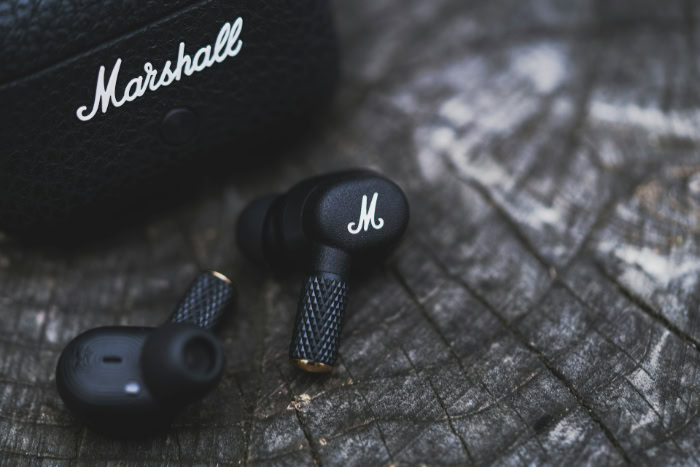
The average person spends over four hours a day with some form of speaker pressed directly against their ears. If you find yourself constantly untangling wires or adjusting small plastic shells during your daily commute, you already know how deeply these devices affect your daily comfort and productivity.
These compact audio tools, designed to rest gently inside the outer ear, have quietly transitioned from cheap, bundled accessories into sophisticated personal sound systems.
Key Takeaways
- Unlike in-ear monitors (IEMs) that seal deep inside the ear canal, earbuds rest in the outer bowl of the ear, allowing natural ambient sound to pass through.
- Wired earbuds provide immediate, lag-free audio without requiring batteries, while true wireless stereo (TWS) models offer cord-free convenience powered by a portable charging case.
- The open-fit design of earbuds enhances safety by preserving situational awareness, but it also results in weaker bass reproduction and less protection against noisy environments.
- To secure a loose fit, insert the earbud housing into the concha and tilt it slightly until it rests firmly against the outer ear cartilage.
- Protect your hearing and device by keeping listening volumes below sixty percent, taking regular breaks, and sweeping earwax off the speaker mesh using a dry, soft brush.
Design and Anatomy
Before purchasing or using a pair of portable speakers, it helps to know how they are built and how they interact with your ears. While many people use the term earbud to refer to any small speaker that fits in the ear, the design actually follows a specific blueprint.
Understanding this structure helps clarify how these devices produce sound and why they fit the way they do.
Physical Form Factor
Earbuds feature a rigid exterior, usually made of molded plastic, designed to sit comfortably within the outer bowl of the ear. This area, known as the concha, holds the device in place naturally.
Unlike other designs, earbuds do not slide deep inside the ear canal. Instead, they rest just outside it, allowing air and ambient sound to flow around the housing.
This open placement provides a lightweight feel that many users prefer for long listening sessions.
Anatomy Components
Every earbud relies on several internal and external parts working together to deliver sound and functionality.
- The Driver: This is the miniature speaker located inside the housing. It converts electrical signals from your device into audible sound waves. While small, drivers must be finely tuned to deliver clear audio across different frequencies.
- The Housing: The plastic or composite outer shell holds all the internal electronics. It protects the delicate wiring and determines the overall shape and fit of the device.
- The Grille or Mesh: This thin, protective barrier covers the sound nozzle. It prevents dust, earwax, and moisture from entering the housing and damaging the driver.
- Controls and Mics: Modern designs often feature small touch sensors or physical buttons on the housing. These controls allow you to adjust volume or skip tracks, while tiny built-in microphones capture your voice for phone calls and virtual assistants.
Earbuds vs. Other Audio Form Factors

Choosing the right personal audio device depends heavily on your daily habits, your environment, and your comfort preferences. With so many physical styles on the market, comparing these options directly makes it easier to find a match for your lifestyle.
Earbuds vs. In-Ear Headphones (IEMs)
The distinction between earbuds and in-ear monitors (IEMs) is often blurred, but their physical fits are entirely different. Earbuds rest loosely in the outer ear concha, leaving the ear canal unsealed.
In contrast, in-ear headphones utilize soft silicone or foam tips that slide directly into the canal to form a tight, acoustic seal. This seal isolates external noise and enhances bass, whereas the open fit of earbuds prioritizes comfort and situational awareness.
Earbuds vs. Over-Ear & On-Ear Headphones
When compared to larger headband-style options, earbuds offer a vastly different listening experience. Over-ear and on-ear headphones feature large cups and padded cushions that rest on or around the ears, supported by a thick band over the head.
While these larger formats offer strong passive noise isolation and wide soundscapes, earbuds win easily on portability and weight. You can easily slip earbuds into a pocket, making them much more convenient for travel and exercise.
Classification by Connectivity (Wired to True Wireless)

The way audio signals travel from your phone or laptop to your ears has changed significantly over the years. Today, listeners can choose between traditional wired simplicity and various forms of wireless freedom depending on how they plan to use their devices.
Wired Earbuds
Wired models connect directly to your audio source using a physical cable, typically ending in a 3.5mm jack, a Lightning connector, or a USB-C plug. Their primary benefit is simplicity; they do not require batteries, and you never have to worry about charging them.
They also deliver immediate, lag-free audio, which makes them highly reliable for watching video or playing games.
Wireless (Tethered) Earbuds
Tethered wireless earbuds use Bluetooth to receive audio from your device, but the left and right pieces remain connected by a physical cord or a semi-rigid neckband. This cord often houses a larger battery and physical controls, offering longer continuous playtimes than fully cordless options.
They are popular among runners because if one bud slips out of the ear, the wire keeps it safely around the neck.
True Wireless Stereo (TWS) Earbuds
True wireless models represent the complete removal of all cords. The left and right earbuds operate as completely independent units, communicating wirelessly with your device and each other.
Because they have small individual batteries, they rely on a portable carrying case that doubles as a charger, supplying extra power whenever the earbuds are stored inside.
Benefits and Limitations of Earbuds

No single audio format is ideal for every situation, and earbuds are no exception. Weighing their unique practical advantages against their inherent physical drawbacks will help you determine if they fit your specific listening needs.
Primary Advantages
- Portability and Weight: Earbuds are incredibly light and compact. Their minimal footprint means you can carry them in a pocket or a small bag without noticing any extra bulk.
- Situational Awareness: Because they do not seal your ear canal, earbuds naturally allow environmental sounds to pass through. This makes them safer for outdoor activities like walking, running, or commuting, where hearing oncoming traffic is essential.
- Affordability: The simple construction of entry-level earbuds makes them highly accessible, offering a budget-friendly entry point for casual listening.
Common Limitations
- Inconsistent Sound Isolation: The open design that keeps you safe also prevents you from blocking out ambient noise. In noisy environments like airplanes or crowded offices, external sound can easily drown out your music.
- Varying Bass Performance: Producing deep bass requires a tight acoustic seal. Without this seal, low-frequency tones tend to escape, often resulting in a lighter, less impactful sound profile.
- Fit Vulnerability: Earbuds generally use a one-size-fits-most approach. Because ear shapes vary wildly, some users may find that the hard plastic housings slip out easily during vigorous movement.
Practical Guide to Wear, Safety, and Maintenance

Getting the most out of your audio gear requires a mix of proper usage, safety awareness, and routine upkeep. Taking a few simple steps can protect both your hearing and your investment.
Achieving the Correct Fit
To get the best possible sound, gently place the earbud into the bowl of your outer ear, angling the speaker nozzle toward your ear canal. It should rest securely without being forced deep inside.
If the earbuds feel loose, try tilting them slightly backward or forward until they find a natural ledge in your cartilage to support their weight.
Ear Health and Hearing Safety
Because earbuds place speakers close to your eardrums, managing volume is essential to prevent permanent hearing damage. Avoid raising the volume to drown out loud environments; instead, keep the level below sixty percent of the maximum volume.
Additionally, limit your continuous listening time and give your ears regular breaks to prevent physical irritation and fatigue.
Cleaning and General Care
Earwax, sweat, and dust naturally accumulate on earbuds over time, which can muffle sound and harbor bacteria. Clean the plastic housing weekly using a soft, dry, lint-free cloth.
To clean the protective mesh, use a dry, soft-bristled brush to gently sweep away debris, keeping the speaker nozzle pointed downward so particles fall out rather than deeper into the device. Avoid using liquids directly on the grilles to prevent internal damage.
Conclusion
Earbuds represent a unique branch of personal audio, defined by a rigid physical build that sits comfortably in the outer ear concha rather than sealing the ear canal. From traditional wired models to fully independent true wireless options, these devices prioritize portability, weight, and situational awareness over total noise isolation.
While they may not deliver the deep bass of sealed in-ear monitors or the immersive soundscapes of large over-ear headphones, their convenience makes them highly practical for daily use.
To determine if earbuds are right for you, consider your primary listening environments and daily routines. If you need to remain aware of your surroundings during outdoor runs or busy commutes, their open-fit design is an excellent choice.
However, if you spend your hours in noisy offices or seek deep, isolated bass for critical listening, you may want to look toward sealed in-ear monitors or over-ear alternatives instead.
Frequently Asked Questions
Why do my earbuds keep falling out when I run?
Earbuds often slip out because their rigid plastic housings use a one-size-fits-most design that may not match your specific ear shape. To fix this, try tilting the buds slightly forward or backward to hook them against your outer ear cartilage. If they still slip, consider switching to tethered sports models with built-in ear hooks.
What is the difference between earbuds and in-ear monitors?
The main difference lies in how they fit, as earbuds rest in the outer ear bowl while in-ear monitors seal inside the ear canal. This seal helps in-ear monitors block outside noise and produce much stronger bass. Earbuds, on the other hand, let you hear your surroundings and offer a looser, more breathable fit.
Are earbuds bad for your ears?
Earbuds are safe for your ears as long as you keep the volume at moderate levels and take regular listening breaks. Because they sit close to your eardrums, playing music above sixty percent volume for long periods can cause permanent hearing damage. Maintaining clean speaker grilles also prevents physical irritation and ear infections.
How do I safely clean earwax out of my earbuds?
You can safely clean your earbuds by gently brushing the grilles with a dry, soft-bristled toothbrush. Always point the speaker nozzle downward while brushing so the dislodged wax falls out of the device rather than deeper inside. Finish by wiping the plastic outer housing with a clean, dry, lint-free cloth.
Do wired earbuds sound better than wireless ones?
Wired earbuds generally deliver more consistent, lag-free audio quality because they do not compress the sound signal over Bluetooth. They also eliminate battery dependency, connection drops, and sync issues with video. However, high-quality wireless earbuds now offer sound profiles that are virtually indistinguishable from wired models for casual listening.
About the Author: Julio Caesar


