
What Is a Digital Wallet and How Does It Work?

Leaving your house without a physical wallet used to be a recipe for a ruined day. Now, as long as your phone is in your pocket, you can buy groceries, board a plane, and enter your office without ever touching a piece of leather or plastic.
This shift is about more than just convenience; it is a fundamental change in how you protect your money and identity. While the ease of a quick tap is obvious, the technology shielding your bank account from fraud is where the real value lies.
Moving your sensitive information into a software-based environment transforms your device from a simple communication tool into a fortress for your financial life. Adopting these habits provides a level of speed and data protection that traditional cards simply cannot match.
Key Takeaways
- Tokenization replaces your sensitive sixteen digit credit card number with a random code, ensuring merchants never store your actual financial data.
- Biometric authentication, such as facial recognition or fingerprint scans, prevents unauthorized users from spending your money even if they steal your physical phone.
- Digital wallets consolidate more than just payments; they securely house boarding passes, government IDs, and event tickets to reduce physical clutter and loss.
- Near Field Communication technology requires your device to be within a few centimeters of a terminal, which prevents accidental or remote payment skimming.
- If you lose your device, you can use remote management tools to instantly lock or erase your wallet data without needing to cancel your physical cards.
Understanding the Digital Wallet Ecosystem
A digital wallet functions as a sophisticated bridge between your financial accounts and the merchants you visit. It does not actually hold your cash like a traditional bank account; instead, it securely stores the credentials required to access your funds.
By centralizing your payment methods, loyalty cards, and identification, these applications simplify the act of transacting while providing a layer of separation between your raw data and the outside world.
Defining the Software Interface
At its most basic level, a digital wallet is a software application that manages your payment information. It acts as a secure container for digital versions of your credit cards, debit cards, and even cryptocurrency.
When you initiate a payment, the wallet provides the necessary authorization to the merchant without requiring you to pull out a physical card. This setup ensures that your sensitive bank details are managed through a single, controlled interface rather than being exposed repeatedly to different vendors.
Open, Semi-Closed, and Closed Networks
Digital wallets are categorized by where they can be used. Open wallets, such as Apple Pay or Google Pay, are the most versatile because they are accepted at almost any retailer with a compatible payment terminal.
Semi-closed wallets are restricted to a specific network of merchants or a group of related brands. Closed wallets are the most restrictive, as they are issued by a single merchant for use only within their own ecosystem.
A popular example of a closed wallet is a coffee shop app that allows you to pre-load funds to pay specifically for their products.
Digital Versus Mobile Wallets
While these terms are often used interchangeably, they represent different types of technology. A digital wallet is a broad category that includes any software used to store payment info, including desktop applications or browser based extensions used for online shopping.
A mobile wallet is a specific type of digital wallet designed to run on a smartphone or wearable device. Mobile wallets use specialized hardware to facilitate contactless, in person payments at physical stores, whereas a standard digital wallet might only be used for e-commerce transactions on a computer.
The Technical Framework: How Transactions Occur

The convenience of a digital wallet relies on several layers of invisible technology working in perfect synchronization. When you hold your device near a payment terminal, a series of complex security protocols execute within milliseconds to ensure the payment is valid and the user is authorized.
This process relies on hardware capabilities and software security to prevent intercepted data from being useful to bad actors.
Near Field Communication
The physical act of “tapping” to pay is made possible by Near Field Communication, or NFC. This is a short range wireless technology that allows two devices to communicate when they are within a few centimeters of each other.
When you bring your phone close to a reader, the NFC chip in your device establishes a radio frequency connection with the merchant terminal. This connection is designed to be intentional and extremely localized, which prevents accidental payments from occurring as you simply walk past a register.
Tokenization and Data Security
One of the most important security features of a digital wallet is tokenization. When you add a card to your wallet, the software does not store your actual sixteen digit card number.
Instead, it replaces that number with a unique, randomly generated string of characters called a token. During a transaction, only this token is shared with the merchant.
If a retailer’s database is ever compromised, the attackers only find tokens that are useless outside of that specific transaction context, leaving your actual credit card number safe and hidden.
Point to Point Encryption
As the token moves from your device to the merchant and eventually to the processing bank, it is protected by Point to Point Encryption (P2PE). This technology scrambles the data into an unreadable format the moment it leaves your device.
The information can only be decrypted by the authorized financial institution at the end of the chain. By ensuring the data is encrypted throughout the entire transmission, digital wallets protect users from “sniffing” attacks where hackers try to intercept data as it travels over a network.
Practical Setup and Everyday Usage
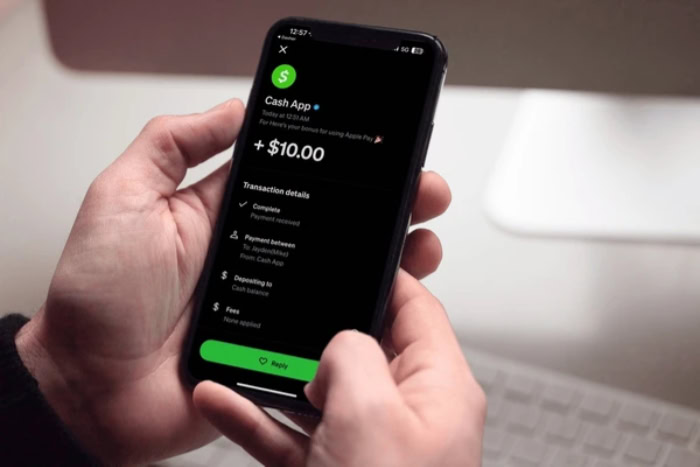
Transitioning to a digital wallet requires a brief initial configuration, but once the setup is complete, the daily experience becomes significantly more efficient. Modern smartphones and computers are designed to make this transition seamless by guiding users through security checks required by financial institutions.
Beyond simple payments, these tools serve as a centralized hub for various life essentials that previously occupied physical space in a pocket or purse.
The Onboarding Process
To begin using a wallet, you must first link your existing financial accounts. This usually involves taking a photo of your physical card or entering the details manually.
Your bank will then verify your identity, often through a text message code or a confirmation within the bank’s own mobile app. This verification step is vital because it ensures that only the rightful owner of the card can digitize it.
Once approved, the card is stored in the wallet and ready for immediate use.
The Checkout Experience
Using a digital wallet at a store is typically faster than using a physical card. When you are ready to pay, you wake your device and authenticate the transaction.
This is usually done through biometrics, such as scanning your face or fingerprint, or by entering a secure PIN. Once authenticated, you hold the device near the contactless symbol on the merchant’s reader.
The terminal will beep or show a checkmark to indicate the transaction was successful, and a digital receipt is often stored immediately within the app for your records.
Managing Non-Financial Assets
Digital wallets have expanded to hold much more than just money. You can now store boarding passes for flights, tickets for concerts, and even gym membership cards.
Many governments are also beginning to support digital versions of driver’s licenses and state IDs within these wallets. By consolidating these items into one digital location, you reduce the physical clutter of a traditional wallet and minimize the risk of losing important documents.
These assets are often updated in real time; for instance, a digital boarding pass can notify you of a gate change or a flight delay.
Security Protocols and Risk Mitigation

Security remains a top priority for anyone managing money through a mobile device. Digital wallets address these concerns by moving beyond the physical limitations of plastic cards, which can be easily cloned or stolen.
By combining hardware security with encrypted software, these platforms create a defensive perimeter that protects both your funds and your personal identity during every transaction.
Biometric Authentication
Traditional cards rely on signatures or simple four digit PINs, both of which are relatively easy to bypass or replicate. Digital wallets raise this security floor by requiring biometric verification for almost every transaction.
Facial recognition or fingerprint scans ensure that the person holding the phone is the authorized owner. This physical link between the user and the payment method makes it nearly impossible for a stranger to use a stolen device for unauthorized purchases.
Remote Management and Data Wiping
Losing a physical wallet usually involves a frantic series of phone calls to cancel multiple cards. In contrast, losing a device equipped with a digital wallet allows for immediate, centralized action.
Through remote management tools like cloud based tracking services, users can instantly lock their wallet or wipe all stored financial information. This capability ensures that even if the hardware is gone, the sensitive data inside remains inaccessible to others.
Protecting Merchant Privacy
Every time you swipe a physical card, the merchant receives your full card number and expiration date. This information is often stored in their databases, which can become targets for data breaches.
Digital wallets mitigate this risk by providing the merchant with a one time use code or a token instead of your actual account details. Because the retailer never sees or stores your real credit card number, your financial security is not compromised even if the merchant’s system is hacked later.
Benefits and Operational Limitations

While the transition toward a cashless society offers significant improvements in efficiency, it also introduces new dependencies. Understanding both the strengths and the current hurdles of digital wallets allows users to better integrate them into their daily lives.
These tools provide a streamlined experience that simplifies financial management while requiring a basic awareness of hardware and network requirements.
Primary Advantages of Digital Payments
The most immediate benefit of a digital wallet is the speed of the transaction. A quick tap is significantly faster than inserting a chip card or handling paper currency.
Beyond speed, these apps reduce physical clutter by digitizing everything from gift cards to insurance documents. Many wallets also provide automated expense tracking; they offer a clear view of spending habits by categorizing transactions as they happen, which helps with personal budgeting without the need for manual entry.
Peer to Peer Payment Capabilities
Digital wallets have expanded to include direct person to person transfers, allowing users to send money to friends or family instantly. This feature eliminates the need for checks or bank transfers when splitting a dinner bill or paying for shared expenses.
By integrating these transfers directly into the wallet interface, the process becomes as simple as sending a text message. The funds are often available for use or withdrawal within minutes, making small debts easy to settle on the spot.
Current Adoption Constraints
Despite their widespread growth, digital wallets still face operational challenges. The most obvious limitation is a total dependency on battery life; if your phone dies, you lose access to your payment methods and digital IDs.
Additionally, while many modern retailers have adopted the necessary hardware, some smaller businesses may still lack the terminals required for contactless payments. Regional software differences also mean that a wallet that works perfectly in one country might not be supported in another, requiring users to carry a physical backup in certain situations.
Conclusion
Adopting a digital wallet simplifies your daily routine by consolidating scattered payment methods into a single, high security application. This shift provides you with granular control over your spending while significantly lowering the risk of identity theft or data exposure.
As physical currency becomes less common, having a firm handle on these software tools is no longer optional for those who want to move through the world with ease. These systems represent the standard for modern finance, offering a level of speed and protection that defines the current era of commerce.
Frequently Asked Questions
Is it actually safer than using my physical credit card?
Yes, digital wallets are generally much safer because they use tokenization to hide your real card number. When you pay, the merchant only receives a random code that is useless if stolen. This prevents your bank details from being exposed during a data breach at a retail store.
What happens if my phone dies while I am at the store?
You will not be able to make a payment if your device has no battery power. Since the wallet requires active hardware to transmit the signal and authenticate your identity, it is essential to keep your phone charged. Carrying a physical backup card is recommended for emergencies.
Can I use a digital wallet if I do not have an internet connection?
You can usually make a limited number of payments without an active data connection. The wallet stores a small batch of secure tokens on your device specifically for offline use. However, you will eventually need to reconnect to the internet so the app can refresh its supply of tokens.
Do I have to pay extra fees to use these apps?
Most major digital wallet providers do not charge users any additional fees for standard transactions. Your bank and the merchant handle the processing costs just as they would for a physical card swipe. You only encounter fees if you use specific peer to person services for instant external transfers.
Will merchants be able to track all of my shopping habits?
Digital wallets improve your privacy because they limit the amount of personal data shared with the retailer. While the store still knows what you bought at their location, they do not see your name or card number. This makes it harder for companies to link your purchases together.
About the Author: Julio Caesar


