
What Is an AMOLED Display? See the Difference
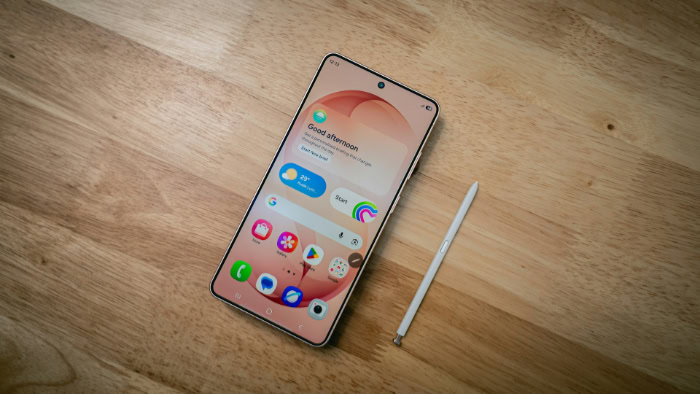
The vibrant glow of a modern smartphone screen often comes from a sophisticated technology called AMOLED. Short for Active-Matrix Organic Light-Emitting Diode, this hardware has replaced traditional LCDs to become the gold standard for high-end electronics.
Unlike older panels that rely on a bulky backlight, AMOLED panels use organic compounds that glow individually when hit with electricity. This shift in design changed how people consume media, offering colors that pop and shadows that disappear into total darkness.
By controlling light at the pixel level, these displays offer a visual experience that was once impossible.
Key Takeaways
- AMOLED screens use self-emissive pixels that produce their own light, removing the need for a separate backlight.
- The technology provides perfect black levels and infinite contrast by completely turning off individual pixels.
- Battery life is improved on these displays when using dark themes, as black areas consume no power.
- While visually superior, these panels are more susceptible to permanent image persistence or burn-in over long periods.
- The production and repair costs are higher than traditional LCDs due to the complex organic materials and manufacturing processes involved.
The Anatomy of AMOLED: How the Technology Works
The internal structure of an AMOLED panel determines its ability to produce high-quality images while maintaining an incredibly thin profile. By moving away from the layered requirements of older hardware, these displays use a more direct method of generating light and color.
This mechanical shift relies on a specific arrangement of organic materials and electronic components that work together to control every point of light on the screen.
Self-Emissive Pixel Technology
These displays function differently than the monitors commonly used in the past. Instead of a single light source located behind the panel, every individual pixel generates its own light.
The organic part of the name refers to thin films of carbon-based materials situated between two conductors. When an electric current is applied, these organic materials glow.
Since each pixel acts as its own light source, the display does not require a bulky backlight unit. This allows for more precise control over the image and helps the hardware remain flexible and light.
The Active Matrix Layer
To manage millions of individual pixels effectively, the display uses a backplane called an Active Matrix. This layer consists of a Thin Film Transistor array.
These transistors act as a series of microscopic switches and capacitors that hold the charge for each pixel. They tell every pixel exactly how much light to produce and precisely when to turn off.
This granular control allows for faster refresh rates and much higher resolution compared to older passive-matrix designs, which struggled to update quickly enough for modern video and gaming.
Physical Layer Construction
The physical build of these screens is remarkably thin because of how the layers are stacked. It starts with a substrate, which can be made of glass or a flexible plastic material.
On top of this sit the transistor backplane, the organic light-emitting layers, and the electrodes known as the cathode and anode. Because there is no need for a diffusing panel or a dedicated backlight housing, the entire stack is significantly slimmer than a standard liquid crystal display.
This saved space allows manufacturers to build thinner devices or include larger batteries.
Visual Performance and Quality

The visual output of an AMOLED screen is defined by high levels of clarity and vibrant color reproduction. Because the hardware operates without a constant background light, it can achieve visual effects that were once difficult to produce on portable devices.
This results in a more immersive viewing experience that stands out during media consumption and daily navigation.
Infinite Contrast and True Blacks
The most striking feature of this technology is how it handles the color black. In a traditional screen, the backlight stays on even when showing dark images, which often results in a greyish tint in dark rooms.
On an AMOLED panel, the display simply cuts the power to specific pixels. When a pixel is off, it emits no light at all, creating a perfect black.
This creates a contrast ratio that is effectively infinite. It makes images appear deeper and more lifelike, as the bright parts of an image can sit directly next to pure darkness without any light bleeding over.
Color Accuracy and Saturation
These panels are known for producing colors that appear more vivid than those on other screen types. They cover a broad color gamut, which means they can display shades of green, red, and blue that older technologies often fail to reach.
This leads to a punchy look that makes photos and videos appear more dynamic and rich. While some users prefer more muted, natural tones, the hardware allows for a level of intensity and saturation that makes every icon and image stand out with high clarity.
Response Times and Fluid Motion
Since there are no liquid crystals that need to physically rotate to block or allow light, the change in a pixel’s state happens almost instantly. This rapid response time is beneficial for fast-moving content such as action movies or high-speed gaming.
It eliminates the ghosting or trailing effects often seen on slower panels, ensuring that motion remains crisp and fluid. This speed ensures that the user interface feels more responsive to touch and that animations appear smooth during use.
Energy Efficiency and Battery Impact

Beyond the visual benefits, the way these screens produce light has a direct impact on how long a device can operate on a single charge. The relationship between the content on the screen and the power required to display it is a defining factor of this technology.
Users can often influence their battery performance simply by changing the colors of their user interface.
Pixel-Level Power Management
Power consumption is tied directly to what is being displayed on the screen at any given moment. Because each pixel is an independent light source, a pixel showing a bright white requires more energy than one showing a dim color.
This granular management means the display only uses the exact amount of power needed for a specific image. If a scene is mostly dark, the display uses very little electricity, unlike older screens that must power a full backlight regardless of what is being shown.
The Dark Mode Advantage
Using a dark theme or a black wallpaper has a measurable impact on battery life for these devices. When a user interface element is true black, the corresponding pixels are completely powered down and draw zero current.
By maximizing the amount of black space on the screen, users can significantly reduce the drain on their battery. This efficiency is the primary reason many mobile operating systems and apps now offer dedicated dark modes.
It allows the hardware to work less while providing the same level of functionality.
Comparison to LCD Efficiency
The efficiency of this technology depends heavily on the type of content being viewed. When displaying a page with a lot of white space, such as a text document or a bright website, an AMOLED screen may use more power than an LCD.
This is because every pixel must work at a high capacity to produce maximum brightness. However, for typical daily use involving photos, videos, and mixed interfaces, the ability to dim or turn off pixels makes it the more efficient choice.
It excels in real-world scenarios where screens are rarely entirely white.
Differentiating AMOLED Varieties and Competitors

Technical variations exist within the world of mobile displays that change how a screen performs and how it is manufactured. While the general term for this technology is often used as a catch-all, specific differences in how the pixels are controlled and how the touch interface is built can impact the user experience.
Comparing these screens to older standards shows why they are favored in high-end hardware despite the presence of more traditional alternatives.
AMOLED and the Broad OLED Category
OLED is the general category for any display that uses organic light-emitting diodes. The addition of the “AM” or Active Matrix refers specifically to the electronics used to address each pixel.
A different version called Passive Matrix OLED exists, but it is typically reserved for small, simple screens like those on basic appliances or wearable trackers. Because modern smartphones require high resolutions and fast refresh rates for video and gaming, almost every high-end mobile screen is an AMOLED.
The active matrix allows the display to update millions of pixels quickly enough to keep up with modern software.
Super AMOLED and Integrated Touch
This specific branding is used by Samsung to describe a more advanced version of the standard panel. In a typical display, the touch-sensitive layer sits on top of the screen as a separate component.
Super AMOLED integrates the touch sensors directly into the display hardware itself. By removing an extra layer and the air gap between them, the screen becomes thinner and much better at handling reflections.
This makes the device easier to use in bright outdoor environments and provides a more direct sensation when interacting with the glass.
Comparing AMOLED to LCD and IPS
The primary alternative to this technology is the Liquid Crystal Display, or LCD, which often uses In-Plane Switching (IPS) for better color. The fundamental difference lies in the light source.
LCDs require a backlight that is always on, whereas AMOLED produces its own light at the pixel level. This difference allows AMOLED screens to be much thinner since they lack a backlight housing.
Additionally, AMOLED offers superior viewing angles. When looking at the screen from the side, the colors and brightness remain stable, while LCDs often suffer from color shifting or a loss of clarity when not viewed head-on.
Challenges and Long-Term Considerations

Despite the visual advantages, the use of organic materials introduces certain limitations regarding the lifespan and durability of the hardware. These displays change as they age, and their complex construction means that maintaining or repairing them involves different considerations than older screen types.
The Problem of Screen Burn-In
Burn-in is a form of permanent image persistence that can occur over time. It happens when static elements, such as the battery icon, navigation bar, or a fixed clock, are displayed in the same spot for extended periods.
Because the pixels in those specific areas are constantly active while others are not, they wear out at a different rate. Eventually, this creates a faint, permanent ghost image that remains visible even when watching a video or looking at a full-screen photo.
Modern software uses subtle pixel shifting to prevent this, but it remains an inherent risk of the technology.
Decay of Organic Compounds
The “organic” in AMOLED means that the light-emitting materials are carbon-based and will naturally degrade over time. As these materials are used, they lose their efficiency and brightness.
This degradation does not happen evenly across all colors. Specifically, the blue sub-pixels tend to lose their brightness faster than the red and green ones.
Over many years of heavy use, this can cause the entire display to shift its color balance, often resulting in a warmer or more yellow-tinted image as the blue light output weakens.
Manufacturing and Repair Expenses
The process of creating these displays is highly technical and requires a controlled environment, which keeps production costs high compared to standard LCDs. This complexity is passed on to the consumer in the initial price of the device and in the cost of repairs.
If a screen is damaged, the replacement part is often one of the most expensive components of the entire device. Because the touch sensors and the display are frequently fused into a single unit, a simple crack in the glass often necessitates replacing the entire expensive panel, making it a significant financial consideration.
Conclusion
AMOLED technology has established itself as the preferred choice for modern devices by prioritizing visual depth and energy efficiency. While the risk of pixel wear and the high cost of production are valid concerns, the benefits of perfect blacks and vibrant colors offer a superior experience for most users.
By moving away from centralized backlighting and embracing pixel-level control, this hardware provides a level of performance that older technologies cannot match. It remains a top-tier option for anyone seeking the highest quality display currently available on the market.
Frequently Asked Questions
Is AMOLED better than LCD?
AMOLED is generally superior for color vibrance and contrast because it can turn pixels off completely. While LCDs are often more affordable and have a more consistent lifespan, they cannot produce the same deep blacks. Most high-end devices use AMOLED to provide a more immersive and energy efficient visual experience.
Does dark mode actually save battery?
Yes, dark mode saves significant battery power on these screens because black pixels are physically turned off. Since these pixels do not draw any electricity, the hardware works less to display darker content. This benefit is unique to this technology and does not apply to traditional screens with constant backlights.
How long do these screens last?
Most modern panels are built to last for several years of heavy daily use. While the organic materials do degrade over time, manufacturers have implemented software solutions to manage this wear. Users typically replace their devices for other hardware reasons long before the display becomes unusable or significantly dim.
Can screen burn-in be fixed?
Permanent burn in cannot be physically repaired once the organic material has worn down. Some software tools attempt to mask the effect by balancing the brightness of surrounding pixels, but the only true fix is a full screen replacement. Preventing it by using auto brightness and avoiding static images is the best approach.
Why are these displays more expensive?
These displays are more expensive because the manufacturing process is much more complex than producing liquid crystal panels. The cost involves specialized materials and high precision electronics required to control millions of individual light sources. This complexity results in a higher price for the device and more expensive repair services.
About the Author: Julio Caesar


