
What Is Dropshipping? How It Really Works

Setting up an online store no longer requires thousands of dollars in upfront inventory costs or a spare room packed with cardboard boxes. If you have an internet connection and a laptop, you can launch a global retail brand from your living room today.
This accessible retail structure operates through dropshipping, an e-commerce model where you sell products directly to customers without ever handling physical inventory. When someone buys from your store, a third-party supplier takes care of packaging and shipping.
To build a sustainable business, you must look past viral social media hype to analyze the operational realities, hidden risks, and practical strategies required for long-term success.
Key Takeaways
- No Upfront Inventory Purchasing: Unlike traditional retail, dropshipping uses a pay-per-order model where you only buy an item from a supplier after a customer purchases it from your website.
- Delegated Order Fulfillment: Third-party suppliers absorb the physical labor of storing, packing, and shipping goods, which allows your business to scale without requiring warehouse space or shipping staff.
- Blind Shipping Protects Branding: Trustworthy suppliers practice blind dropshipping, meaning they send products in plain packaging without their own marketing materials, preserving your brand identity.
- Niche Selection Drives Viability: Success requires choosing a specific product niche with lightweight, durable, and high perceived value items to minimize shipping fees and transit damage.
- Marketing Determines Profitability: Since dropshipping margins are often thin due to intense competition, creating highly efficient advertising campaigns is necessary to prevent customer acquisition costs from erasing profits.
Understanding the Dropshipping Model
To build a successful online store, you must first understand how different business models structure their supply chains. The dropshipping framework offers a distinct path by separating selling from inventory storage, which alters how retail operates.
The Core Concept
The foundational idea behind dropshipping is simple: the retailer functions as a storefront without managing a physical warehouse. Unlike standard stores that buy stock beforehand, a dropshipping business acts as an intermediary.
There are three essential participants in this supply chain:
- The Customer: The individual who browses the online storefront, purchases an item at retail price, and expects direct delivery.
- The Retailer: The merchant who creates the online store, markets the products, sets the retail prices, and handles customer service.
- The Supplier: The manufacturer or wholesaler who maintains the inventory, packages the items, and ships them directly to the buyer on behalf of the retailer.
Dropshipping vs. Traditional Retail
Traditional retail requires merchants to buy products in bulk before selling them. This demands significant upfront capital and involves renting warehouse space, managing logistics, and hiring staff to pack shipments.
In contrast, dropshipping uses a pay-per-order model, meaning the retailer only buys an item after a customer has paid for it.
Logistics responsibilities are shifted entirely to the supplier. Instead of the merchant packing boxes, the supplier handles all physical fulfillment.
This structure dramatically lowers financial risk. If a product fails to sell, a traditional retailer is left with expensive, unsold inventory, while a dropshipper simply removes the listing from their website with no financial loss.
Step-by-Step: The Dropshipping Cycle in Action
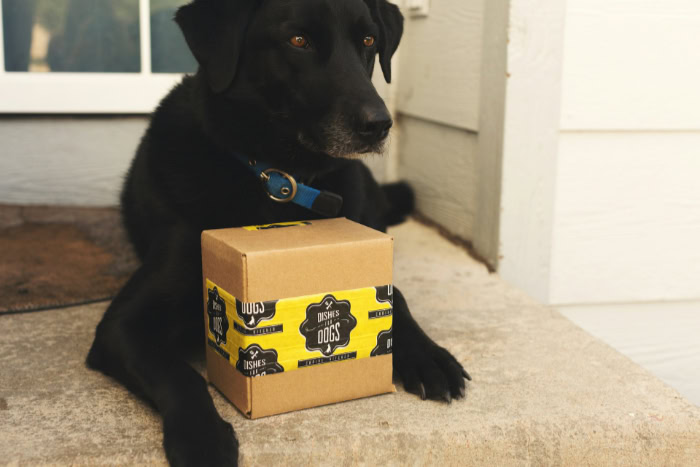
While the concept seems straightforward, running a business requires coordinating several moving parts in a precise sequence. Each transaction follows a specific cycle that connects the customer, the store owner, and the fulfillment partner.
The Customer’s Order and Purchase
The cycle starts when a customer visits your online store. To them, the website looks like any standard retail shop.
They browse the catalog, add products to their cart, input their shipping details, and pay. Immediately after checking out, the customer receives an automated email confirming their purchase.
From the customer’s perspective, they are buying directly from your brand. They are usually unaware that a third party is involved, meaning the presentation and trustworthiness of your storefront are vital.
If the website feels unprofessional, buyers will quickly abandon their carts.
Order Forwarding and Fulfillment
Once the order is placed, the details must reach the supplier. Depending on the setup, the retailer can forward these details manually by placing the same order on the supplier’s website, or automatically using specialized software that instantly syncs order data.
This step involves a distinct financial transaction. The customer pays the retailer the retail price, which includes the retailer’s markup.
The retailer then pays the supplier the lower wholesale cost of the product, along with shipping fees. The remaining balance represents the retailer’s gross profit.
Packaging and Delivery
After receiving payment, the supplier retrieves the product, packages it, and ships it directly to the customer’s address. The supplier then generates a tracking number, which the retailer passes along to the customer.
To maintain the illusion of a direct purchase, suppliers practice what is known as blind dropshipping. This means they ship items without any of their own promotional materials, invoices, or wholesale branding.
The packaging appears neutral, or in some cases customized with the retailer’s logo, preserving the merchant’s brand integrity.
Benefits of the Dropshipping Model

For many aspiring entrepreneurs, this fulfillment method offers several distinct operational advantages over traditional retail setups. These benefits make it easier to enter the market and run a business with minimal friction.
Low Upfront Capital and Overhead
The most significant advantage is the ability to launch a business without investing thousands of dollars in inventory beforehand. Since you only purchase a product after securing a sale, you do not face the cash-flow challenges common to traditional business models.
Operational costs remain exceptionally low. Because there is no warehouse to lease, no packing materials to purchase, and no shipping staff to employ, the ongoing expenses are largely limited to website hosting and marketing.
Geographical and Operational Flexibility
A dropshipping business can be run from almost anywhere in the world, requiring nothing more than a stable internet connection and a laptop. This flexibility allows store owners to manage operations, coordinate with suppliers, and handle customer service while traveling or working from home.
This setup also simplifies product testing. If a specific trend emerges, a retailer can list relevant products within minutes.
If those items fail to generate interest, the listings can be removed without any leftover stock or financial penalties, allowing merchants to adjust their product catalog rapidly based on market demand.
Seamless Scalability
In traditional retail, doubling your sales volume means doubling your physical workload. You have to pack twice as many boxes, rent more storage space, and hire more workers.
With this model, the fulfillment partner absorbs the physical demands of growth. If your sales rise from ten orders a day to five hundred, the supplier manages the increased packing and shipping burden.
While marketing and customer service needs will grow, your daily warehouse operations remain non-existent, facilitating smoother expansion.
Critical Challenges and Operational Risks

Despite its advantages, this fulfillment model is not a guaranteed path to wealth. It presents serious operational obstacles and risks that require careful management to avoid business failure.
Thin Profit Margins and Market Saturation
Because starting an online store is relatively easy, the market is highly competitive. Many store owners sell the exact same items, which often leads to price wars.
To remain competitive, retailers are forced to lower their prices, resulting in razor-thin profit margins.
These tight margins are further squeezed by customer acquisition costs. Driving traffic to a storefront typically requires paid social media advertisements or search engine marketing.
If your ad campaigns are inefficient, the cost of acquiring a single buyer can easily exceed the profit made on the sale.
Supply Chain and Quality Control Vulnerabilities
When you outsource fulfillment, you also outsource control. You cannot personally inspect the quality of the products being sent to your customers, nor can you oversee the packaging speed or shipping methods.
If a supplier sends a damaged item or uses slow, unreliable shipping, the customer will blame your brand, not the supplier.
Inventory synchronization presents another constant risk. If a supplier suddenly runs out of a popular product but fails to update their inventory data, you may continue selling that item on your storefront.
This leads to backorders, delayed shipments, and frustrated customers who expect immediate fulfillment.
Complex Customer Support and Shipping Logistics
Handling returns and refunds becomes complicated when dealing with third-party suppliers. Some partners refuse to accept returns, leaving the retailer to absorb the cost of refunds or store the returned items at home.
Lost packages and shipping delays also require immediate customer service attention, forcing the retailer to act as an intermediary between a frustrated buyer and a distant shipping carrier.
Logistical complications multiply when customers order different products from different suppliers in a single transaction. The customer receives their items in separate packages arriving at different times, which can look unprofessional.
Furthermore, the retailer must pay individual shipping fees to each supplier, which can quickly wipe out any profit from the order.
Practical Strategy: Building a Viable Dropshipping Business

Success in this field requires moving past casual experimentation to treat the venture like a serious enterprise. Implementing a structured approach to product selection, supplier relations, and marketing is necessary to build a sustainable brand.
Product and Niche Selection
Building a generic online department store rarely works because you cannot compete with massive retail giants. Instead, focusing on a specific, targeted niche is far more effective.
A narrow focus allows you to build a dedicated brand identity and tailor your marketing directly to a specific audience.
When selecting items to sell, look for products that meet specific criteria:
- High Perceived Value: The item should look expensive enough to justify a reasonable retail markup.
- Low Weight and Compact Size: Lighter items are much cheaper to ship, keeping your overhead low.
- Durability: Fragile items often break during shipping, leading to high return rates and customer complaints.
Vetting and Securing Reliable Suppliers
Your suppliers are the backbone of your business, making careful vetting essential. Use reputable wholesale directories and platforms to find partners who have high ratings, positive feedback, and established track records of reliable service.
Never list a product without ordering samples first. Testing the items personally allows you to evaluate the quality of the manufacturing, inspect the packaging, and measure the actual shipping time.
If a supplier fails to meet your expectations during a sample order, they will certainly fail your customers.
Establishing the Digital Storefront and Brand identity
To showcase your products, you need a professional online storefront. Popular e-commerce platforms like Shopify, WooCommerce, or BigCommerce offer user-friendly templates and integrated tools designed to host online stores and connect with fulfillment applications.
Building trust is vital for converting visitors into buyers. Your website must have a clean layout, intuitive navigation, high-quality product images, and clear copywriting.
Include essential elements like detailed sizing charts, visible return policies, and secure checkout badges to reassure hesitant shoppers.
Acquiring Customers Through Marketing
Without active marketing, your online store will remain invisible. To drive traffic and secure sales, you must deploy a mix of digital marketing channels.
Paid social media advertising on platforms like Instagram and TikTok is highly effective for targeting specific demographics and showing off visual products. Partnering with micro-influencers can also build rapid credibility through authentic product reviews.
Additionally, investing in search engine optimization ensures your store appears in organic search results when potential buyers look for relevant products online.
Conclusion
Dropshipping remains an incredibly accessible entry point to online retail, but it is far from an effortless path to passive income. Running a successful storefront requires intense dedication, strong digital marketing skills, and proactive customer service to manage third-party supply chain issues.
For aspiring entrepreneurs with limited capital who want to learn the basics of e-commerce, this model provides an excellent, low-risk testing ground. However, those seeking high profit margins with minimal hands-on effort may find the intense competition and constant logistics management far more demanding than expected.
Frequently Asked Questions
How much money do I need to start dropshipping?
You can start a dropshipping business with as little as one hundred to five hundred dollars. While you do not need to buy inventory in advance, you will need capital to cover monthly e-commerce platform subscriptions, website domain registration, and initial marketing campaigns. Advertising is often the largest expense when trying to attract your first customers.
Can I dropship on my own or do I need a team?
You can easily run a dropshipping business completely by yourself. Because your suppliers handle the physical storage, packaging, and shipping, you only need to focus on website design, marketing, and customer service. As your sales volume grows, you might eventually hire freelancers to handle repetitive tasks like responding to customer support emails.
How do I handle returns if a customer is unhappy?
You must handle returns by establishing a clear refund policy and coordinating directly with your supplier. If a customer receives a damaged product, you should ask for photo proof and request a replacement from your supplier. For standard returns, you can have the customer ship the item directly to your home address to simplify the process.
Is dropshipping still profitable with so much competition?
Dropshipping remains profitable if you focus on a specific niche and build a highly professional brand storefront. Competing solely on price is difficult because larger stores can easily undercut you. To succeed, you must create high-quality marketing campaigns, write compelling product descriptions, and offer outstanding customer service that generic competitor sites fail to provide.
Do customers know the products are coming from a supplier?
Customers generally do not know a third-party supplier is involved if you use blind dropshipping. Reputable wholesale suppliers ship products in neutral packaging without their own invoices, branding, or promotional flyers. This keeps the focus entirely on your online storefront, helping you build brand loyalty and protect your retail profit margins.
About the Author: Julio Caesar


