
What Is DTF Printing? How the Process Works

The custom apparel industry moves at a blistering pace. Consumer demand for full-color, high-quality merchandise forces decorators to constantly upgrade their production methods.
Direct-to-Film (DTF) printing has rapidly emerged as a highly popular, modern solution to meet these rigorous demands. This method bypasses traditional printing limitations by transferring vivid liquid ink onto a specialized film before applying it permanently to a garment.
Key Takeaways
- Direct-to-Film printing applies vibrant liquid ink onto a specialized intermediary film before transferring the finished design to a garment.
- The method heavily utilizes an opaque white ink base and a melted thermoplastic adhesive, allowing decorators to print on almost any dark or light fabric.
- It completely bypasses the messy, time-consuming liquid pre-treatment phase required by other digital garment printing methods.
- Operating this machinery requires strict daily printhead maintenance to prevent severe clogs, along with proper workspace ventilation for health and safety.
The Core Concept of Direct-to-Film (DTF) Printing
Direct-to-Film printing provides a practical workaround to many of the physical limitations found in traditional garment decoration. Rather than fighting against the texture, color, or chemical makeup of a fabric, decorators use this method to create a perfect print on an independent surface before transferring it over to the final product.
Definition and Mechanism
The fundamental premise of Direct-to-Film printing is right in the name: liquid ink is printed directly onto a specialized intermediary film rather than straight onto the final garment. The film acts as a temporary carrier for the design.
Once the artwork is printed and prepared on this smooth, non-porous surface, it is ready to be applied to a wide variety of fabrics. This indirect approach ensures the print retains all its fine details and sharp edges, regardless of how rough or woven the final destination material might be.
The Role of White Ink
Producing vibrant colors on dark clothing requires a solid background, and DTF achieves this by heavily utilizing a thick layer of white ink. The printer lays down the full-color design first, and then immediately covers the entire graphic with a solid coating of white ink.
This white layer acts as an opaque foundation. Once the design is transferred to the fabric, the white ink sits between the garment and the colored graphic, preventing the dark background of a shirt or hoodie from bleeding through and muting the bright colors.
Common Applications
Because the transfer process works on an enormous variety of fabrics, this method is highly versatile. Decorators frequently apply these transfers to standard cotton t-shirts and thick fleece hoodies, but the applications extend far beyond basic apparel.
The process works exceptionally well on tote bags, structured hats, heavy denim jackets, and even canvas shoes. Furthermore, the flexible nature of the film allows operators to apply graphics to tough-to-print areas, such as the inside neck labels of a shirt or the small pockets of a backpack, which would be nearly impossible to reach with traditional printing machinery.
Essential Equipment and Materials

Achieving consistent results with this printing method requires a highly specific ecosystem of hardware and software working in tandem. From the initial digital file processing to the final physical application, every tool plays a defined role in the production chain.
Hardware Requirements
The hardware required ranges from small desktop conversions to massive commercial wide-format machines. Dedicated DTF printers are specifically built to handle the heavy white ink flow and the unique media path required for the transfer film.
Beyond the printer itself, high-volume shops use automatic powder shakers that seamlessly coat and vibrate the freshly printed film. A curing oven is then used to melt the adhesive layer.
Finally, a standard commercial heat press is strictly necessary to apply the heavy pressure and high heat required to bond the finished transfer to the garment.
RIP Software
Standard printer drivers are completely insufficient for this process; decorators must use Raster Image Processor (RIP) software. This specialized software is responsible for interpreting the graphic files and managing complex color profiles so the final print perfectly matches the computer screen.
Most importantly, the RIP software automatically generates the white ink channel. It dictates exactly how much white ink should be printed over the color layer, controlling the overall ink volume to prevent puddling or bleeding on the film.
Specialized Consumables
The physical supplies used in the process are highly specialized. Water-based CMYK and White pigment inks are formulated specifically to remain flexible and resist cracking once applied to a garment.
The carrier medium is a PET (Polyethylene terephthalate) transfer film, which can be purchased in individual sheets or long continuous rolls, and comes in hot-peel or cold-peel variations. Finally, the process relies on an adhesive powder made of thermoplastic polyurethane (TPU).
This hot-melt powder adheres only to the wet ink and serves as the actual glue that permanently binds the design to the fabric fibers.
The Step-by-Step Production Workflow
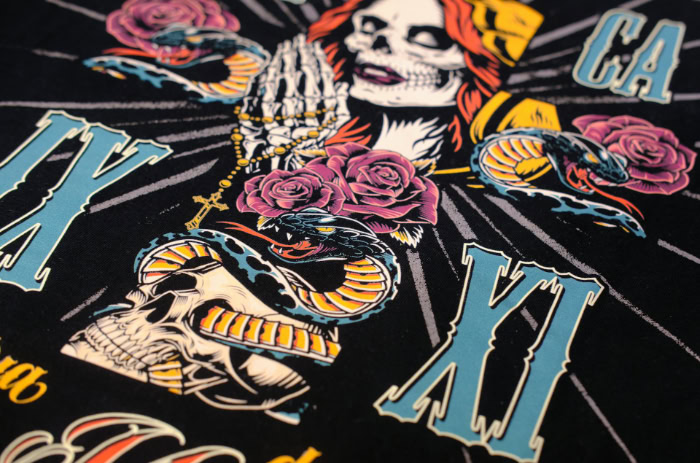
Transforming a digital design into a durable, ready-to-wear garment involves a precise sequence of events. The workflow moves rapidly from the computer screen to the physical transfer, requiring careful attention at each stage to ensure a high-quality result.
Digital Preparation
The process begins on the computer, where the artwork is sized appropriately for the specific garment. Because the design is printed on a transfer film and then flipped over onto the clothing, the image must be mirrored horizontally in the design file.
Once the artwork is prepped, the operator configures the RIP software settings, adjusting the white ink choke and the overall ink density limits to suit the specific fabric and desired print feel.
The Printing Phase
With the digital files ready, the printer begins its work on the PET film. The machine first lays down the precise CMYK color layer, bringing the actual design to life.
Almost instantly, a secondary set of printheads follows closely behind, applying a synchronized top coat of wet white ink directly over the freshly printed colors. This rapid, two-stage printing happens simultaneously as the film feeds through the machine.
Powder Application
While the white ink is still wet, the film is fed into a powder shaker or coated manually in a tray. The operator uniformly coats the entire wet design with the TPU adhesive powder.
The powder naturally clings only to the areas covered in wet ink. The film is then shaken or flicked rapidly to remove any excess powder from the unprinted, transparent areas of the film, ensuring that no stray adhesive ruins the final garment.
Curing the Adhesive
The powdered film must then be processed in a curing oven. Baking the film applies high, even heat across the entire surface.
This heat melts the granular TPU powder into a smooth, gel-like adhesive layer. Curing the powder properly ensures the glue is activated and ready to bond; an under-cured print will fail to adhere, while an over-cured print can become brittle and crack.
The Final Transfer
The final stage brings the printed film and the blank garment together. The fabric is laid flat on the lower platen of a heat press, and the cured transfer is positioned face down on the material.
The operator locks down the heat press, using high temperatures and heavy physical pressure to forcefully push the melted adhesive into the weave of the fabric. After the designated time has passed, the press is opened, the garment is allowed to cool or is peeled immediately depending on the film type, and the PET film carrier is smoothly pulled away to reveal the finished decoration.
Evaluating DTF Against Alternative Printing Methods

The apparel decoration industry offers multiple ways to apply graphics to garments. Deciding which method to use often comes down to balancing production speed, material costs, fabric types, and the complexity of the artwork.
Direct-to-Film printing provides distinct advantages over traditional techniques by solving several long-standing production bottlenecks and expanding the types of garments a shop can easily decorate.
DTF vs. Direct-to-Garment (DTG)
Direct-to-Garment printing requires liquid pre-treatment to be sprayed onto dark garments before printing. This pre-treatment phase is notoriously messy, time-consuming, and leaves a noticeable chemical box on the fabric that must be washed out.
DTF completely eliminates this step, as the white ink and adhesive powder handle the bonding process. Furthermore, DTG is largely restricted to cotton fabrics, whereas DTF easily adheres to challenging materials like nylon, treated synthetics, and 50/50 blends without any chemical adjustments.
DTF vs. Sublimation
Sublimation printing relies on a gas-based dye transfer that only bonds with synthetic polymers. Because sublimation inks are transparent, this method carries a strict requirement: it only works on high-polyester, light-colored fabrics.
You cannot sublimate a white design onto a black shirt. DTF bypasses this restriction entirely.
Because DTF uses an opaque white ink base and a physical hot-melt adhesive, decorators can easily apply bright, full-color designs onto 100% dark cotton, vastly expanding their product offerings.
DTF vs. Heat Transfer Vinyl (HTV)
Heat Transfer Vinyl is popular for simple text and basic logos, but it becomes highly inefficient for complex artwork. Every piece of vinyl must be cut by a machine, and operators must manually weed out the negative space using a sharp tool.
Multi-colored HTV designs require cutting and layering several individual sheets. DTF replaces this labor-intensive process with extreme efficiency.
A fully colored, highly intricate design can be printed and pressed in a single step, requiring absolutely zero cutting or weeding.
DTF vs. Screen Printing
Screen printing remains the standard for large-volume orders, but it fails on short runs. Setting up a screen print requires separating the artwork by color, burning a physical screen for every single hue, taping the screens, and manually registering them on the press.
Doing this for a highly detailed, six-color graphic on a five-shirt order is too expensive and complex to be profitable. DTF serves as a cost-effective, rapid-setup alternative.
An operator can simply send the full-color digital file to the printer and produce a small batch of transfers in minutes, making low-volume orders highly lucrative.
Print Quality, Safety, and Maintenance Realities
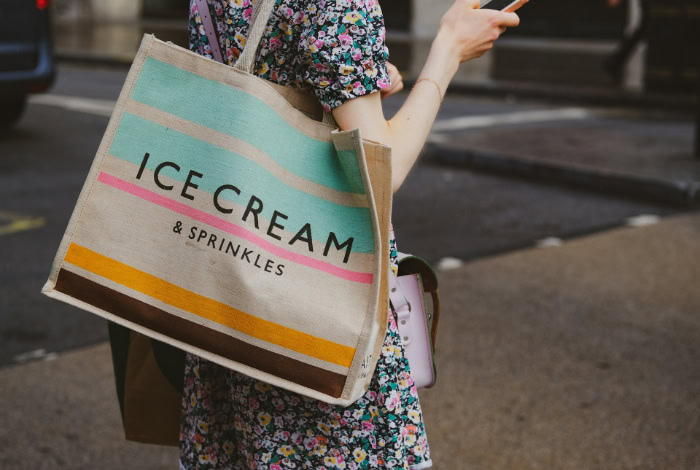
While the production advantages are substantial, operating a transfer setup involves specific daily routines and physical outputs. Operators must actively manage the physical traits of the final apparel, enforce strict health protocols in the workspace, and follow the demanding maintenance schedules of the printing hardware to keep the system running smoothly.
Final Print Properties
A finished transfer carries distinct physical traits. Because the design is bonded to the surface using a melted polyurethane adhesive, it boasts high wash fastness and excellent stretch resistance.
The ink moves with the fabric and rarely cracks under tension. However, this process creates a noticeable physical “hand,” the slightly textured, rubbery feel of the print on the fabric.
While advancements in software have allowed decorators to minimize the ink volume and soften the feel, a DTF print will always sit on top of the fabric rather than sinking into the fibers.
Health and Safety Considerations
Processing the raw materials requires strict safety measures. The thermoplastic polyurethane (TPU) adhesive powder is extremely fine, and shaking it over wet film inevitably creates airborne micro-plastics in the workspace.
Operators must wear masks when handling the raw powder. More importantly, baking the powdered film in a curing oven releases harmful chemical fumes.
A proper fume extractor and heavy workspace ventilation are absolute requirements to protect operators from respiratory irritation and long-term health issues during the high-heat curing process.
Ongoing Printer Maintenance
Owning this specific type of machinery involves an intense operational reality. Water-based white pigment ink contains heavy titanium dioxide particles that separate and settle quickly.
To prevent severe, permanent clogging, operators must agitate the white ink tanks daily. The printers also require heavy daily printhead cleaning cycles to push out dried ink and keep the microscopic nozzles clear.
Furthermore, the machines must be housed in an environment with strict humidity and temperature control; dry air will instantly ruin a printhead by drying the ink directly onto the internal mechanisms. Ignoring this daily maintenance routine will quickly result in thousands of dollars in hardware damage.
Conclusion
Direct-to-Film printing stands as a highly versatile, multi-fabric solution that successfully bridges the gap between digital convenience and traditional garment durability. It allows operators to produce vibrant, full-color designs on almost any material without worrying about complex setup times or messy chemical pre-treatments.
While the process demands rigorous daily maintenance to protect the delicate printheads and requires strict ventilation protocols for workspace safety, the operational trade-off is highly worthwhile. By completely bypassing the strict physical limitations found in other decoration methods, this technology proves to be an incredibly powerful tool for modern apparel decorators.
Frequently Asked Questions
What materials can you print on with DTF?
You can apply these transfers to almost any fabric available on the market today. This includes standard cotton, heavy polyester, nylon, denim, and treated synthetic blends. The adhesive powder ensures a strong bond regardless of the underlying fabric weave or color.
How long do the printed designs last?
A properly cured and pressed transfer will easily outlast the physical garment itself. The melted polyurethane adhesive provides excellent stretch resistance and high wash fastness. You can expect the vibrant colors to remain intact through dozens of heavy laundry cycles without cracking.
Do you need to pre-treat garments before pressing?
You do not need to apply any liquid pre-treatment to your apparel. The combination of the opaque white ink layer and the melted adhesive powder handles the entire bonding process. This completely eliminates the messy chemical sprays required by other printing methods.
Why is an oven required for this process?
The oven provides the necessary even heat to melt the thermoplastic polyurethane powder on the film. Baking the powder turns it into a smooth, gel-like adhesive layer. Without this precise melting stage, the printed ink will completely fail to stick to the fabric.
Can I leave my printer off for a few days?
Leaving the machine inactive is highly discouraged due to the heavy titanium dioxide particles in the white ink. The ink settles quickly and will permanently clog the delicate printheads. Operators must perform daily cleaning cycles and physically agitate the ink tanks.
About the Author: Julio Caesar


