
What Is Ticketmaster? How Prices and Fees Work
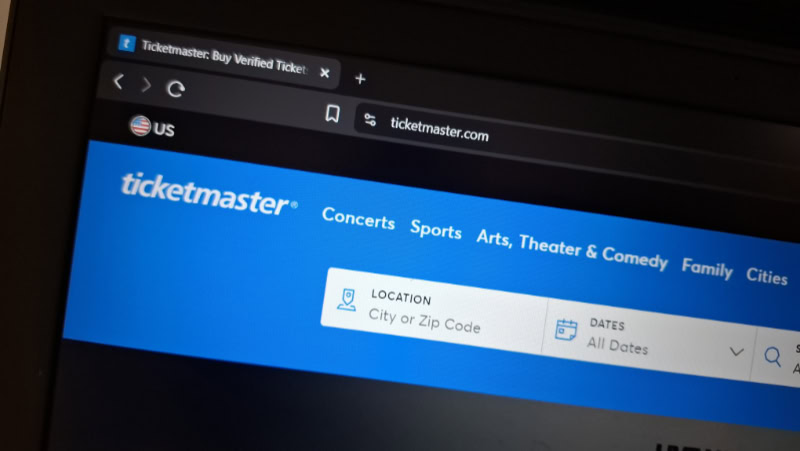
Securing a seat at a sold-out stadium tour often starts and ends with a single name: Ticketmaster. As the largest ticket sales and distribution company on the planet, this platform operates as the primary link between fans and their favorite artists, athletes, and performers.
From Broadway theaters in New York to massive music festivals across Europe, the company’s footprint covers dozens of countries and nearly every genre of live entertainment. It serves as both a powerful service provider for global venues and a massive marketplace for consumers.
While the platform offers the convenience of instant access to millions of events, its massive influence and unique business model also place it at the center of intense public debate. To the average fan, Ticketmaster is more than just a website; it is the gatekeeper of the modern live experience.
Key Takeaways
- Ticketmaster is the largest global provider of ticket sales, acting as the primary distributor for venues, sports leagues, and concert promoters.
- The platform utilizes advanced technology like SafeTix and the Verified Fan system to enhance security and prevent automated software from purchasing inventory.
- Pricing structures include base face value plus additional service and facility fees that are often shared between the platform and the event venue.
- The 2010 merger with Live Nation created a vertically integrated corporation that manages everything from artist tours to venue operations and ticket distribution.
- Ongoing legal scrutiny and federal findings have challenged the company’s market dominance, leading to potential changes in how venues and fans access tickets.
The Marketplace Role: Primary and Secondary Sales
Ticketmaster functions as the bridge between the organizers of an event and the people who want to attend. While many people think of it simply as a website for buying tickets, the company operates across two distinct segments to ensure that tickets remain available from the moment they are first released until the day of the show.
By managing the flow of tickets from the venue to the consumer, the platform provides a standardized way for millions of people to access live entertainment.
Official Ticket Distribution
As a primary seller, Ticketmaster acts as the official partner for venues and artists. This means they are the first source for tickets when an event goes on sale.
Because they have direct contracts with stadiums and arenas, the tickets sold through this channel are guaranteed to be authentic. When a tour is announced, these initial tickets are released at prices set by the event organizers, making this the starting point for most fans looking to secure a spot.
Fan to Fan Resale Market
Beyond the initial sale, the platform hosts a secondary marketplace where fans can list tickets they are no longer able to use. This system allows for a secure transfer of ownership.
Unlike unregulated third party sites, the platform verifies these resold tickets, providing a safer environment for buyers who missed out on the first release. This secondary market also provides sellers with a regulated way to recoup their costs or pass their seats to another enthusiast without the risk of fraud.
Inventory Control and Partnerships
Ticketmaster does not actually own the tickets it sells. Instead, the company manages the inventory on behalf of its clients, such as professional sports leagues or concert promoters.
These clients decide how many tickets are available, which sections are open for sale, and when specific blocks of seats are released to the public. This partnership ensures that the venue maintains control over its seating chart while utilizing the platform’s massive reach to connect with the public.
Proprietary Technology and User Experience

The process of buying tickets for a popular event is often a high pressure situation for fans. To handle millions of simultaneous requests, the company uses a suite of proprietary tools designed to stabilize the buying process and protect the integrity of every sale.
These technologies focus on verifying the identity of the buyer and ensuring that every entry method is unique and secure.
The Verified Fan System
To combat the problem of automated software buying up seats before individuals can react, the company developed the Verified Fan system. This process requires users to register for an event in advance.
Using an algorithm, the system filters out accounts that appear to be bots or professional scalpers. Those who pass the screening are entered into a lottery to receive a unique code, which grants them access to the sale.
This extra step aims to put tickets directly into the hands of people who actually plan to attend the event.
SafeTix and Digital Security
Standard paper tickets and static barcodes have become vulnerable to fraud and duplication. SafeTix technology addresses this by creating a dynamic, encrypted barcode that refreshes every few seconds on a smartphone.
Because the barcode is constantly changing, it cannot be screenshotted or stolen. This security measure ensures that only the person with the active ticket in their mobile wallet can enter the venue, drastically reducing the risk of counterfeit entries and providing peace of mind for the attendee.
The Smart Queue
When a major star announces a tour, the surge in traffic could easily crash a standard website. The Smart Queue acts as a virtual waiting room that organizes fans in a line based on when they joined the session.
This system manages the flow of users into the purchase page, preventing the servers from becoming overwhelmed. It provides updates on how many people are ahead of the user, creating a more orderly experience during high demand releases where timing is everything.
Ticket Pricing and Fee Structures

The final price a fan pays at checkout often includes several different costs beyond the base price of the seat. How these numbers are calculated depends on the specific requirements of the venue and the nature of the event.
By breaking down these costs, the platform attempts to clarify why prices vary and how the total amount is distributed among the parties involved in making the event possible.
Fee Breakdown Structure
Every ticket price consists of two main parts: the face value and the added fees. The face value is the price determined by the artist or the venue.
Added to this are service fees, facility charges, and processing costs. While Ticketmaster collects these fees, a large portion is shared with the venues to cover the costs of operating the building, hiring staff, and maintaining equipment.
This ensures that every entity involved in the event is compensated for their role in the production.
Dynamic Pricing and Official Platinum
The Official Platinum program uses a model known as dynamic pricing. This system adjusts ticket prices in real time based on how much people are willing to pay, similar to how airlines or hotels operate.
When demand is extremely high, the price of these specific seats increases. This approach is intended to capture the market value of the best seats in the house, directing that revenue back to the artists and promoters rather than allowing it to be taken by unauthorized resellers.
All In Pricing Transparency
In response to feedback about unexpected costs at the end of a transaction, the platform has moved toward all in pricing. This initiative allows fans to see the total cost of a ticket, including all fees, from the very beginning of their search.
By removing the surprise of extra charges during the final checkout step, the process becomes more straightforward. This transparency helps buyers stay within their budget and see the total financial commitment before they select their seats.
The Live Nation Merger and Vertical Integration

The structure of the modern entertainment industry changed significantly following the formation of Live Nation Entertainment. This move combined the powers of a massive concert promoter with a dominant ticketing service, creating a single entity that oversees almost every part of a live performance.
By controlling multiple stages of the event process, the company built a system where it can manage an artist’s career, promote a tour, and sell the tickets through its own platform. This unified approach allows the corporation to influence the entire lifecycle of a show.
The Formation of Live Nation Entertainment
The union between Live Nation and Ticketmaster in 2010 was a defining moment for the music and sports industries. Before this merger, the two companies operated in different parts of the business, with one focusing on the logistics of live events and the other on the technology for sales.
By joining together, they formed a corporation that handles both the production of a show and the distribution of its seats. This consolidation allowed for a streamlined business model, although it also raised immediate questions about how much power a single company should have over the live market.
The Integrated Concert Ecosystem
The company operates through a model that covers a live event from start to finish. It manages a wide roster of performers, handles the promotion of global tours, and owns or operates a vast network of stadiums and amphitheaters.
Because it also owns the ticketing platform, it can manage the entire experience for both the artist and the audience. This setup means that a fan might buy a ticket from a platform owned by the same company that manages the performer and owns the building where the show takes place.
Influence on Market Competition
Vertical integration provides the company with substantial leverage over how and where live events happen. Because it controls so many venues and promotion contracts, it can influence the choices made by artists and their management teams.
This dominance often makes it difficult for smaller promoters or independent ticketing agencies to compete. When one company owns the most popular venues and the most widely used sales platform, it creates a high barrier for entry for any newcomer trying to offer an alternative service to the public or to performers.
Legal Scrutiny and Monopoly Allegations

The scale of the company’s operations has led to intense oversight from government regulators and legal experts. Many critics argue that the lack of significant competition in the ticketing market has allowed the firm to maintain high fees and restrictive practices that harm the public.
As a result, the business has faced a series of high profile legal battles aimed at determining whether its market position constitutes an illegal monopoly. These investigations look at how the company uses its size to influence the broader entertainment economy.
Antitrust Investigations and Lawsuits
For years, the Department of Justice and various state attorneys general have scrutinized the business practices used by the firm. These investigations focus on whether the company uses its dominance in concert promotion to force venues into using its ticketing services.
Lawsuits have alleged that the company punishes venues that choose to work with competitors by withholding popular tours or refusing to book major artists there. These legal challenges seek to protect the rights of consumers and ensure that other businesses have a fair chance to participate in the marketplace.
The 2026 Monopoly Findings
Recent developments in federal court have brought these issues to a head with a significant jury verdict in 2026. The findings concluded that the company had engaged in illegal monopolization by using its vast resources to suppress competition.
This verdict highlighted how the lack of choice for fans and venues led to higher costs and fewer options for event entry. The decision marked a major shift in how the government views large scale integration in the entertainment sector, signaling a new era of enforcement for the industry.
Future Remedies and Market Shifts
Following the legal rulings, the focus has shifted toward implementing remedies that could change how tickets are sold. These measures often include requirements for the company to open up its venues to third party ticketing platforms, breaking the exclusive contracts that previously prevented competition.
By allowing other companies to sell tickets for shows at major arenas, the goal is to drive down service fees and improve the customer experience. These shifts are intended to create a more balanced environment where no single entity has total control over the access to live music and sports.
Conclusion
Ticketmaster remains the primary infrastructure for the live event industry, offering a standardized and secure way to attend performances. Its technological advancements provide a necessary defense against fraud, yet its massive market presence continues to spark debate about the true cost of attendance.
As the legal and regulatory environment shifts, the platform must balance its role as a high tech service provider with the public’s demand for fair competition. In the current economy, it stands as an essential yet polarizing force that defines how we experience entertainment.
Even as new competitors emerge, its position at the center of the live music and sports world seems secure for the foreseeable future.
Frequently Asked Questions
Why are Ticketmaster fees so high?
Ticketmaster fees cover service costs, processing, and venue facility charges. While the company collects these amounts, they are often shared with promoters and the buildings where events occur. These charges fund the technology required to process millions of orders and maintain the physical infrastructure necessary for hosting large crowds safely.
How does the virtual queue work?
The virtual queue acts as a digital waiting room to manage massive traffic spikes during popular releases. It places users in an orderly line to prevent server crashes and ensures that shoppers enter the purchase page in the order they arrived. This system provides a more stable and fair experience for everyone.
Can I transfer tickets to someone else?
Most tickets are transferable through the mobile app or website. By using the transfer feature, you can securely send tickets to friends or family via email. The recipient must have an account to accept them. This process ensures the seats remain valid and the new owner has a secure entry code.
What is a Ticketmaster Verified Fan?
Verified Fan is a registration program designed to prioritize real people over automated bots. By signing up in advance, your account is screened to confirm you are a genuine fan. If selected, you receive a unique access code for the sale. This does not guarantee a ticket, but it improves your chances.
Why do ticket prices change after they go on sale?
Prices often fluctuate through dynamic pricing, which adjusts the cost of seats based on current market demand. This model, similar to how airlines function, targets high demand events to keep revenue within the official event circle. It aims to reduce the profit margins for unauthorized resellers by setting prices at market value.
About the Author: Julio Caesar


