
What Is Wikipedia? Who Writes It and Is It Accurate?

Type almost any factual question into a search engine, and Wikipedia is usually the very first result on the screen. As a free, multilingual online encyclopedia, Wikipedia is written and maintained collaboratively by volunteers from around the globe.
Millions of people rely on it daily to look up historical dates, science concepts, biographies, and current events without hitting a paywall or dodging distracting advertisements. Knowing how Wikipedia started, how everyday contributors write and review pages, and where its main strengths and limitations lie helps readers get the most value out of every visit.
Clear editorial rules, automated safety tools, and smart reading habits turn an open encyclopedia into a dependable starting point for everyday curiosity.
Key Takeaways
- Founded in January 2001 by Jimmy Wales and Larry Sanger, Wikipedia is hosted by the non-profit Wikimedia Foundation and funded by reader donations and grants rather than advertisements.
- Anyone with a standard web browser can edit most pages, with every change logged publicly and guided by three core rules: neutral point of view, no original research, and notability.
- Volunteer contributors maintain millions of free articles in over 300 languages, updating breaking news and covering niche topics far faster than traditional print reference books.
- Because writers do not need formal degrees, articles can suffer from vandalism, coverage gaps, or biased wording, though automated bots, human patrols, and temporary page locks address most sabotage quickly.
- Use Wikipedia for quick background information rather than as a formal citation, and click the numbered footnotes at the bottom of an article to verify facts directly in original publications.
Origins and Ownership of Wikipedia
Wikipedia grew out of a simple idea: letting everyday people pool their knowledge online could build a reference work faster and broader than any small team of paid writers. Its name, early history, and non-profit structure still shape how the site runs today.
Definition and Name Origin
The word Wikipedia combines two terms: “wiki,” a Hawaiian word meaning “quick” that computer programmers adopted for websites anyone can edit collaboratively, and “encyclopedia.” Traditional printed encyclopedias, such as Encyclopaedia Britannica, relied on paid scholars, multi-year publishing schedules, and heavy leather-bound volumes sold to families and libraries. Wikipedia flipped that model by opening its pages to the public online, trading slow, closed production for rapid, shared writing.
Brief History of the Platform
Jimmy Wales and Larry Sanger launched Wikipedia in January 2001. At first, it was intended as a side project to feed draft material into Nupedia, a smaller online encyclopedia where every entry had to pass through a strict, multi-step review by credentialed experts.
Nupedia moved very slowly, producing only a few dozen finished articles in its first year. Wikipedia, by contrast, attracted enthusiastic volunteers immediately and published thousands of pages within months, quickly overtaking Nupedia to become one of the most visited websites on the internet.
The Wikimedia Foundation and Non-Profit Model
Unlike most top websites, Wikipedia is not a commercial business. It is hosted by the Wikimedia Foundation, a U.S.-based non-profit organization established to support free knowledge projects.
Because the organization does not answer to shareholders or advertisers, Wikipedia displays no banner ads, pop-ups, or sponsored content. Instead, it covers the cost of servers, software engineering, and staff through charitable grants and small donations from everyday readers around the world.
How Wikipedia Works

Opening an encyclopedia to millions of strangers might sound like a recipe for chaos, yet Wikipedia operates on straightforward software, active community roles, and written standards. Together, these elements keep everyday edits organized and reusable.
The Collaborative Web Format
Almost anyone visiting Wikipedia with a standard web browser can click the “Edit” tab at the top of a page to fix a typo, update a statistic, or write a new section. No special coding background is required, as the site offers a visual editor similar to a basic word processor.
Every single change is saved permanently in a public “View history” log. Readers and editors can compare older versions side by side, see exactly when a sentence was altered, and restore a previous version with a couple of clicks.
Volunteer Contributors and Community Roles
The people who build Wikipedia, often called Wikipedians, participate at very different levels. Casual readers might correct a misspelled name or update a sports score once a year, while dedicated volunteers research sources, write full-length articles, and organize formatting across thousands of pages.
Experienced volunteers who earn the community’s trust can be elected as administrators. Administrators are not paid employees or editors-in-chief; they are volunteers granted extra technical permissions to delete spam, block disruptive accounts, lock targeted pages, and help resolve disputes according to community rules.
Core Editorial Policies and Standards
To keep articles consistent and trustworthy, Wikipedia relies on three foundational content rules:
- Neutral Point of View: Articles must describe facts and major viewpoints fairly without taking sides or pushing an opinion.
- No Original Research: Contributors cannot publish personal theories, private interviews, or unpublished findings. Every claim must be backed by reliable, previously published sources such as established newspapers, academic books, or official records.
- Notability: A person, company, event, or idea must have received substantial coverage from independent, reliable sources to qualify for its own encyclopedia entry.
Free Content Licenses
Text written on Wikipedia does not sit behind strict commercial copyright walls. Contributors agree to publish their writing under open Creative Commons licenses.
Anyone can copy, share, translate, or adapt Wikipedia text for personal, educational, or even commercial projects, provided they credit the original source and share their adapted version under the same open terms.
Key Benefits for Everyday Readers
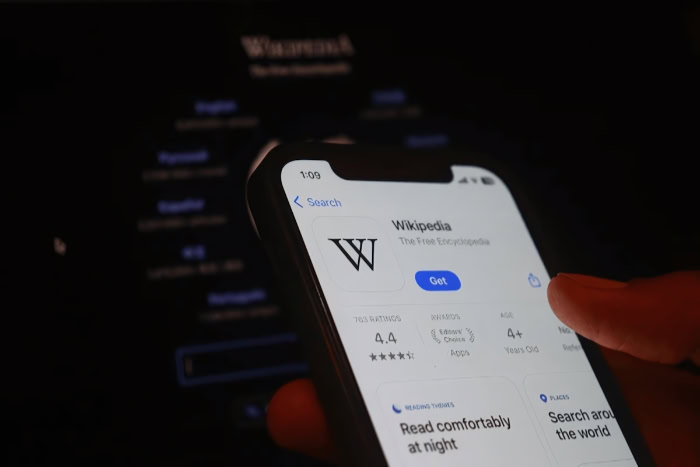
Millions of students, travelers, professionals, and hobbyists turn to Wikipedia every day because it solves practical information problems that print books and paywalled websites cannot match.
Free Global Access Across Languages
Wikipedia removes financial barriers to basic reference material. Anyone with an internet connection can read millions of articles at no cost, without creating an account or paying a subscription fee.
The encyclopedia spans over 300 languages, ranging from massive editions in English, French, and Japanese to smaller editions that help preserve regional and indigenous languages online.
Rapid Updates on Current Events
Traditional printed reference books begin going out of date the day they leave the printing press. On Wikipedia, volunteer editors around the world often update pages within minutes of breaking news, national elections, natural disasters, or major scientific announcements.
When a public figure passes away or a new space mission launches, readers can usually find an organized timeline backed by news links almost immediately.
Vast Breadth of Topics
Because volunteers write about subjects that interest them personally, Wikipedia covers far more ground than a standard print encyclopedia could ever fit on a bookshelf. Alongside deep entries on world history, physics, and medicine, readers can look up small rural towns, niche hobbies, classic video games, and television episodes.
Topics that would never make the cut in a commercial reference book often have detailed, well-sourced articles on Wikipedia.
Quick Overviews and Linked References
Most Wikipedia pages begin with a short lead section that summarizes the entire topic in a few plain paragraphs, making it easy to get up to speed on an unfamiliar subject in less than a minute. Blue internal hyperlinks connect technical terms and related events directly to their own pages, allowing readers to follow their curiosity effortlessly.
At the bottom of every well-developed article sits a numbered list of references pointing directly to outside books, journals, and news reports for deeper reading.
Common Challenges and Limitations

The same open system that makes Wikipedia fast and expansive also introduces weaknesses. Knowing where the platform can fall short helps readers avoid taking every line at face value.
Vandalism and Deliberate Hoaxes
Open editing inevitably attracts pranksters, spammers, and bad actors. Occasionally, someone inserts profanity, replaces a biography with a joke, or adds a fabricated fact just to see how long it survives.
While glaring vandalism is usually caught right away, subtle hoaxes on obscure, rarely visited pages can sometimes linger unnoticed for months or even years.
Absence of Formal Peer Review
Wikipedia does not require contributors to prove their identity or hold professional degrees in the subjects they write about. A teenager and a retired university professor have the same basic editing buttons.
Articles are always works in progress rather than formally vetted publications, so the depth and accuracy of a page can vary widely depending on who has worked on it recently.
Editor Bias and Coverage Gaps
Volunteer communities naturally reflect the backgrounds and interests of the people who have the free time and internet access to participate. Because Wikipedia’s active editors have historically skewed heavily toward men from North America and Europe, coverage is uneven.
Military history, technology, and Western pop culture often receive exhaustive attention, while notable women, smaller nations, and underrepresented cultures frequently have shorter entries or fewer articles overall.
Editorial Disputes and Conflicts of Interest
Controversial subjects such as politics, religion, and ongoing world conflicts regularly spark “edit wars,” where opposing contributors repeatedly undo one another’s changes instead of reaching agreement. Public relations firms, businesses, and public figures also sometimes try to quietly edit their own pages to remove criticism or insert flattering promotional language, despite strict site rules against paid or self-interested editing.
Quality Safeguards and Responsible Use

Wikipedia is far from an unmoderated message board. Behind the scenes, automated software and organized volunteers work constantly to protect page quality, while visible clues help everyday readers judge how much to trust a given article.
Automated Software Tools and Human Patrols
Computer programs known as bots scan incoming edits around the clock. Trained to recognize common signs of sabotage, such as blanked paragraphs, profanity, or spam links, these bots can undo obvious vandalism in just a few seconds.
Backing up the software are thousands of human volunteers who monitor live feeds of recent changes and keep personal “watchlists” of favorite topics, stepping in to fix subtler errors that machines miss.
Page Locks and Transparent Discussion Pages
When a high-profile article faces heavy vandalism or heated disputes, administrators can apply page protection. A semi-protected page blocks unregistered visitors and brand-new accounts from making changes until tensions cool down, while fully protected pages can only be edited by administrators.
Every article also has an attached “Talk” page, which serves as a public forum where contributors debate wording, evaluate sources, and work toward consensus. Anyone can click the “Talk” tab to read those behind-the-scenes conversations.
Citation Tags and Source Verification
Wikipedia builds warning signs directly into its articles so readers can spot weak sections quickly. Well-researched sentences end with tiny bracketed numbers linking to reputable books, academic journals, or major news outlets.
By contrast, banners at the top of a page might warn that an entry reads like an advertisement or lacks reliable references. Inline tags such as [citation needed] flag individual claims that have not yet been verified against an outside source.
Best Practices for Personal and Academic Use
Teachers and university professors generally tell students not to cite Wikipedia directly in formal papers. Because any page can change from one hour to the next and serves as a summary of other works rather than an original authority, it does not qualify as a primary academic source.
The smartest way to use Wikipedia is as a starting point:
- Read the summary to learn basic dates, definitions, and terminology.
- Check the top of the page for warning banners and scan for [citation needed] tags before trusting a claim.
- Scroll down to the “References” section and click through to the original books, articles, or official reports to verify important facts and cite those original sources directly.
Conclusion
Wikipedia holds a distinct place on the modern web as a free, ad-free, volunteer-driven encyclopedia backed by transparent rules and active community moderation. Its open design brings real trade-offs, including occasional errors, uneven coverage, and editorial disputes.
When paired with automated safeguards, public revision histories, and a critical reading habit, Wikipedia remains an indispensable starting point for everyday curiosity and initial fact-finding.
Frequently Asked Questions
Can anyone really edit a Wikipedia page?
Yes, almost anyone with an internet connection and a web browser can edit most Wikipedia articles without creating an account. Every single change is logged in a public revision history, making it easy for volunteers and automated tools to track updates. High-traffic or controversial pages are sometimes temporarily locked to prevent sabotage.
Why does Wikipedia ask for donations if it is so popular?
Wikipedia relies on donations because it refuses to run advertisements or charge subscription fees. Operating as a free service hosted by the non-profit Wikimedia Foundation, the site needs steady funding to pay for servers, bandwidth, software upkeep, and staff. Small contributions from everyday readers and charitable grants keep the encyclopedia independent and accessible worldwide.
Is Wikipedia reliable enough to trust for facts?
Wikipedia is generally reliable for quick background overviews, though you should always double-check important facts against original sources. Because articles are edited by volunteers rather than formally reviewed by paid experts, errors, outdated details, or vandalism can slip through. Checking the numbered citations at the bottom of each page helps verify accuracy.
Why do teachers say not to cite Wikipedia in school papers?
Teachers discourage citing Wikipedia directly because anyone can alter its content at any moment and it summarizes other works rather than presenting original research. Academic writing expects students to rely on primary sources, peer-reviewed books, or established journalism. Instead of citing the encyclopedia itself, use its reference list to find credible original publications.
How fast does vandalism get removed from Wikipedia?
Obvious vandalism, such as profanity, spam, or deleted paragraphs, is usually removed within seconds by automated software bots. Volunteers also watch live feeds of recent edits around the clock to catch trickier hoaxes and hidden factual errors. When a page faces repeated sabotage, administrators can lock it so only established users can make changes.
About the Author: Julio Caesar


