
Why Are iPhones So Expensive? Beyond the Logo

Dropping over a thousand dollars on a new smartphone directly impacts your personal finances, forcing you to scrutinize exactly what you are buying. Because a premium device is now one of the most expensive items you carry every day, the relentless price climb of the iPhone matters significantly to your wallet.
Over the past decade, Apple has set the financial ceiling for the modern mobile market, transforming a high-end novelty into a massive, recurring investment. Consumers consistently question if the physical hardware truly demands such a steep cost or if the iconic logo itself commands the premium.
The tension between the actual cost to produce these devices and the perceived value they add to your life is an ongoing debate.
Key Takeaways
- Apple utilizes proprietary A-series chips instead of cheaper off-the-shelf processors, requiring consumers to absorb the massive upfront cost of custom silicon design.
- Manufacturing expenses escalate drastically due to the incorporation of aerospace-grade titanium, surgical stainless steel, and specialized Ceramic Shield glass.
- A significant portion of the retail price directly funds ongoing iOS development, multi-year security patches, and hardware-level encryption systems.
- Global component shortages, high import tariffs, and complex international logistics drastically inflate the baseline price before the device even hits store shelves.
- iPhones retain their value far longer than competing devices, allowing buyers to leverage trade-in programs to lower the actual total cost of ownership.
Premium Materials and Hardware Architecture
The physical construction of a modern smartphone heavily dictates its manufacturing expenses. Apple consistently prioritizes high-end components to differentiate its products from budget-friendly alternatives.
Every curve, chassis material, and internal processor contributes to a compounding bill of materials that drives the retail price upward before the device even leaves the factory floor.
Custom Silicon Design and Semiconductor Cost
Apple transitioned away from standard, off-the-shelf processors to build its proprietary A-series chips. Creating custom silicon requires an immense upfront financial investment.
The company employs massive engineering teams to design processors optimized specifically for their own hardware and software. Building custom chips allows for incredible efficiency and processing power, but it eliminates the savings that come from buying generalized components in bulk from third-party manufacturers.
Designing these highly complex semiconductors from scratch ensures strict quality control and unmatched performance, yet the immense cost of this bespoke processor design is inevitably passed down to the consumer.
High-Grade Physical Materials
The outer shell of an iPhone utilizes materials rarely found in standard consumer electronics. Apple frequently incorporates aerospace-grade titanium and surgical-grade stainless steel for the chassis.
These metals are incredibly durable and visually striking, but they cost significantly more to source and machine than the aluminum or plastic utilized by competitors. Furthermore, the company developed Ceramic Shield glass to offer superior drop protection for the display.
Producing this specialized glass involves embedding ceramic nanocrystals into the glass matrix at high temperatures. The manufacturing process is highly intensive and significantly elevates the baseline production cost of every single unit.
Advanced Camera Systems and Sensor Technology
The modern mobile camera is a highly sophisticated piece of optical engineering. Apple integrates custom sensors, advanced optical image stabilization mechanisms, and intricate multi-lens arrays into their devices.
Building a camera module that can capture professional-quality photos and videos in various lighting conditions requires expensive, specialized hardware. The physical lenses require precise manufacturing tolerances to prevent distortion, while the proprietary sensors demand expensive silicon fabrication.
Because photography is a primary selling point for premium smartphones, Apple continues to pour money into upgrading these specialized camera modules, substantially increasing the final retail price.
Operating System Development and Ecosystem Integration

Beyond the physical metals and glass, software development represents a massive financial overhead. A premium device requires an equally premium user experience, demanding millions of lines of code and constant refinement.
You are not just paying for a handheld machine, as a large portion of the purchase price funds the expansive software ecosystem that brings the hardware to life.
Software Development and Long-Term Support
Maintaining a proprietary operating system like iOS requires continuous financial backing. Apple employs thousands of software engineers to write code, patch bugs, and develop new features year after year.
Furthermore, the company provides multi-year software updates and security patches to older devices. Supporting hardware that is five or six years old costs the company a vast amount of money in ongoing development and testing.
Consumers benefit immensely from a secure, up-to-date operating system, but the overhead associated with this long-term support is baked directly into the initial purchase price of a new phone.
Cross-Device Synergy and Apple Services
Apple engineers its products to function within a highly restrictive, closed-loop ecosystem. The seamless interaction between an Apple Watch, Mac, iPad, and iCloud does not happen by accident.
Creating this synergy requires complex administrative and technical coordination across entirely different product divisions. Additionally, Apple integrates custom entertainment and productivity service suites directly into the operating system.
Developing the underlying architecture to make all these devices communicate flawlessly over wireless networks demands rigorous engineering. The premium price tag reflects the cost of building and maintaining this interconnected environment.
Data Privacy and On-Device Security Systems
Maintaining rigorous privacy standards is incredibly expensive. Apple designs its hardware with secure enclaves, which are isolated coprocessors dedicated specifically to handling sensitive biometric and cryptographic data.
Implementing hardware-encrypted security measures requires specialized silicon and complex software protocols to ensure user data remains safe from external threats. Developing sophisticated algorithms that process data on the device rather than relying on cloud servers requires powerful processors and extensive engineering.
The economic cost of prioritizing user privacy through dedicated hardware security systems significantly inflates the overall cost of the product.
Research, Development, and Brand Equity

A significant portion of a smartphone’s retail price funds the intangible elements of the product cycle. Before a device hits the shelves, it goes through years of conceptualization, prototyping, and testing.
Additionally, the cultural weight of the brand itself plays a massive role in dictating the final number on the price tag.
Intellectual Property and Design Investment
Multi-year product design cycles demand enormous capital. Apple engineers build countless prototypes to test new shapes, battery configurations, and screen technologies.
Many of these prototypes never see the light of day, representing a total financial loss for the specific project. Pushing the boundaries with experimental feature development carries severe financial risk.
The company must recoup the billions of dollars spent on research and development across all its failed and successful projects alike. The high retail cost absorbs the financial shock of this rigorous, iterative design process.
Brand Value and Market Position
Apple intentionally positions the iPhone as a luxury lifestyle product. In many ways, it functions as a Veblen good, where the high price itself creates an aura of exclusivity and desirability.
The company has cultivated immense brand equity over the decades, creating a highly loyal customer base. This cultural status directly influences consumer tolerance for premium prices.
Buyers are often willing to pay a premium simply to participate in the social cachet associated with the brand. Because the market continues to validate these high prices through consistent sales, Apple has little financial incentive to lower its profit margins.
Retail Experience and Customer Support Infrastructure
The operational costs of physical retail locations are staggering. Apple Stores occupy premium real estate in major cities across the globe and require custom architectural designs.
The company employs massive retail teams to provide a distinct customer experience. Beyond the aesthetic appeal, the infrastructure required for post-sale support, warranty fulfillment, and direct customer service is vast.
Maintaining thousands of technicians to facilitate rapid repairs and personalized troubleshooting demands heavy continuous funding. The price of an iPhone effectively subsidizes this extensive global retail and support network.
Global Supply Chain and Macroeconomic Pressures

Building tens of millions of identical devices requires navigating a highly complex international logistics network. External economic forces dictate how much it costs to source components, assemble them, and ship them across the globe.
These macroeconomic pressures heavily influence the baseline price of consumer electronics.
Component Shortages and Material Scarcity
Hardware production is highly vulnerable to global semiconductor demand fluctuations. Periodic shortages in memory chips, storage drives, and specialized processors routinely drive up manufacturing costs.
Furthermore, the tech industry fiercely competes for access to raw materials and rare earth elements necessary for battery production and display manufacturing. Whenever material scarcity strikes the supply chain, the cost to procure these essential elements skyrockets.
Apple must secure massive contracts to guarantee enough parts for production, and they often pay a premium to ensure their supply lines remain uninterrupted during global shortages.
Import Tariffs and Localized Taxation
The retail price of an iPhone varies wildly depending on your geographic location. International import duties and value-added taxes drastically inflate the final cost for consumers outside the United States.
Governments routinely levy heavy tariffs on imported consumer electronics, forcing manufacturers to adjust their pricing structures by region. Furthermore, extreme currency fluctuations can wipe out profit margins overnight.
To protect against sudden shifts in exchange rates, Apple often sets higher baseline prices in international markets, ensuring their revenue remains stable despite global economic volatility.
Logistics and Distribution Overhead
Moving millions of high-value devices from assembly plants in Asia to retail stores around the world is an expensive logistical operation. Shipping lightweight but incredibly valuable cargo requires specialized transport networks.
The company frequently charters entire cargo planes to ensure fast and secure global distribution. The security costs associated with protecting these shipments from theft during transit are substantial.
Rising fuel prices and strained global shipping lanes continually increase the overhead required to deliver the product safely into the hands of consumers.
Long-Term Financial Value and Consumer Alternatives
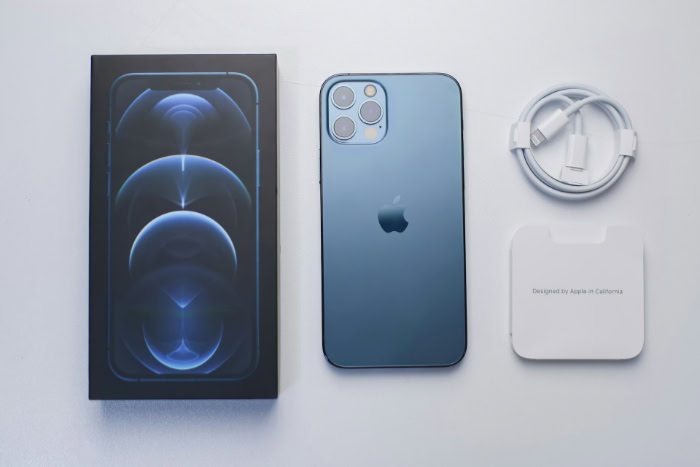
The upfront cost of a premium smartphone is undeniably high, yet evaluating the purchase requires looking past the initial transaction. Financial strategies and hardware retention rates alter the true cost of ownership over the lifespan of the device.
Device Lifespan and Resale Value
A major factor in the total cost of ownership is the impressively low depreciation rate of Apple devices. iPhones typically retain their value far better than competing smartphones. Because the hardware remains functional and receives software updates for many years, consumers can often resell their older devices for a substantial return.
The robust financial dynamics of trade-in programs allow buyers to offset the cost of a new purchase by trading in their previous phone. Factoring in this high resale value often makes the long-term financial impact much lower than the initial retail price suggests.
Carrier Subsidies and Alternative Purchase Options
Most consumers do not pay the full retail price upfront. Carrier contracts heavily soften the immediate financial blow by subsidizing the device in exchange for a multi-year cellular service commitment.
Additionally, installment plans and interest-free loans provided directly by the manufacturer allow buyers to spread the cost over several months or years. For those looking for immediate savings, the certified refurbished market provides a highly viable alternative.
These factory-restored devices offer the same premium hardware and software experience at a significantly reduced price, making them highly attractive to budget-conscious buyers.
Base Models and Mid-Range Alternatives
Apple categorizes its lineup to capture different segments of the market. The premium Pro tiers target heavy users and professional creatives who demand maximum processing power and superior camera lenses.
Conversely, the standard base models are designed for the average consumer who wants a reliable device without paying for excessive hardware upgrades. Comparing the cost-to-performance ratios between these base models and mid-tier competitors reveals a highly competitive market.
Consumers who skip the titanium frames and extra camera lenses can secure exceptional performance through the standard models without paying the absolute highest premium.
Conclusion
The steep price of a modern iPhone is the cumulative result of premium physical hardware, expansive software development, and deliberate market placement. Consumers are paying for custom silicon, aerospace-grade titanium, and specialized camera sensors that cost significantly more to manufacture than standard components.
Beyond the physical parts, the retail tag funds a massive ecosystem of ongoing iOS updates, strict privacy protocols, and a global network of retail support. Apple also leverages its immense brand equity to maintain high profit margins, positioning the device as a luxury good.
Determining if the long-term utility of the device justifies the initial financial barrier requires looking at the total cost of ownership. Because these phones receive years of software support and retain high resale values, the high upfront cost frequently translates into a reliable, long-lasting investment rather than a fleeting expense.
Frequently Asked Questions
Why do iPhones cost more than standard Android phones?
Apple designs proprietary hardware and software specifically for their devices instead of relying on generic parts. This closed ecosystem requires immense financial investment in custom silicon, aerospace-grade materials, and rigorous security systems. These specialized manufacturing choices directly drive up the final retail price compared to standard alternatives.
Do iPhones actually last longer than cheaper smartphones?
iPhones typically receive active software support and security updates for over five years. This extended software lifecycle ensures the hardware remains highly functional and secure far longer than many budget competitors. Consequently, the initial high cost often balances out through a greatly extended period of daily usability.
How much of the price is just for the brand name?
A noticeable portion of the cost reflects the luxury status and cultural desirability of the Apple brand. The company intentionally positions its products as premium lifestyle goods to maintain strong profit margins. Buyers frequently pay this premium specifically to access the social prestige associated with the recognizable logo.
Why is the exact same iPhone more expensive in Europe or Asia?
International pricing heavily depends on local import duties, value-added taxes, and fluctuating currency exchange rates. Governments outside the United States often apply steep tariffs on imported consumer electronics. Apple adjusts regional pricing to protect their profit margins from these localized taxes and sudden global economic shifts.
Is it actually worth buying the Pro model over the base model?
Buying the Pro model is only worth the extra cost if you professionally rely on specialized camera lenses and maximum processing power. The standard base models provide more than enough performance for average daily tasks at a significantly lower cost. Choosing the base model secures exceptional speed without unnecessary hardware upgrades.
About the Author: Julio Caesar


