
Wireless vs. Wired Speakers: The Trade-Offs Explained
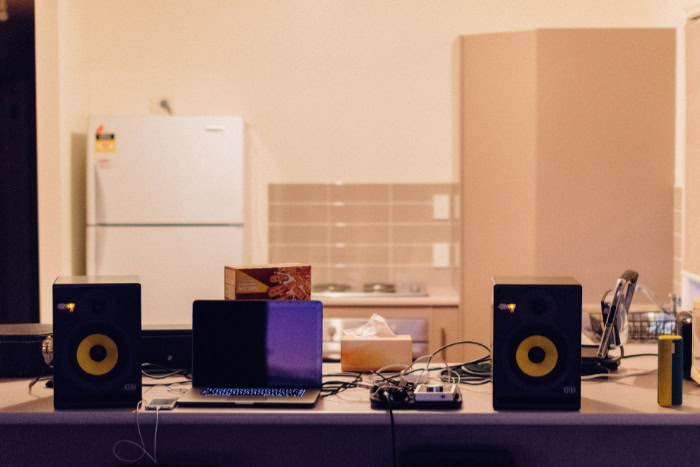
A high-end set of copper-wired speakers from forty years ago will likely outlive and outplay the most expensive Bluetooth unit on the market today. Choosing the wrong setup means risking a heavy investment on hardware that could be obsolete or unsupported within five years.
Most listeners prioritize the aesthetic of a cable-free room, yet many overlook how much detail is stripped away during the wireless transmission of a favorite album. While modern Wi-Fi systems attempt to bridge this gap, the physical reality of signal interference and data compression remains a hurdle for anyone seeking studio-grade fidelity.
Key Takeaways
- Bluetooth codecs like SBC and aptX strip away audio details that a direct wired connection preserves.
- Wired speakers provide instantaneous synchronization, which prevents the audio lag common in wireless home theaters.
- Unlike smart speakers, passive wired speakers can remain functional for forty years or more without software updates.
- Most wireless speakers require a physical power outlet, so they are not as cord-free as marketing often suggests.
- Wired systems allow you to mix and match brands, whereas wireless ecosystems often lock you into one manufacturer.
Audio Performance and Signal Fidelity
The quality of an audio experience depends entirely on how much data reaches the speaker and how quickly it arrives. While wireless technology has made massive strides, a physical cable remains the only way to guarantee a perfect, bit-for-bit recreation of the original recording.
Data Compression and Codecs
Bluetooth audio relies on codecs to shrink large music files so they can travel through the air. The standard SBC codec is universal but often sacrifices fine detail.
More advanced options like aptX and LDAC offer better quality, yet they still involve some level of data loss. In contrast, a wired connection provides a full-bandwidth, uncompressed signal.
Because a copper wire does not need to compress the audio to fit a narrow wireless pipe, it preserves the subtle textures and depth that audiophiles demand.
Lossless Audio over Wi-Fi
Wi-Fi speakers provide a middle ground by using a network with much higher bandwidth than Bluetooth. This allows for the transmission of lossless audio files, which contain all the original data from a studio recording.
These systems bridge the gap between convenience and performance, offering high-resolution sound without a tether to the source device. However, even with high bitrates, the audio still undergoes digital processing that a direct wired connection bypasses.
Latency and Synchronization
Wireless systems often suffer from latency, which is the time delay between a sound being sent and it being heard. This lag is barely noticeable when listening to music, but it becomes a major problem for home theaters or gaming.
If the audio is even a few milliseconds behind the action on a screen, the experience feels disjointed. Wired speakers eliminate this issue entirely, providing instantaneous synchronization that is essential for immersive media.
Installation, Portability, and Aesthetics

The visual impact of a sound system often dictates where it is placed and how often it is used. Modern design favors minimalism, but achieving a clean look involves different challenges depending on whether the system is wired or wireless.
The Clean Look and Cable Management
Wireless speakers are popular because they remove the need for long speaker wires running across the floor or behind furniture. This creates a tidy appearance that fits well in multi-purpose living rooms.
Traditional wired setups require careful planning to hide cables; this often involves tucking wires under carpets, using cable racquets, or even pulling wire through walls. For many, the effort of cable management is a small price to pay for superior sound, while others prefer the immediate neatness of a wireless unit.
The Power Cord Misconception
A common misunderstanding is that wireless speakers are entirely free of cables. Most high-quality wireless units are not battery-powered; they require a physical connection to a wall outlet to function.
This means that while they do not need a cable connecting them to the receiver, they are still tethered to a specific spot near a power source. Truly cordless, battery-operated speakers exist, but they generally lack the power and driver size needed for a primary home audio system.
Placement Flexibility
The greatest advantage of wireless units is the ease with which they can be moved. A user can easily relocate a Wi-Fi speaker from the kitchen to the patio for a gathering.
Wired systems are much more permanent. Bookshelf speakers, in-wall units, and floor-standing towers are usually intended to stay in one place once the cables are installed.
This permanence allows for precise acoustic tuning, but it lacks the spontaneity of modern wireless hardware.
Connection Stability and Reliability

A sound system is only as good as its connection. When the signal fails, the music stops, making reliability a primary concern for any home setup.
Signal Interference
Wireless audio is vulnerable to the invisible traffic of a modern home. Household electronics, microwave ovens, and competing Wi-Fi signals from neighbors can cause momentary dropouts or stuttering.
Physical barriers like thick concrete walls or metal appliances also weaken wireless signals. These interruptions can turn a relaxing listening session into a frustrating exercise in troubleshooting, especially in crowded urban environments where the airwaves are congested.
The Consistency of Wired Connections
A physical copper wire is immune to network congestion and radio frequency interference. Once a wired speaker is plugged into an amplifier, the connection remains stable regardless of how many other devices are on the network.
There are no software glitches to worry about and no need to restart a router to get the music playing. This plug-and-play reliability ensures that the system works every time the power is turned on.
Network Dependencies
Wireless systems often require a complex setup involving apps, firmware updates, and mesh networks to ensure coverage across multiple rooms. If the internet goes down or the router malfunctions, the entire audio system may become unresponsive.
Wired systems operate independently of the home network. A wired receiver and its connected speakers will continue to function perfectly even if the house is completely offline, making it a more resilient choice for long-term use.
System Lifespan and Hardware Ecosystems

Purchasing audio equipment is an investment, and the lifespan of that investment depends on how the hardware handles the passage of time and evolving standards.
Technical Obsolescence
Wired, passive speakers are remarkably durable and can last for decades. Because they do not rely on software, a speaker built in the 1980s can still be used with a modern amplifier today.
Wireless speakers, however, are essentially computers with drivers attached. They rely on specific apps and wireless protocols that may become unsupported as technology moves forward.
When a manufacturer stops updating the software for an older wireless model, that speaker can lose its smart functionality or stop working entirely.
Ecosystem Lock-in
Many wireless brands use proprietary technology that forces users into a specific ecosystem. If you buy a speaker from one major wireless brand, it usually will not sync with a wireless speaker from a competitor.
This limits the ability to expand the system over time. Users often find themselves stuck with a single brand to maintain multi-room functionality, even if another company releases a better or more affordable product.
Interoperability and Upgradability
The wired audio world is built on universal standards. You can connect a vintage turntable to a modern receiver and pair it with speakers from a completely different manufacturer without any compatibility issues.
This modularity allows for a customized experience where individual components can be upgraded one at a time. If you want better bass, you can replace the speakers without needing to buy a new amplifier or change the way you control your music.
Total Cost of Ownership and Value

The price of a sound system involves more than just the tag on the box. It includes the cost of all necessary components and the value the system provides over years of use.
Initial Investment
Wireless speakers are often sold as all-in-one units that include the speaker, the amplifier, and the wireless streamer in a single chassis. This can make the initial purchase seem more affordable and straightforward.
A wired setup requires separate components: the speakers, an integrated amplifier or receiver, and a source device. While this modular approach often carries a higher upfront cost, it provides a level of performance and customization that single-box wireless units rarely match.
Hidden Costs
Wired systems can incur additional expenses that wireless users avoid. High-quality speaker wire, connectors, and professional installation for in-wall wiring can add hundreds or thousands to the total price.
Conversely, a stable wireless system may require an expensive, high-end router or a dedicated mesh network to prevent audio dropouts. These hidden infrastructure costs are important to consider when budgeting for a new home audio environment.
Performance-to-Price Ratio
For a casual listener, a mid-range wireless speaker offers excellent value by combining convenience and decent sound in one package. However, for those who prioritize audio fidelity, a wired system usually provides better sound quality per dollar spent.
Because more of the budget goes toward high-quality drivers and physical construction rather than software development and wireless chips, a wired speaker often outperforms a wireless one at the same price point. The long lifespan of wired hardware also increases its overall value, as it does not need to be replaced nearly as often.
Conclusion
Choosing between wired and wireless audio is a choice between the permanence of performance and the flexibility of modern living. Wired systems provide uncompressed sound and zero latency, making them the standard for dedicated listening rooms and home theaters.
Wireless systems prioritize ease of use and aesthetic integration, which is ideal for multi-purpose rooms or temporary spaces. While wireless tech has improved with lossless Wi-Fi options, it cannot yet match the decades-long reliability of a simple copper connection.
The best fit depends on a preference for a setup that works independently of your home network or one that moves as easily as you do.
Frequently Asked Questions
Can wireless speakers sound just as good as wired speakers?
High-end Wi-Fi speakers can reach lossless quality, but wired speakers still provide better fidelity by avoiding all data compression. While Bluetooth is convenient, it loses fine details that a physical copper cable preserves. For the most accurate recreation of a studio recording, a traditional wired connection remains the superior choice.
Will my wireless speakers work if my internet goes down?
Most wireless speakers will stop functioning or lose their multi-room capabilities if your home network fails. Unlike wired systems that rely on a direct physical connection, wireless units depend on a stable Wi-Fi signal to communicate. A wired setup remains fully operational even if your house is completely offline.
Do I have to buy the same brand of speakers for my whole house?
If you use a wireless system, you are usually restricted to one brand to ensure all the speakers play together. This is known as ecosystem lock-in, where proprietary software prevents different brands from syncing. Wired systems avoid this entirely, allowing you to connect any brand of speaker to any receiver.
Why is my wireless speaker audio out of sync with my TV?
This synchronization issue is caused by latency, which is the time it takes for a wireless signal to be processed. While barely noticeable during music playback, this lag causes a frustrating delay between a person speaking on screen and the sound arriving. Wired speakers provide an instant connection that solves this.
Are wireless speakers truly easier to install?
Wireless speakers are easier to set up initially because you do not have to run cables through walls or under rugs. However, they often require complex app configurations and stable network positioning to avoid signal dropouts. A wired system is harder to install once, but it offers a more reliable connection afterwards.
About the Author: Elizabeth Baker


