
Over-Ear vs. In-Ear Headphones: Which Sounds Better?

Choosing the right pair of headphones directly impacts your daily routine, transforming a noisy commute into a private sanctuary or turning a sluggish workout into an energized session. With countless options flooding the modern audio market, making an informed choice saves you money and prevents daily frustration.
The industry fundamentally divides into two primary categories. Circumaural designs feature large plush cups that completely surround your outer ear, while intra-aural models use compact silicone tips that sit securely inside your ear canal.
Both form factors offer distinct advantages, but they also demand specific compromises in acoustics, comfort, and portability.
Key Takeaways
- Over-ear headphones utilize large 30mm to 50mm drivers to create a wide, realistic soundstage, while in-ear models use 6mm to 12mm micro-drivers for direct, intimate audio projection.
- Eyeglass frames frequently break the acoustic seal and cause physical discomfort when wearing large earcups, making earbuds the better choice for people who wear thick glasses.
- Full-sized headbands house massive batteries capable of 30 to 60 hours of continuous playback, whereas earbuds rely on pocket-sized charging cases to bypass their strict five-hour single-charge limits.
- The silicone tips of in-ear monitors trap moisture and push earwax deeper into the ear canal, requiring regular cleaning to prevent bacterial growth and compression blockages.
- Flagship over-ear models typically outlast tiny wireless earbuds because their larger internal batteries degrade slower and their exterior ear pads can be easily replaced after years of heavy wear.
Form Factor and Ergonomic Design
The physical shape of a headphone dictates how comfortably it integrates into your daily life. Because human ears and head shapes vary drastically, the structural design you choose will directly influence how long you can listen without discomfort.
Evaluating the mechanical differences between styles helps you find a fit that feels natural.
Structure and Wear Style
Over-ear headphones utilize large earcups that completely surround the outer ear. This circumaural enclosure relies on a rigid or semi-rigid headband resting across the top of your skull to distribute the product’s weight.
Conversely, in-ear monitors feature tiny acoustic nozzles capped with silicone or foam tips that insert directly into the ear canal. This intra-aural approach requires no overhead support, instead using the walls of your ear canal and the folds of your outer ear as primary anchor points.
Long-Term Wear Comfort
Extended listening sessions expose the unique pressure dynamics of each design. Over-ear models often exert a noticeable clamping force against the sides of the head to maintain a secure fit.
The closed nature of these large earcups also traps body heat, which can lead to sweating and discomfort during warmer weather or prolonged use. In-ear models bypass the heat issue but introduce their own physical challenges.
Placing a foreign object directly into the ear canal can cause localized fatigue over time. Achieving a stable, comfortable fit requires finding the exact right ear tip size, as an improper fit will quickly cause physical irritation or allow the earbuds to fall out.
Compatibility with Glasses and Accessories
Eyewear heavily influences the comfort of larger headphones. The thick arms of eyeglass frames can break the soft cushion seal of an over-ear cup, reducing both comfort and acoustic performance.
The clamping force of the headband often presses the frames painfully into the side of the wearer’s head. In-ear models operate completely independent of external headwear.
They allow you to wear thick glasses frames, winter hats, bicycle helmets, and earrings without any physical interference.
Audio Performance and Acoustic Capabilities
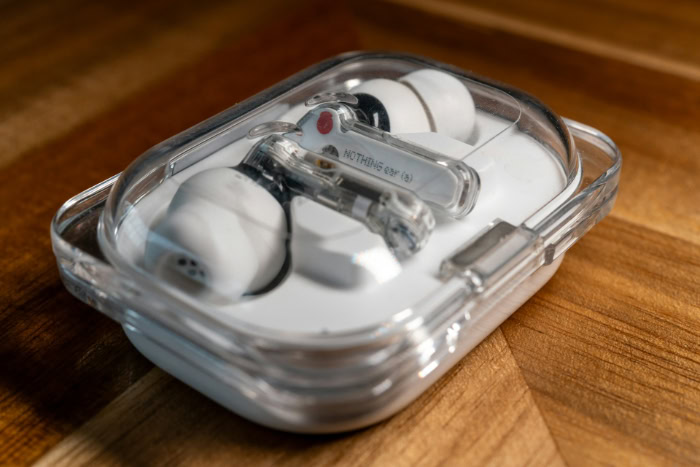
A headphone’s structural design inherently limits or enhances its acoustic potential. The physical distance between the audio driver and your eardrum changes how you perceive spatial sound, while the size of the internal components affects frequency reproduction.
Driver Size and Soundstage Mechanics
Over-ear headphones easily accommodate large dynamic drivers, typically ranging from 30mm to 50mm in diameter. These large diaphragms push significant amounts of air, creating a natural sense of spatial separation known as a wide soundstage.
Music sounds as though it is playing in the room around you. In-ear models rely on micro-drivers measuring between 6mm and 12mm.
Because these tiny speakers sit mere millimeters from your eardrum, they project sound directly into your head. This creates an intimate, highly detailed listening experience but lacks the expansive three-dimensional width provided by larger earcups.
Frequency Response and Bass Delivery
The spacious acoustic chambers inside over-ear cups allow low frequencies to resonate and expand naturally. This results in a bass extension that you can often physically feel on your outer ear, mimicking the sensation of standing near a live subwoofer.
In-ear headphones achieve powerful bass through completely different pressure dynamics. By creating a tight, airtight seal inside the ear canal, they trap the acoustic energy.
This sealed-chamber effect delivers direct, punchy bass impact straight to the eardrum, though it lacks the broad, resonant physical sensation of larger headphones.
Passive Isolation and Active Noise Cancellation Mechanics
Blocking unwanted background noise relies on establishing a secure physical barrier. Over-ear cushions provide passive isolation by completely covering the outer ear, wrapping around the cartilage to block external sounds.
In-ear models block noise by occluding the ear canal itself, functioning much like standard earplugs. Both form factors frequently feature Active Noise Cancellation to electronically neutralize low-frequency hums.
However, the efficiency of this technology differs based on the seal. A well-fitted in-ear tip often provides superior passive isolation, giving its electronic cancellation system less work to do.
Over-ear systems generally utilize multiple external microphones spread across the large earcups to accurately read and cancel out a broader range of ambient frequencies.
Portability, Battery Performance, and Durability

Moving from a controlled listening environment into daily transit requires audio equipment that is easy to manage and built to endure daily wear. A product’s physical footprint dictates how you carry it, while its power system and construction materials dictate how dependably it performs on the move.
Physical Footprint and Travel Convenience
Full-sized headphones occupy a significant amount of space. Even models with foldable hinges usually require a bulky protective carrying case that demands a dedicated spot in a backpack.
When not packed away, they are typically transported by resting them around the user’s neck. True wireless in-ear headphones excel in daily mobility.
Their compact nature allows them to sit inside pocket-sized charging cases, making them exceptionally easy to carry without bringing a bag or wearing them around your neck.
Battery Duration and Power Systems
The spacious earcups of over-ear designs leave plenty of room for large, high-capacity batteries. These units can easily deliver 30 to 60 hours of continuous playback on a single charge. Wireless earbuds face strict size limitations, typically offering only five to eight hours of continuous playback before they power down.
To compensate, earbuds rely on their companion carrying cases, which hold multiple backup charges. While the total playback time may rival over-ear models, the earbuds must take mandatory breaks inside the case to replenish their power.
Build Quality and Environmental Protection
Moisture and dust pose serious threats to sensitive audio electronics. In-ear monitors frequently feature high Ingress Protection ratings against water and sweat, making them highly resilient against heavy rain or intense physical exertion.
Over-ear headphones rarely boast these protective ratings. Their construction relies heavily on mechanical moving parts, such as folding hinges and extending headbands, which introduce structural vulnerabilities.
However, over-ear designs often feature user-replaceable ear pads, allowing you to restore the comfort of the headset after years of heavy wear.
Activity and Environmental Suitability

Where and how you use your audio gear heavily dictates which design will perform best. Different environments introduce specific physical challenges, from the intense movement of a gym to the quiet focus of an office space.
Matching your headphones to your daily activities ensures optimal performance and prevents constant adjustments.
Fitness and Athletic Performance
Intense physical exercise demands audio gear that stays firmly in place during rapid motion. In-ear models generally excel in this area, offering a secure fit that resists dislodging during runs or high-impact workouts.
Over-ear headphones often struggle in athletic settings because their heavier frames tend to slip backward or fall off during erratic movements. Furthermore, the large cups trap heat and accumulate moisture rapidly, which degrades the ear pads and causes uncomfortable slipping against sweaty skin.
Office, Remote Work, and Communication
Professional environments require clear communication and respectful acoustic boundaries. Over-ear headsets typically offer superior voice pickup clarity due to physical boom microphones or microphone arrays positioned closer to the mouth.
They also frequently provide better side-tone performance, allowing you to hear your own voice naturally while speaking. In shared or quiet workspaces, sound leakage is a primary concern.
Closed-back over-ear models and well-sealed in-ear monitors both do an excellent job of keeping your audio private, ensuring your meetings or music do not distract your colleagues.
Ear Hygiene and Health Factors
Wearing audio equipment for hours introduces physical health considerations that vary by design. Inserting silicone tips into the ear canal pushes natural earwax deeper, potentially leading to compression blockages.
The tight intra-aural seal also traps moisture, creating an environment that can encourage bacterial growth if the earbuds are not cleaned regularly. Over-ear headphones bypass the ear canal entirely, resting against the external ear cartilage and skull.
While this avoids internal ear hygiene issues, it can cause localized soreness from pressure points distributed across the sides and top of the head.
Selection Criteria and Buyer Decision Matrix

Choosing the right audio device ultimately comes down to balancing compromises. No single headphone excels in every possible scenario, so identifying your primary priorities is the best way to narrow down the options.
Evaluating these trade-offs helps align your purchase with your daily habits and budget constraints.
Feature Trade-Off Analysis
Buyers must weigh deep acoustic immersion against daily physical convenience. Over-ear designs deliver a massive, theater-like sound experience, but they demand significant bag space and limit your mobility.
Conversely, in-ear monitors offer ultimate freedom of movement and disappear into a pocket, but they sacrifice the wide soundstage created by large drivers. You must also balance Active Noise Cancellation priorities.
Full-sized earcups physically block more ambient noise and house advanced noise processing chips, whereas earbuds provide a much lighter footprint at the expense of absolute maximum noise attenuation.
Value and Cost Efficiency
Assessing the financial investment requires looking beyond the initial retail price. In the budget and mid-tier segments, in-ear models often provide a highly competitive performance-to-price ratio, offering impressive audio without a massive cost.
Flagship over-ear headphones command premium prices but frequently boast a longer overall product lifespan. Their larger batteries degrade slower over time, and the ability to swap out worn-out ear pads means you can physically refresh the product for years rather than replacing the entire unit.
Ideal User Profile Recommendations
Over-ear headphones stand out as the superior choice for dedicated audiophiles seeking the highest fidelity, home office workers needing all-day battery life, and long-haul travelers who require maximum noise isolation on flights. The large, comfortable cups and expansive sound make them perfect for stationary, focused listening.
In-ear monitors are the definitive recommendation for fitness enthusiasts who need sweat resistance, daily commuters traveling on crowded public transit, and minimalists who prefer their technology to be as unobtrusive as possible.
Conclusion
The division between over-ear and in-ear headphones forces a compromise between acoustic scale and physical convenience. Large earcups provide expansive soundstages, massive batteries, and deep passive noise isolation, but they demand significant bag space and can cause uncomfortable heat buildup.
Earbuds offer total freedom of movement and sit discreetly in your pocket, yet they sacrifice wide audio separation and introduce potential ear canal fatigue. The right choice depends entirely on your daily routine.
A stationary desk worker or frequent flyer benefits most from the comfort and battery capacity of larger headbands. Conversely, active gym members and busy commuters will find more practical value in the minimal footprint and secure fit of earbuds.
Aligning these physical realities with your environment guarantees a better daily audio experience.
Frequently Asked Questions
Do over-ear headphones sound better than earbuds?
Over-ear headphones generally provide a wider and more natural soundstage due to their larger dynamic drivers. The spacious acoustic chambers allow low frequencies to expand physically around your outer ear. Earbuds still deliver excellent detail and punchy bass, but they lack that broad, three-dimensional room simulation.
Can wearing earbuds all day cause ear infections?
Yes, leaving earbuds in your ears for extended periods can increase the risk of bacterial infections. The tight silicone seal traps moisture and pushes natural earwax deeper into the canal. Taking regular breaks and cleaning your ear tips frequently helps prevent these common hygiene issues.
Why do my over-ear headphones hurt my head after an hour?
Your headphones likely exert too much clamping force or have inadequate padding on the headband. Large earcups rely on physical pressure against your skull to maintain a secure seal and block ambient noise. Stretching the headband slightly over a box can help relieve this excessive tension.
Which type of headphone is best for working out?
In-ear monitors are the clear winner for intense exercise because of their secure fit and high sweat resistance. Heavy earcups easily slide off your head during rapid movement and quickly trap uncomfortable body heat. Most modern wireless earbuds also feature protective waterproof ratings specifically designed for workouts.
Do wireless earbuds have worse battery life than big headphones?
Wireless earbuds offer significantly shorter continuous playback times due to their tiny internal batteries. A standard earbud usually lasts five to eight hours before powering down, whereas full-sized headphones can play for sixty hours. Earbuds compensate by using their companion cases to provide multiple backup charges.
About the Author: Julio Caesar


