
Are Gold-Plated Cables Worth It? When to Buy Cheap
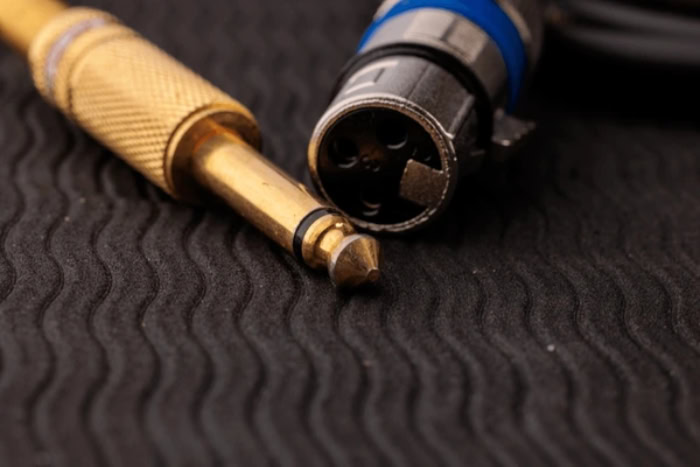
Walk into any electronics store, and you are immediately confronted by a massive price gap between basic cables and their gleaming, gold-plated counterparts. Deciding if these premium connectors actually improve your audio and video setup or if they are simply a marketing gimmick can save you significant money on your next purchase.
Manufacturers promise pristine quality, claiming the gold plating ensures better signal transmission, while skeptics argue that budget alternatives work just as well. Stripping away the retail hype reveals the actual science of metal contacts, signal transmission, and environmental wear.
Key Takeaways
- Copper and silver are physically more conductive than gold, but gold is used on connectors because it never rusts or tarnishes when exposed to air and moisture.
- Analog audio and video cables benefit significantly from gold plating because minor surface corrosion directly causes static, hums, and signal degradation in continuous waves.
- Digital cables, such as HDMI and DisplayPort, transmit binary data and perform identically with either nickel or gold plating, meaning expensive gold digital cables are unnecessary.
- Gold is a highly soft metal that easily scrapes off with friction, making gold-plated cables ideal for permanent setups but poor for connections that are constantly plugged and unplugged.
- Cable specifications such as shielding quality, correct protocol standards, and proper wire thickness have a far greater impact on performance than the plating of the connector.
The Physics of Metal Contacts
To understand why metals behave differently as connectors, one must look at how electricity moves through them on a physical level. The choice of metal on a cable plug affects not only how easily electricity flows but also how the metal interacts with the surrounding air over time.
Electrical Conductivity in Copper, Silver, and Gold
When comparing metals used in electronics, conductivity is measured by how easily electrons can flow through the material. Silver is the most conductive metal available, followed closely by copper.
Gold actually ranks third, possessing higher electrical resistance than both silver and copper. This means that, purely in terms of transferring an electrical current from point A to point B, a pure copper or silver wire is more efficient than a gold one.
Gold is not used because it conducts electricity better than copper; rather, its value lies in other physical properties.
The Impact of Oxidation on Metal Connectors
While copper and silver are excellent conductors, they suffer from a major vulnerability; they oxidize. When exposed to oxygen and moisture in the air, copper reacts to form copper oxide, a dark greenish or brownish crust.
Silver reacts with sulfur compounds and oxygen to form silver tarnish. Unlike the highly conductive metals beneath them, these oxidized surface layers act as electrical insulators.
When a connector tarnishes, the physical contact between the plug and the jack becomes compromised, creating resistance that disrupts the smooth flow of the electrical signal.
The Prevention of Corrosion via Gold Layers
Gold is a noble metal, meaning it is chemically inert and does not react with oxygen, moisture, or most acids under normal conditions. It never rusts, tarnishes, or corrodes, maintaining a bright, clean surface indefinitely.
By electroplating an incredibly thin layer of gold over a highly conductive base metal like copper or brass, manufacturers can protect the connection point. This thin gold layer acts as a shield, preventing the underlying metal from oxidizing while ensuring that the physical contact point remains completely clean and conductive over years of use.
Signal Type Analysis: Analog vs. Digital

The impact of a degraded connector depends heavily on the type of signal passing through the wire. Analog and digital signals process information in fundamentally different ways, which dictates how sensitive they are to minor surface resistance.
Vulnerability of Analog Audio and Video Signals
Analog signals transmit information as continuous, fluctuating electrical waves. Standard audio and video cables, such as RCA jacks, XLR connectors, and 3.5mm headphone plugs, rely on the exact shape and strength of these waves to reproduce sound and color.
If the connection point has even a tiny amount of corrosion, the electrical resistance fluctuates. This surface resistance distorts the wave, leading to audible hums, crackling static, signal dropouts, and faded colors in video feeds.
Because the signal is a direct representation of the media, any physical degradation instantly hurts the quality of the playback.
Robustness of Digital Data Streams
Modern digital interfaces like HDMI, DisplayPort, and USB cables operate on a binary system, sending information as a series of ones and zeros represented by distinct voltage thresholds. As long as the receiving device can tell the difference between a high voltage representing a one and a low voltage representing a zero, the data arrives perfectly intact.
Minor surface resistance from light corrosion might slightly weaken the voltage, but it will not alter the underlying binary code. The picture remains perfectly sharp and the audio remains clear up until the point of total connection failure; there is no middle ground of fuzzy video or static-filled audio.
The Relevance of Contact Quality in Each Signal Type
Because analog signals are highly sensitive to continuous voltage changes, preserving a clean, rust-free contact point is vital for maintaining audio and video fidelity. Gold connectors are highly beneficial for analog systems because they prevent the microscopic signal degradation caused by oxidation.
For digital systems, however, the threshold for signal loss is much wider. A basic copper or nickel-plated digital cable will deliver the exact same picture and sound quality as an expensive gold-plated version, making the extra expense of gold connectors largely unnecessary for standard digital setups.
Durability and Environmental Exposure

The environment where a cable is used plays a major role in how quickly its connectors degrade. Moisture, physical movement, and even the types of metals in contact with one another can shorten a cable’s lifespan or cause unexpected connection issues.
Performance in Humid and High-Moisture Climates
In humid environments, coastal areas with salty air, or damp basements, standard copper, brass, and nickel connectors oxidize rapidly. The moisture in the air acts as a catalyst, accelerating the chemical reactions that tarnish metal surfaces.
Within months, a non-plated connector can develop a layer of corrosion that disrupts the signal. Gold-plated connectors are highly effective in these conditions.
Because gold does not react with moisture or salt, it preserves connection stability and prevents the signal from degrading even in challenging atmospheric conditions.
Wear and Tear from Repeated Insertions
Although gold is highly resistant to corrosion, it is a very soft metal. This physical softness makes it highly vulnerable to friction and wear.
Every time a gold-plated plug is inserted into or removed from a port, a tiny amount of the gold plating scrapes off. If a cable is constantly plugged and unplugged, such as a guitar cable or headphones used daily, the gold layer will eventually wear away entirely, exposing the base metal underneath to oxidation.
Consequently, gold plating is best suited for connections that are set up once and left undisturbed.
Galvanic Corrosion from Mismatched Metals
When two different metals are placed in physical contact in the presence of even trace moisture, a microscopic electrical current flows between them, causing galvanic corrosion. For example, if a gold-plated plug is inserted into a tin or nickel-plated port, the less noble metal will corrode at an accelerated rate.
To avoid this chemical reaction, it is ideal to match the metals of the plug and the port. If a device has gold-plated ports, using a gold-plated cable is beneficial; if the ports are nickel-plated, a nickel-plated cable is actually the safer option to prevent long-term damage.
Market Realities and Price Factors

The consumer electronics market is filled with premium accessories that carry high price tags. Understanding the actual manufacturing costs versus the retail pricing strategies helps put the value of these premium cables into perspective.
Production Cost of Gold Connectors
The amount of gold used on a plated connector is exceptionally small. Manufacturers use an industrial electroplating process to deposit a layer of gold that is often only a fraction of a micrometer thick.
The actual cost of the gold applied to a single cable connector is usually only a few cents. Even when accounting for manufacturing equipment, labor, and quality control, the physical cost of producing a gold-plated cable is only slightly higher than producing a standard nickel-plated one.
This small difference in production cost stands in stark contrast to the massive price differences seen on store shelves.
Retail Markups and Premium Brand Strategies
Cables and accessories are famous for having some of the highest markups in the retail industry. Brick-and-mortar stores and online platforms often sell premium cables at markups of several hundred percent.
To justify these elevated price points, marketing campaigns often employ complex technical jargon, implying that gold plating is a premium technology required for high-definition audio and video. These sales tactics capitalize on consumer confusion, turning an inexpensive manufacturing feature into a symbol of luxury and superior quality.
The Disconnect Between High Prices and Real Performance
Controlled testing and precise laboratory measurements consistently demonstrate that there is no measurable difference in signal transmission quality between a standard, low-cost cable and an ultra-premium, expensive alternative over reasonable distances. In blind listening and viewing tests, participants are unable to distinguish between the output of a basic digital cable and one costing hundreds of dollars.
The extra money spent on high-end brands pays for branding, packaging, and marketing rather than any tangible improvement in performance.
Consumer Purchase Decisions

Making a smart purchase requires matching the cable specification to the specific hardware and environment. By identifying when gold connectors offer a genuine advantage and when they do not, consumers can avoid overpaying for unnecessary features.
Scenarios with Clear Advantages for Gold Connectors
Gold-plated connectors are a wise choice for high-end analog audio setups, such as turntables, vinyl preamps, and professional recording studios, where even microscopic amounts of noise must be avoided. They are also highly beneficial for permanent outdoor installations, like marine electronics or outdoor speaker systems, where constant exposure to moisture and salty air would rapidly destroy standard nickel or copper plugs.
In these specific environments, the anti-corrosive properties of gold provide a distinct advantage in reliability.
Scenarios Where Basic Copper Connectors Suffice
For the vast majority of everyday electronics, standard copper or nickel-plated connectors are perfectly adequate. This includes standard home theater setups using HDMI cables, office computer monitors connected via DisplayPort, and basic USB charging or data cables.
Because these systems use digital signals, they are immune to the minor resistance caused by light surface oxidation. Spending extra money on gold plating for these devices yields zero improvement in sound or picture quality.
Alternative Specifications of Importance
When shopping for cables, other specifications are far more important than the metal plating on the connector. The quality of the shielding protects the signal from electromagnetic interference, which is a common cause of audio buzz and video static.
The wire gauge, or thickness, is critical for maintaining signal strength over longer distances. Additionally, ensuring the cable matches the correct protocol standard, such as HDMI 2.1 for high-refresh-rate gaming, is essential for compatibility.
These structural elements have a direct impact on performance, whereas connector plating is a minor detail.
Conclusion
Gold plating does not boost signal quality or increase transmission speed; instead, it acts strictly as a protective shield against rust and environmental corrosion. For standard digital setups, such as HDMI and DisplayPort connections, inexpensive copper or nickel-plated cables deliver identical performance to high-end gold alternatives.
Spending extra on gold connectors is only justifiable for sensitive analog audio systems, high-moisture environments, or permanent outdoor installations. By focusing on practical shielding, wire thickness, and matching metal types between plugs and ports, you can easily avoid unnecessary retail markups and obtain reliable hardware performance without overpaying.
Frequently Asked Questions
Do gold-plated cables make music or movies look and sound better?
Gold-plated cables do not improve the actual picture or sound quality of digital media. Because digital signals transmit binary data, a basic copper or nickel cable displays the exact same image and audio as an expensive gold one. Gold only prevents long-term corrosion, which is why it does not enhance immediate performance.
Why do manufacturers use gold if copper is a better conductor?
Manufacturers use gold because it never rusts, tarnishes, or corrodes when exposed to air and moisture. While copper has higher electrical conductivity, it oxidizes quickly, creating a crust that blocks electrical signals. A micro-thin layer of gold protects the underlying copper, ensuring a reliable connection for years.
Is it bad to plug a gold cable into a nickel port?
Connecting mismatched metals can cause galvanic corrosion over time, especially in humid environments. When gold contacts nickel or tin, a tiny electrical reaction accelerates the degradation of the less noble metal. For maximum reliability, it is best to match a gold plug with a gold port, and nickel with nickel.
Will a gold cable last longer if I unplug it often?
Gold-plated cables will actually wear out faster if they are constantly plugged and unplugged. Because gold is an exceptionally soft metal, the thin plated layer easily scrapes off due to physical friction. Once the gold wears away, the base metal is exposed to air and will eventually oxidize.
What should I look for in a cable instead of gold plating?
You should prioritize wire gauge, thick shielding, and correct protocol standards over connector plating. Shielding prevents electromagnetic interference from causing static, while thick wires preserve signal strength over long distances. Additionally, matching the correct protocol standard ensures complete compatibility with high-performance gaming consoles and modern televisions.
About the Author: Julio Caesar


