
Are Noise-Canceling Headphones Worth It? Buy or Skip?

Modern life is undeniably loud, and finding a moment of silence often feels impossible. Active noise cancellation promises to erase the chaotic sounds of crowded offices and roaring train commutes, granting you much-needed peace of mind.
Originally developed to help aviation pilots survive deafening engines, this audio technology has rapidly transitioned into a highly desirable consumer upgrade. However, achieving that blissful silence means paying a steep premium over traditional headphones.
You have to ask if spending hundreds of dollars on specialized gear actually translates to a better daily routine. Deciding if that financial commitment makes sense requires looking past the marketing hype to see how the hardware truly performs in real environments, where its physical limits lie, and what viable alternatives might suit your lifestyle perfectly.
Key Takeaways
- Active noise cancellation uses internal microphones to create opposing sound waves that neutralize low-frequency, continuous noises like airplane engines and traffic.
- Electronic cancellation struggles to block sudden, unpredictable, or high-frequency sounds, meaning you will still hear things like laughter, sirens, or dog barks.
- Using these devices helps preserve your long-term hearing health by allowing you to listen to audio at safer, lower volumes in loud environments.
- The technology relies entirely on internal battery power, and the complex internal processors add a significant price premium over traditional audio equipment.
- High-quality passive in-ear monitors or acoustic earplugs offer cost-effective alternatives that block substantial ambient noise without requiring frequent charging.
Understanding the Technology: Active vs. Passive Noise Cancellation
To evaluate whether these devices are worth the money, you must first comprehend how they function. Audio companies often throw around technical jargon, blending different concepts together.
Clarifying the mechanics behind blocking sound will help you set realistic expectations for your daily listening experience.
The Science of Active Noise Cancellation (ANC)
Active Noise Cancellation relies on a clever application of physics. Headphones equipped with this technology feature tiny built-in microphones facing both inward and outward.
These microphones constantly listen to the ambient noise surrounding you. Once the device registers an external sound, its internal processor instantly generates an opposing sound wave.
This new wave, often called anti-noise, is completely out of phase with the original disturbance. When the two waves collide, they effectively cancel each other out before the noise ever reaches your eardrum.
Passive Noise Isolation Explained
Passive isolation takes a purely physical approach to sound reduction. Instead of relying on processors and microphones, it works by placing a physical barrier between your ears and the outside environment.
The effectiveness of this method depends entirely on the design of the device, the density of the ear cup materials, and how tightly they seal against your head. Thick memory foam pads and clamping force play a major role in blocking sound mechanically.
Because this method does not use any internal electronics to generate opposing waves, passive isolation requires absolutely no battery power to function.
What ANC Can and Cannot Block
The electronic processing behind ANC is highly specialized. It excels at eliminating low-frequency, continuous sounds.
The deep rumble of an airplane engine, the steady hum of an air conditioner, or the droning noise of highway traffic are all easily predicted and countered by the internal processor. However, the technology struggles with sudden, high-frequency, or entirely unpredictable sounds.
A sharp burst of laughter, a crying baby, or a passing ambulance siren happens too quickly for the processor to create a perfect anti-noise wave. As a result, you will still hear these sudden interruptions.
The Practical Benefits of Noise-Canceling Headphones
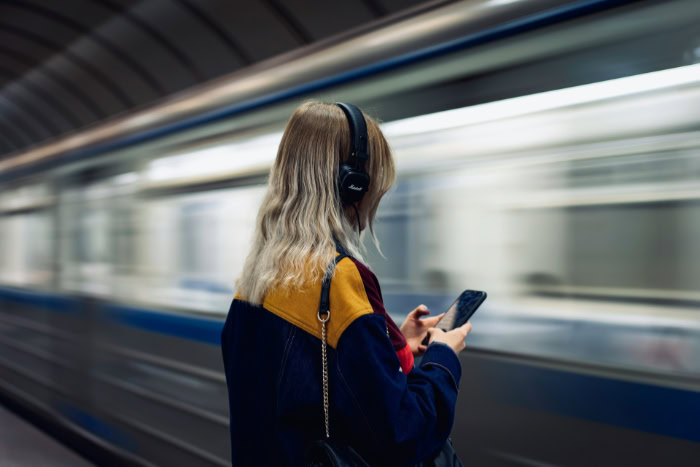
Beyond simply muting the outside world, this audio hardware offers tangible improvements to your daily routine. From boosting your ability to focus to preserving your long-term wellness, the advantages extend far past simple entertainment.
Concentration and Productivity Gains
Finding a quiet place to work is incredibly difficult in open-plan offices or busy households. ANC devices help establish an isolated focus zone, blocking out the background chatter and ambient noise that constantly derail your attention.
By reducing this constant auditory stimulation, you also lower your ambient cognitive overload. Your brain spends less energy processing background distractions, allowing you to maintain deep concentration on your tasks for much longer periods without feeling mentally drained.
Protecting Your Hearing Health
One of the most overlooked benefits of ANC is its impact on auditory health. When you use standard earbuds in a loud environment, your natural instinct is to crank up the volume to drown out the noise around you.
Over time, this habit can lead to permanent hearing damage. By neutralizing the background noise electronically, ANC allows you to listen to your music, podcasts, or phone calls at much lower, safer volume levels.
This significantly reduces long-term auditory fatigue and helps preserve your hearing.
Stress Reduction During Travel and Commutes
Traveling is inherently exhausting, and continuous background noise is a major contributor to that fatigue. The relentless roar of a jet engine or the clatter of a subway train takes a physical toll on your body over several hours.
By silencing these low-frequency rumbles, ANC headphones minimize the physical exhaustion associated with long trips. Additionally, many modern pairs feature a Transparency Mode.
This function uses the external microphones to temporarily pipe outside sounds directly into your ears, allowing you to safely order a coffee or listen to an important transit announcement without removing your headset.
Potential Drawbacks and Considerations

Despite their impressive capabilities, these devices are not perfect. There are several compromises associated with active noise cancellation that you must weigh carefully before making a purchase.
The Price Premium
The technology required to power ANC does not come cheap. High-quality models generally cost significantly more than standard headphones with comparable audio fidelity.
You are paying a premium for the microphones, the processors, and the specialized software algorithms. While budget-tier ANC options exist, you must evaluate if their performance actually justifies the cost.
Often, inexpensive ANC models offer mediocre noise reduction and subpar sound quality, meaning you might be better off investing that same amount of money into a premium pair of traditional headphones.
Battery Dependence and Device Lifespan
Active noise cancellation requires constant electrical power to run its processors and microphones. This power-hungry nature drastically impacts battery life, requiring frequent charging.
Furthermore, you must consider what happens when the battery inevitably dies. While some models allow for continuous audio playback in a passive mode, the sound quality often degrades significantly without the internal digital signal processor actively tuning the audio.
Eventually, the internal lithium-ion batteries will degrade completely over a few years, essentially putting a definitive expiration date on your expensive hardware.
Physical Discomfort and Sensations
Not everyone enjoys the physical experience of wearing ANC headphones. The low-frequency anti-noise signals can create a distinct sensation of pressure inside the ears, similar to the feeling of changing altitudes in an airplane cabin.
Some users find this artificial cabin pressure highly disorienting or even painful during extended listening sessions. Additionally, the physical weight of the built-in electronics and the heavy sealing materials can cause discomfort.
Thick leather ear cups tightly clamped to your head easily trap heat, making your ears sweaty and uncomfortable after just a few hours of use.
Use Cases: Who Benefits the Most?

The true value of this technology depends heavily on your daily environment and lifestyle habits. Certain demographics will find immense utility in these devices, while others may rarely activate the primary features.
The Daily Commuter and Frequent Flyer
People who spend hours in transit are the primary demographic for high-end noise cancellation. Commuters and travelers face a relentless barrage of low-frequency engine drones, track vibrations, and crowded cabin noise.
Because ANC is specifically designed to eliminate these exact types of continuous sounds, frequent flyers will notice an immediate, massive upgrade in their comfort. For this group, the reduction in travel fatigue alone often justifies the high purchase price.
Remote Workers and Office Professionals
Professionals sharing spaces with roommates, family members, or chatty coworkers also benefit greatly from this technology. ANC helps manage distractions in shared environments, allowing workers to maintain focus during complex tasks.
However, for office workers, the ability to block noise is only half the equation. Microphone quality is equally critical for virtual meetings and client calls.
A premium headset must block background noise for the user while simultaneously isolating their voice from ambient room noise so that colleagues can hear them clearly on the other end.
The Casual Listener and Gym-Goer
If your listening habits mostly consist of short walks, gym sessions, or relaxing in a quiet living room, expensive ANC might be unnecessary. Standard earbuds often provide enough passive isolation for a workout, and quiet home environments rarely require electronic noise filtering.
Furthermore, there are genuine safety considerations regarding using active cancellation outdoors. Completely blocking out the sound of approaching vehicles, cyclists, or sirens while walking down a busy street creates a serious hazard.
Comparing the Alternatives

Active noise cancellation is a popular solution, but it is certainly not the only way to achieve peace and quiet. Depending on your budget and specific needs, several alternative options might serve you better than a battery-powered headset.
High-Quality Passive Isolating Earphones (IEMs)
In-ear monitors utilize custom-fit silicone or dense foam tips that insert directly into the ear canal. This creates a tight physical seal that blocks out a massive amount of external noise without requiring any electronic intervention.
Compared to ANC, these earphones completely eliminate battery anxiety. Because all the engineering budget goes toward the audio drivers rather than microphones and processors, in-ear monitors frequently offer superior raw audio fidelity for a fraction of the price.
Dedicated Noise-Reducing Earplugs
If your primary goal is simply to find quietness without needing music or audio playback, high-fidelity earplugs are an excellent alternative. Modern acoustic earplugs use advanced filters to lower the overall volume of your environment evenly, preventing the muffled sensation caused by cheap foam plugs.
They are incredibly cost-effective, require absolutely no power, and are small enough to carry in your pocket at all times.
Standard Closed-Back Headphones
For average domestic noise levels, a well-designed pair of standard closed-back headphones is often sufficient. They offer a comfortable fit and enough physical isolation to muffle household chatter or a television playing in the next room.
If you primarily listen to music at your desk and rarely encounter deafening transit noise, standard closed-back models provide an exceptional listening experience without the premium price tag or the pressurized feeling of active noise cancellation.
Conclusion
Deciding to purchase active noise-canceling headphones ultimately requires weighing the financial cost and battery reliance against your need for quiet focus. If your daily routine involves loud commutes, frequent flights, or a noisy open-plan office, the investment makes perfect sense to reduce auditory fatigue and protect your hearing.
Conversely, if you primarily listen to audio in a quiet home environment or during outdoor workouts where situational awareness is necessary, you might not need the expensive electronic processing. Evaluating your typical environment dictates the true value of these devices.
Ultimately, buying this premium hardware is a lifestyle choice centered around personal wellness and mental clarity. Eliminating constant background noise provides undeniable comfort, but making sure that capability matches your daily habits ensures your money is well spent.
Frequently Asked Questions
Why do my ears feel weird when I turn on noise cancellation?
That sensation is caused by the low-frequency anti-noise waves mimicking a change in atmospheric pressure. Your brain interprets the sudden absence of low-frequency background sound as a pressure drop, similar to taking off in an airplane. Fortunately, this feeling is harmless and often fades with regular use.
Do noise-canceling headphones block out all background sounds completely?
No, they cannot eliminate every single noise in your immediate environment. The internal processors are highly effective at neutralizing low-frequency, continuous sounds like engine rumble or air conditioners. However, sudden or high-pitched noises like a baby crying or a dog barking will still bleed through the audio mix.
Can I use noise cancellation without actually playing any music?
Yes, you can activate the isolation features purely to enjoy silence. Many people wear their headsets while studying or trying to sleep on an airplane without any audio playing. Just keep in mind that the microphones and processors will still slowly drain the internal battery while active.
Will active noise cancellation drain my phone battery faster?
The technology only consumes power from the internal battery located inside the headphones themselves. Your phone or laptop will not experience any additional battery drain beyond the normal Bluetooth connection requirements. Once the headset battery dies, you simply lose the electronic noise filtering until you recharge it.
Are noise-canceling earbuds bad for your hearing over time?
Actually, they actively protect your auditory health by allowing you to listen at lower volumes. Because the technology neutralizes loud background interference, you do not have to turn up your music to dangerous levels. This prevents long-term hearing damage and reduces overall ear fatigue in loud environments.
About the Author: Julio Caesar


