
Are Solar Power Banks Worth It? Behind the Hype

Nothing is more frustrating than watching your phone battery drain to zero when you are miles away from the nearest power outlet. Portable solar chargers promise a brilliant solution to this modern anxiety, offering the lure of infinite, green energy straight from the sun.
These hybrid devices combine a standard backup battery with a tiny built-in solar panel, marketed as a tool for complete off-grid self-sufficiency. However, the physical reality of small photovoltaic cells often clashes with these promotional claims, leading to agonizingly slow recharge times.
While these chargers can provide a critical lifeline during emergencies or extended wilderness trips, they rarely succeed as practical, everyday power sources.
Key Takeaways
- Standard charging is essential: Always fill your power bank using a wall outlet before heading outdoors, as solar generation is only meant as a slow backup.
- Solar capture is highly inefficient: A typical 1W to 2W integrated solar panel requires between 50 and 70 hours of peak, direct sunlight to fully charge a 20,000mAh battery.
- Sun exposure damages batteries: Keeping a lithium-ion power bank in direct, hot sunlight raises temperatures past 113°F, accelerating internal degradation and creating safety hazards like battery swelling.
- Folding panels are faster: If you need reliable solar charging, use a separate 15W to 28W folding panel instead of an integrated single panel, as it charges devices at wall-outlet speeds.
- Rugged specifications matter: Ensure your outdoor power bank has an IP67 rating, which guarantees the device is dustproof and capable of surviving temporary water immersion on the trail.
Technology Overview and Performance Metrics
Solar power banks combine portable battery storage with solar electricity generation. To appreciate how these devices function, one must look at how they harvest sunlight and how that energy is converted into a form that can recharge a smartphone.
Basic Operation of Solar Chargers
A solar power bank operates on a dual-input system. The primary method of filling the internal lithium-ion battery is through a standard wall outlet, just like a traditional portable charger.
The secondary, passive method is via the integrated photovoltaic panel. When exposed to sunlight, the silicon cells in the panel generate a direct current of electricity.
This current passes through internal circuitry designed to regulate the voltage, ensuring it safely matches the parameters of the battery chemistry. The energy is then stored inside the battery cells until a device is plugged in, converting light into usable standby power.
Solar Panel Size and Energy Conversion Rates
The tiny footprint of an integrated solar panel severely restricts its performance. A typical single panel on a pocket-sized power bank measures only a few square inches, limiting its output to between 1 and 2 watts of electricity under ideal conditions.
Modern commercial photovoltaic cells, which are generally made of monocrystalline or polycrystalline silicon, operate at an efficiency rate of roughly 15% to 22%. This means only a small fraction of the sunlight hitting the surface actually converts into electrical current, while the rest escapes as heat or reflected light.
Realistic Charge Time Estimates
To put these conversion rates into perspective, some basic math reveals the vast difference between wall charging and solar charging. A standard 20,000 milliampere-hour (mAh) power bank holds approximately 74 watt-hours of energy.
If an integrated solar panel produces 1.5 watts of power under direct, unobstructed sunlight, it would theoretically take nearly 50 hours of continuous, peak sun exposure to fully charge the battery. When accounting for natural energy loss during conversion, the practical requirement easily stretches past 60 to 70 hours.
By comparison, plugging the same power bank into a standard fast-charging wall socket takes roughly 4 to 6 hours.
Core Limitations and Practical Challenges

While the concept of a self-replenishing battery is appealing, several physical constraints hinder its efficiency. Practical challenges, from restricted physical dimensions to the environmental conditions required for solar capture, dictate how well these devices perform outside a laboratory setting.
Surface Area Constraints of Compact Panels
Physics dictates that the amount of solar energy harvested is directly proportional to the surface area of the panels. Because a handheld power bank is designed to fit inside a pocket or backpack, its surface area is highly restricted.
A single smartphone requires a steady stream of power to charge quickly, but a tiny single-panel charger cannot generate enough current to meet this demand. The panel is simply too small to intercept enough photons, meaning the rate of generation will almost always fall far short of the rate of consumption.
Extreme Heat and Battery Degradation Risk
Lithium-ion batteries are highly sensitive to thermal stress, which presents a major design flaw for solar chargers. To generate power, the solar panel must sit in direct, intense sunlight.
However, this exposure inevitably heats the entire device, raising the internal temperature of the lithium-ion battery cells. Prolonged exposure to temperatures above 113°F (45°C) accelerates the degradation of battery chemistry, permanently reducing its capacity over time.
In worst-case scenarios, extreme heat can lead to battery swelling, thermal runaway, or fire, posing a notable safety hazard.
Reliance on Weather and Climate Conditions
Solar energy collection is highly dependent on ambient weather and geographic factors. Any obstruction, such as light cloud cover, shadows from nearby trees, dust accumulating on the glass, or even window panes, drastically cuts the energy yield of a solar panel.
Seasonal changes also present a hurdle. During winter, the lower angle of the sun and shorter daylight hours mean the panel receives far less direct radiation than it would during a clear summer day, rendering solar collection highly unpredictable.
Ideal Use Cases and Practical Utility
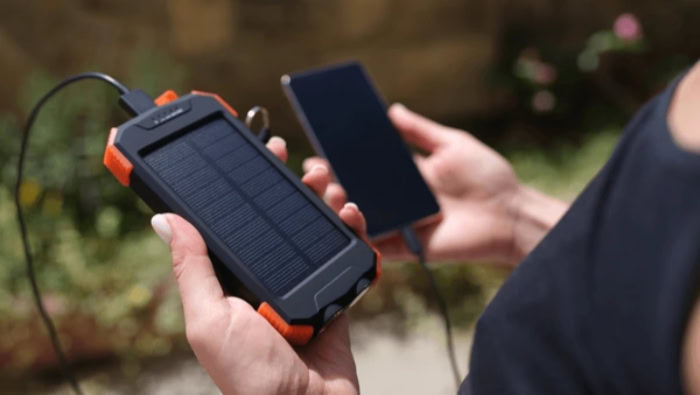
Despite their limitations, solar power banks are not without merit. When expectations are aligned with reality, these devices find practical utility in specific scenarios where standard power grids are unavailable and slow charging is acceptable.
Emergency Preparedness and Off-Grid Backup
During natural disasters, severe storms, or prolonged electrical grid failures, any amount of power can be a critical resource. An integrated solar charger can serve as a dependable backup system when wall outlets are inactive.
Even if it takes several days of sunlight to collect a partial charge, that small amount of power is sufficient to turn on a phone, check emergency broadcasts, or send an SOS message. In these situations, slow energy generation is far better than none at all.
Short Outdoor Trips and Wilderness Excursions
Outdoor enthusiasts who spend multiple days away from civilization can benefit from a solar power bank. Backpackers can strap the device to the outside of their packs during daylight hikes, allowing the battery to slowly collect trickle-charge energy throughout the day.
While this passive collection may not fully replenish the battery, it helps offset the daily power drain of GPS devices, cameras, or trail maps, extending the useful life of the charger over a multi-day trek.
Daily Urban Use and Commuter Utility
For the average city commuter or office worker, the utility of an integrated solar panel is minimal. Those with consistent access to wall outlets, car chargers, and office USB ports will find the solar feature redundant.
The extra weight and bulk of the panel serve little purpose in an environment where fast wall chargers can replenish a phone in under an hour. For daily urban routines, a standard, lighter power bank is far more practical.
Comparison of Off-Grid Power Solutions

Consumers looking for off-grid power must decide between integrated systems and modular alternatives. Comparing these configurations across weight, price, and raw efficiency reveals which setup provides the best return on investment for different situations.
Integrated Solar Units vs. Traditional Power Banks
Integrated solar power banks are generally heavier and bulkier than traditional power banks of the same battery capacity due to the added weight of the photovoltaic panel and protective glass. They also tend to command a price premium over standard models.
Since the solar charging rate is too slow to rely on for regular use, consumers must weigh whether paying extra for a slow backup panel is more beneficial than purchasing a higher-capacity traditional power bank that holds more initial charge.
Detachable Foldable Solar Panels and Battery Combos
A highly effective alternative is pairing a standard power bank with a separate, multi-panel foldable solar charger. These portable folding panels, which typically range from 15 to 28 watts, offer much larger surface areas.
When unfolded, they can charge a power bank or a phone directly at speeds comparable to a wall outlet. The tradeoff lies in the physical footprint and carrying weight.
These folding systems are much larger and heavier, making them less convenient for light travel but far superior for base camps or long-term off-grid stays.
Analysis of Weight, Cost, and Efficiency
When evaluating these systems, hikers and travelers often look at the weight-to-power ratio. An integrated solar power bank is a single unit, which saves space but offers very poor power output per ounce of weight.
Conversely, a separate folding panel and battery bank combination is heavier in a backpack but yields a far better power-per-ounce ratio once deployed in the sun. Economically, while a separate folding panel setup costs more initially, its high efficiency and usability often provide a better long-term return than a cheap integrated unit that fails to provide consistent utility.
Buyer Guide and Crucial Considerations
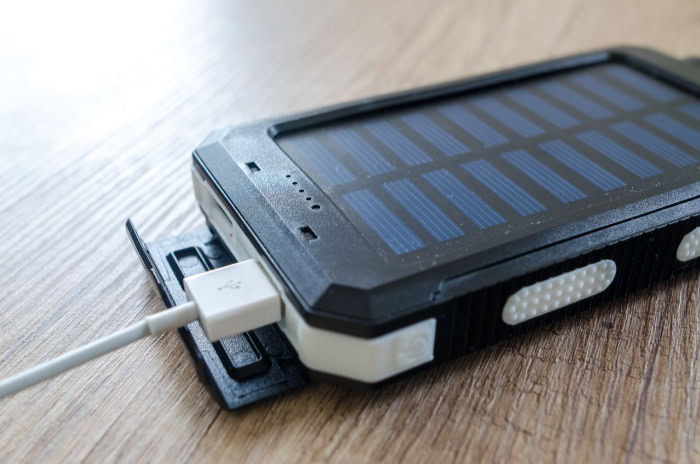
Choosing the right power solution requires a clear view of technical specifications and durability ratings. Evaluating the market involves filtering out inflated marketing claims and matching the physical features of the charger to your planned activities.
Evaluation of Capacity and Rated Output
When purchasing a backup battery, look closely at the battery capacity, usually measured in milliampere-hours (mAh), and the rated output of the ports. A larger capacity allows for more device charges, but it also means the battery will take longer to fill.
Additionally, consider voltage conversion losses. A power bank rated at 10,000mAh will not deliver all 10,000mAh to your phone because energy is lost as heat during the step-up voltage conversion from the internal battery to the USB output.
Expect to lose about 20% to 30% of the rated capacity during transfer.
Importance of Rugged Construction and Weatherproof Seals
Since these devices are intended for outdoor use, structural durability is essential. Check for an Ingress Protection (IP) rating, which indicates how well the casing seals against solids and liquids.
For example, an IP67 rating means the device is dust-tight and can survive temporary immersion in water. Shockproof bumpers and reinforced corner casings are also vital for surviving accidental drops on rocky trails, ensuring the internal battery cells do not crack or short-circuit upon impact.
Price-to-Performance Ratio Analysis
The market is flooded with low-cost solar chargers making unrealistic performance claims, such as fully charging a massive battery in a single afternoon of sun. To prevent disappointment, avoid brands that do not disclose their panel’s wattage or those that advertise impossibly high solar speeds for a single-panel design.
Investing in a reputable manufacturer ensures the battery cells are safe, the solar efficiency matches the stated specs, and the device features built-in thermal protection to minimize heat damage.
Conclusion
Integrated solar power banks offer an undeniable appeal, but their utility is strictly bound by the laws of physics. While they provide an essential source of backup power when grid electricity is entirely unavailable, relying on their tiny panels for standard day-to-day charging is highly impractical.
The slow speeds of small 1W to 2W panels, combined with their extreme sensitivity to weather and heat-induced battery degradation, make them a poor fit for daily routines.
Ultimately, these devices are highly niche products rather than everyday accessories. They belong in emergency preparation kits or strapped to the backpacks of wilderness hikers who need a slow, passive backup to keep critical communication lines open.
For the typical commuter or urban resident with regular access to wall outlets, the added weight, bulk, and financial cost of an integrated panel are simply not justified.
To determine if a solar power bank fits your routine, ask yourself three questions:
- Do you spend more than three consecutive days away from electrical outlets?
- Are you preparing for emergencies where power grid failures could last for days?
- Are you willing to carry the extra weight and manage the heat risks of sun charging?
If you answered yes to these, an integrated solar charger or a separate folding solar setup is a wise addition to your gear. If not, a standard, high-capacity traditional power bank will serve you far more efficiently.
Frequently Asked Questions
How long does it actually take to charge a solar power bank using just the sun?
It generally takes between 50 and 70 hours of direct, peak sunlight to fully charge a standard 20,000mAh solar power bank. Because integrated panels produce only 1 to 2 watts of power, solar charging is incredibly slow. Consequently, you should view solar power as an emergency backup rather than your primary charging method.
Is it safe to leave a solar power bank in the hot sun to charge?
No, leaving a solar power bank in direct, intense sunlight can permanently damage its internal battery. High temperatures above 113 degrees Fahrenheit degrade the lithium-ion chemistry, rapidly reducing the battery capacity. Overheating also presents serious safety risks, including the potential for swelling, battery failure, or fire.
Can I charge a solar power bank through a window?
Yes, you can, but charging a solar power bank through glass is highly inefficient and will take significantly longer. Window glass filters and reflects a large portion of the sun’s rays, which heavily reduces the panel’s electricity generation. For the best performance, place the device outside in direct, unobstructed sunlight.
Are separate folding solar panels better than built-in panels?
Yes, separate folding solar panels are vastly superior in speed and charging efficiency because of their larger surface area. These external multi-panel systems usually generate 15 to 28 watts of power, which charges devices as fast as a standard wall outlet. They are heavier to carry but offer far more practical off-grid performance.
What does an IP67 rating mean on a solar charger?
An IP67 rating means the charger is completely dust-tight and can survive being submerged in water up to one meter deep for thirty minutes. This high level of ingress protection is essential for outdoor gear, protecting the sensitive electronic circuits from rain, mud, and dust on the trail.
About the Author: Elizabeth Baker


