
Cell Phones vs. Smartphones: Major Differences

Carrying a device that does everything often means you end up doing nothing but scrolling. Deciding if you need a high-end mobile computer or just a reliable tool for calls can change how you manage your time and your bank account every single month.
The choice between a basic cell phone and a modern smartphone is no longer just about budget. It is a choice about how much of the internet you want in your pocket.
One device promises total connectivity at the cost of your focus, while the other offers a return to basic utility and massive cost savings. Identifying the technical and financial gaps between these two options allows you to reclaim your attention or maximize your efficiency without overpaying for features you might never use.
Key Takeaways
- Smartphones operate on upgradable platforms like Android and iOS, allowing for continuous software updates and the installation of millions of third-party apps.
- Basic cell phones often provide battery life that lasts for weeks on a single charge because they lack high-resolution touchscreens and constant background data syncing.
- The total cost of a smartphone includes high initial hardware prices, expensive data plans, and repair costs that can reach hundreds of dollars for a single cracked screen.
- Traditional cell phones offer superior physical durability because their plastic casings and smaller screens are less likely to shatter during a fall than glass flagship models.
- Modern network changes mean many older basic phones using 2G or 3G technology may lose signal entirely as service providers shift to 5G and Wi-Fi 6 standards.
Technical Foundations: Operating Systems and Hardware
The internal architecture of a mobile device determines its speed and the scope of what it can accomplish. While a cell phone relies on rigid components for simple tasks, a smartphone functions as a pocket computer with complex software layers.
This difference starts with the operating system and extends to every piece of silicon inside the frame.
The Role of the Operating System
Cell phones typically run on proprietary software that is fixed at the factory. These systems are lightweight and rarely receive updates because they only need to manage basic functions like calls and text messaging.
Smartphones use advanced platforms like iOS or Android. These operating systems receive regular security patches and feature updates; they allow for deep customization and the installation of complex software that changes how the phone operates over time.
Processing Power and Multitasking
A standard cell phone is built for serial tasks. It handles one function at a time, such as sending a text or playing a basic game, with minimal memory.
A smartphone uses multi-core processors and several gigabytes of RAM to handle background processes. This allows a user to listen to music while checking email and receiving GPS directions simultaneously.
The hardware is designed to manage high-speed data throughput and intense graphical demands without crashing.
Input Interfaces
Physical keypads define the traditional cell phone experience. These tactile buttons are reliable for blind typing and resist accidental presses.
In contrast, smartphones utilize high-resolution touchscreens. These displays provide a versatile interface that changes based on the application being used.
While touchscreens offer more screen space for videos and reading, they require more precision and lack the physical feedback of a traditional 12-button layout.
Connectivity and the App Ecosystem

Communication has expanded far beyond voice calls to encompass the vast resources of the internet. The way a device interacts with web data and third-party software defines its place in the modern technological ecosystem.
This connectivity determines how a user consumes media and interacts with their social circles on a daily basis.
Internet Access and Web Browsing
Cell phones often provide limited web access through basic protocols that display simplified, text-heavy versions of websites. These browsers are difficult to use for modern web tasks like online banking or detailed research.
Smartphones offer a desktop-class browsing experience, supporting complex scripts and high-resolution images. This allows users to access the full functionality of any website, from interactive maps to complex professional portals, directly from their pockets.
Application Availability
A standard cell phone functions as a closed system because it only comes with a small set of pre-installed tools. Users are typically limited to what the manufacturer provided, such as a calculator or a basic calendar.
Smartphones thrive on massive app stores that offer millions of third-party options. These applications allow a user to transform their device into a mobile bank, a fitness tracker, or a sophisticated photo editor, providing utility that a basic phone cannot match.
Media and Content Consumption
The way people enjoy music and video depends heavily on the hardware capabilities of the device. Cell phones usually offer basic FM radio or an MP3 player that requires manual file transfers from a computer.
Smartphones are built for the streaming era. They integrate with high-definition video services and music platforms that provide instant access to global libraries of content. Social media integration is also seamless on smartphones, allowing for instant photo sharing and video streaming that basic phones cannot support.
Hardware Reliability: Battery and Durability

Physical resilience and power management are areas where the gap between device types is most visible. One is built for utility and endurance, while the other prioritizes a sleek aesthetic and high-performance screens.
These design choices lead to different experiences regarding how often a device needs a wall outlet or a repair shop.
Battery Longevity
Simple cell phones are remarkably efficient because they lack large, power-hungry displays and constant background data syncing. A single charge can often keep a feature phone active for several days or even weeks.
Smartphones require daily charging because their high-resolution screens and powerful processors consume energy rapidly. Even with modern battery technology, a smartphone rarely lasts more than twenty-four hours under moderate use.
Structural Durability
The materials used in construction dictate how well a phone survives a drop. Basic cell phones often feature plastic casings and small, recessed screens that are less likely to crack.
They are frequently built to withstand rough handling and impact. Smartphones prioritize glass and metal, which look premium but are inherently fragile.
A single fall onto a hard surface often results in a shattered display or damaged internal sensors, requiring expensive protective cases to mitigate the risk.
Network Compatibility
Connectivity standards are shifting as carriers phase out older technology. Many basic phones rely on 2G or 3G networks, which are being deactivated in many regions to make room for faster services.
Modern smartphones support 5G and Wi-Fi 6, ensuring they stay connected as infrastructure improves. Users of older cell phones may find their devices losing signal entirely as service providers move toward these newer, faster standards.
Total Cost of Ownership
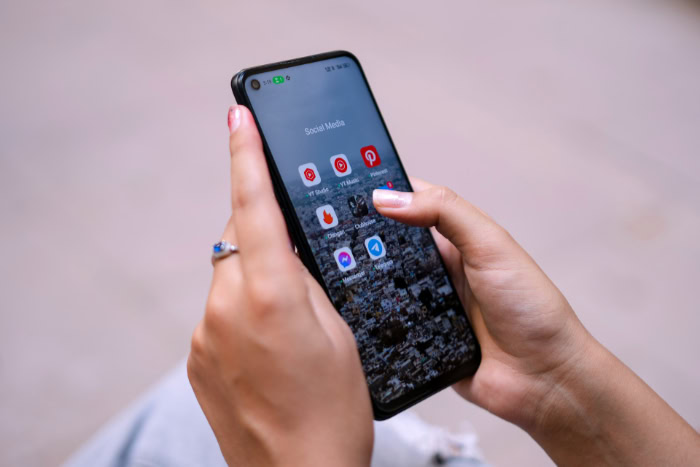
Financial commitments involve more than the price tag on the box. The total cost includes monthly service fees and potential repairs over the life of the device.
Evaluating these costs helps in choosing a device that fits both a budget and a lifestyle.
Initial Hardware Investment
A basic cell phone can be purchased for a small fraction of the price of a flagship smartphone. While a feature phone might cost fifty dollars, a high-end smartphone often exceeds a thousand dollars.
This price difference reflects the advanced cameras, high-speed processors, and premium screen technology found in smart devices. For those who only need communication, the lower entry price of a basic phone is a significant advantage.
Service and Data Plans
Monthly expenses vary based on the required level of connectivity. Cell phones typically operate on talk and text plans that do not include large data buckets, keeping the monthly bill low.
Smartphones require data plans to utilize their full range of features, including streaming and social media. These recurring costs can add up to thousands of dollars over the life of the device, making the smartphone a much larger long-term financial commitment.
Maintenance and Repairability
Repairing a device is often more expensive than the hardware itself in the smartphone market. A cracked screen on a premium device can cost hundreds of dollars to fix due to the integrated nature of the components.
Basic cell phones are often so inexpensive that they are replaced rather than repaired. However, their simple construction also makes them easier to fix at home, as they lack the complex adhesives and delicate internal ribbons found in modern smartphones.
Identifying the Ideal User Profile

Choosing a device requires an honest assessment of daily habits and professional requirements. Different users have conflicting priorities when it comes to technology, and what works for one person might be a hindrance to another.
The Digital Minimalist
Some people choose to step away from constant notifications and the pull of social media. For these individuals, a basic cell phone acts as a tool for a digital detox by removing the distractions of a browser and app store.
This choice promotes focus and reduces screen time. By limiting the device to voice calls and text, the user regains control over their attention and avoids the addictive loops common in modern app design.
Safety and Accessibility
Specific populations benefit from the simplicity of a feature phone. Seniors often prefer physical buttons and loud, clear audio over complex touch interfaces.
Parents might choose a basic phone for children to provide a way to stay in touch without granting unsupervised access to the internet. These devices offer a level of safety and ease of use that is often lost in the complicated menus and settings of a smartphone.
The Connected Professional
For many, a smartphone is a mandatory tool for employment. Professionals who work remotely or travel frequently rely on real-time navigation, document editing, and instant messaging platforms to stay productive.
The ability to join a video call or approve a project from a handheld device is a requirement in many industries. In these cases, the smartphone is not a luxury but a portable office that facilitates global communication and efficiency.
Conclusion
The ultimate value of a mobile device depends entirely on how much weight you place on convenience versus simplicity. While smartphones provide an unmatched suite of tools and global connectivity, they require significant financial investment and constant charging.
Conversely, basic cell phones offer extreme battery life and low costs but lack the essential apps needed for modern professional life. Choosing the right device requires you to audit your daily routine and decide if you want a tool that serves you or a portal that demands your constant attention.
Prioritizing your actual needs over marketing trends ensures you select a phone that supports your lifestyle rather than dictating it.
Frequently Asked Questions
Can I still use a basic cell phone with my current carrier?
Most major carriers still support basic phones, but you must ensure the device is compatible with 4G or 5G networks. Many older models rely on 2G or 3G technology, which service providers are currently shutting down. Check your carrier’s specific bands before purchasing a device to avoid losing signal.
Why do smartphones run out of battery so much faster than old phones?
Smartphones require significantly more power to run high-resolution touchscreens and maintain constant internet connections for background apps. A basic phone only uses power when you actively make a call or send a text. This difference allows simple devices to last for weeks while modern smartphones barely last a day.
Is it cheaper to fix a cracked screen on a smartphone or a basic phone?
It is almost always cheaper to fix or even replace a basic cell phone than to repair a smartphone. Smartphone screens are integrated with complex sensors and high-quality glass that can cost hundreds of dollars to replace. Basic phones use simpler parts that are inexpensive and much easier to swap.
Will a basic cell phone help me spend less time on social media?
Switching to a basic cell phone is one of the most effective ways to reduce your screen time and social media usage. These devices lack the app stores and browsers required to access platforms like Instagram or TikTok. By removing the distraction entirely, you can focus on your surroundings.
Do I need a smartphone for work if I travel a lot?
A smartphone is generally necessary for travelers because it provides real-time GPS navigation, mobile boarding passes, and instant email access. While a basic phone can handle emergency calls, it cannot run the specialized apps required for modern logistics. Most professionals find the connectivity of a smartphone essential for managing schedules.
About the Author: Elizabeth Baker


