
Does Your Smartphone Really Need a Screen Protector? See Why

The sickening thud of a flagship smartphone hitting concrete is enough to make your stomach drop. You likely spent weeks researching the hardware before buying a device that is, despite its price, a fragile glass sandwich.
Manufacturers claim their newest displays are tougher than ever, yet micro-scratches still appear after just one afternoon in a pocket. This creates a conflict between wanting to enjoy the premium materials you paid for and the fear of a permanent crack ruining your trade-in value.
While screen technology has improved, the reality of daily wear remains a constant threat.
Key Takeaways
- Modern smartphone screens are harder than steel keys and coins but can still be easily scratched by quartz and sand found in everyday dust.
- Micro-scratches on a screen act as stress points that significantly increase the likelihood of the glass shattering during a drop.
- Factory-applied oleophobic coatings wear off over several months of use, but a screen protector preserves this smooth feel indefinitely.
- Using a screen protector can save between $200 and $400 in repair costs by absorbing impacts that would otherwise break the primary display.
- Screen protectors help maintain maximum resale and trade-in value by preventing the minor surface wear that secondary markets penalize.
The Science of Modern Smartphone Displays
Modern mobile displays are the result of intense material engineering designed to survive the rigors of daily life. Manufacturers work closely with glass specialists to create substrates that can withstand high-impact drops while maintaining perfect optical clarity.
This engineering process involves a chemical exchange where smaller ions in the glass are replaced with larger ones to create a compressed surface layer.
Glass Engineering and Material Trade-offs
Materials like Gorilla Glass and Ceramic Shield are designed to be incredibly tough, but this toughness comes with a compromise. In the world of glass engineering, there is a constant tension between shatter resistance and scratch resistance.
To make a screen less likely to crack when dropped, the glass must be somewhat flexible and soft. However, softer glass is much easier to scratch.
Conversely, extremely hard glass that resists scratches is often brittle and more likely to shatter upon impact.
Hardness and the Mohs Scale
The Mohs scale measures the scratch resistance of various minerals from one to ten. Most modern smartphone screens sit at a level six, with deeper grooves appearing at a level seven.
This rating explains why common metal items like house keys, coins, and pocket knives usually do not leave marks on a screen. These steel objects typically fall between a five and a five and a half on the scale, meaning they are technically softer than the glass itself.
Factory-Applied Oleophobic Coatings
Every new smartphone comes with a factory-applied oleophobic coating. This thin layer of fluoropolymer is designed to repel oils from your skin, which keeps fingerprints to a minimum and allows your finger to glide smoothly across the surface.
This coating is not permanent; it naturally wears down through friction as you use your phone. Without a protector to take the brunt of this friction, the coating usually disappears within several months, leaving the screen feeling “sticky” and making it harder to wipe away smudges.
Identifying Invisible Threats to Your Screen
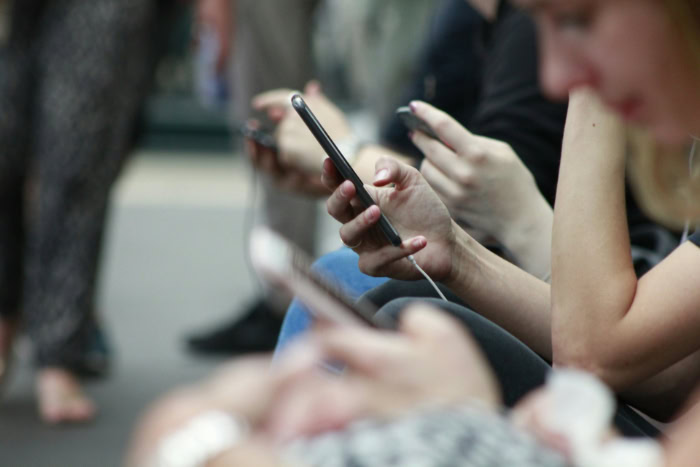
Even if you never drop your phone or keep it in a pocket with your keys, your screen is under constant threat from the environment. The most significant damage often comes from materials that are so small they are difficult to see with the naked eye.
These microscopic enemies are far more common than most users realize.
The Danger of Micro-Particles
The primary cause of screen scratches is not metal, but common minerals found in dust and dirt. Sand, silt, and quartz are everywhere, including the lint in your pockets or the bottom of a bag.
Quartz sits at a seven on the Mohs scale, making it harder than the glass on any standard smartphone. When a tiny grain of sand gets caught between your screen and another surface, the pressure concentrated on that tiny point creates a permanent scratch that no cleaning cloth can remove.
Structural Vulnerability and Stress Points
Scratches are more than just a cosmetic annoyance; they represent a significant threat to the structural integrity of the device. A scratch acts as a “stress riser” or a score line in the glass.
When a phone is dropped, the force of the impact travels through the screen. If that force encounters a pre-existing scratch, the glass is much more likely to fail and shatter at that specific point.
A screen with several deep scratches has a much lower chance of surviving a fall than a pristine display.
The Cumulative Effect of Surface Wear
Over months of use, a phone screen accumulates thousands of microscopic abrasions. While these might not be visible as individual lines in dim lighting, they have a cumulative effect on the display quality.
This wear results in a hazy or “milky” appearance when viewed under direct light. This degradation reduces the contrast and vibrancy of the panel, meaning you are no longer seeing the high-quality image that the manufacturer intended.
Impact on User Experience and Functionality

Adding an extra layer to your device is a trade-off that affects how you interact with your phone every day. While protection is the goal, it can sometimes come at the expense of the premium feel or the advanced features that make flagship phones expensive.
Tactile and Visual Feedback
The choice between tempered glass and plastic film significantly alters the feel of the device. Tempered glass is the preferred option for many because it retains the cool, smooth touch of the original display.
Plastic films, while thinner and less intrusive, often feel rubbery or “tacky,” which can interfere with the fluid motion of swiping. High-quality glass protectors maintain the original brightness of the screen, whereas cheaper plastic options can occasionally cause a slight rainbow effect or distortion.
Biometric Interference and Sensors
Many modern smartphones use in-display fingerprint sensors that are either optical or ultrasonic. These sensors are calibrated to work through the specific thickness of the factory glass.
Adding a third-party protector can introduce an air gap or extra density that prevents the sensor from reading your fingerprint correctly. This often results in a higher failure rate, requiring the user to press harder or re-register their fingerprints after the protector is installed.
Anti-Reflective Properties
Flagship devices often feature specialized anti-reflective coatings that make the screen easier to see in direct sunlight. These coatings are engineered into the top layer of the glass to reduce glare without affecting color.
When you apply a standard glossy screen protector, you are placing a highly reflective surface on top of that technology. This effectively cancels out the advanced engineering of the phone and can make it nearly impossible to read the display when you are outdoors.
The Economic Argument for Protection

A screen protector is best viewed as a form of hardware insurance. For a small upfront cost, you are protecting one of the most expensive and vital components of your mobile device.
Cost Analysis of Repairs
A high-quality tempered glass protector typically costs between $10 and $40. In contrast, the cost to replace a damaged OLED panel on a modern flagship can range from $200 to over $400 depending on the model.
For users who do not pay for monthly insurance plans, a screen protector is a one-time investment that provides a massive return if it prevents even a single crack. It turns a potential multi-hundred-dollar repair into a simple $20 replacement.
Preserving Resale and Trade-In Value
The secondary market for smartphones is incredibly sensitive to condition. When it comes time to trade in your device or sell it on a third-party site, even minor surface scratches can lead to a “Good” rating instead of “Mint,” which can shave $50 to $100 off the value.
By using a protector from day one, you ensure the screen remains in factory condition. This allows you to command the highest possible price when you are ready to upgrade to a newer model.
The Sacrificial Layer Strategy
The most practical benefit of a screen protector is that it is a sacrificial layer. It is designed to take the damage so your phone does not have to.
If your protector becomes scratched, chipped, or covered in oil, you can simply peel it off and put on a fresh one. This instantly restores the “new phone” feel and appearance, which is a much more convenient and affordable way to maintain your hardware than living with a permanent mark on the actual display.
Determining Your Individual Risk Profile

There is no universal answer to whether a screen protector is necessary. The decision depends heavily on how you use your phone, where you take it, and the physical design of the hardware itself.
Environmental Considerations
Think about where your phone spends most of its time. If you work in an office and keep your phone on a desk or in a clean pocket, your risk of scratching is relatively low.
However, if you are frequently at the beach, work in construction, or often throw your phone into a bag with other items, the risk of quartz-driven scratches increases dramatically. Your local environment is the biggest factor in determining how quickly your screen will degrade without protection.
The Role and Limits of a Phone Case
Many people assume a sturdy case is enough to protect the screen. Most cases feature a “raised lip” that keeps the glass from touching flat surfaces when placed face down.
While this helps during a flat fall onto a kitchen floor, it provides zero protection against an impact on an uneven surface like a gravel path. It also does nothing to prevent micro-particles from rubbing against the screen while the phone is in your pocket.
Hardware Choice and Device Design
The physical shape of your phone influences how well a protector will work. Flat displays are easy to protect, as the glass fits perfectly from edge to edge.
Devices with curved edges present a challenge; many protectors struggle to adhere to these curves, leading to peeling or reduced touch sensitivity at the borders. If you own a device with a curved screen, you must be more selective about the type of protection you choose to ensure it does not ruin the sleek design of the hardware.
Conclusion
The decision to use a screen protector is no longer a mandatory step for every user. While early mobile screens were prone to damage from almost any contact, modern materials have shifted the accessory into a lifestyle-dependent category.
If you work in a controlled environment and prioritize the tactile feel of the original glass, you might choose to go without. However, if you view your phone as a financial asset to be traded in later, the added layer remains a practical necessity.
Finding a balance means acknowledging that while your phone is tougher than it used to be, it is not invincible. The most effective approach is to match your level of protection to your personal daily habits and your long-term financial goals for the device.
Frequently Asked Questions
Do I really need a screen protector if my phone has Gorilla Glass?
Yes, because even the strongest Gorilla Glass is susceptible to scratches from common minerals like sand. While these screens are great at surviving drops, they can still be permanently marked by microscopic particles in your pocket. A protector acts as a sacrificial layer to keep the original surface in perfect condition for years.
Will a screen protector make my fingerprint sensor stop working?
It might, especially if you use a thick tempered glass protector with an ultrasonic or optical in-display sensor. Some protectors are specifically designed to be compatible, but you should always re-register your fingerprints after the installation to improve accuracy. Cheap or poorly fitted protectors are the most common cause of sensor failure or lag.
Can I just use a case with a raised edge instead?
A raised-edge case protects against flat drops, but it cannot prevent scratches from dust or debris. Since a case does not actually cover the glass, micro-particles can still rub against the screen while the phone is in your bag or pocket. For total security, combining a case with a screen protector is the safest strategy.
Is there any difference between cheap and expensive screen protectors?
Expensive protectors typically offer better clarity, smoother oleophobic coatings, and easier installation kits compared to budget options. While both will prevent scratches, premium versions are more likely to preserve the original look and feel of your display. They also tend to have better adhesive that prevents annoying bubbles or lifting around the edges.
How often should I replace my screen protector?
You should replace your screen protector as soon as it becomes cracked, heavily scratched, or starts peeling at the corners. These imperfections can interfere with touch sensitivity and make the display look hazy under direct light. Swapping out a damaged protector is a fast and affordable way to make your phone feel brand new again.
About the Author: Julio Caesar


