
Fast Charging vs. Wireless Charging: Which Is Better?
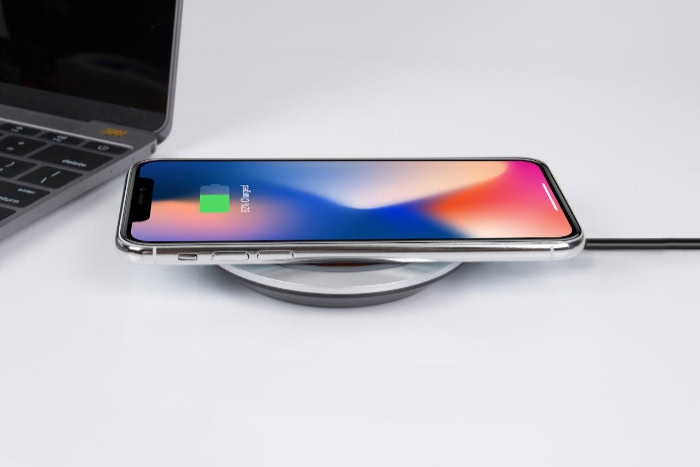
Smartphone power methods have transformed over the past decade. Basic wall plugs have given way to high-wattage adapters capable of rapid energy restoration, while cordless charging pads provide an attractive, clutter-free alternative for desks and nightstands.
This shift presents consumers with a practical choice. High-output wired connections can replenish a depleted battery within minutes, yet cordless stands offer effortless placement without messy cables.
Finding the ideal option involves reviewing how power transfers, assessing total electrical efficiency, tracking heat impact on battery health, and considering physical usability. A close look at both technologies will help you select the right balance of speed and convenience for your daily device habits.
Key Takeaways
- High-output wired adapters (20W to 120W+) replenish a battery from 0% to 50% in roughly 15 to 20 minutes, whereas standard 15W cordless pads take 45 to 60 minutes for the same jump.
- Direct cable connections provide 85% to 95% electrical transfer efficiency, while cordless pads operate at only 60% to 75% efficiency because lost energy escapes across the air gap as heat.
- Fast wired power does not inherently destroy batteries, but the ambient heat generated by cordless charging can accelerate chemical wear unless the station features active cooling fans.
- Standard protective phone cases thinner than 0.12 inches (3 mm) work seamlessly with inductive chargers, but thick armor, wallet cases, or metal attachments block magnetic fields.
- A practical setup pairs a versatile multi-port USB-C wall charger for rapid daytime top-ups and travel with a cordless base on your desk or nightstand for steady, passive replenishment.
Technical Architecture of Modern Power Delivery
Power delivery relies on moving electrical current from a main electrical supply into a portable battery. Modern consumer electronics use two distinct physical methods to accomplish this transfer: conductive wired lines and magnetic induction fields.
Mechanisms of High-Wattage Cable Connections
Direct cable connections rely on physical contact between conductive pins. Modern hardware predominantly utilizes the USB-C standard, which features symmetrical pins designed to handle elevated electrical loads safely.
Inside the cable, dedicated copper wires transfer positive and negative current directly to the internal circuitry of the device.
Before high levels of electricity flow, the connected devices initiate a digital handshake. Using standards such as USB Power Delivery (USB-PD) or Programmable Power Supply (PPS), the wall adapter communicates directly with the phone.
They evaluate battery status, temperature, and hardware limits to negotiate an optimal voltage and amperage. The adapter can raise voltages from a standard 5V up to 9V, 15V, or 20V, adjusting power flow continuously as the device battery fills.
Principles of Inductive Magnetic Coils
Cordless power systems replace copper contact pins with magnetic fields. The charging base contains a flat copper wire coil, known as the transmitter.
When electricity flows through this coil, it generates a fluctuating magnetic field extending outward a few millimeters.
The mobile phone houses a matching receiver coil beneath its back panel. As this coil passes through the magnetic field, the invisible field induces an alternating electric current within the phone.
Internal electronics then convert this alternating current into direct current, directing it into the battery cells. Industry standards like Qi and Qi2 manage this process by establishing operating frequencies and using magnetic rings to align both coils for reliable energy transfer.
Hardware Requirements for Optimal Operation
Achieving top charging performance requires matching accessories throughout the entire electrical chain. A high-wattage wall adapter cannot deliver rapid speeds if connected through a low-capacity cable.
For high-output wired charging, users need cables rated for 3A or 5A, paired with adapters that support the specific fast-power protocol of the phone.
Cordless setups introduce additional hardware considerations. Open universal platforms like Qi2 operate reliably at 15W across various phone brands, but reaching speeds from 50W to 80W requires proprietary hardware.
These high-speed systems rely on customized stands with specialized pin arrangements, paired with brand-specific wall plugs that provide extra power overhead.
Performance Metrics and Electrical Efficiency

Comparing wired and cordless systems involves measuring how rapidly electrical current enters the battery and how much power disappears along the way. Differences in raw wattage, transfer speed, and energy waste determine how these two technologies perform during daily use.
Variations in Wattage and Replenishment Time
Wired wall adapters consistently provide higher wattage ratings than cordless pads. Common fast-charging bricks deliver between 20W and 120W, with select specialty devices drawing even more power.
In contrast, standard magnetic pads provide 15W to 25W, while specialized manufacturer docks can reach up to 80W.
These wattage differences translate directly into replenishment times. A 65W wired charger can push a depleted 5,000mAh battery from 0% to 50% in roughly 15 to 20 minutes, completing a full cycle in under 45 minutes.
A mainstream 15W cordless pad generally requires 45 to 60 minutes to reach 50%, often taking 2 to 2.5 hours to finish a complete replenishment cycle.
Power Loss Across Air Gaps and Cables
The physical medium carrying the electrical current plays a direct role in overall efficiency. Direct copper cables achieve transfer efficiencies between 85% and 95%, with minimal electrical resistance along the wire.
Cordless systems face greater resistance because electricity must bridge an air gap. Energy conversion from electrical current to magnetic field, and back to electrical current, results in significant transmission loss.
Most cordless pads operate with an efficiency between 60% and 75%. Over months of daily use, this loss increases household electricity consumption, requiring more grid power to deliver the exact same amount of battery charge.
Thermal Waste and Energy Consumption
Energy that fails to enter the battery does not vanish; it converts directly into thermal energy. In cordless setups, inefficient energy transfer creates ambient warmth that radiates through both the charging station and the back of the phone.
This dynamic forces the power station to pull substantially more electricity from the wall outlet than reaches the battery. For instance, a base station delivering 15W to a smartphone may draw 20W to 25W from the wall socket.
Wired connections produce far less thermal waste per watt delivered, ensuring that almost all power drawn from the electrical outlet feeds directly into battery replenishment.
Battery Longevity and Thermal Impact

Lithium-ion batteries rely on delicate chemical balances that react strongly to environmental conditions. Maintaining long-term battery health requires balancing replenishment speed against internal heat accumulation and electrical tension.
Stress Factors for Lithium-Ion Cells
Lithium-ion batteries experience physical degradation through two primary stressors: sustained heat and high electrical voltage. Maintaining a battery at 100% saturation for extended periods, or allowing it to discharge completely to 0%, causes mechanical strain on the internal electrodes.
Rapid wired power often receives blame for accelerating battery wear, but speed alone is not the primary culprit. Device batteries degrade primarily when high power delivery occurs alongside excessive internal temperatures.
Modern smartphones mitigate this by only accepting high wattages during the lower portion of the battery cycle, minimizing prolonged electrical strain.
Heat Dissipation Across Different Form Factors
Heat management differs significantly between wired and cordless configurations. During wired power delivery, much of the heat remains concentrated inside the external wall adapter rather than the phone body.
The phone experiences brief internal warming during the highest-wattage burst, but dissipates this warmth quickly through its chassis.
Cordless pads generate constant heat directly beneath the phone glass throughout the entire session. Because the phone rests flat against the warm pad, heat becomes trapped between the two surfaces.
Mainstream pads rely entirely on passive cooling, which can elevate battery temperatures for hours. In contrast, high-speed 50W to 80W wireless stands incorporate miniature active cooling fans to blow air across the back panel, keeping temperatures within safe operational limits.
Built-In Protection Protocols and Safety Limits
Modern charging hardware employs multi-stage protection systems to prevent battery damage. As a phone reaches roughly 80% capacity, internal software throttles power input down to a trickle.
This deliberate slowdown prevents excess heat and preserves battery cells during the final stages of the charge cycle.
Safety mechanisms also protect against external risks. Inductive chargers include foreign object detection, which immediately cuts power if metal items like coins, keys, or foil wrappers land on the base.
Furthermore, thermal sensors in both the phone and the charger automatically interrupt electrical flow if operating temperatures exceed safe thresholds.
User Experience and Daily Ergonomics

Technical specifications tell only half the story; physical interaction shapes how comfortable a charging method feels over time. Ergonomics, hardware wear, and protective accessories all impact daily device ownership.
Device Accessibility During Power Cycles
Wired connections provide continuous handheld utility while the battery fills. A user can comfortably hold the phone, send messages, browse applications, or answer phone calls while tethered to a cable of 6 feet (1.8 meters) or longer.
Traditional wireless pads restrict device usage. Removing the phone from a flat surface halts the power transfer entirely, making simultaneous use awkward.
Magnetic options like Qi2 improve this experience by locking the charger puck to the phone chassis, allowing users to handle the handset without interrupting the electrical connection.
Port Durability Versus Magnetic Convenience
Plugging in a physical cable creates mechanical friction over time. Repeated insertions can loosen the internal USB-C port, and pocket lint or dust accumulation inside the connector can prevent a solid connection.
Cordless systems eliminate physical port strain completely. Users can place a phone onto a dock with one hand, without fumbling for cables in dark rooms or worrying about bent connector pins.
This drop-and-go convenience protects the external port for situations where physical data transfer or wired audio becomes necessary.
Protective Case Thickness and Alignment Precision
Protective cases heavily influence how well cordless systems function. Standard cases thinner than 0.12 inches (3 mm) made of silicone or plastic usually permit magnetic induction without issues.
However, thicker protective armor exceeding 0.2 inches (5.1 mm), integrated wallet slots containing credit cards, or metal kickstands can block magnetic fields entirely.
Alignment also poses a practical challenge on traditional, smooth pads. If a phone rests even 0.5 inches (1.3 cm) off-center from the internal coil, power transfer rates drop sharply or fail to start.
Magnetic mounting rings solve this issue by snapping coils into precise alignment every time.
Practical Scenarios and Selection Strategy

Selecting the best power method depends on your location, your schedule, and the amount of time available. Evaluating everyday routines helps determine where fast cables or cordless pads serve you best.
Urgent Battery Top-Ups for Active Lifestyles
Busy routines often demand fast power recovery in narrow windows of time. When preparing to leave home with only 10 to 15 minutes before an appointment, a high-wattage wired adapter provides unmatched utility.
A fast-charging cable can pump substantial energy into a battery during a quick morning shower or breakfast routine. Cordless pads cannot supply equivalent energy within such short timeframes, making high-output wired chargers the superior choice for time-sensitive replenishment.
Overnight Bedside and Workstation Setups
Speed is rarely important while sleeping or working at a desk for extended periods. During seven or eight hours of rest, a steady 15W wireless dock comfortably restores full battery capacity without exposing the device to aggressive current spikes.
On a work desk, a cordless stand holds the phone upright, allowing glanceable notifications while maintaining a steady charge throughout the workday. Replacing tangled cables with a single sleek pad also keeps bedside tables and work surfaces organized and clutter-free.
Portability and Travel Considerations
Packing gear for travel requires minimizing weight and maximizing versatility. A single multi-port 65W or 100W USB-C wall adapter can charge a phone, a tablet, and a laptop using one compact brick.
Cordless pads are less practical for mobile lifestyles. A wireless pad still requires its own separate cable and wall adapter to function, creating extra bulk in a travel bag without offering universal utility for larger electronics like laptops.
For travel, minimalist wired kits remain the lighter, more versatile choice.
Conclusion
Rapid wired power and cordless charging meet two distinct daily needs. High-wattage cable connections deliver unmatched transfer speed, high electrical efficiency, and full freedom to handle your phone while tethered.
In contrast, wireless charging eliminates cable clutter, prevents physical wear on fragile USB ports, and provides seamless drop-and-go convenience. Rather than choosing only one method, a hybrid strategy works best for daily life.
Keep a high-output wired charger ready for quick battery boosts before leaving home, and place a cordless dock on your nightstand or work desk for steady, passive power throughout the day.
Frequently Asked Questions
Does wireless charging damage your phone battery faster?
Wireless charging can degrade your battery slightly faster if it generates excessive, unmanaged heat over long periods. While modern phones throttle power to protect internal components, resting flat on a warm inductive pad exposes the battery to sustained thermal stress. Using a well-ventilated or magnetically aligned stand minimizes this risk significantly.
Why does my phone get warm on a wireless charging pad?
Your phone becomes warm because transferring electricity across an air gap creates unavoidable electromagnetic resistance. Unlike physical cables, inductive coils lose between 20% and 40% of their energy as radiant heat during transmission. This heat collects directly between the charging pad and the glass back of your device during power delivery.
Can I charge my phone wirelessly with a case on?
Yes, wireless charging works through most standard plastic or silicone cases thinner than 0.12 inches (3 mm). However, extra-thick rugged cases, integrated pop-up grips, kickstands, and wallet attachments containing credit cards will block the magnetic signal. For reliable charging, remove any metal accessories or magnetic cards before placing the handset down.
Is fast wired charging more energy efficient than wireless charging?
Yes, fast wired charging is significantly more efficient than wireless alternatives. Direct cable connections transfer roughly 85% to 95% of electrical power straight from the wall into your battery. In contrast, cordless pads lose approximately 25% to 40% of their energy to air resistance and heat, drawing more electricity from your wall outlet.
Can I use my phone while it is charging wirelessly?
You can only use your phone easily if you have a magnetic puck or an upright charging stand. Flat charging pads require the device to remain motionless and face-up on the surface. Magnetic chargers like Qi2 snap firmly onto the phone back, allowing you to hold and operate the device during power transfer.
About the Author: Elizabeth Baker


