
Is Amazon Prime Worth It? Let’s Do the Math

Monthly subscription charges quietly chip away at your bank account, making it hard to track if you are actually getting your money’s worth from every automatic renewal. Amazon Prime stands out as a major annual expense, requiring a substantial upfront commitment in exchange for a promise of unparalleled convenience.
But as membership rates climb and digital entertainment benefits shift behind ad-supported walls, the actual utility of those fast shipping labels is no longer guaranteed. Deciding to maintain or cancel the service requires looking beyond the immediate charm of fast shipping.
Key Takeaways
- Standard Prime costs $139 annually or $14.99 monthly, meaning the annual plan saves you about $40 per year if you use the service continuously.
- Eligible college students pay a reduced rate of $7.49 monthly, while low-income individuals receiving government assistance can access the service for $6.99 monthly through Prime Access.
- Non-members can bypass the subscription fee entirely and still receive free standard shipping by bundling their orders to meet a $35 minimum threshold.
- Removing advertisements from Prime Video requires an extra surcharge of $4.99 per month, which raises the effective cost of ad-free streaming.
- Standard shipping for non-members averages $7 per order, meaning you must place at least 20 small orders annually to justify the $139 membership fee.
Membership Price Structures and Discount Options
The decision to invest in a subscription service begins with a close look at the bottom line. Balancing your immediate cash flow against long-term savings is essential when evaluating if a yearly commitment makes financial sense.
By breaking down the standard costs and identifying who qualifies for discounted rates, you can easily determine if the service fits into your household budget.
Standard Monthly and Annual Rates
For most consumers, the choice comes down to two main payment options. The standard monthly plan costs $14.99, which offers maximum flexibility and allows you to cancel at any time.
However, paying month-to-month over a full year totals nearly $180. Alternatively, selecting the annual plan requires a single upfront payment of $139.
This annual model saves you about $40 over twelve months, making it the more economical choice if you plan to use the benefits year-round. If you only need fast shipping for holiday shopping or a temporary move, the monthly tier works well, but regular shoppers will find the yearly plan far more cost-effective.
Reduced Rates for Students and Low-Income Groups
Substantial discounts exist for specific demographics, making the membership much more accessible. College students and young adults aged 18 to 24 can sign up for Prime Student, which starts with a six-month trial.
After the trial period ends, the cost is $7.49 per month or $69 per year, which is a 50 percent discount compared to standard pricing. To qualify, you must verify your age or provide a valid academic email address.
Meanwhile, individuals receiving qualifying government assistance, such as Medicaid or EBT, can access Prime Access. This program reduces the price to $6.99 per month and runs on a month-to-month basis.
These targeted rates ensure that lower-income households and young adults can access the same shipping and digital perks without paying full price.
Account Access Division via Amazon Household
You do not have to purchase multiple memberships to keep a family connected. Through Amazon Household, a single subscription can be shared among different family members to split the overall cost.
The program allows two adults, up to four teens, and up to four child profiles to link under one account. The two adults can share delivery benefits, Prime Video streaming, and other digital perks while maintaining separate login credentials and payment methods.
This structure ensures your personal search history and payment details remain private while effectively cutting the annual cost of the membership in half for the household.
Delivery Services and Logistics
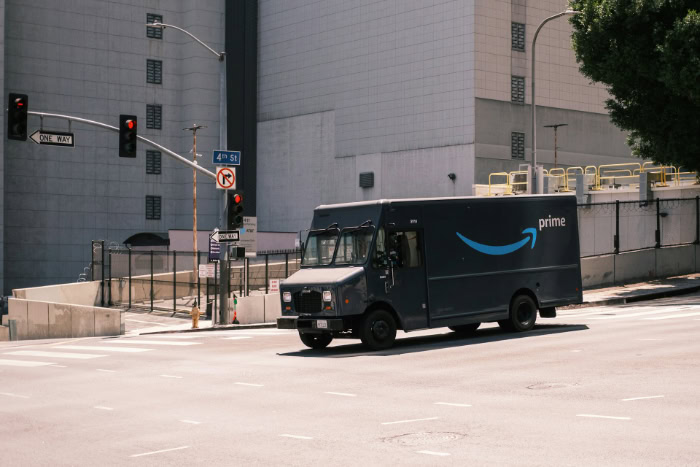
Fast delivery remains the primary reason millions of people maintain a subscription. The convenience of receiving household goods, tech accessories, or apparel on your doorstep within hours is highly appealing.
However, realizing the true value of these logistics requires looking at the actual speed of transport, comparing it to what non-members receive, and accounting for where you live.
Speed and Reliability of Expedited Transport
Membership unlocks access to fast delivery tiers, including same-day, one-day, and two-day shipping on millions of items. In many urban locations, placing an order in the morning means the package arrives before dinner, provided the total checkout cost meets a minor threshold, typically $25.
While two-day delivery is the standard baseline, the transit window has tightened significantly in populated areas. This rapid turnaround is highly convenient when you need last-minute gifts, emergency household replacements, or everyday essentials without making a physical trip to a local retail store.
Threshold for Free Delivery for Non-Members
It is a common misconception that you must be a member to get free shipping. Non-members can qualify for free standard shipping by spending at least $35 on eligible items per order.
If your basket consists mostly of books, the minimum threshold drops to $25. The tradeoff is speed; these orders are processed with lower priority, and delivery times typically range from five to eight days.
For casual shoppers who do not mind waiting a week for their orders and can consistently group their purchases to exceed the $35 minimum, the subscription fee becomes much harder to justify.
Regional Variations in Service Quality
Delivery speed and reliability are not uniform across the country. Your geographic location heavily dictates if you receive the promised shipping windows.
In major metropolitan areas, proximity to massive fulfillment centers and dedicated delivery fleets makes same-day and one-day transit highly reliable. Conversely, in rural or suburban regions, the logistics chain relies more on third-party carriers, which often pushes delivery times back to three or four days.
If you reside far from a major distribution hub, you may find yourself paying full price for standard transit times, significantly reducing the utility of the membership.
Digital Media and Entertainment Benefits

Beyond shipping, the subscription bundles a massive suite of digital entertainment services. Access to movies, television series, music, and gaming perks is intended to replace or supplement other standalone streaming subscriptions.
Evaluating if these digital perks are worth your money depends on how frequently you use them and how much you are willing to pay to avoid interruptions.
Prime Video Catalog and the Ad-Free Surcharge
The included streaming catalog offers a vast selection of popular movies, television shows, and live sports events like Thursday Night Football. However, the standard viewing experience now includes limited commercial breaks.
To remove these advertisements, you must pay an additional surcharge of $4.99 per month to upgrade to Prime Video Ultra. This premium tier not only eliminates ads but also unlocks 4K resolution, Dolby Atmos sound, and expands the download limit for offline viewing.
Without this extra monthly fee, viewers are restricted to high-definition video accompanied by periodic commercial interruptions, which may frustrate those accustomed to premium ad-free services.
Music and Book Access Limits
The bundled audio and reading libraries are extensive but come with notable restrictions. Members get access to a music library containing 100 million songs, yet you can only play them in shuffle mode rather than selecting specific tracks on demand.
For full control, you must upgrade to a separate music subscription. Similarly, Prime Reading offers a rotating selection of thousands of digital books, magazines, and comics.
While it is a great benefit for casual readers, avid bookworms will find the selection limited compared to standalone digital libraries, which offer unlimited access to millions of titles for an extra monthly cost.
Digital Game Perks and In-Game Loot
For gaming enthusiasts, the subscription offers monthly benefits through its gaming portal. Members can claim a rotating lineup of free PC games each month, which remain yours to keep permanently.
Additionally, the service provides exclusive in-game content, such as cosmetic upgrades, virtual currency, and boost packs for popular multiplayer titles. A final benefit includes a free monthly channel subscription on the Twitch streaming platform, allowing you to support your favorite content creators directly.
If you actively play major PC and console games, these recurring perks can easily offset a portion of your annual fee.
Retail Events and Lifestyle Perks

The overall value of a membership extends beyond standard logistics and digital media. A massive part of the service’s appeal lies in exclusive shopping events and partners that offer lifestyle advantages.
From targeted discounts on weekly grocery bills to secondary savings on dining out and healthcare, these perks can help active subscribers recover the cost of the annual fee.
Member-Exclusive Deals and Annual Sales
The most prominent shopping event of the year is Prime Day, a major multi-day sale that typically takes place twice a year, offering steep discounts across almost every product category. Members also get early access to lightning deals, which are highly discounted items available in limited quantities for short windows of time.
These deals frequently sell out before non-members ever get a chance to see them. Additionally, the platform provides members-only coupons that apply directly at checkout, offering a continuous trickle of extra savings throughout the year on daily essentials.
Grocery Benefits at Whole Foods Market
For those who shop at Whole Foods Market, the membership integrates directly with your grocery run. Scanning your Prime app at the register unlocks an extra 10 percent off sale items, alongside special yellow-sign deals on seasonal goods and premium cuts of meat.
However, if you prefer to have your groceries delivered, there is a flat fee to consider. While pickup is generally free on orders over a certain amount, direct-to-home grocery delivery now carries a service fee of $9.95, which means the perk is far more valuable for in-store shoppers than those relying on home delivery.
External Partnership Discounts (Grubhub and Pharmacy Discounts)
To sweeten the deal, the subscription includes valuable external partnerships. Members receive a free year of Grubhub+, which waives the delivery fee on food orders over $12 at participating restaurants.
For health savings, the Amazon Pharmacy program offers RxPass, a benefit that allows members to get as many eligible generic medications as they need for a flat $5 monthly fee. This program covers common drugs for conditions like high blood pressure and anxiety, offering significant savings for individuals managing chronic health conditions without comprehensive insurance.
Evaluation Framework and Competitor Alternatives

Determining if a subscription belongs in your household budget requires a systematic look at your actual behavior. Rather than accepting the fee as an unavoidable cost of modern life, you can use simple math and direct retail comparisons to find the most logical path.
By treating your membership as a utility with an expected return on investment, you can avoid paying for benefits you do not actually use.
The Breakeven Formula for Deliveries
To calculate if the membership is financially sound, you can use a simple delivery-based breakeven formula. Standard shipping for non-members on orders below the free-delivery threshold typically costs around $7 per shipment.
Dividing the annual membership cost of $139 by this $7 average shipping fee reveals that you need to place at least 20 small orders a year to break even on shipping costs alone. If you regularly place fewer than 20 orders annually, or if you consistently bundle your items to meet the free-delivery minimum for non-members, you are likely losing money on the annual subscription.
Comparison with Walmart Plus and Target Circle
If you decide a shopping membership is necessary, you should compare the service against its main competitors. Walmart Plus costs $98 per year and includes free grocery deliveries on orders over $35, fuel discounts of up to 10 cents per gallon at thousands of gas stations, and a complimentary subscription to Paramount+.
Meanwhile, Target Circle 360 costs $99 per year and offers free same-day shipping through Shipt on orders over $35, along with free two-day shipping. While Amazon has the largest entertainment library, Walmart is the clear winner for fuel discounts, and Target is ideal for consumers who prefer their specific in-house brands.
Strategic Membership Use (Seasonal Activation)
You do not have to commit to an annual contract to enjoy the benefits of membership. A highly effective strategy is seasonal activation, which involves subscribing on a month-to-month basis only when you need it most.
By paying $14.99 for a single month during the winter holidays or around major sales events, you can secure free expedited shipping for all your gift buying and access exclusive deals. Once the busy shopping season ends, you can cancel the membership.
This seasonal approach keeps your annual expense under $30 while still providing access to the service during peak periods of the year.
Final Verdict: Is It Worth It?
Deciding if Amazon Prime is worth the investment ultimately depends on how your household shops and consumes media. The main advantage is the rapid, reliable shipping on millions of items, alongside retail perks like Prime Day discounts and Whole Foods promotions.
However, the rising annual cost, paired with extra fees like the $4.99 monthly surcharge to remove streaming ads and the $9.95 grocery delivery fee, has eroded the service’s baseline value.
To determine if you should subscribe, consider which consumer profile fits you best:
- Frequent Shoppers: If you order small items more than 20 times a year or frequently shop in-store at Whole Foods, the $139 annual fee easily pays for itself through shipping savings and discounts.
- Casual Consumers: If you typically bundle your purchases to exceed the $35 free shipping minimum and do not mind waiting a few days for deliveries, you are better off bypassing the subscription entirely.
- Digital Media Enthusiasts: If you are subscribing primarily for streaming, the standard plan’s commercial interruptions and the limited, shuffle-only music library mean you will likely need to pay for premium upgrades to get a fully satisfying experience.
Frequently Asked Questions
How many times do I need to order to make Prime worth it?
You need to place at least 20 orders of under $35 each year to break even on the annual subscription cost. Since standard shipping for non-members costs about $7 per order, reaching this 20-order threshold matches the $139 annual fee. If you order less frequently, you are better off bundling your purchases.
Can I share my Prime membership with my family?
Yes, you can share your shipping and streaming benefits with your family by setting up an Amazon Household account. This feature allows two adults, four teens, and four children to link under a single subscription. The two adults can keep their payment methods and purchase histories completely private while splitting the annual membership cost.
Is streaming on Prime Video completely free of ads?
No, the standard Prime Video subscription now includes limited commercial breaks during movies and television shows. To watch your favorite series without ads, you must pay an additional surcharge of $4.99 per month for the premium tier. This upgrade also unlocks higher video quality, spatial audio, and offline downloads.
Is shipping actually free if I do not have a Prime account?
Yes, non-members can get free standard shipping by spending at least $35 on eligible items per transaction. If your cart consists mostly of books, the minimum spend requirement drops to $25. The drawback is that these orders take five to eight days to arrive, as priority is given to paid members.
What is the cheapest way to get Amazon Prime?
The most affordable option is signing up for Prime Student at $7.49 monthly, or Prime Access at $6.99 monthly if you receive government assistance. If you do not qualify for these discounts, you can subscribe month-to-month for $14.99 only during busy holiday shopping seasons, then cancel to save on annual costs.
About the Author: Elizabeth Baker


